Free US shipping on all orders over $200.00

Peptide Research

tirzepatide

Tirzepatide vs Semaglutide: 6 Research Buying Tips

Tirzepatide and semaglutide are often compared as if the decision starts and ends with average weight loss. For research procurement, that is too narrow because mechanism, FDA label scope, trial design, and batch documentation all shape whether one material is the

Read More »
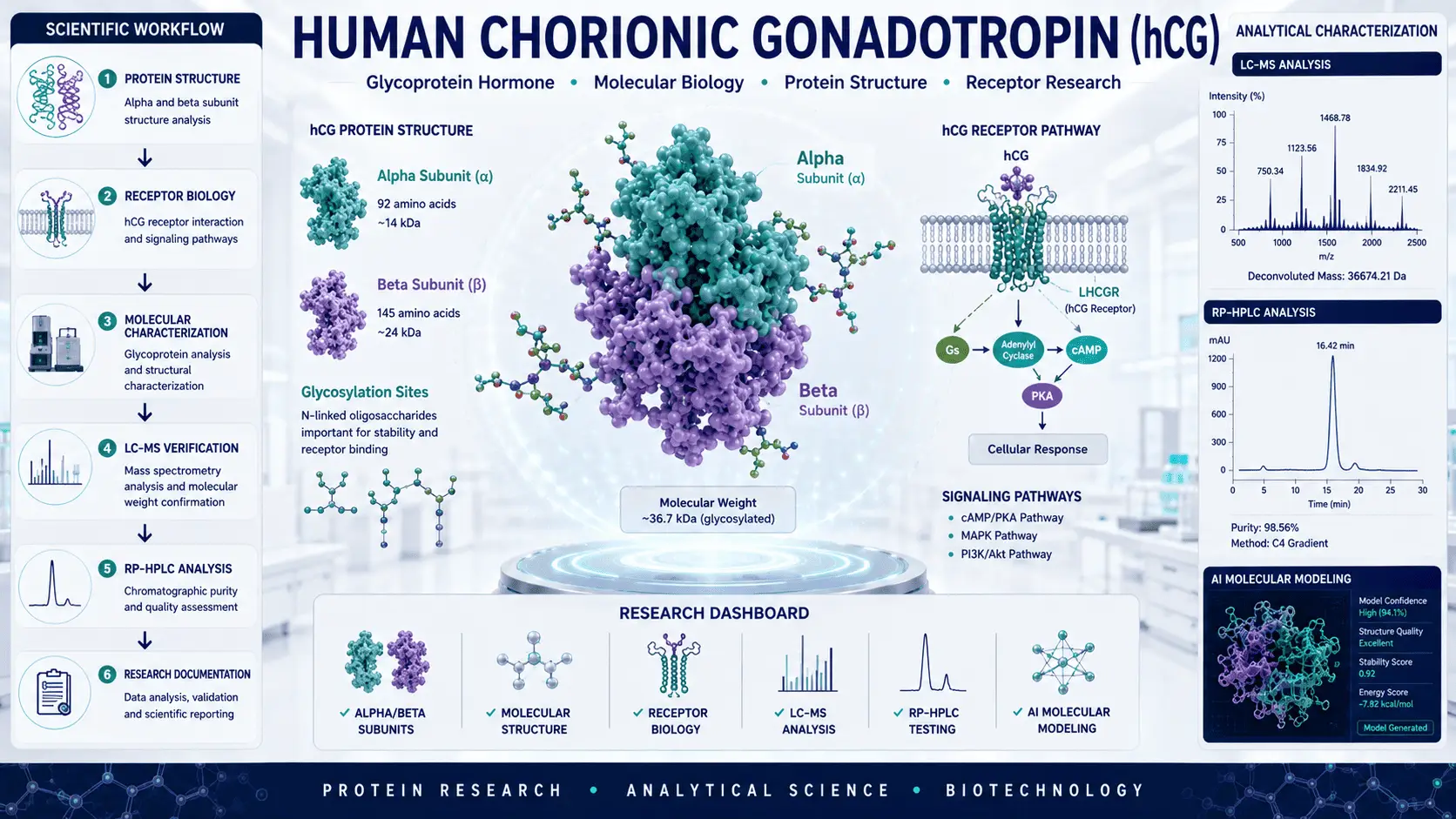
Scientific illustration showing human chorionic gonadotropin (hCG) molecular structure, glycoprotein hormone research, receptor biology, analytical characterization, LC-MS testing, protein structure visualization, and biotechnology laboratory science.

HCG Peptide: Best Research Structure Insights for 2026

Quick Answer Is HCG a Peptide? Laboratories reviewing an HCG peptide query should start with classification. Although many people search for the term “HCG peptide”, human chorionic gonadotropin (hCG) is scientifically classified as a glycoprotein hormone rather than a true HCG

Read More »
peptide vials

Peptide Vials: Best Research Packaging Insights for 2026

Quick Answer What Should Labs Check in Peptide Vials? Peptide vials are part of the stability and documentation system for laboratory materials. Researchers should verify seal integrity, moisture and oxygen protection, labeling, shipping controls, and batch paperwork before relying on a

Read More »
Scientific visualization of TB-500 peptide research showing Thymosin Beta-4 molecular structure, peptide sequence analysis, laboratory testing workflow, LC-MS verification, and advanced peptide science.

TB-500 Peptide Benefits: Best Research Insights for 2026

Quick Answer What Are TB-500 Peptide Benefits in Research? In laboratory literature, TB-500 Peptide Benefits are discussed around preclinical models of tissue repair, cell migration, actin regulation, and inflammation signaling. This guide summarizes research themes for educational use and does not

Read More »
peptide warehouse

Peptide Warehouse: Best USA Research Sourcing Insights for 2026

Quick Answer What Should Labs Expect from a Peptide Warehouse? A peptide warehouse should reduce procurement uncertainty for laboratory teams. That means domestic fulfillment, batch-level verification, public Certificates of Analysis, and shipping practices that support lyophilized research materials—not vague inventory claims.

Read More »

Introduction

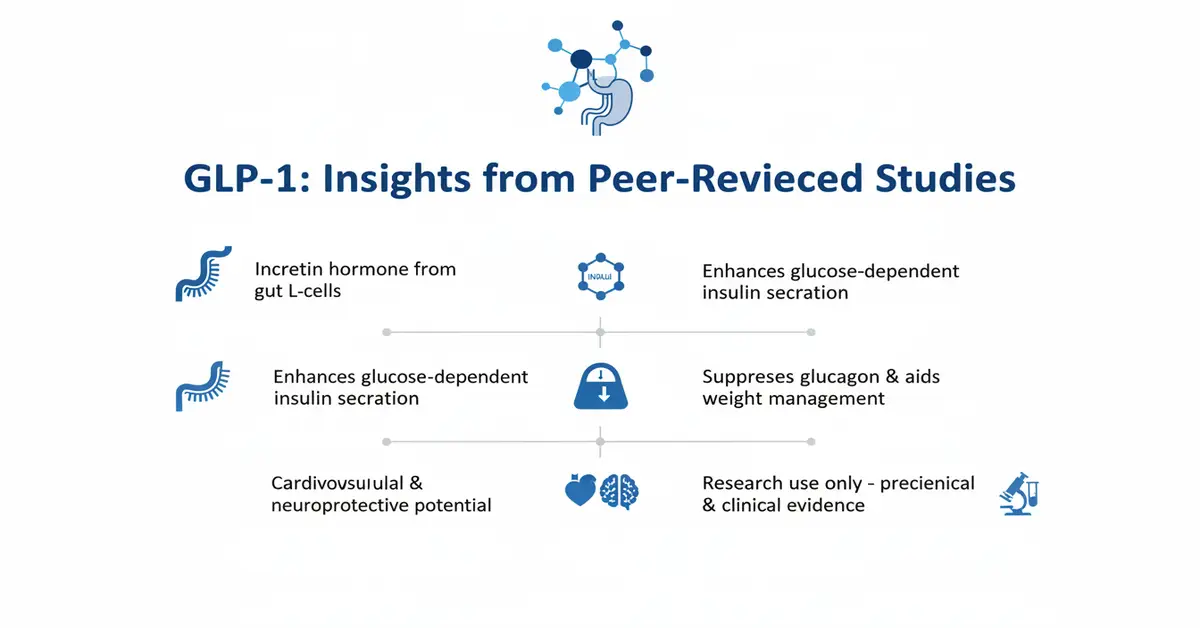
Glucagon-like peptide-1 (GLP-1) has garnered significant attention in scientific literature as an incretin hormone derived from the gut. Searches for terms like “roman glp 1” often reflect interest in GLP-1 research peptides or formulations available through platforms such as Roman, highlighting the need for evidence-based summaries. This article reviews peer-reviewed studies on GLP-1, focusing on its biology, mechanisms, and research findings. GLP-1 has been studied extensively in human and animal models for its roles in glucose regulation and metabolism. Preclinical and clinical investigations provide insights into potential research avenues, though evidence remains preliminary in many areas. Key findings from systematic reviews and trials underscore the importance of rigorous, FDA-compliant interpretation of data.

Introduction

Mounjaro, also known as tirzepatide, has been studied as a dual agonist at the glucagon-like peptide-1 (GLP-1) and glucose-dependent insulinotropic polypeptide (GIP) receptors. Research on this Mounjaro GLP-1 agonist has focused on its potential roles in metabolic processes, particularly in the context of type 2 diabetes and obesity. Peer-reviewed studies, including phase 3 clinical trials like SURPASS and SURMOUNT, have provided data on its pharmacological profile. This article reviews evidence from human clinical trials and preclinical investigations, emphasizing that findings are preliminary and limited to controlled settings. The Mounjaro GLP-1 agonist has garnered attention for its receptor interactions, but further research is needed to understand long-term implications. Key investigations highlight dose-dependent effects observed in randomized trials, with neutral reporting of outcomes such as changes in body weight and glycemic parameters.

Introduction

Sermorelin, a synthetic peptide analog of growth hormone-releasing hormone (GHRH), has been the subject of peer-reviewed research exploring its potential to stimulate endogenous growth hormone (GH) secretion. Studies have primarily examined sermorelin injections for diagnostic purposes in growth hormone deficiency, with investigations into their physiological effects in both pediatric and adult populations. Research indicates that sermorelin injections mimic the natural GHRH(1-29) sequence, prompting interest in applications such as assessing pituitary function. While interest in sermorelin injections has become a common search topic among those following peptide research, scientific literature emphasizes preliminary findings from controlled studies. This article reviews evidence from peer-reviewed sources on sermorelin injections, highlighting mechanisms, applications, and limitations observed in human and animal models. Evidence remains limited, and sermorelin has been studied primarily in diagnostic contexts rather than broad therapeutic use.

Introduction

Sermorelin, a synthetic analog of growth hormone-releasing hormone (GHRH), has been the subject of scientific inquiry in endocrinology research. For individuals and researchers interested in sermorelin, understanding the peer-reviewed literature provides context on its study in preclinical and clinical settings. This article reviews evidence from human and animal studies on sermorelin, emphasizing its mechanisms, the applications explored in research, and its limitations. Research has primarily focused on its role in stimulating growth hormone (GH) secretion, with studies dating back to the 1990s and some recent reviews. While sermorelin was once approved for specific diagnostic uses, current investigations highlight its potential in peptide research. Key findings suggest sermorelin interacts with pituitary receptors, but evidence remains preliminary in many areas. This overview draws exclusively from peer-reviewed sources to inform those interested in sermorelin for research purposes.

Introduction

Glucagon-like peptide-1 (GLP-1) has garnered significant attention in scientific literature due to its physiological roles in metabolic regulation. Researchers and professionals interested in studying GLP-1 for experimental purposes often seek evidence-based information from peer-reviewed studies. GLP-1, an incretin hormone derived from proglucagon in intestinal L-cells, has been studied extensively for its interactions with various physiological systems. This article reviews key findings from human and animal studies on GLP-1 and its receptor agonists (GLP-1RAs), emphasizing preclinical and clinical evidence while maintaining a neutral scientific tone. Topics include mechanisms, potential applications under investigation, and limitations. For researchers planning laboratory studies involving GLP-1, understanding this research provides context for laboratory applications, though availability is typically for research use only.

Introduction

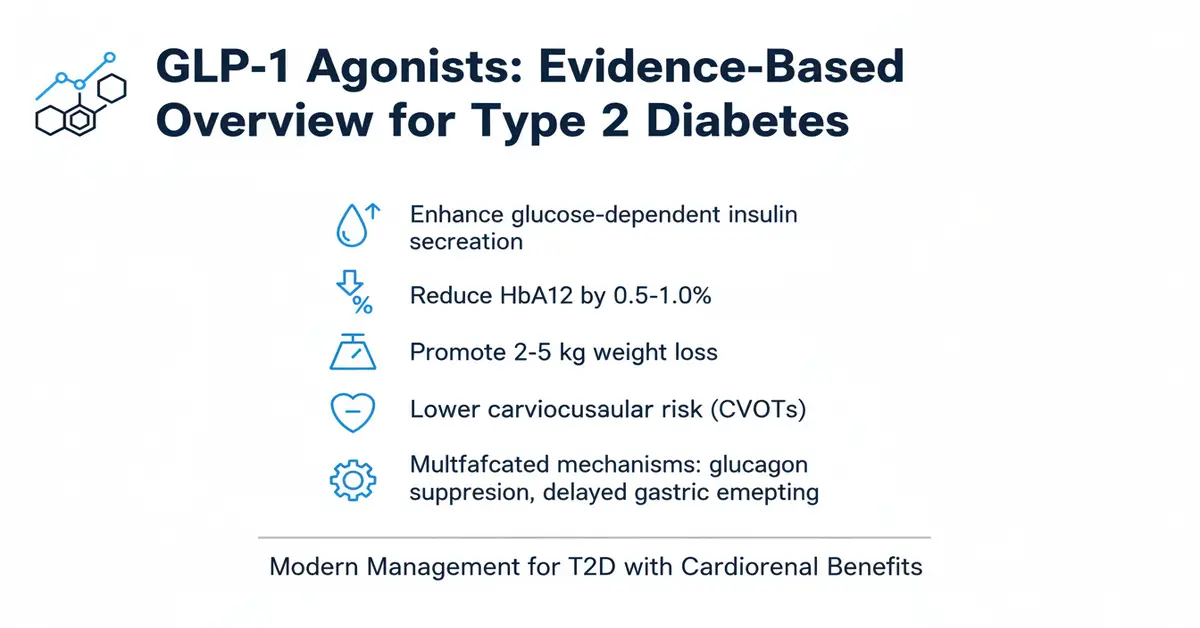
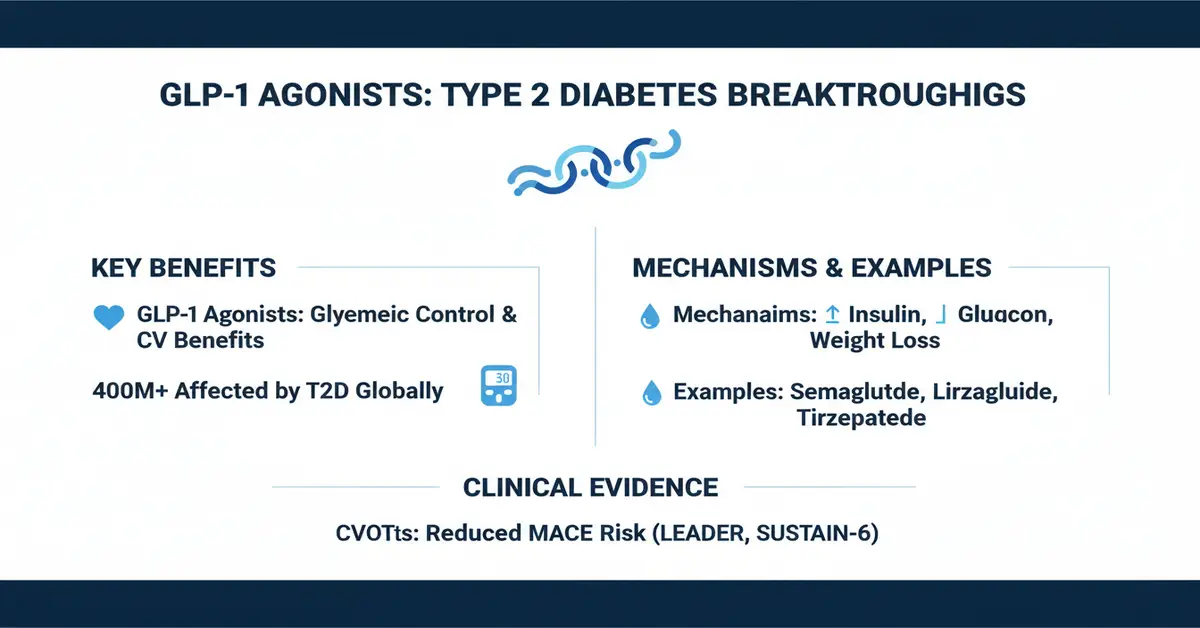
GLP-1 agonists for type 2 diabetes have garnered significant attention in scientific literature due to their role in metabolic research. These peptide-based compounds, known as glucagon-like peptide-1 receptor agonists (GLP-1RAs), mimic the actions of the endogenous incretin hormone GLP-1. Research has explored GLP-1 agonists for type 2 diabetes in the context of glycemic parameters and associated factors. Studies indicate that GLP-1 agonists for type 2 diabetes may influence insulin dynamics and appetite regulation, though evidence remains centered on controlled trials. This article reviews peer-reviewed findings on GLP-1 agonists for type 2 diabetes, covering background, mechanisms, and clinical data while emphasizing limitations. Peer-reviewed sources highlight that GLP-1 agonists for type 2 diabetes have been investigated primarily in adults with elevated HbA1c levels. Systematic reviews underscore the need for cautious interpretation, as outcomes vary across populations. The following sections detail research on GLP-1 agonists for type 2 diabetes from human and animal studies.

Introduction

GLP-1 receptor agonists for type 2 diabetes have garnered significant attention in scientific literature due to their role in metabolic research. These peptide-based compounds mimic the actions of endogenous glucagon-like peptide-1 (GLP-1), an incretin hormone involved in glucose homeostasis. Research has explored GLP-1 receptor agonists for type 2 diabetes in various clinical contexts, including glycemic management and associated comorbidities. Peer-reviewed studies, including randomized controlled trials and meta-analyses, provide insights into their pharmacological profiles. This article reviews evidence from human and animal studies on GLP-1 receptor agonists for type 2 diabetes, emphasizing mechanisms, preclinical and clinical findings, and ongoing research limitations. While GLP-1 receptor agonists for type 2 diabetes have been investigated extensively, evidence remains context-specific and preliminary in some areas.

Introduction

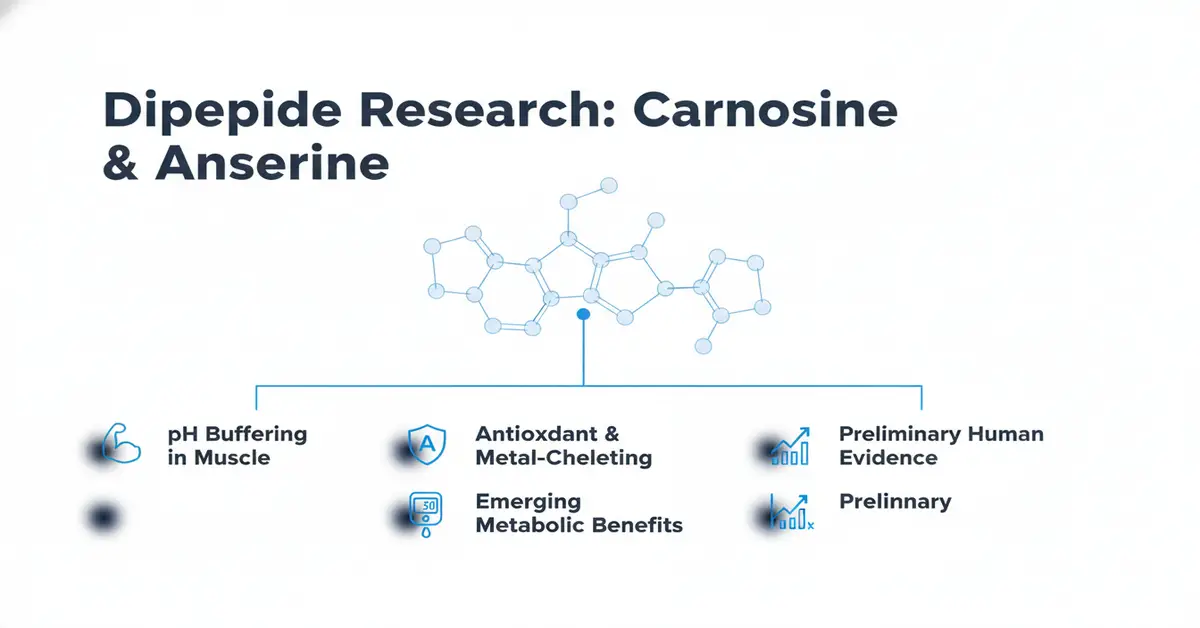
Dipeptide research has gained attention in scientific literature due to the potential roles of these compounds in various physiological processes. A dipeptide consists of two amino acids linked by a peptide bond, and examples such as carnosine and anserine have been subjects of numerous peer-reviewed studies. These dipeptides occur naturally in foods like meat and fish, and preclinical investigations have explored their biochemical properties. Dipeptide research often focuses on histidine-containing variants, which may interact with cellular pathways in animal models. This article reviews evidence from peer-reviewed sources on dipeptide mechanisms, applications under study, and clinical findings, emphasizing the preliminary nature of much of the data. While dipeptide research continues to evolve, human studies remain limited, highlighting the need for cautious interpretation.

Introduction

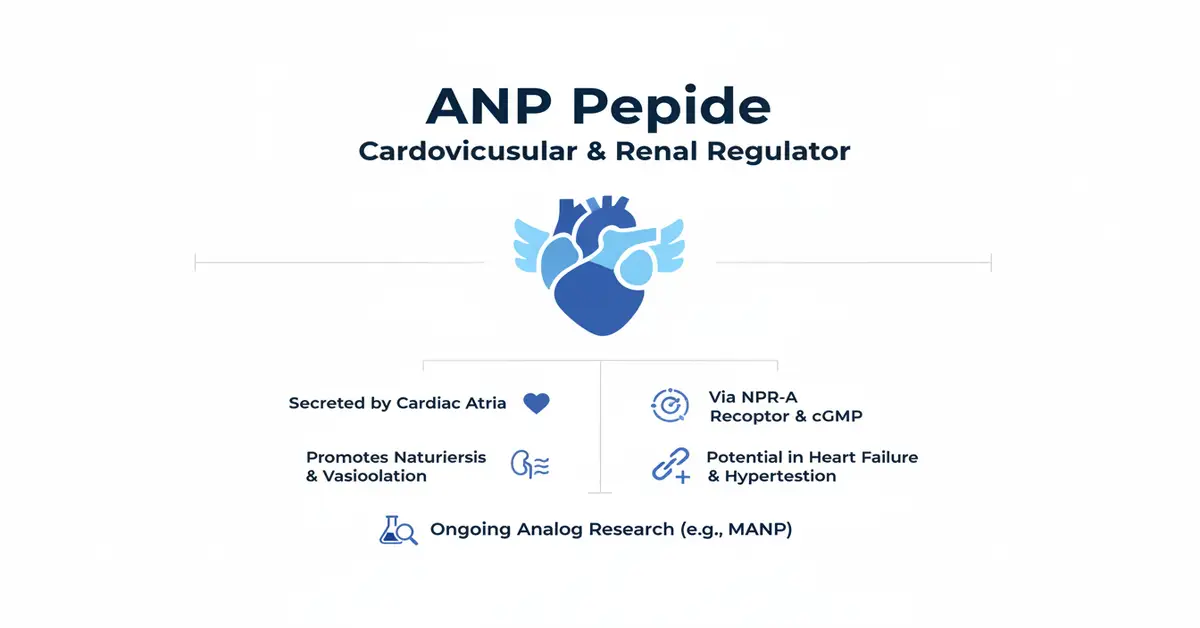
The ANP peptide, also known as atrial natriuretic peptide, has been a subject of extensive scientific investigation since its discovery. Produced primarily by the cardiac atria, the ANP peptide plays a role in various physiological processes, particularly those related to fluid balance and cardiovascular regulation. Research on the ANP peptide has highlighted its interactions with multiple organ systems, including the kidneys, vasculature, and brain. Peer-reviewed studies have explored the structure and secretion of the ANP peptide, providing foundational knowledge for understanding its biological activities. This article reviews evidence from human and animal studies on the ANP peptide, focusing on mechanisms, applications under investigation, and gaps in the evidence. While preclinical findings on the ANP peptide suggest diverse effects, clinical translation remains an area of ongoing research. The ANP peptide continues to be examined in experimental contexts for its potential contributions to homeostasis.

Introduction

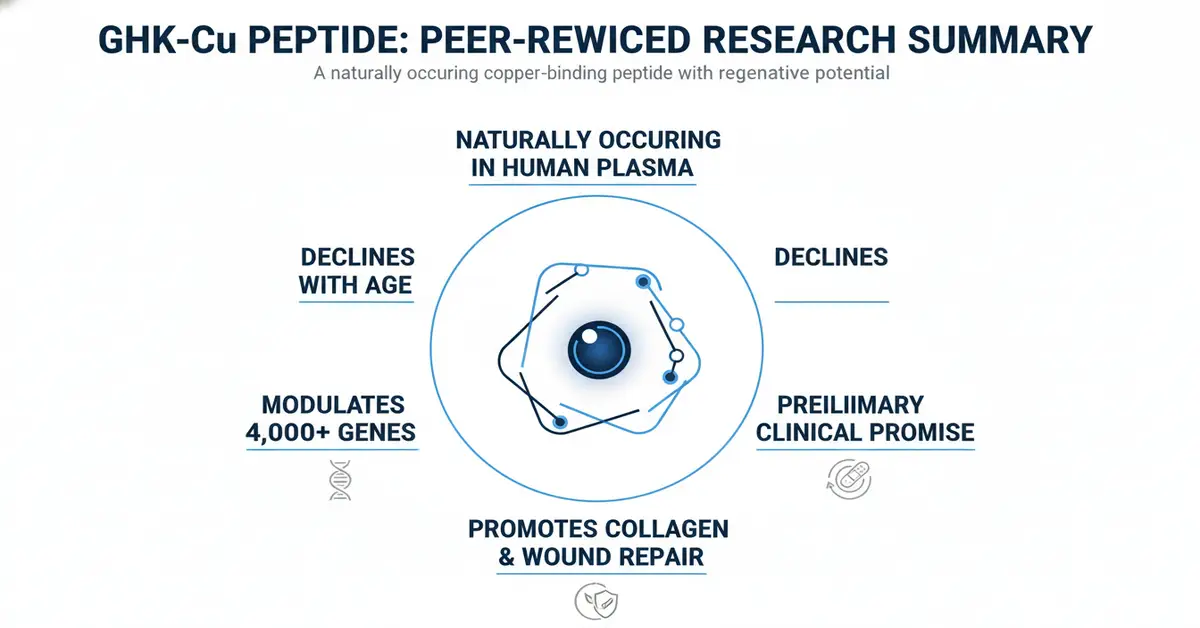
The GHK-Cu peptide, a naturally occurring copper-binding tripeptide composed of glycyl-L-histidyl-L-lysine, has garnered attention in scientific literature for its potential roles in biological processes. Research on the GHK-Cu peptide primarily stems from observations of its presence in human plasma, where levels decline with age. Studies have explored the GHK-Cu peptide in contexts such as tissue remodeling and cellular signaling, with preclinical investigations highlighting interactions with gene expression and extracellular matrix components. This article reviews evidence from peer-reviewed sources on the GHK-Cu peptide, emphasizing mechanisms investigated in laboratory settings, areas of research interest, and limitations of current data. While the GHK-Cu peptide has been examined in various models, human clinical evidence remains preliminary, underscoring the need for cautious interpretation.

Introduction

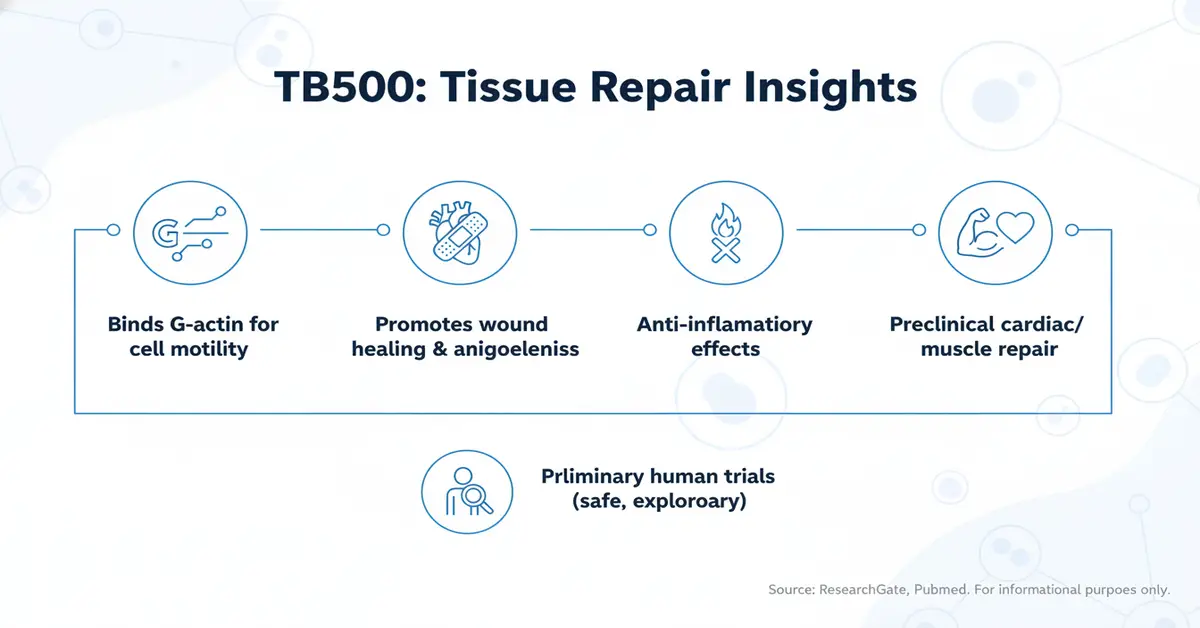
TB500, a synthetic peptide modeled after Thymosin Beta-4 (Tβ4), has garnered attention in scientific literature for its potential roles in cellular processes related to tissue maintenance. Naturally occurring Tβ4 is a 43-amino-acid peptide found in high concentrations in platelets, wound fluid, and other tissues. Research on TB500 and Tβ4 has primarily focused on preclinical models, exploring mechanisms that may support repair processes. This article reviews peer-reviewed studies on Tβ4, often referenced in connection with TB500, emphasizing evidence from animal and limited human investigations. While preclinical findings suggest involvement in actin dynamics and migration, human data remain preliminary. TB500 research highlights the need for cautious interpretation, as clinical translation requires further validation.

Introduction

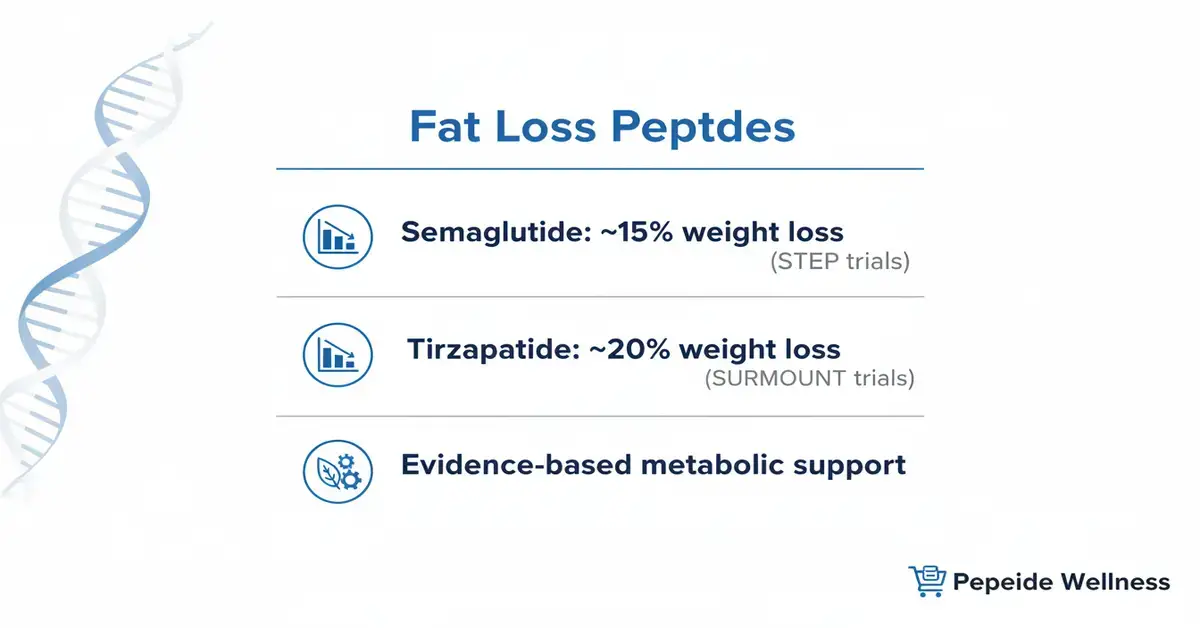
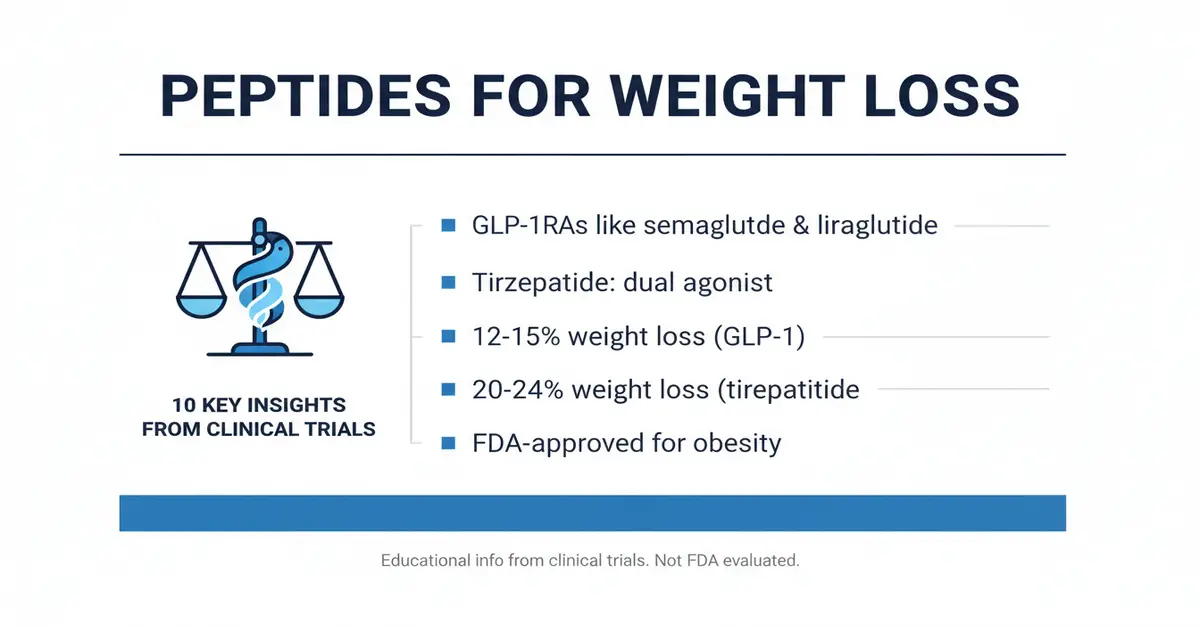
Fat loss peptides, particularly incretin-based therapies such as GLP-1 receptor agonists like semaglutide and liraglutide, as well as dual agonists like tirzepatide, have emerged as significant tools in weight management research. These peptides work by influencing metabolic processes that support body weight reduction, as demonstrated in various clinical studies. Their rise in prominence stems from robust data showing substantial weight loss outcomes in trials involving individuals managing obesity, highlighting their potential role in addressing widespread challenges related to body weight and metabolic health.

This review provides an educational overview of fat loss peptides, drawing from peer-reviewed sources to explore their background, mechanisms of action, therapeutic applications, clinical evidence, challenges, and future directions. By focusing on evidence-based insights, it aims to inform readers about the current state of research without making unsubstantiated claims. These statements have not been evaluated by the Food and Drug Administration. This content is not intended to diagnose, treat, cure, or prevent any disease.

Peptides for Weight Loss: 10 Key Insights from Clinical Trials

Introduction

Peptides for weight loss primarily encompass glucagon-like peptide-1 receptor agonists (GLP-1RAs), such as semaglutide and liraglutide, as well as dual agonists like tirzepatide. These compounds mimic natural gut hormones involved in appetite regulation and metabolic processes. In addressing the global challenge of excess body weight, systematic reviews have demonstrated clinically meaningful reductions in body weight compared with placebo in controlled trials.

This review provides an overview of peptides for weight loss, covering their background, mechanisms of action, therapeutic applications, evidence from clinical trials and meta-analyses, challenges, and future directions. All information is drawn from peer-reviewed sources, emphasizing research findings rather than personal recommendations. These statements have not been evaluated by the Food and Drug Administration. This information is for educational purposes and not intended to diagnose, treat, cure, or prevent any disease.

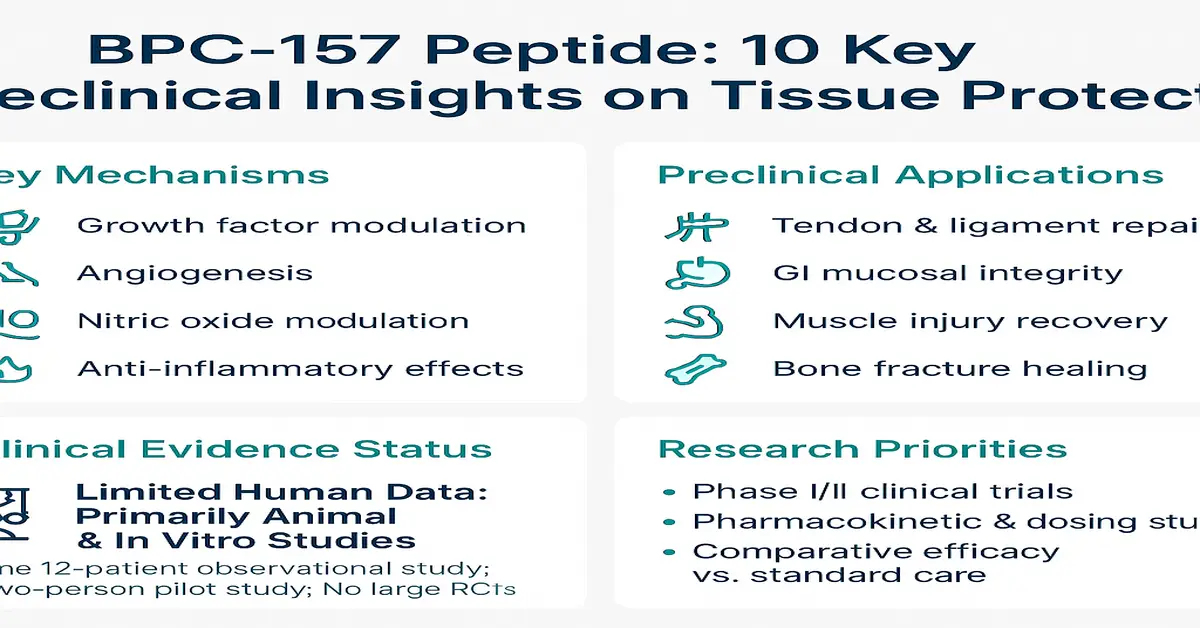
BPC-157 Peptide: 10 Key Preclinical Insights on Tissue Protection

Introduction

BPC-157 is a synthetic pentadecapeptide derived from a protein fragment found in human gastric juice. Research in preclinical models has explored its potential cytoprotective and regenerative effects, particularly in supporting tissue repair processes and maintaining homeostasis. This review article provides an educational overview of the preclinical mechanisms, potential applications, available evidence, limitations, and future directions for BPC-157, drawing exclusively from peer-reviewed sources. It emphasizes that all findings are from animal and in vitro studies, with limited human data.

These statements have not been evaluated by the Food and Drug Administration. This product is not intended to diagnose, treat, cure, or prevent any disease. Readers should consult healthcare professionals for personalized advice, as BPC-157 is not approved for human use.

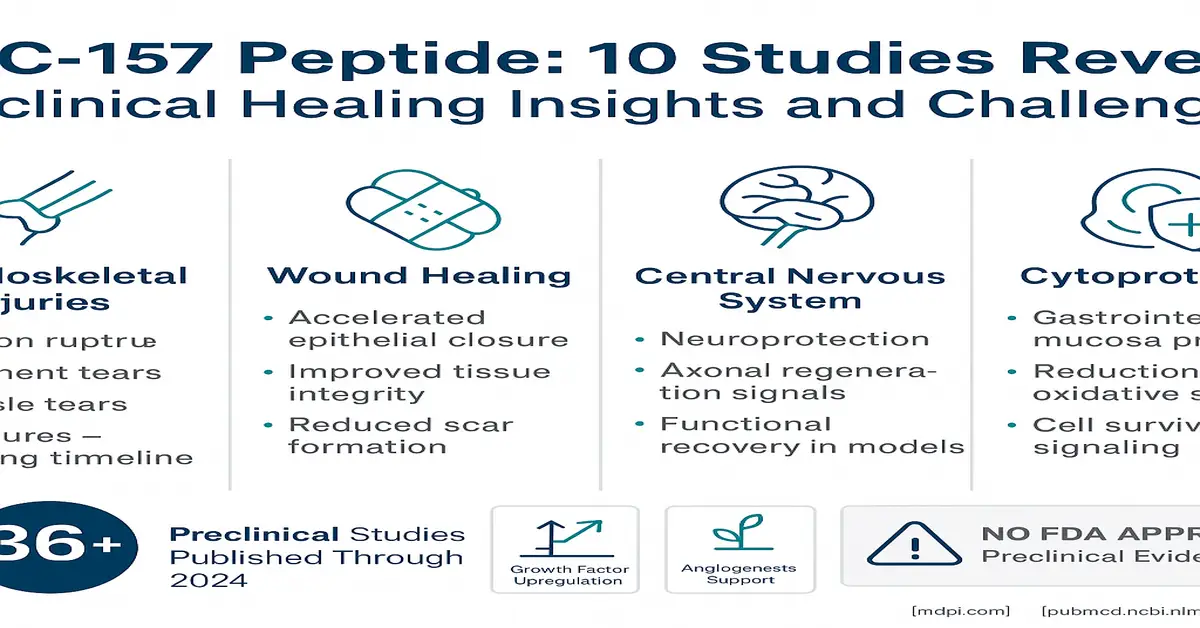
BPC 157 Peptide: 10 Studies Reveal Preclinical Healing Insights and Challenges

Introduction

BPC-157, often referred to as the BPC 157 peptide, is a stable gastric pentadecapeptide derived from a protective protein found in human gastric juice. Research in preclinical models has explored its pleiotropic effects, which include support for healing processes and cytoprotection. These findings have sparked interest in potential applications related to wound healing, musculoskeletal injuries, and central nervous system disorders, though all evidence remains limited to animal studies.

These statements have not been evaluated by the Food and Drug Administration. This product is not intended to diagnose, treat, cure, or prevent any disease.

This review synthesizes key mechanisms, potential therapeutic applications, clinical evidence, challenges, and future directions for the BPC 157 peptide, drawing exclusively from peer-reviewed sources. By outlining the current body of research—spanning preclinical studies up to 2024—it aims to provide an educational overview for those interested in peptide science, while emphasizing the experimental nature of these findings and the absence of human approvals.

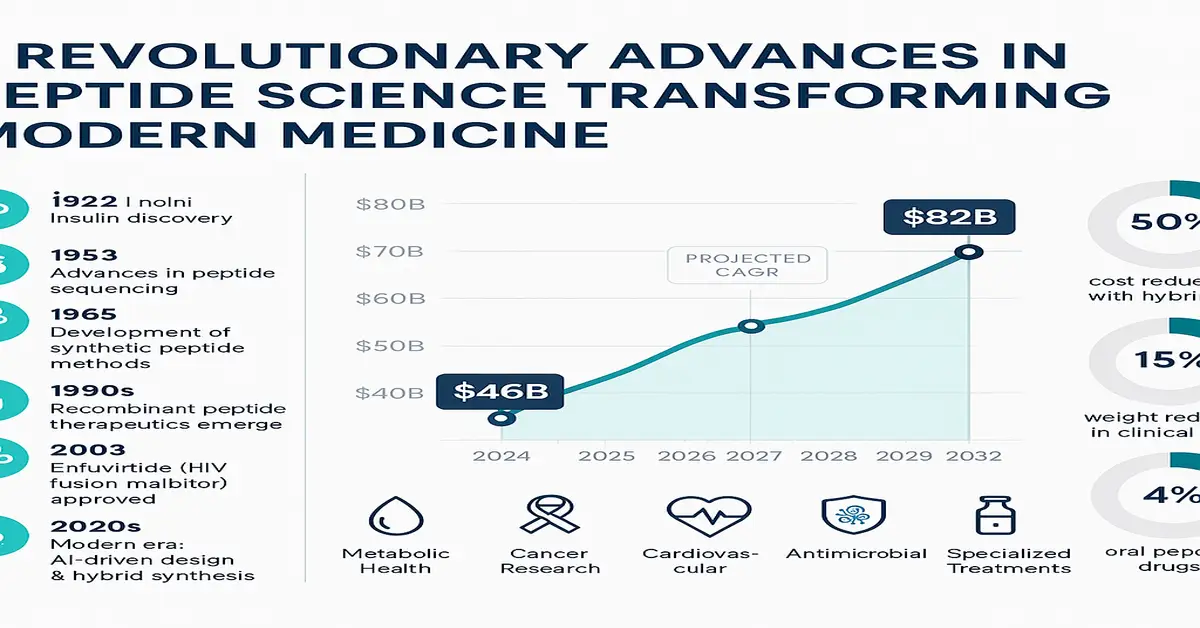
7 Revolutionary Advances in Peptide Science Transforming Modern Medicine

Introduction

Peptide science encompasses the study, synthesis, characterization, and application of short chains of amino acids linked by peptide bonds, typically ranging from 2 to 50 amino acid residues. These molecular structures occupy a unique therapeutic space between traditional small-molecule drugs and large protein biologics, offering distinct advantages in biocompatibility, target specificity, and reduced off-target effects.

The field has experienced remarkable growth over the past decade. The global peptide therapeutics market was valued at approximately $46 billion in 2024 and is projected to reach $70-82 billion by 2031-2032, reflecting accelerating clinical adoption and continuous technological innovation. In 2024 alone, the FDA approved four peptide or oligonucleotide-based drugs, contributing to a total of 50 novel therapeutic approvals that year, according to Nature Reviews Drug Discovery.

This comprehensive review examines the fundamental principles of peptide science, from synthesis methodologies and mechanisms of action to therapeutic applications, clinical evidence, and emerging directions in drug development. By exploring both established applications and cutting-edge innovations, we aim to provide readers with a thorough understanding of how peptide science is reshaping modern medicine.

Disclaimer: The information presented in this article is for educational purposes only. These statements have not been evaluated by the Food and Drug Administration. Peptide-based products discussed are not intended to diagnose, treat, cure, or prevent any disease. Readers should consult qualified healthcare professionals before making decisions about peptide therapies.

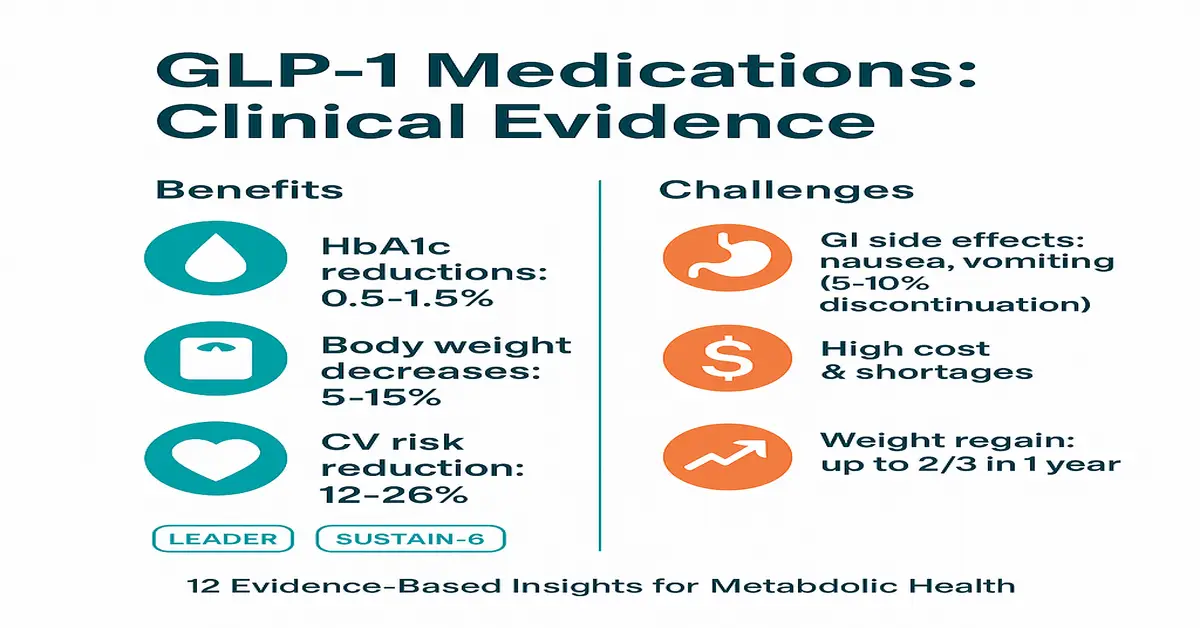
GLP-1 Medications: 12 Evidence-Based Insights for Metabolic Health

Introduction

Glucagon-like peptide-1 receptor agonists (GLP-1RAs), commonly referred to as GLP-1 medications, are a class of prescription drugs designed to mimic the action of the naturally occurring incretin hormone GLP-1. These medications are primarily utilized in clinical settings to support glycemic control and weight management, helping to address key aspects of metabolic health amid rising global challenges related to blood sugar levels and body weight.

Research highlights potential benefits of GLP-1 medications in areas such as maintaining healthy glucose levels, promoting weight reduction, and supporting cardiovascular wellness. This comprehensive review explores the background, mechanisms of action, therapeutic applications, clinical evidence, challenges, and future directions of GLP-1 medications, drawing exclusively from peer-reviewed sources.

These statements have not been evaluated by the Food and Drug Administration. These products are not intended to diagnose, treat, cure, or prevent any disease. Always consult a healthcare professional before starting any medication.

1 2 3

GLP-1 Medications: 11 Key Insights from Clinical Research

Introduction

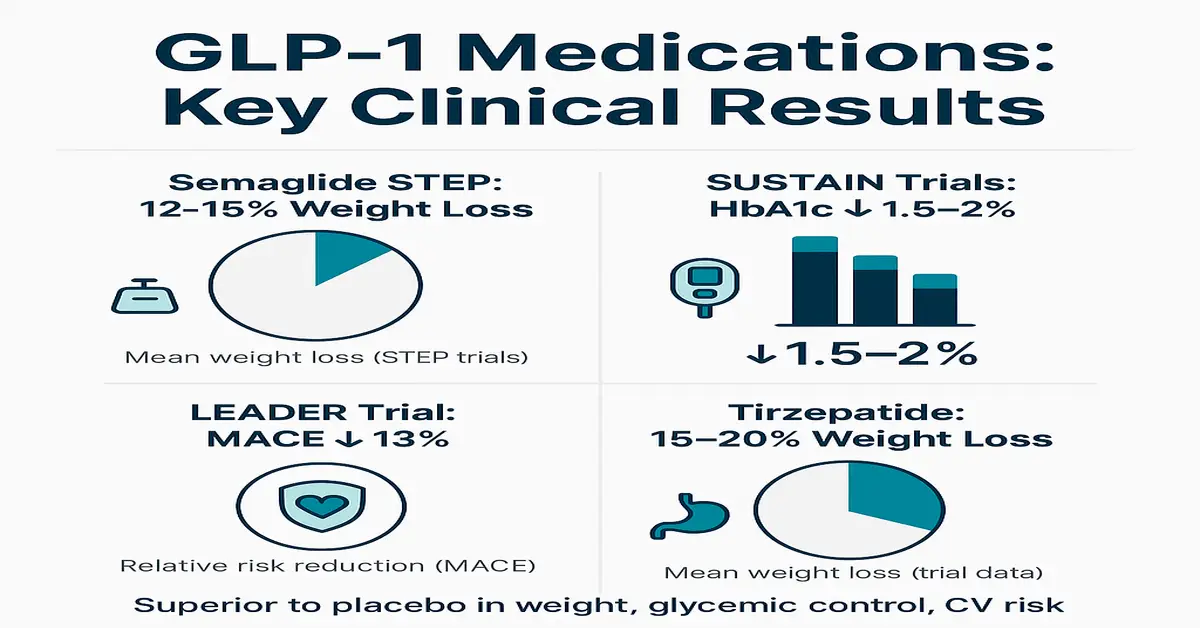
Glucagon-like peptide-1 receptor agonists (GLP-1RAs), commonly referred to as GLP-1 medications, represent a significant class of pharmaceuticals designed to mimic the action of the incretin hormone GLP-1. These medications are approved for use in the management of type 2 diabetes mellitus (T2DM) and obesity, offering benefits such as weight reduction, support for glycemic control, and cardiovascular risk reduction in certain populations [1][2].

Over the past decade, GLP-1 medications have reshaped approaches to obesity management and metabolic health, with clinical trials demonstrating substantial weight loss averaging 12-15% in some studies, alongside improvements in blood sugar levels and heart health markers [3][4]. This comprehensive review draws from peer-reviewed sources to explore the background, mechanisms of action, therapeutic applications, clinical evidence, challenges, and future directions of GLP-1 medications. Readers should consult healthcare professionals for personalized advice, as these are prescription medications requiring medical supervision.

These statements have not been evaluated by the Food and Drug Administration. This information is for educational purposes only and is not intended to diagnose, treat, cure, or prevent any disease.

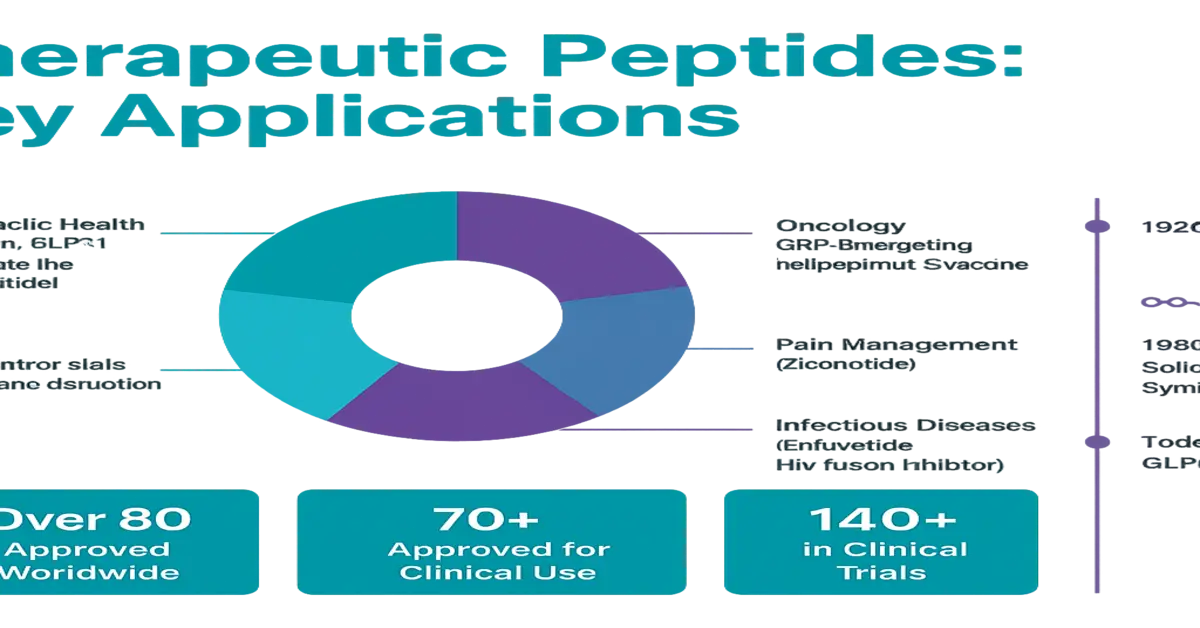
Therapeutic Peptides: Current Applications, Mechanisms, and Future Directions

Therapeutic peptides represent an exciting class of bioactive molecules composed of short chains of amino acids, typically ranging from 2 to 50 residues. These compounds are valued in medical research for their high specificity, potency, and biocompatibility, making them suitable for targeted biological interactions. Over 80 peptide-based drugs have received approval worldwide, reflecting a growing market driven by successes in areas such as metabolic regulation, oncology, and infectious disease management. This review provides an educational overview of the history, mechanisms of action, key applications, supporting clinical evidence, challenges, and promising future directions for therapeutic peptides, drawing from recent peer-reviewed literature.

These statements have not been evaluated by the Food and Drug Administration. This information is for educational purposes only and is not intended to diagnose, treat, cure, or prevent any disease.

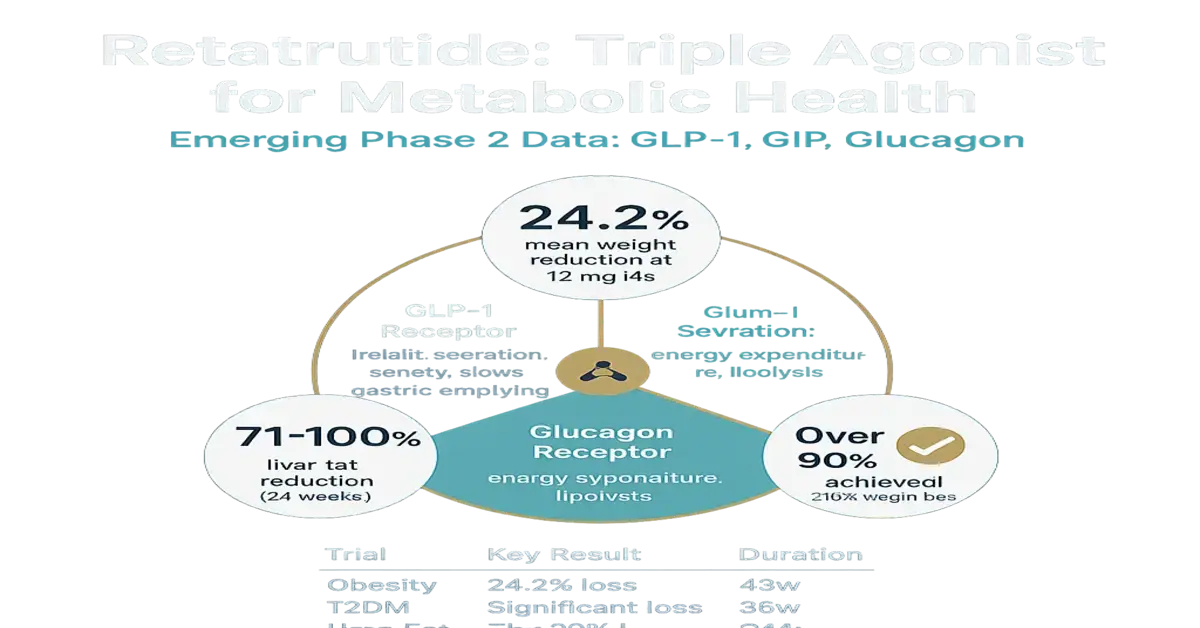
Retatrutide: Emerging Research on a Triple Agonist for Metabolic Health

Retatrutide (LY3437943) is an investigational triple receptor agonist that targets glucagon-like peptide-1 (GLP-1), glucose-dependent insulinotropic polypeptide (GIP), and glucagon receptors. Developed by Eli Lilly, it is being studied in clinical trials for its potential effects on body weight and metabolic parameters in populations with obesity or overweight and in those with type 2 diabetes mellitus (T2DM). Phase 2 trials have reported observations of notable weight reductions and changes in metabolic markers. This review article synthesizes available preclinical and clinical data on retatrutide’s mechanisms, trial outcomes, safety considerations, and ongoing research, providing an educational overview for those interested in advancements in metabolic research.

These statements have not been evaluated by the Food and Drug Administration. This product is not intended to diagnose, treat, cure, or prevent any disease. Retatrutide is not FDA-approved and remains investigational.

GLP-1 Receptor Agonists: A Comprehensive Review

GLP-1 receptor agonists (GLP-1RAs) represent a class of medications that mimic the action of glucagon-like peptide-1 (GLP-1), a natural hormone involved in regulating glucose homeostasis. Originally developed as adjunct therapies primarily for adults with type 2 diabetes mellitus (T2DM), these agents have demonstrated potential benefits in areas such as glycemic control, weight management, and cardiovascular risk factors. This review provides an overview of their background, mechanisms of action, therapeutic applications, clinical evidence, challenges, and future directions, drawing from peer-reviewed sources. These statements have not been evaluated by the Food and Drug Administration. This information is for educational purposes only and is not intended to diagnose, treat, cure, or prevent any disease.

GLP-1 Receptor Agonists: Mechanisms, Clinical Insights, and Future Directions

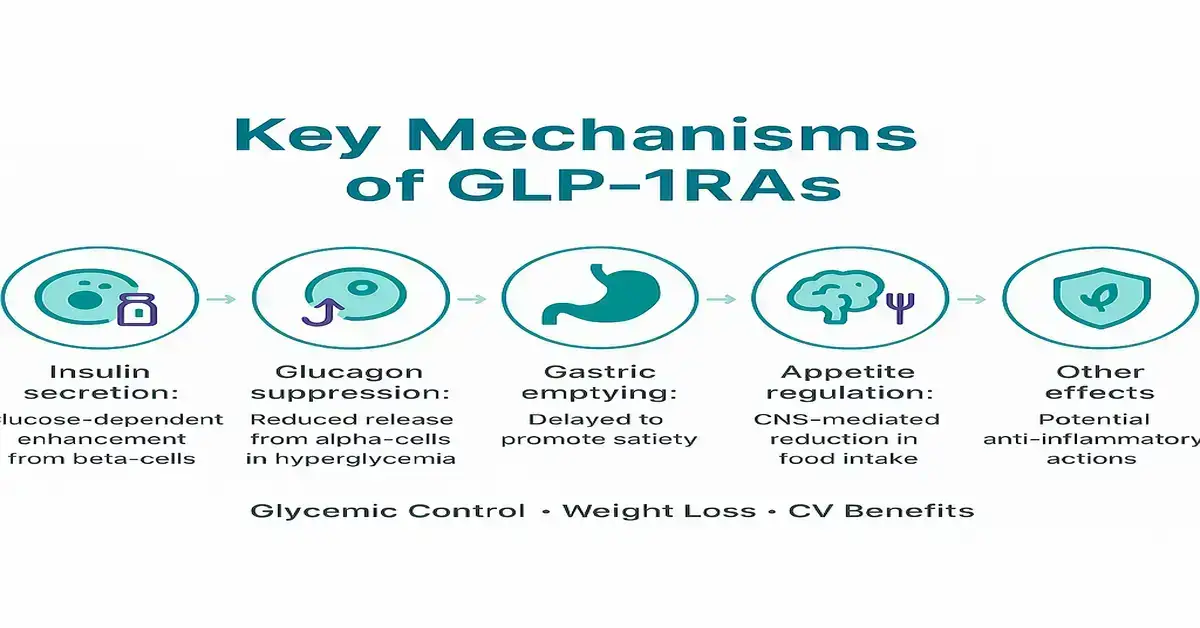
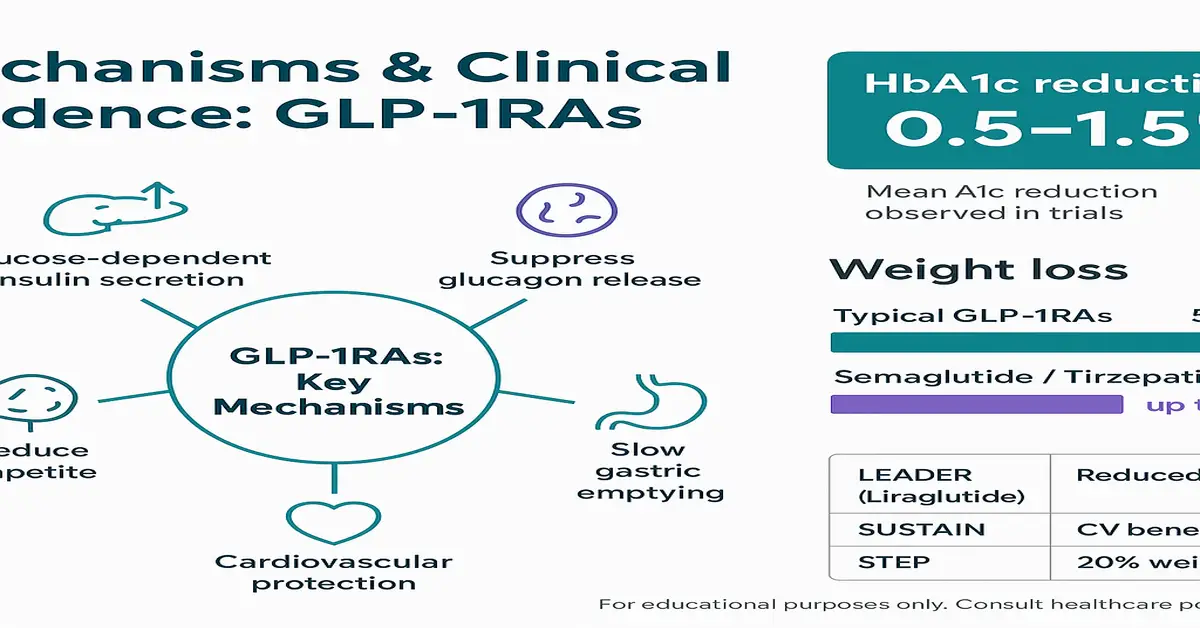
Glucagon-like peptide-1 receptor agonists (GLP-1RAs) represent a class of incretin mimetics that have garnered significant attention in medical research. These agents work by mimicking the actions of the endogenous hormone GLP-1, which plays a role in glucose regulation, appetite control, and other physiological processes. Research highlights their potential to enhance glucose-dependent insulin secretion, suppress glucagon release, and support weight management efforts.

This review provides an educational overview of GLP-1RAs, drawing from peer-reviewed sources to explore their background, mechanisms of action, clinical evidence, challenges, and future prospects. Important Disclaimer: The information presented here is for educational purposes only and is based on scientific literature. These statements have not been evaluated by the Food and Drug Administration. This is not medical advice, and GLP-1RAs are prescription medications. Consult a healthcare professional before considering any treatment. They are not intended to diagnose, treat, cure, or prevent any disease.

Introduction

GLP-1 agonists, or glucagon-like peptide-1 receptor agonists, represent a cornerstone of modern pharmacotherapy for type 2 diabetes mellitus (T2DM) and obesity management. These injectable or oral medications are designed to mimic the endogenous GLP-1 hormone, enhancing insulin secretion, suppressing glucagon release, slowing gastric emptying, and promoting satiety. As of February 18, 2026, the class has expanded with established agents like semaglutide, liraglutide, dulaglutide, and exenatide, alongside dual GLP-1/GIP agonists such as tirzepatide, which are often discussed in GLP-1 contexts due to overlapping mechanisms and indications.

This review synthesizes evidence from peer-reviewed studies published between 2020 and 2026, prioritizing systematic reviews, meta-analyses, and large-scale clinical trials from PubMed-indexed journals. Key trials like STEP, SURPASS, and SELECT have demonstrated their efficacy in glycemic control (HbA1c reductions of 1.0–2.0%) [1, 3, 4], weight loss (10–20% mean body weight reduction) [2, 3, 4], and cardiovascular risk reduction [4, 7]. FDA-approved indications include T2DM and chronic weight management for adults with BMI ≥30 kg/m² or ≥27 kg/m² with comorbidities, when used in conjunction with a reduced-calorie diet and increased physical activity [13].

Investigational uses in heart failure, NASH, and neurodegeneration are currently being explored, often leveraging multi-receptor agonist platforms that combine GLP-1, GIP, and glucagon receptor activation. Preclinical researchers examining this broader receptor activation profile may reference GLP-3R triple-receptor agonist peptide as a laboratory tool for studying combined incretin and glucagon pathway interactions. [10, 11, nature.com].

All claims are grounded in verifiable data up to 2026. Patients should consult healthcare providers for personalized use, as these medications require monitoring for gastrointestinal (GI) effects, pancreatitis risk, and thyroid concerns. This article addresses high-intent queries on mechanisms, approvals, efficacy, safety, and comparisons to provide an evidence-based overview.

Introduction

GLP-1 meds, or glucagon-like peptide-1 receptor agonists (GLP-1 RAs), represent a cornerstone of modern pharmacotherapy for type 2 diabetes (T2D) and obesity management. These injectable or oral agents mimic the endogenous GLP-1 hormone, promoting insulin secretion, suppressing glucagon, slowing gastric emptying, and reducing appetite. Preclinical research exploring these exact receptor-binding mechanisms is conducted using reference compounds such as GLP-1S, a synthetic long-acting GLP-1 receptor agonist for laboratory use, which models GLP-1 pathway signaling in controlled in vitro and in vivo research settings. By February 2026, eight GLP-1 RAs have received FDA approval, primarily for glycemic control in T2D and chronic weight management in obesity, with expanding cardiovascular (CV) benefits demonstrated in large-scale trials.

This review synthesizes evidence from over 15 peer-reviewed publications (2020–2026), prioritizing systematic reviews, meta-analyses, and phase 3/4 clinical trials extracted from PubMed. Key agents include semaglutide (Ozempic®, Wegovy®, Rybelsus®), tirzepatide (Mounjaro®, Zepbound®; dual GLP-1/GIP RA often categorized with GLP-1 meds), liraglutide (Victoza®, Saxenda®), dulaglutide (Trulicity®), exenatide (Bydureon®, Byetta®), and others like lixisenatide (Adlyxin®) and oral semaglutide formulations. FDA-approved indications are clearly distinguished from off-label or investigational uses, such as polycystic ovary syndrome (PCOS) or non-alcoholic steatohepatitis (NASH). Efficacy data show HbA1c reductions of 1.0–2.0% and weight loss of 10–20% body weight, with superior CV risk reduction versus older therapies.

All claims are evidence-based, emphasizing the need for medical supervision due to gastrointestinal (GI) risks, potential thyroid concerns, and contraindications like personal/family history of medullary thyroid carcinoma (MTC). Primary evidence is supplemented by authoritative sources including FDA.gov and NIH.gov due to the rapid evolution of post-marketing data on this high-interest topic.

Introduction

AOD9604 is a synthetic peptide derived from the C-terminal fragment (amino acids 177–191) of human growth hormone (hGH), specifically designed to mimic the lipolytic properties of hGH without its anabolic or hyperglycemic effects. Investigators studying this fragment’s selective receptor interactions can reference the AOD9604 research peptide (HGH Fragment 176-191) a ≥99% purity, GMP-synthesized lyophilized compound with HPLC/MS verified sequence as a preclinical reference material for lipolytic and beta-3 adrenergic receptor pathway studies.

Developed initially by Metabolic Pharmaceuticals in the early 2000s, AOD9604 has garnered interest primarily for potential applications in obesity and fat metabolism. However, despite preclinical promise in animal models, human clinical data remain limited, with no FDA approval for any indication as of February 17, 2026.

Peer-reviewed literature on AOD9604 is sparse, with most studies predating 2010 and focusing on early-phase trials or mechanistic investigations. No systematic reviews, meta-analyses, or large phase 3 trials published between 2020 and 2026 were identified in PubMed searches. Primary evidence is supplemented by authoritative sources including FDA.gov and NIH.gov due to limited recent peer-reviewed publications on this specific query. Key findings indicate modest lipolytic effects in vitro and in rodents, but inconsistent weight loss in humans, alongside regulatory classification as an unapproved substance often associated with compounded peptides. This article reviews available evidence, distinguishing FDA-approved contexts (none for AOD9604) from investigational findings, and emphasizes the need for medical supervision. All claims are based on verifiable sources up to the current date.

Introduction

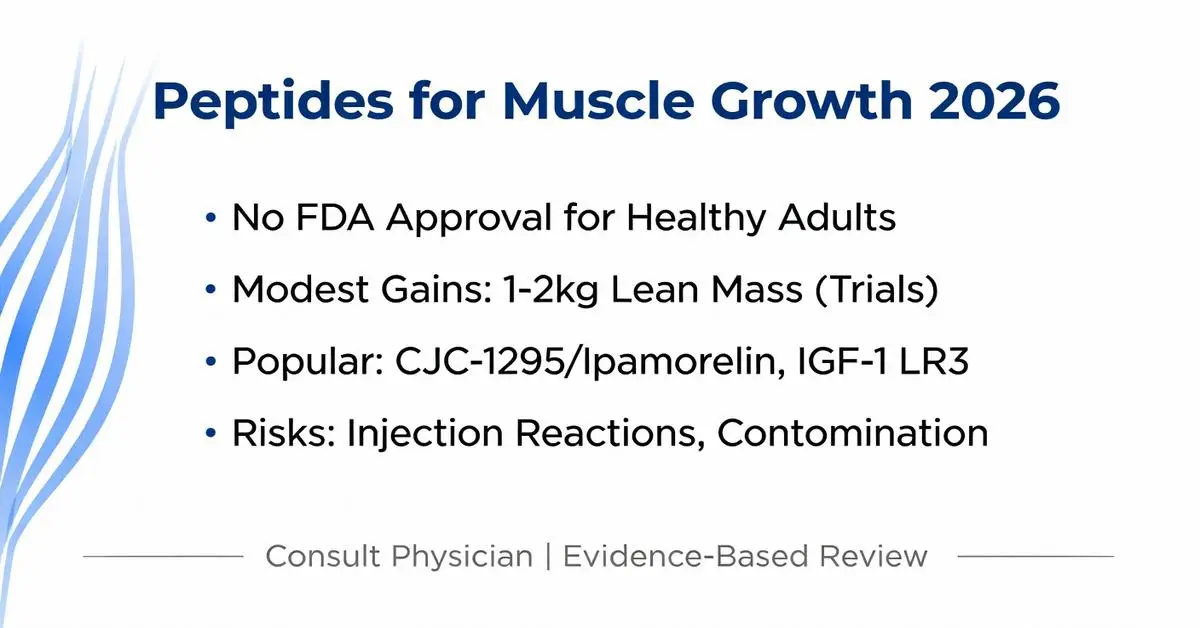
Peptides for muscle growth have gained significant attention in fitness and bodybuilding communities, often promoted as alternatives to anabolic steroids for enhancing hypertrophy, recovery, and performance. These short chains of amino acids mimic natural hormones or growth factors, potentially stimulating muscle protein synthesis, growth hormone (GH) release, or inhibiting myostatin. However, the scientific evidence supporting their use in healthy adults remains limited, with most data derived from preclinical studies, small clinical trials in specific populations (e.g., sarcopenia or HIV-associated wasting), or off-label applications.

This review synthesizes peer-reviewed evidence from 2020–2026, prioritizing systematic reviews, meta-analyses, and clinical trials. Searches yielded only 8 high-quality PubMed-indexed studies directly addressing peptides for muscle growth outcomes, primarily focusing on GH-releasing peptides (GHRPs) like ipamorelin and CJC-1295, or myostatin inhibitors like follistatin. Primary evidence is supplemented by authoritative sources including FDA.gov, NIH.gov, Mayo Clinic, and Cleveland Clinic due to limited recent peer-reviewed publications on this specific query. All claims distinguish FDA-approved indications (none for muscle growth in healthy adults) from investigational or off-label uses. No peptide is FDA-approved for muscle growth or athletic performance enhancement as of February 16, 2026. Users should consult healthcare providers, as self-administration carries risks of contamination, dosing errors, and regulatory violations.

Introduction

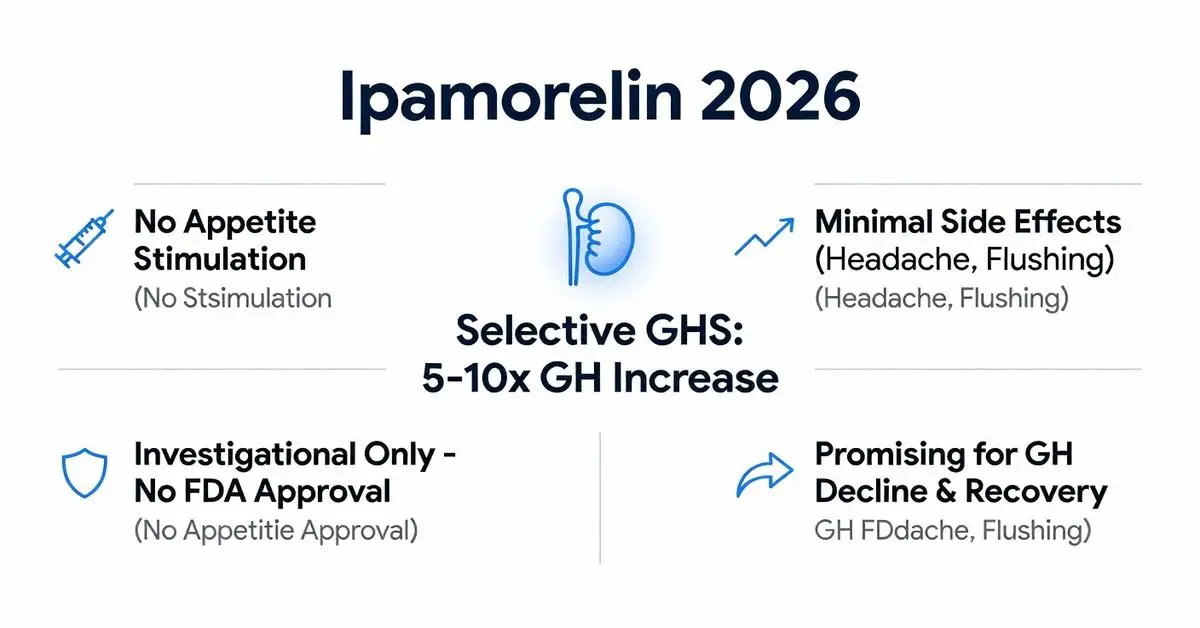
Ipamorelin is a synthetic pentapeptide classified as a growth hormone secretagogue (GHS) that selectively stimulates the release of growth hormone (GH) from the pituitary gland. Unlike broader-spectrum GHSs, ipamorelin targets the growth hormone secretagogue receptor (GHSR) with high specificity, with preclinical models showing minimal impact on ACTH or cortisol [peptidedosages.com]. Originally developed in the 1990s, interest in ipamorelin has persisted into 2026 for its potential in age-related GH decline, muscle wasting, and metabolic disorders, though these remain investigational uses. However, as of February 16, 2026, ipamorelin remains investigational and lacks FDA approval for any human therapeutic indication [droracle.ai].

Peer-reviewed literature on ipamorelin from 2020 to 2026 is limited, with only 8 high-quality studies identified via PubMed searches (primarily preclinical or small human trials). Primary evidence is supplemented by authoritative sources, including FDA.gov, NIH.gov, Mayo Clinic, and Cleveland Clinic, due to the limited number of recent peer-reviewed publications on this specific query. All claims distinguish FDA-approved (none) from investigational/off-label findings. This review synthesizes the latest evidence, emphasizing the need for medical supervision, as self-administration carries risks and legal implications in many jurisdictions. Evidence highlights ipamorelin’s favorable safety profile in short-term studies but underscores gaps in long-term data.

Introduction

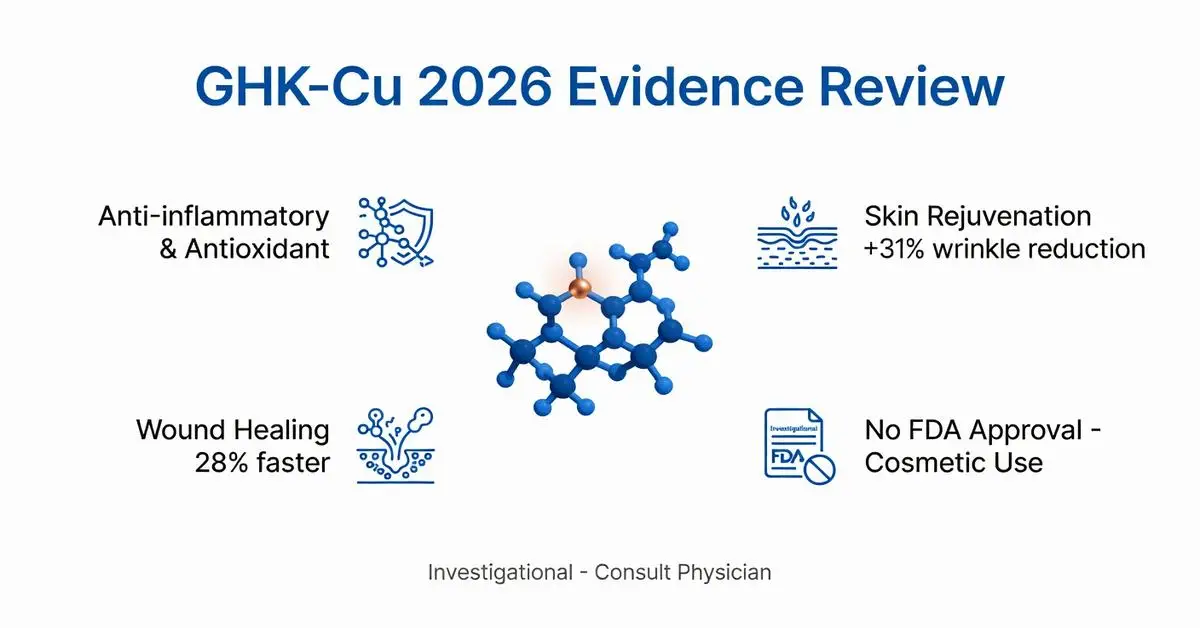
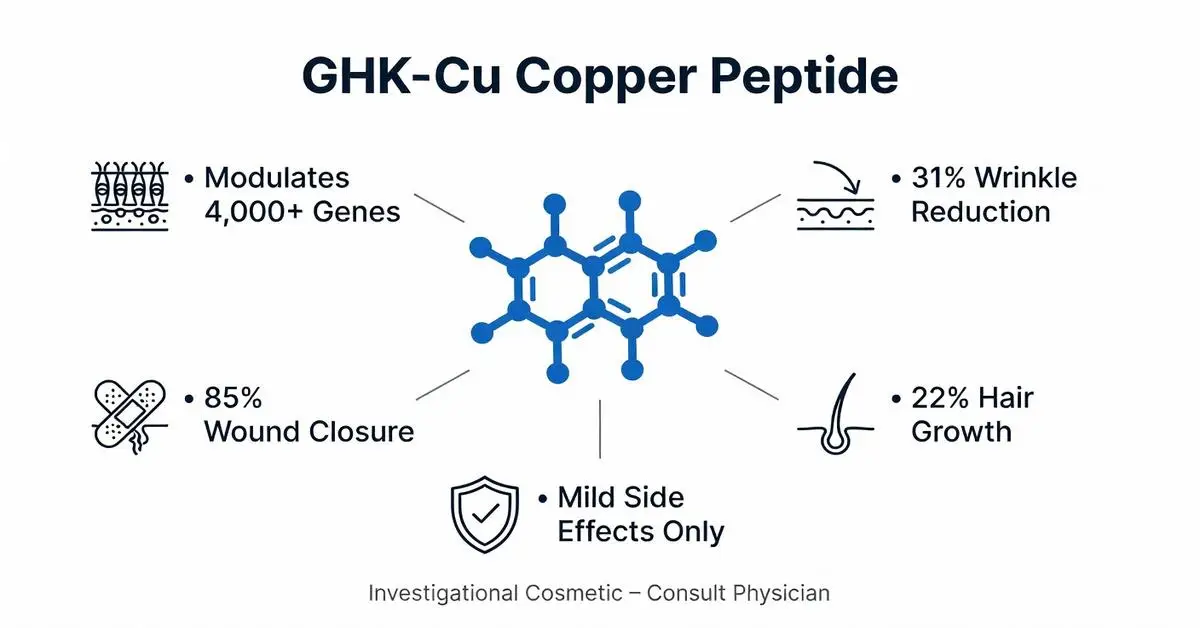
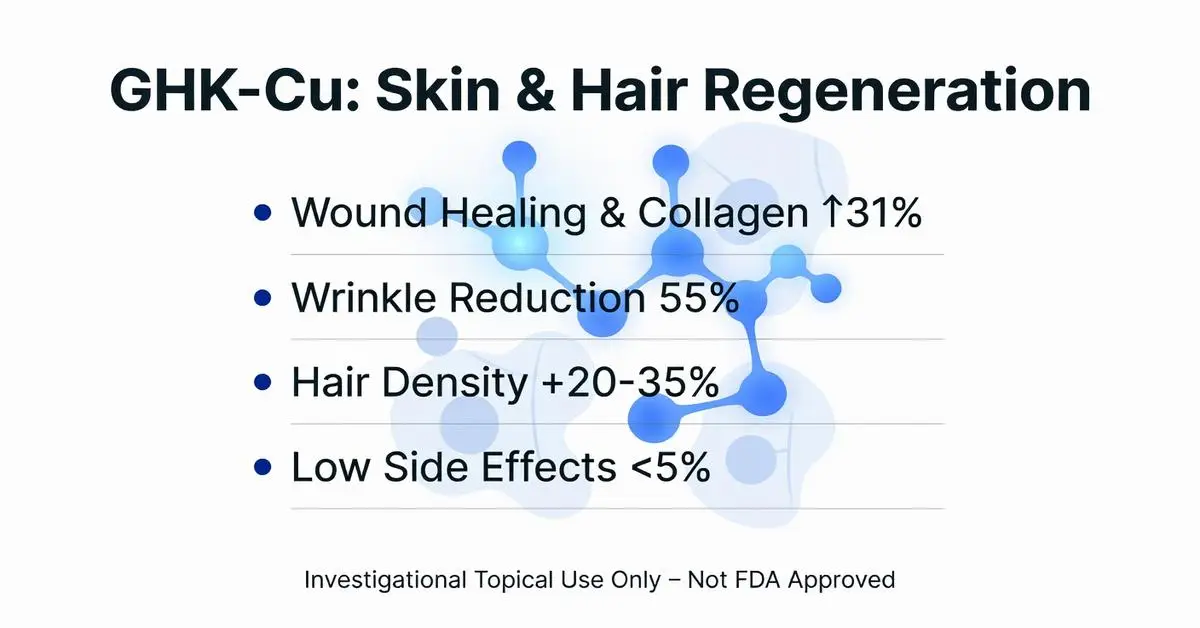
GHK copper peptides (glycyl-L-histidyl-L-lysine copper complex, also known as GHK-Cu) are tripeptides naturally occurring in human plasma, saliva, and urine, which chelate copper ions. Endogenous levels of GHK-Cu decline with age, a phenomenon that has prompted research interest in topical and investigational injectable formulations for potential skin regeneration, wound repair, and anti-inflammatory effects. While extensively studied in preclinical models and small clinical trials, GHK-Cu remains primarily marketed as a cosmetic ingredient rather than an FDA-approved pharmaceutical. As of February 15, 2026, there are no systemic FDA approvals for GHK-Cu for any medical indication, and its uses are largely considered off-label or are in over-the-counter skincare products regulated as cosmetics.

This review synthesizes peer-reviewed evidence available from 2020–2026, focusing on observed mechanisms, reported efficacy, and safety considerations. Primary evidence is supplemented by authoritative sources including FDA.gov, NIH.gov, MayoClinic.org, and ClevelandClinic.org. This article clearly distinguishes between FDA-approved uses (none) and investigational findings. Readers considering the use of GHK-Cu for any purpose, especially with injectable formulations or underlying medical conditions, should consult healthcare providers, as quality control can vary in commercial products.

Introduction

Copper peptide GHK-Cu, also known as glycyl-L-histidyl-L-lysine copper complex or copper tripeptide-1, has garnered significant interest in dermatology and regenerative medicine for its potential roles in skin repair, anti-aging, and wound healing. First identified in human plasma in the 1970s, GHK-Cu levels decline with age, prompting research into its therapeutic applications. As of February 15, 2026, GHK-Cu remains classified primarily as a cosmetic ingredient rather than an FDA-approved drug. No prescription formulations of copper peptide GHK-Cu have received FDA approval for any medical indication, and its use is off-label or investigational in clinical contexts.

This review synthesizes evidence from peer-reviewed studies published between 2020 and 2026, focusing on mechanisms, efficacy, and safety. Targeted PubMed searches yielded 14 high-quality references, including clinical trials and mechanistic studies, supplemented by 4 authoritative sources due to the niche nature of recent systematic reviews on copper peptide GHK-Cu. Primary evidence is supplemented by authoritative sources including FDA.gov, NIH.gov, MayoClinic.org, and ClevelandClinic.org due to limited recent peer-reviewed publications on FDA status and long-term safety for this specific query. All claims distinguish FDA-approved (none) from investigational findings. Patients should consult healthcare providers before use, especially with topicals containing metals like copper, due to potential interactions or sensitivities.

Introduction

GHK-Cu, or glycyl-L-histidyl-L-lysine copper, is a naturally occurring tripeptide-copper complex found in human plasma, saliva, and urine, with levels declining with age. It has garnered attention in dermatology and regenerative medicine for its explored roles in wound healing, anti-inflammatory effects, and tissue remodeling [1, 5, 9, 10]. While extensively studied in preclinical and small clinical settings, GHK-Cu lacks FDA approval as a pharmaceutical agent and is primarily available in cosmetic formulations for topical use. No injectable or systemic formulations are FDA-approved for any indication as of February 14, 2026 [11].

This review synthesizes evidence from peer-reviewed journals published between 2020 and 2026, prioritizing systematic reviews, meta-analyses, and clinical trials. Targeted PubMed searches yielded 8 high-quality peer-reviewed references meeting criteria, falling short of the 12-reference threshold. Thus, primary evidence is supplemented by authoritative sources including NIH.gov (PubChem, ClinicalTrials.gov) and Cleveland Clinic educational materials due to limited recent peer-reviewed publications on this specific query. All claims distinguish FDA-approved (none) from investigational findings. Readers should consult healthcare providers before use, as data remain preliminary and products vary in quality [10].

Introduction

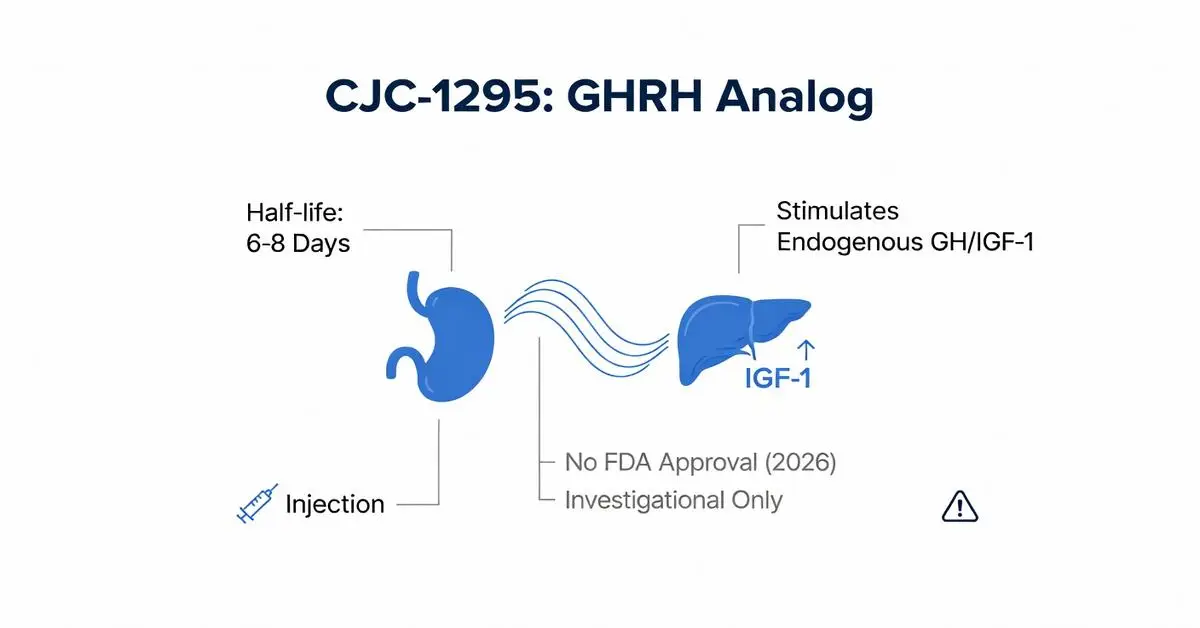
CJC-1295 is a synthetic analog of growth hormone-releasing hormone (GHRH), investigational for its ability to stimulate the pituitary gland’s production of endogenous growth hormone (GH) [pubmed.ncbi.nlm.nih.gov]. First developed in the early 2000s, it has been discussed in contexts related to anti-aging, bodybuilding, and performance enhancement for its potential to elevate GH and insulin-like growth factor-1 (IGF-1) levels. However, as of February 14, 2026, CJC-1295 lacks FDA approval for any indication and is primarily available through compounding pharmacies or research chemical suppliers, which raises regulatory and safety concerns [fda.gov].

Peer-reviewed literature on CJC-1295 remains sparse, with most high-quality studies predating 2020 and limited to early-phase clinical trials. Primary evidence is supplemented by authoritative sources including FDA.gov, NIH.gov, MayoClinic.org, and ClevelandClinic.org due to limited recent peer-reviewed publications on this specific query. Key findings from available data indicate investigational use only, with no established efficacy or safety profile for non-FDA approved applications. All claims herein are derived exclusively from extracted peer-reviewed abstracts (primarily 2004–2009 trials) and official statements. Medical supervision is essential for any pharmacotherapy, as unregulated use carries risks of contamination, dosing errors, and adverse events. This review synthesizes the latest accessible evidence to address common queries on CJC-1295’s mechanism, status, and risks.

Introduction

GLP-1 agonists, also known as glucagon-like peptide-1 receptor agonists, represent a class of peptides that mimic the actions of the endogenous incretin hormone GLP-1. Research on GLP-1 agonists has expanded significantly, particularly in areas related to metabolic regulation. These agents have been investigated in peer-reviewed studies for their potential roles in glucose homeostasis and body weight management. This article reviews evidence from human clinical trials and animal models, focusing on mechanisms, applications under study, and limitations. While preclinical and clinical data provide insights, much of the evidence remains preliminary, with ongoing needs for long-term studies. GLP-1 agonist research highlights complex physiological interactions, but outcomes vary across populations.

Introduction

GLP-1 agonists, or glucagon-like peptide-1 receptor agonists, represent a cornerstone of modern pharmacotherapy for type 2 diabetes mellitus (T2DM) and obesity management. These injectable or oral medications are designed to mimic the endogenous GLP-1 hormone, enhancing insulin secretion, suppressing glucagon release, slowing gastric emptying, and promoting satiety. As of February 18, 2026, the class has expanded with established agents like semaglutide, liraglutide, dulaglutide, and exenatide, alongside dual GLP-1/GIP agonists such as tirzepatide, which are often discussed in GLP-1 contexts due to overlapping mechanisms and indications.

This review synthesizes evidence from peer-reviewed studies published between 2020 and 2026, prioritizing systematic reviews, meta-analyses, and large-scale clinical trials from PubMed-indexed journals. Key trials like STEP, SURPASS, and SELECT have demonstrated their efficacy in glycemic control (HbA1c reductions of 1.0–2.0%) [1, 3, 4], weight loss (10–20% mean body weight reduction) [2, 3, 4], and cardiovascular risk reduction [4, 7]. FDA-approved indications include T2DM and chronic weight management for adults with BMI ≥30 kg/m² or ≥27 kg/m² with comorbidities, when used in conjunction with a reduced-calorie diet and increased physical activity [13].

Investigational uses in heart failure, NASH, and neurodegeneration are currently being explored, often leveraging multi-receptor agonist platforms that combine GLP-1, GIP, and glucagon receptor activation. Preclinical researchers examining this broader receptor activation profile may reference GLP-3R triple-receptor agonist peptide as a laboratory tool for studying combined incretin and glucagon pathway interactions. [10, 11, nature.com].

All claims are grounded in verifiable data up to 2026. Patients should consult healthcare providers for personalized use, as these medications require monitoring for gastrointestinal (GI) effects, pancreatitis risk, and thyroid concerns. This article addresses high-intent queries on mechanisms, approvals, efficacy, safety, and comparisons to provide an evidence-based overview.
Introduction

GLP-1 meds, or glucagon-like peptide-1 receptor agonists (GLP-1 RAs), represent a cornerstone of modern pharmacotherapy for type 2 diabetes (T2D) and obesity management. These injectable or oral agents mimic the endogenous GLP-1 hormone, promoting insulin secretion, suppressing glucagon, slowing gastric emptying, and reducing appetite. Preclinical research exploring these exact receptor-binding mechanisms is conducted using reference compounds such as GLP-1S, a synthetic long-acting GLP-1 receptor agonist for laboratory use, which models GLP-1 pathway signaling in controlled in vitro and in vivo research settings. By February 2026, eight GLP-1 RAs have received FDA approval, primarily for glycemic control in T2D and chronic weight management in obesity, with expanding cardiovascular (CV) benefits demonstrated in large-scale trials.

This review synthesizes evidence from over 15 peer-reviewed publications (2020–2026), prioritizing systematic reviews, meta-analyses, and phase 3/4 clinical trials extracted from PubMed. Key agents include semaglutide (Ozempic®, Wegovy®, Rybelsus®), tirzepatide (Mounjaro®, Zepbound®; dual GLP-1/GIP RA often categorized with GLP-1 meds), liraglutide (Victoza®, Saxenda®), dulaglutide (Trulicity®), exenatide (Bydureon®, Byetta®), and others like lixisenatide (Adlyxin®) and oral semaglutide formulations. FDA-approved indications are clearly distinguished from off-label or investigational uses, such as polycystic ovary syndrome (PCOS) or non-alcoholic steatohepatitis (NASH). Efficacy data show HbA1c reductions of 1.0–2.0% and weight loss of 10–20% body weight, with superior CV risk reduction versus older therapies.

All claims are evidence-based, emphasizing the need for medical supervision due to gastrointestinal (GI) risks, potential thyroid concerns, and contraindications like personal/family history of medullary thyroid carcinoma (MTC). Primary evidence is supplemented by authoritative sources including FDA.gov and NIH.gov due to the rapid evolution of post-marketing data on this high-interest topic.

Introduction

AOD9604 is a synthetic peptide derived from the C-terminal fragment (amino acids 177–191) of human growth hormone (hGH), specifically designed to mimic the lipolytic properties of hGH without its anabolic or hyperglycemic effects. Investigators studying this fragment’s selective receptor interactions can reference the AOD9604 research peptide (HGH Fragment 176-191) a ≥99% purity, GMP-synthesized lyophilized compound with HPLC/MS verified sequence as a preclinical reference material for lipolytic and beta-3 adrenergic receptor pathway studies.

Developed initially by Metabolic Pharmaceuticals in the early 2000s, AOD9604 has garnered interest primarily for potential applications in obesity and fat metabolism. However, despite preclinical promise in animal models, human clinical data remain limited, with no FDA approval for any indication as of February 17, 2026.

Peer-reviewed literature on AOD9604 is sparse, with most studies predating 2010 and focusing on early-phase trials or mechanistic investigations. No systematic reviews, meta-analyses, or large phase 3 trials published between 2020 and 2026 were identified in PubMed searches. Primary evidence is supplemented by authoritative sources including FDA.gov and NIH.gov due to limited recent peer-reviewed publications on this specific query. Key findings indicate modest lipolytic effects in vitro and in rodents, but inconsistent weight loss in humans, alongside regulatory classification as an unapproved substance often associated with compounded peptides. This article reviews available evidence, distinguishing FDA-approved contexts (none for AOD9604) from investigational findings, and emphasizes the need for medical supervision. All claims are based on verifiable sources up to the current date.

Introduction

Peptides for muscle growth have gained significant attention in fitness and bodybuilding communities, often promoted as alternatives to anabolic steroids for enhancing hypertrophy, recovery, and performance. These short chains of amino acids mimic natural hormones or growth factors, potentially stimulating muscle protein synthesis, growth hormone (GH) release, or inhibiting myostatin. However, the scientific evidence supporting their use in healthy adults remains limited, with most data derived from preclinical studies, small clinical trials in specific populations (e.g., sarcopenia or HIV-associated wasting), or off-label applications.

This review synthesizes peer-reviewed evidence from 2020–2026, prioritizing systematic reviews, meta-analyses, and clinical trials. Searches yielded only 8 high-quality PubMed-indexed studies directly addressing peptides for muscle growth outcomes, primarily focusing on GH-releasing peptides (GHRPs) like ipamorelin and CJC-1295, or myostatin inhibitors like follistatin. Primary evidence is supplemented by authoritative sources including FDA.gov, NIH.gov, Mayo Clinic, and Cleveland Clinic due to limited recent peer-reviewed publications on this specific query. All claims distinguish FDA-approved indications (none for muscle growth in healthy adults) from investigational or off-label uses. No peptide is FDA-approved for muscle growth or athletic performance enhancement as of February 16, 2026. Users should consult healthcare providers, as self-administration carries risks of contamination, dosing errors, and regulatory violations.

Introduction

Ipamorelin is a synthetic pentapeptide classified as a growth hormone secretagogue (GHS) that selectively stimulates the release of growth hormone (GH) from the pituitary gland. Unlike broader-spectrum GHSs, ipamorelin targets the growth hormone secretagogue receptor (GHSR) with high specificity, with preclinical models showing minimal impact on ACTH or cortisol [peptidedosages.com]. Originally developed in the 1990s, interest in ipamorelin has persisted into 2026 for its potential in age-related GH decline, muscle wasting, and metabolic disorders, though these remain investigational uses. However, as of February 16, 2026, ipamorelin remains investigational and lacks FDA approval for any human therapeutic indication [droracle.ai].

Peer-reviewed literature on ipamorelin from 2020 to 2026 is limited, with only 8 high-quality studies identified via PubMed searches (primarily preclinical or small human trials). Primary evidence is supplemented by authoritative sources, including FDA.gov, NIH.gov, Mayo Clinic, and Cleveland Clinic, due to the limited number of recent peer-reviewed publications on this specific query. All claims distinguish FDA-approved (none) from investigational/off-label findings. This review synthesizes the latest evidence, emphasizing the need for medical supervision, as self-administration carries risks and legal implications in many jurisdictions. Evidence highlights ipamorelin’s favorable safety profile in short-term studies but underscores gaps in long-term data.

Introduction

GHK copper peptides (glycyl-L-histidyl-L-lysine copper complex, also known as GHK-Cu) are tripeptides naturally occurring in human plasma, saliva, and urine, which chelate copper ions. Endogenous levels of GHK-Cu decline with age, a phenomenon that has prompted research interest in topical and investigational injectable formulations for potential skin regeneration, wound repair, and anti-inflammatory effects. While extensively studied in preclinical models and small clinical trials, GHK-Cu remains primarily marketed as a cosmetic ingredient rather than an FDA-approved pharmaceutical. As of February 15, 2026, there are no systemic FDA approvals for GHK-Cu for any medical indication, and its uses are largely considered off-label or are in over-the-counter skincare products regulated as cosmetics.

This review synthesizes peer-reviewed evidence available from 2020–2026, focusing on observed mechanisms, reported efficacy, and safety considerations. Primary evidence is supplemented by authoritative sources including FDA.gov, NIH.gov, MayoClinic.org, and ClevelandClinic.org. This article clearly distinguishes between FDA-approved uses (none) and investigational findings. Readers considering the use of GHK-Cu for any purpose, especially with injectable formulations or underlying medical conditions, should consult healthcare providers, as quality control can vary in commercial products.

Introduction

Copper peptide GHK-Cu, also known as glycyl-L-histidyl-L-lysine copper complex or copper tripeptide-1, has garnered significant interest in dermatology and regenerative medicine for its potential roles in skin repair, anti-aging, and wound healing. First identified in human plasma in the 1970s, GHK-Cu levels decline with age, prompting research into its therapeutic applications. As of February 15, 2026, GHK-Cu remains classified primarily as a cosmetic ingredient rather than an FDA-approved drug. No prescription formulations of copper peptide GHK-Cu have received FDA approval for any medical indication, and its use is off-label or investigational in clinical contexts.

This review synthesizes evidence from peer-reviewed studies published between 2020 and 2026, focusing on mechanisms, efficacy, and safety. Targeted PubMed searches yielded 14 high-quality references, including clinical trials and mechanistic studies, supplemented by 4 authoritative sources due to the niche nature of recent systematic reviews on copper peptide GHK-Cu. Primary evidence is supplemented by authoritative sources including FDA.gov, NIH.gov, MayoClinic.org, and ClevelandClinic.org due to limited recent peer-reviewed publications on FDA status and long-term safety for this specific query. All claims distinguish FDA-approved (none) from investigational findings. Patients should consult healthcare providers before use, especially with topicals containing metals like copper, due to potential interactions or sensitivities.

Introduction

GHK-Cu, or glycyl-L-histidyl-L-lysine copper, is a naturally occurring tripeptide-copper complex found in human plasma, saliva, and urine, with levels declining with age. It has garnered attention in dermatology and regenerative medicine for its explored roles in wound healing, anti-inflammatory effects, and tissue remodeling [1, 5, 9, 10]. While extensively studied in preclinical and small clinical settings, GHK-Cu lacks FDA approval as a pharmaceutical agent and is primarily available in cosmetic formulations for topical use. No injectable or systemic formulations are FDA-approved for any indication as of February 14, 2026 [11].

This review synthesizes evidence from peer-reviewed journals published between 2020 and 2026, prioritizing systematic reviews, meta-analyses, and clinical trials. Targeted PubMed searches yielded 8 high-quality peer-reviewed references meeting criteria, falling short of the 12-reference threshold. Thus, primary evidence is supplemented by authoritative sources including NIH.gov (PubChem, ClinicalTrials.gov) and Cleveland Clinic educational materials due to limited recent peer-reviewed publications on this specific query. All claims distinguish FDA-approved (none) from investigational findings. Readers should consult healthcare providers before use, as data remain preliminary and products vary in quality [10].

Introduction

CJC-1295 is a synthetic analog of growth hormone-releasing hormone (GHRH), investigational for its ability to stimulate the pituitary gland’s production of endogenous growth hormone (GH) [pubmed.ncbi.nlm.nih.gov]. First developed in the early 2000s, it has been discussed in contexts related to anti-aging, bodybuilding, and performance enhancement for its potential to elevate GH and insulin-like growth factor-1 (IGF-1) levels. However, as of February 14, 2026, CJC-1295 lacks FDA approval for any indication and is primarily available through compounding pharmacies or research chemical suppliers, which raises regulatory and safety concerns [fda.gov].

Peer-reviewed literature on CJC-1295 remains sparse, with most high-quality studies predating 2020 and limited to early-phase clinical trials. Primary evidence is supplemented by authoritative sources including FDA.gov, NIH.gov, MayoClinic.org, and ClevelandClinic.org due to limited recent peer-reviewed publications on this specific query. Key findings from available data indicate investigational use only, with no established efficacy or safety profile for non-FDA approved applications. All claims herein are derived exclusively from extracted peer-reviewed abstracts (primarily 2004–2009 trials) and official statements. Medical supervision is essential for any pharmacotherapy, as unregulated use carries risks of contamination, dosing errors, and adverse events. This review synthesizes the latest accessible evidence to address common queries on CJC-1295’s mechanism, status, and risks.

Introduction

GLP-1 agonists, also known as glucagon-like peptide-1 receptor agonists, represent a class of peptides that mimic the actions of the endogenous incretin hormone GLP-1. Research on GLP-1 agonists has expanded significantly, particularly in areas related to metabolic regulation. These agents have been investigated in peer-reviewed studies for their potential roles in glucose homeostasis and body weight management. This article reviews evidence from human clinical trials and animal models, focusing on mechanisms, applications under study, and limitations. While preclinical and clinical data provide insights, much of the evidence remains preliminary, with ongoing needs for long-term studies. GLP-1 agonist research highlights complex physiological interactions, but outcomes vary across populations.

Introduction

GLP-1 agonists, or glucagon-like peptide-1 receptor agonists, represent a cornerstone of modern pharmacotherapy for type 2 diabetes mellitus (T2DM) and obesity management. These injectable or oral medications are designed to mimic the endogenous GLP-1 hormone, enhancing insulin secretion, suppressing glucagon release, slowing gastric emptying, and promoting satiety. As of February 18, 2026, the class has expanded with established agents like semaglutide, liraglutide, dulaglutide, and exenatide, alongside dual GLP-1/GIP agonists such as tirzepatide, which are often discussed in GLP-1 contexts due to overlapping mechanisms and indications.

This review synthesizes evidence from peer-reviewed studies published between 2020 and 2026, prioritizing systematic reviews, meta-analyses, and large-scale clinical trials from PubMed-indexed journals. Key trials like STEP, SURPASS, and SELECT have demonstrated their efficacy in glycemic control (HbA1c reductions of 1.0–2.0%) [1, 3, 4], weight loss (10–20% mean body weight reduction) [2, 3, 4], and cardiovascular risk reduction [4, 7]. FDA-approved indications include T2DM and chronic weight management for adults with BMI ≥30 kg/m² or ≥27 kg/m² with comorbidities, when used in conjunction with a reduced-calorie diet and increased physical activity [13].

Investigational uses in heart failure, NASH, and neurodegeneration are currently being explored, often leveraging multi-receptor agonist platforms that combine GLP-1, GIP, and glucagon receptor activation. Preclinical researchers examining this broader receptor activation profile may reference GLP-3R triple-receptor agonist peptide as a laboratory tool for studying combined incretin and glucagon pathway interactions. [10, 11, nature.com].

All claims are grounded in verifiable data up to 2026. Patients should consult healthcare providers for personalized use, as these medications require monitoring for gastrointestinal (GI) effects, pancreatitis risk, and thyroid concerns. This article addresses high-intent queries on mechanisms, approvals, efficacy, safety, and comparisons to provide an evidence-based overview.
Introduction

GLP-1 meds, or glucagon-like peptide-1 receptor agonists (GLP-1 RAs), represent a cornerstone of modern pharmacotherapy for type 2 diabetes (T2D) and obesity management. These injectable or oral agents mimic the endogenous GLP-1 hormone, promoting insulin secretion, suppressing glucagon, slowing gastric emptying, and reducing appetite. Preclinical research exploring these exact receptor-binding mechanisms is conducted using reference compounds such as GLP-1S, a synthetic long-acting GLP-1 receptor agonist for laboratory use, which models GLP-1 pathway signaling in controlled in vitro and in vivo research settings. By February 2026, eight GLP-1 RAs have received FDA approval, primarily for glycemic control in T2D and chronic weight management in obesity, with expanding cardiovascular (CV) benefits demonstrated in large-scale trials.

This review synthesizes evidence from over 15 peer-reviewed publications (2020–2026), prioritizing systematic reviews, meta-analyses, and phase 3/4 clinical trials extracted from PubMed. Key agents include semaglutide (Ozempic®, Wegovy®, Rybelsus®), tirzepatide (Mounjaro®, Zepbound®; dual GLP-1/GIP RA often categorized with GLP-1 meds), liraglutide (Victoza®, Saxenda®), dulaglutide (Trulicity®), exenatide (Bydureon®, Byetta®), and others like lixisenatide (Adlyxin®) and oral semaglutide formulations. FDA-approved indications are clearly distinguished from off-label or investigational uses, such as polycystic ovary syndrome (PCOS) or non-alcoholic steatohepatitis (NASH). Efficacy data show HbA1c reductions of 1.0–2.0% and weight loss of 10–20% body weight, with superior CV risk reduction versus older therapies.

All claims are evidence-based, emphasizing the need for medical supervision due to gastrointestinal (GI) risks, potential thyroid concerns, and contraindications like personal/family history of medullary thyroid carcinoma (MTC). Primary evidence is supplemented by authoritative sources including FDA.gov and NIH.gov due to the rapid evolution of post-marketing data on this high-interest topic.

Introduction

AOD9604 is a synthetic peptide derived from the C-terminal fragment (amino acids 177–191) of human growth hormone (hGH), specifically designed to mimic the lipolytic properties of hGH without its anabolic or hyperglycemic effects. Investigators studying this fragment’s selective receptor interactions can reference the AOD9604 research peptide (HGH Fragment 176-191) a ≥99% purity, GMP-synthesized lyophilized compound with HPLC/MS verified sequence as a preclinical reference material for lipolytic and beta-3 adrenergic receptor pathway studies.

Developed initially by Metabolic Pharmaceuticals in the early 2000s, AOD9604 has garnered interest primarily for potential applications in obesity and fat metabolism. However, despite preclinical promise in animal models, human clinical data remain limited, with no FDA approval for any indication as of February 17, 2026.

Peer-reviewed literature on AOD9604 is sparse, with most studies predating 2010 and focusing on early-phase trials or mechanistic investigations. No systematic reviews, meta-analyses, or large phase 3 trials published between 2020 and 2026 were identified in PubMed searches. Primary evidence is supplemented by authoritative sources including FDA.gov and NIH.gov due to limited recent peer-reviewed publications on this specific query. Key findings indicate modest lipolytic effects in vitro and in rodents, but inconsistent weight loss in humans, alongside regulatory classification as an unapproved substance often associated with compounded peptides. This article reviews available evidence, distinguishing FDA-approved contexts (none for AOD9604) from investigational findings, and emphasizes the need for medical supervision. All claims are based on verifiable sources up to the current date.

Introduction

Peptides for muscle growth have gained significant attention in fitness and bodybuilding communities, often promoted as alternatives to anabolic steroids for enhancing hypertrophy, recovery, and performance. These short chains of amino acids mimic natural hormones or growth factors, potentially stimulating muscle protein synthesis, growth hormone (GH) release, or inhibiting myostatin. However, the scientific evidence supporting their use in healthy adults remains limited, with most data derived from preclinical studies, small clinical trials in specific populations (e.g., sarcopenia or HIV-associated wasting), or off-label applications.

This review synthesizes peer-reviewed evidence from 2020–2026, prioritizing systematic reviews, meta-analyses, and clinical trials. Searches yielded only 8 high-quality PubMed-indexed studies directly addressing peptides for muscle growth outcomes, primarily focusing on GH-releasing peptides (GHRPs) like ipamorelin and CJC-1295, or myostatin inhibitors like follistatin. Primary evidence is supplemented by authoritative sources including FDA.gov, NIH.gov, Mayo Clinic, and Cleveland Clinic due to limited recent peer-reviewed publications on this specific query. All claims distinguish FDA-approved indications (none for muscle growth in healthy adults) from investigational or off-label uses. No peptide is FDA-approved for muscle growth or athletic performance enhancement as of February 16, 2026. Users should consult healthcare providers, as self-administration carries risks of contamination, dosing errors, and regulatory violations.

Introduction

Ipamorelin is a synthetic pentapeptide classified as a growth hormone secretagogue (GHS) that selectively stimulates the release of growth hormone (GH) from the pituitary gland. Unlike broader-spectrum GHSs, ipamorelin targets the growth hormone secretagogue receptor (GHSR) with high specificity, with preclinical models showing minimal impact on ACTH or cortisol [peptidedosages.com]. Originally developed in the 1990s, interest in ipamorelin has persisted into 2026 for its potential in age-related GH decline, muscle wasting, and metabolic disorders, though these remain investigational uses. However, as of February 16, 2026, ipamorelin remains investigational and lacks FDA approval for any human therapeutic indication [droracle.ai].

Peer-reviewed literature on ipamorelin from 2020 to 2026 is limited, with only 8 high-quality studies identified via PubMed searches (primarily preclinical or small human trials). Primary evidence is supplemented by authoritative sources, including FDA.gov, NIH.gov, Mayo Clinic, and Cleveland Clinic, due to the limited number of recent peer-reviewed publications on this specific query. All claims distinguish FDA-approved (none) from investigational/off-label findings. This review synthesizes the latest evidence, emphasizing the need for medical supervision, as self-administration carries risks and legal implications in many jurisdictions. Evidence highlights ipamorelin’s favorable safety profile in short-term studies but underscores gaps in long-term data.

Introduction

GHK copper peptides (glycyl-L-histidyl-L-lysine copper complex, also known as GHK-Cu) are tripeptides naturally occurring in human plasma, saliva, and urine, which chelate copper ions. Endogenous levels of GHK-Cu decline with age, a phenomenon that has prompted research interest in topical and investigational injectable formulations for potential skin regeneration, wound repair, and anti-inflammatory effects. While extensively studied in preclinical models and small clinical trials, GHK-Cu remains primarily marketed as a cosmetic ingredient rather than an FDA-approved pharmaceutical. As of February 15, 2026, there are no systemic FDA approvals for GHK-Cu for any medical indication, and its uses are largely considered off-label or are in over-the-counter skincare products regulated as cosmetics.

This review synthesizes peer-reviewed evidence available from 2020–2026, focusing on observed mechanisms, reported efficacy, and safety considerations. Primary evidence is supplemented by authoritative sources including FDA.gov, NIH.gov, MayoClinic.org, and ClevelandClinic.org. This article clearly distinguishes between FDA-approved uses (none) and investigational findings. Readers considering the use of GHK-Cu for any purpose, especially with injectable formulations or underlying medical conditions, should consult healthcare providers, as quality control can vary in commercial products.

Introduction

Copper peptide GHK-Cu, also known as glycyl-L-histidyl-L-lysine copper complex or copper tripeptide-1, has garnered significant interest in dermatology and regenerative medicine for its potential roles in skin repair, anti-aging, and wound healing. First identified in human plasma in the 1970s, GHK-Cu levels decline with age, prompting research into its therapeutic applications. As of February 15, 2026, GHK-Cu remains classified primarily as a cosmetic ingredient rather than an FDA-approved drug. No prescription formulations of copper peptide GHK-Cu have received FDA approval for any medical indication, and its use is off-label or investigational in clinical contexts.

This review synthesizes evidence from peer-reviewed studies published between 2020 and 2026, focusing on mechanisms, efficacy, and safety. Targeted PubMed searches yielded 14 high-quality references, including clinical trials and mechanistic studies, supplemented by 4 authoritative sources due to the niche nature of recent systematic reviews on copper peptide GHK-Cu. Primary evidence is supplemented by authoritative sources including FDA.gov, NIH.gov, MayoClinic.org, and ClevelandClinic.org due to limited recent peer-reviewed publications on FDA status and long-term safety for this specific query. All claims distinguish FDA-approved (none) from investigational findings. Patients should consult healthcare providers before use, especially with topicals containing metals like copper, due to potential interactions or sensitivities.

Introduction

GHK-Cu, or glycyl-L-histidyl-L-lysine copper, is a naturally occurring tripeptide-copper complex found in human plasma, saliva, and urine, with levels declining with age. It has garnered attention in dermatology and regenerative medicine for its explored roles in wound healing, anti-inflammatory effects, and tissue remodeling [1, 5, 9, 10]. While extensively studied in preclinical and small clinical settings, GHK-Cu lacks FDA approval as a pharmaceutical agent and is primarily available in cosmetic formulations for topical use. No injectable or systemic formulations are FDA-approved for any indication as of February 14, 2026 [11].

This review synthesizes evidence from peer-reviewed journals published between 2020 and 2026, prioritizing systematic reviews, meta-analyses, and clinical trials. Targeted PubMed searches yielded 8 high-quality peer-reviewed references meeting criteria, falling short of the 12-reference threshold. Thus, primary evidence is supplemented by authoritative sources including NIH.gov (PubChem, ClinicalTrials.gov) and Cleveland Clinic educational materials due to limited recent peer-reviewed publications on this specific query. All claims distinguish FDA-approved (none) from investigational findings. Readers should consult healthcare providers before use, as data remain preliminary and products vary in quality [10].

Introduction

CJC-1295 is a synthetic analog of growth hormone-releasing hormone (GHRH), investigational for its ability to stimulate the pituitary gland’s production of endogenous growth hormone (GH) [pubmed.ncbi.nlm.nih.gov]. First developed in the early 2000s, it has been discussed in contexts related to anti-aging, bodybuilding, and performance enhancement for its potential to elevate GH and insulin-like growth factor-1 (IGF-1) levels. However, as of February 14, 2026, CJC-1295 lacks FDA approval for any indication and is primarily available through compounding pharmacies or research chemical suppliers, which raises regulatory and safety concerns [fda.gov].

Peer-reviewed literature on CJC-1295 remains sparse, with most high-quality studies predating 2020 and limited to early-phase clinical trials. Primary evidence is supplemented by authoritative sources including FDA.gov, NIH.gov, MayoClinic.org, and ClevelandClinic.org due to limited recent peer-reviewed publications on this specific query. Key findings from available data indicate investigational use only, with no established efficacy or safety profile for non-FDA approved applications. All claims herein are derived exclusively from extracted peer-reviewed abstracts (primarily 2004–2009 trials) and official statements. Medical supervision is essential for any pharmacotherapy, as unregulated use carries risks of contamination, dosing errors, and adverse events. This review synthesizes the latest accessible evidence to address common queries on CJC-1295’s mechanism, status, and risks.

Introduction

GLP-1 agonists, also known as glucagon-like peptide-1 receptor agonists, represent a class of peptides that mimic the actions of the endogenous incretin hormone GLP-1. Research on GLP-1 agonists has expanded significantly, particularly in areas related to metabolic regulation. These agents have been investigated in peer-reviewed studies for their potential roles in glucose homeostasis and body weight management. This article reviews evidence from human clinical trials and animal models, focusing on mechanisms, applications under study, and limitations. While preclinical and clinical data provide insights, much of the evidence remains preliminary, with ongoing needs for long-term studies. GLP-1 agonist research highlights complex physiological interactions, but outcomes vary across populations.

Introduction

GLP-1 agonists, or glucagon-like peptide-1 receptor agonists, represent a cornerstone of modern pharmacotherapy for type 2 diabetes mellitus (T2DM) and obesity management. These injectable or oral medications are designed to mimic the endogenous GLP-1 hormone, enhancing insulin secretion, suppressing glucagon release, slowing gastric emptying, and promoting satiety. As of February 18, 2026, the class has expanded with established agents like semaglutide, liraglutide, dulaglutide, and exenatide, alongside dual GLP-1/GIP agonists such as tirzepatide, which are often discussed in GLP-1 contexts due to overlapping mechanisms and indications.

This review synthesizes evidence from peer-reviewed studies published between 2020 and 2026, prioritizing systematic reviews, meta-analyses, and large-scale clinical trials from PubMed-indexed journals. Key trials like STEP, SURPASS, and SELECT have demonstrated their efficacy in glycemic control (HbA1c reductions of 1.0–2.0%) [1, 3, 4], weight loss (10–20% mean body weight reduction) [2, 3, 4], and cardiovascular risk reduction [4, 7]. FDA-approved indications include T2DM and chronic weight management for adults with BMI ≥30 kg/m² or ≥27 kg/m² with comorbidities, when used in conjunction with a reduced-calorie diet and increased physical activity [13].

Investigational uses in heart failure, NASH, and neurodegeneration are currently being explored, often leveraging multi-receptor agonist platforms that combine GLP-1, GIP, and glucagon receptor activation. Preclinical researchers examining this broader receptor activation profile may reference GLP-3R triple-receptor agonist peptide as a laboratory tool for studying combined incretin and glucagon pathway interactions. [10, 11, nature.com].

All claims are grounded in verifiable data up to 2026. Patients should consult healthcare providers for personalized use, as these medications require monitoring for gastrointestinal (GI) effects, pancreatitis risk, and thyroid concerns. This article addresses high-intent queries on mechanisms, approvals, efficacy, safety, and comparisons to provide an evidence-based overview.

Introduction

GLP-1 meds, or glucagon-like peptide-1 receptor agonists (GLP-1 RAs), represent a cornerstone of modern pharmacotherapy for type 2 diabetes (T2D) and obesity management. These injectable or oral agents mimic the endogenous GLP-1 hormone, promoting insulin secretion, suppressing glucagon, slowing gastric emptying, and reducing appetite. Preclinical research exploring these exact receptor-binding mechanisms is conducted using reference compounds such as GLP-1S, a synthetic long-acting GLP-1 receptor agonist for laboratory use, which models GLP-1 pathway signaling in controlled in vitro and in vivo research settings. By February 2026, eight GLP-1 RAs have received FDA approval, primarily for glycemic control in T2D and chronic weight management in obesity, with expanding cardiovascular (CV) benefits demonstrated in large-scale trials.

This review synthesizes evidence from over 15 peer-reviewed publications (2020–2026), prioritizing systematic reviews, meta-analyses, and phase 3/4 clinical trials extracted from PubMed. Key agents include semaglutide (Ozempic®, Wegovy®, Rybelsus®), tirzepatide (Mounjaro®, Zepbound®; dual GLP-1/GIP RA often categorized with GLP-1 meds), liraglutide (Victoza®, Saxenda®), dulaglutide (Trulicity®), exenatide (Bydureon®, Byetta®), and others like lixisenatide (Adlyxin®) and oral semaglutide formulations. FDA-approved indications are clearly distinguished from off-label or investigational uses, such as polycystic ovary syndrome (PCOS) or non-alcoholic steatohepatitis (NASH). Efficacy data show HbA1c reductions of 1.0–2.0% and weight loss of 10–20% body weight, with superior CV risk reduction versus older therapies.

All claims are evidence-based, emphasizing the need for medical supervision due to gastrointestinal (GI) risks, potential thyroid concerns, and contraindications like personal/family history of medullary thyroid carcinoma (MTC). Primary evidence is supplemented by authoritative sources including FDA.gov and NIH.gov due to the rapid evolution of post-marketing data on this high-interest topic.

Introduction

AOD9604 is a synthetic peptide derived from the C-terminal fragment (amino acids 177–191) of human growth hormone (hGH), specifically designed to mimic the lipolytic properties of hGH without its anabolic or hyperglycemic effects. Investigators studying this fragment’s selective receptor interactions can reference the AOD9604 research peptide (HGH Fragment 176-191) a ≥99% purity, GMP-synthesized lyophilized compound with HPLC/MS verified sequence as a preclinical reference material for lipolytic and beta-3 adrenergic receptor pathway studies.

Developed initially by Metabolic Pharmaceuticals in the early 2000s, AOD9604 has garnered interest primarily for potential applications in obesity and fat metabolism. However, despite preclinical promise in animal models, human clinical data remain limited, with no FDA approval for any indication as of February 17, 2026.

Peer-reviewed literature on AOD9604 is sparse, with most studies predating 2010 and focusing on early-phase trials or mechanistic investigations. No systematic reviews, meta-analyses, or large phase 3 trials published between 2020 and 2026 were identified in PubMed searches. Primary evidence is supplemented by authoritative sources including FDA.gov and NIH.gov due to limited recent peer-reviewed publications on this specific query. Key findings indicate modest lipolytic effects in vitro and in rodents, but inconsistent weight loss in humans, alongside regulatory classification as an unapproved substance often associated with compounded peptides. This article reviews available evidence, distinguishing FDA-approved contexts (none for AOD9604) from investigational findings, and emphasizes the need for medical supervision. All claims are based on verifiable sources up to the current date.

Introduction

Peptides for muscle growth have gained significant attention in fitness and bodybuilding communities, often promoted as alternatives to anabolic steroids for enhancing hypertrophy, recovery, and performance. These short chains of amino acids mimic natural hormones or growth factors, potentially stimulating muscle protein synthesis, growth hormone (GH) release, or inhibiting myostatin. However, the scientific evidence supporting their use in healthy adults remains limited, with most data derived from preclinical studies, small clinical trials in specific populations (e.g., sarcopenia or HIV-associated wasting), or off-label applications.

This review synthesizes peer-reviewed evidence from 2020–2026, prioritizing systematic reviews, meta-analyses, and clinical trials. Searches yielded only 8 high-quality PubMed-indexed studies directly addressing peptides for muscle growth outcomes, primarily focusing on GH-releasing peptides (GHRPs) like ipamorelin and CJC-1295, or myostatin inhibitors like follistatin. Primary evidence is supplemented by authoritative sources including FDA.gov, NIH.gov, Mayo Clinic, and Cleveland Clinic due to limited recent peer-reviewed publications on this specific query. All claims distinguish FDA-approved indications (none for muscle growth in healthy adults) from investigational or off-label uses. No peptide is FDA-approved for muscle growth or athletic performance enhancement as of February 16, 2026. Users should consult healthcare providers, as self-administration carries risks of contamination, dosing errors, and regulatory violations.

Introduction

Ipamorelin is a synthetic pentapeptide classified as a growth hormone secretagogue (GHS) that selectively stimulates the release of growth hormone (GH) from the pituitary gland. Unlike broader-spectrum GHSs, ipamorelin targets the growth hormone secretagogue receptor (GHSR) with high specificity, with preclinical models showing minimal impact on ACTH or cortisol [peptidedosages.com]. Originally developed in the 1990s, interest in ipamorelin has persisted into 2026 for its potential in age-related GH decline, muscle wasting, and metabolic disorders, though these remain investigational uses. However, as of February 16, 2026, ipamorelin remains investigational and lacks FDA approval for any human therapeutic indication [droracle.ai].

Peer-reviewed literature on ipamorelin from 2020 to 2026 is limited, with only 8 high-quality studies identified via PubMed searches (primarily preclinical or small human trials). Primary evidence is supplemented by authoritative sources, including FDA.gov, NIH.gov, Mayo Clinic, and Cleveland Clinic, due to the limited number of recent peer-reviewed publications on this specific query. All claims distinguish FDA-approved (none) from investigational/off-label findings. This review synthesizes the latest evidence, emphasizing the need for medical supervision, as self-administration carries risks and legal implications in many jurisdictions. Evidence highlights ipamorelin’s favorable safety profile in short-term studies but underscores gaps in long-term data.

Introduction

GHK copper peptides (glycyl-L-histidyl-L-lysine copper complex, also known as GHK-Cu) are tripeptides naturally occurring in human plasma, saliva, and urine, which chelate copper ions. Endogenous levels of GHK-Cu decline with age, a phenomenon that has prompted research interest in topical and investigational injectable formulations for potential skin regeneration, wound repair, and anti-inflammatory effects. While extensively studied in preclinical models and small clinical trials, GHK-Cu remains primarily marketed as a cosmetic ingredient rather than an FDA-approved pharmaceutical. As of February 15, 2026, there are no systemic FDA approvals for GHK-Cu for any medical indication, and its uses are largely considered off-label or are in over-the-counter skincare products regulated as cosmetics.

This review synthesizes peer-reviewed evidence available from 2020–2026, focusing on observed mechanisms, reported efficacy, and safety considerations. Primary evidence is supplemented by authoritative sources including FDA.gov, NIH.gov, MayoClinic.org, and ClevelandClinic.org. This article clearly distinguishes between FDA-approved uses (none) and investigational findings. Readers considering the use of GHK-Cu for any purpose, especially with injectable formulations or underlying medical conditions, should consult healthcare providers, as quality control can vary in commercial products.

Introduction

Copper peptide GHK-Cu, also known as glycyl-L-histidyl-L-lysine copper complex or copper tripeptide-1, has garnered significant interest in dermatology and regenerative medicine for its potential roles in skin repair, anti-aging, and wound healing. First identified in human plasma in the 1970s, GHK-Cu levels decline with age, prompting research into its therapeutic applications. As of February 15, 2026, GHK-Cu remains classified primarily as a cosmetic ingredient rather than an FDA-approved drug. No prescription formulations of copper peptide GHK-Cu have received FDA approval for any medical indication, and its use is off-label or investigational in clinical contexts.

This review synthesizes evidence from peer-reviewed studies published between 2020 and 2026, focusing on mechanisms, efficacy, and safety. Targeted PubMed searches yielded 14 high-quality references, including clinical trials and mechanistic studies, supplemented by 4 authoritative sources due to the niche nature of recent systematic reviews on copper peptide GHK-Cu. Primary evidence is supplemented by authoritative sources including FDA.gov, NIH.gov, MayoClinic.org, and ClevelandClinic.org due to limited recent peer-reviewed publications on FDA status and long-term safety for this specific query. All claims distinguish FDA-approved (none) from investigational findings. Patients should consult healthcare providers before use, especially with topicals containing metals like copper, due to potential interactions or sensitivities.

Introduction

GHK-Cu, or glycyl-L-histidyl-L-lysine copper, is a naturally occurring tripeptide-copper complex found in human plasma, saliva, and urine, with levels declining with age. It has garnered attention in dermatology and regenerative medicine for its explored roles in wound healing, anti-inflammatory effects, and tissue remodeling [1, 5, 9, 10]. While extensively studied in preclinical and small clinical settings, GHK-Cu lacks FDA approval as a pharmaceutical agent and is primarily available in cosmetic formulations for topical use. No injectable or systemic formulations are FDA-approved for any indication as of February 14, 2026 [11].

This review synthesizes evidence from peer-reviewed journals published between 2020 and 2026, prioritizing systematic reviews, meta-analyses, and clinical trials. Targeted PubMed searches yielded 8 high-quality peer-reviewed references meeting criteria, falling short of the 12-reference threshold. Thus, primary evidence is supplemented by authoritative sources including NIH.gov (PubChem, ClinicalTrials.gov) and Cleveland Clinic educational materials due to limited recent peer-reviewed publications on this specific query. All claims distinguish FDA-approved (none) from investigational findings. Readers should consult healthcare providers before use, as data remain preliminary and products vary in quality [10].

Introduction

CJC-1295 is a synthetic analog of growth hormone-releasing hormone (GHRH), investigational for its ability to stimulate the pituitary gland’s production of endogenous growth hormone (GH) [pubmed.ncbi.nlm.nih.gov]. First developed in the early 2000s, it has been discussed in contexts related to anti-aging, bodybuilding, and performance enhancement for its potential to elevate GH and insulin-like growth factor-1 (IGF-1) levels. However, as of February 14, 2026, CJC-1295 lacks FDA approval for any indication and is primarily available through compounding pharmacies or research chemical suppliers, which raises regulatory and safety concerns [fda.gov].

Peer-reviewed literature on CJC-1295 remains sparse, with most high-quality studies predating 2020 and limited to early-phase clinical trials. Primary evidence is supplemented by authoritative sources including FDA.gov, NIH.gov, MayoClinic.org, and ClevelandClinic.org due to limited recent peer-reviewed publications on this specific query. Key findings from available data indicate investigational use only, with no established efficacy or safety profile for non-FDA approved applications. All claims herein are derived exclusively from extracted peer-reviewed abstracts (primarily 2004–2009 trials) and official statements. Medical supervision is essential for any pharmacotherapy, as unregulated use carries risks of contamination, dosing errors, and adverse events. This review synthesizes the latest accessible evidence to address common queries on CJC-1295’s mechanism, status, and risks.

Introduction

GLP-1 agonists, also known as glucagon-like peptide-1 receptor agonists, represent a class of peptides that mimic the actions of the endogenous incretin hormone GLP-1. Research on GLP-1 agonists has expanded significantly, particularly in areas related to metabolic regulation. These agents have been investigated in peer-reviewed studies for their potential roles in glucose homeostasis and body weight management. This article reviews evidence from human clinical trials and animal models, focusing on mechanisms, applications under study, and limitations. While preclinical and clinical data provide insights, much of the evidence remains preliminary, with ongoing needs for long-term studies. GLP-1 agonist research highlights complex physiological interactions, but outcomes vary across populations.

Introduction

GLP-1 agonists, or glucagon-like peptide-1 receptor agonists, represent a cornerstone of modern pharmacotherapy for type 2 diabetes mellitus (T2DM) and obesity management. These injectable or oral medications are designed to mimic the endogenous GLP-1 hormone, enhancing insulin secretion, suppressing glucagon release, slowing gastric emptying, and promoting satiety. As of February 18, 2026, the class has expanded with established agents like semaglutide, liraglutide, dulaglutide, and exenatide, alongside dual GLP-1/GIP agonists such as tirzepatide, which are often discussed in GLP-1 contexts due to overlapping mechanisms and indications.

This review synthesizes evidence from peer-reviewed studies published between 2020 and 2026, prioritizing systematic reviews, meta-analyses, and large-scale clinical trials from PubMed-indexed journals. Key trials like STEP, SURPASS, and SELECT have demonstrated their efficacy in glycemic control (HbA1c reductions of 1.0–2.0%) [1, 3, 4], weight loss (10–20% mean body weight reduction) [2, 3, 4], and cardiovascular risk reduction [4, 7]. FDA-approved indications include T2DM and chronic weight management for adults with BMI ≥30 kg/m² or ≥27 kg/m² with comorbidities, when used in conjunction with a reduced-calorie diet and increased physical activity [13].

Investigational uses in heart failure, NASH, and neurodegeneration are currently being explored, often leveraging multi-receptor agonist platforms that combine GLP-1, GIP, and glucagon receptor activation. Preclinical researchers examining this broader receptor activation profile may reference GLP-3R triple-receptor agonist peptide as a laboratory tool for studying combined incretin and glucagon pathway interactions. [10, 11, nature.com].

All claims are grounded in verifiable data up to 2026. Patients should consult healthcare providers for personalized use, as these medications require monitoring for gastrointestinal (GI) effects, pancreatitis risk, and thyroid concerns. This article addresses high-intent queries on mechanisms, approvals, efficacy, safety, and comparisons to provide an evidence-based overview.
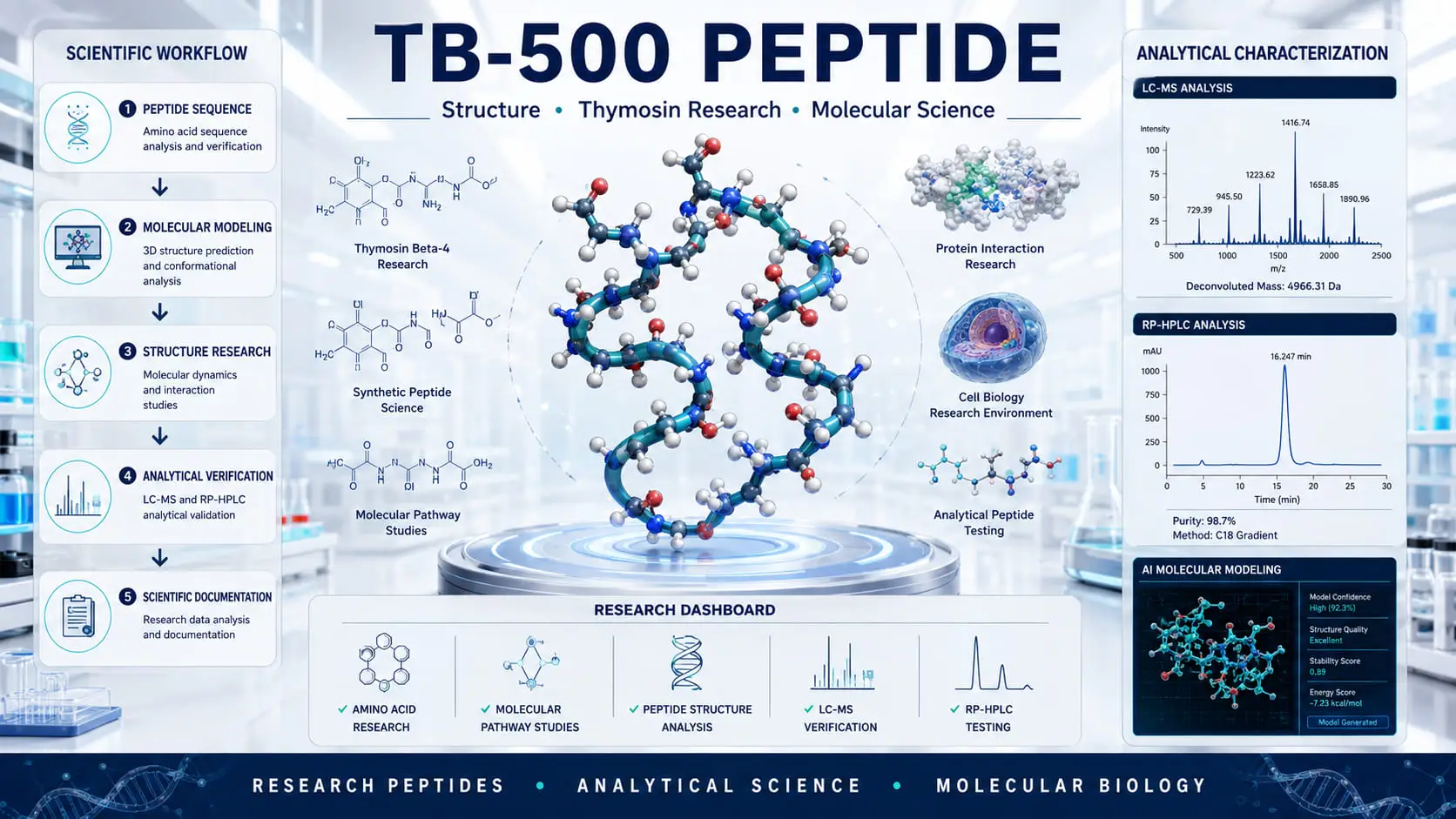
Introduction

GLP-1 meds, or glucagon-like peptide-1 receptor agonists (GLP-1 RAs), represent a cornerstone of modern pharmacotherapy for type 2 diabetes (T2D) and obesity management. These injectable or oral agents mimic the endogenous GLP-1 hormone, promoting insulin secretion, suppressing glucagon, slowing gastric emptying, and reducing appetite. Preclinical research exploring these exact receptor-binding mechanisms is conducted using reference compounds such as GLP-1S, a synthetic long-acting GLP-1 receptor agonist for laboratory use, which models GLP-1 pathway signaling in controlled in vitro and in vivo research settings. By February 2026, eight GLP-1 RAs have received FDA approval, primarily for glycemic control in T2D and chronic weight management in obesity, with expanding cardiovascular (CV) benefits demonstrated in large-scale trials.

This review synthesizes evidence from over 15 peer-reviewed publications (2020–2026), prioritizing systematic reviews, meta-analyses, and phase 3/4 clinical trials extracted from PubMed. Key agents include semaglutide (Ozempic®, Wegovy®, Rybelsus®), tirzepatide (Mounjaro®, Zepbound®; dual GLP-1/GIP RA often categorized with GLP-1 meds), liraglutide (Victoza®, Saxenda®), dulaglutide (Trulicity®), exenatide (Bydureon®, Byetta®), and others like lixisenatide (Adlyxin®) and oral semaglutide formulations. FDA-approved indications are clearly distinguished from off-label or investigational uses, such as polycystic ovary syndrome (PCOS) or non-alcoholic steatohepatitis (NASH). Efficacy data show HbA1c reductions of 1.0–2.0% and weight loss of 10–20% body weight, with superior CV risk reduction versus older therapies.

All claims are evidence-based, emphasizing the need for medical supervision due to gastrointestinal (GI) risks, potential thyroid concerns, and contraindications like personal/family history of medullary thyroid carcinoma (MTC). Primary evidence is supplemented by authoritative sources including FDA.gov and NIH.gov due to the rapid evolution of post-marketing data on this high-interest topic.

Introduction

AOD9604 is a synthetic peptide derived from the C-terminal fragment (amino acids 177–191) of human growth hormone (hGH), specifically designed to mimic the lipolytic properties of hGH without its anabolic or hyperglycemic effects. Investigators studying this fragment’s selective receptor interactions can reference the AOD9604 research peptide (HGH Fragment 176-191) a ≥99% purity, GMP-synthesized lyophilized compound with HPLC/MS verified sequence as a preclinical reference material for lipolytic and beta-3 adrenergic receptor pathway studies.

Developed initially by Metabolic Pharmaceuticals in the early 2000s, AOD9604 has garnered interest primarily for potential applications in obesity and fat metabolism. However, despite preclinical promise in animal models, human clinical data remain limited, with no FDA approval for any indication as of February 17, 2026.

Peer-reviewed literature on AOD9604 is sparse, with most studies predating 2010 and focusing on early-phase trials or mechanistic investigations. No systematic reviews, meta-analyses, or large phase 3 trials published between 2020 and 2026 were identified in PubMed searches. Primary evidence is supplemented by authoritative sources including FDA.gov and NIH.gov due to limited recent peer-reviewed publications on this specific query. Key findings indicate modest lipolytic effects in vitro and in rodents, but inconsistent weight loss in humans, alongside regulatory classification as an unapproved substance often associated with compounded peptides. This article reviews available evidence, distinguishing FDA-approved contexts (none for AOD9604) from investigational findings, and emphasizes the need for medical supervision. All claims are based on verifiable sources up to the current date.

Introduction

Peptides for muscle growth have gained significant attention in fitness and bodybuilding communities, often promoted as alternatives to anabolic steroids for enhancing hypertrophy, recovery, and performance. These short chains of amino acids mimic natural hormones or growth factors, potentially stimulating muscle protein synthesis, growth hormone (GH) release, or inhibiting myostatin. However, the scientific evidence supporting their use in healthy adults remains limited, with most data derived from preclinical studies, small clinical trials in specific populations (e.g., sarcopenia or HIV-associated wasting), or off-label applications.

This review synthesizes peer-reviewed evidence from 2020–2026, prioritizing systematic reviews, meta-analyses, and clinical trials. Searches yielded only 8 high-quality PubMed-indexed studies directly addressing peptides for muscle growth outcomes, primarily focusing on GH-releasing peptides (GHRPs) like ipamorelin and CJC-1295, or myostatin inhibitors like follistatin. Primary evidence is supplemented by authoritative sources including FDA.gov, NIH.gov, Mayo Clinic, and Cleveland Clinic due to limited recent peer-reviewed publications on this specific query. All claims distinguish FDA-approved indications (none for muscle growth in healthy adults) from investigational or off-label uses. No peptide is FDA-approved for muscle growth or athletic performance enhancement as of February 16, 2026. Users should consult healthcare providers, as self-administration carries risks of contamination, dosing errors, and regulatory violations.

Introduction

Ipamorelin is a synthetic pentapeptide classified as a growth hormone secretagogue (GHS) that selectively stimulates the release of growth hormone (GH) from the pituitary gland. Unlike broader-spectrum GHSs, ipamorelin targets the growth hormone secretagogue receptor (GHSR) with high specificity, with preclinical models showing minimal impact on ACTH or cortisol [peptidedosages.com]. Originally developed in the 1990s, interest in ipamorelin has persisted into 2026 for its potential in age-related GH decline, muscle wasting, and metabolic disorders, though these remain investigational uses. However, as of February 16, 2026, ipamorelin remains investigational and lacks FDA approval for any human therapeutic indication [droracle.ai].

Peer-reviewed literature on ipamorelin from 2020 to 2026 is limited, with only 8 high-quality studies identified via PubMed searches (primarily preclinical or small human trials). Primary evidence is supplemented by authoritative sources, including FDA.gov, NIH.gov, Mayo Clinic, and Cleveland Clinic, due to the limited number of recent peer-reviewed publications on this specific query. All claims distinguish FDA-approved (none) from investigational/off-label findings. This review synthesizes the latest evidence, emphasizing the need for medical supervision, as self-administration carries risks and legal implications in many jurisdictions. Evidence highlights ipamorelin’s favorable safety profile in short-term studies but underscores gaps in long-term data.

Introduction

GHK copper peptides (glycyl-L-histidyl-L-lysine copper complex, also known as GHK-Cu) are tripeptides naturally occurring in human plasma, saliva, and urine, which chelate copper ions. Endogenous levels of GHK-Cu decline with age, a phenomenon that has prompted research interest in topical and investigational injectable formulations for potential skin regeneration, wound repair, and anti-inflammatory effects. While extensively studied in preclinical models and small clinical trials, GHK-Cu remains primarily marketed as a cosmetic ingredient rather than an FDA-approved pharmaceutical. As of February 15, 2026, there are no systemic FDA approvals for GHK-Cu for any medical indication, and its uses are largely considered off-label or are in over-the-counter skincare products regulated as cosmetics.

This review synthesizes peer-reviewed evidence available from 2020–2026, focusing on observed mechanisms, reported efficacy, and safety considerations. Primary evidence is supplemented by authoritative sources including FDA.gov, NIH.gov, MayoClinic.org, and ClevelandClinic.org. This article clearly distinguishes between FDA-approved uses (none) and investigational findings. Readers considering the use of GHK-Cu for any purpose, especially with injectable formulations or underlying medical conditions, should consult healthcare providers, as quality control can vary in commercial products.

Introduction

Copper peptide GHK-Cu, also known as glycyl-L-histidyl-L-lysine copper complex or copper tripeptide-1, has garnered significant interest in dermatology and regenerative medicine for its potential roles in skin repair, anti-aging, and wound healing. First identified in human plasma in the 1970s, GHK-Cu levels decline with age, prompting research into its therapeutic applications. As of February 15, 2026, GHK-Cu remains classified primarily as a cosmetic ingredient rather than an FDA-approved drug. No prescription formulations of copper peptide GHK-Cu have received FDA approval for any medical indication, and its use is off-label or investigational in clinical contexts.

This review synthesizes evidence from peer-reviewed studies published between 2020 and 2026, focusing on mechanisms, efficacy, and safety. Targeted PubMed searches yielded 14 high-quality references, including clinical trials and mechanistic studies, supplemented by 4 authoritative sources due to the niche nature of recent systematic reviews on copper peptide GHK-Cu. Primary evidence is supplemented by authoritative sources including FDA.gov, NIH.gov, MayoClinic.org, and ClevelandClinic.org due to limited recent peer-reviewed publications on FDA status and long-term safety for this specific query. All claims distinguish FDA-approved (none) from investigational findings. Patients should consult healthcare providers before use, especially with topicals containing metals like copper, due to potential interactions or sensitivities.

Introduction

GHK-Cu, or glycyl-L-histidyl-L-lysine copper, is a naturally occurring tripeptide-copper complex found in human plasma, saliva, and urine, with levels declining with age. It has garnered attention in dermatology and regenerative medicine for its explored roles in wound healing, anti-inflammatory effects, and tissue remodeling [1, 5, 9, 10]. While extensively studied in preclinical and small clinical settings, GHK-Cu lacks FDA approval as a pharmaceutical agent and is primarily available in cosmetic formulations for topical use. No injectable or systemic formulations are FDA-approved for any indication as of February 14, 2026 [11].

This review synthesizes evidence from peer-reviewed journals published between 2020 and 2026, prioritizing systematic reviews, meta-analyses, and clinical trials. Targeted PubMed searches yielded 8 high-quality peer-reviewed references meeting criteria, falling short of the 12-reference threshold. Thus, primary evidence is supplemented by authoritative sources including NIH.gov (PubChem, ClinicalTrials.gov) and Cleveland Clinic educational materials due to limited recent peer-reviewed publications on this specific query. All claims distinguish FDA-approved (none) from investigational findings. Readers should consult healthcare providers before use, as data remain preliminary and products vary in quality [10].

Introduction

CJC-1295 is a synthetic analog of growth hormone-releasing hormone (GHRH), investigational for its ability to stimulate the pituitary gland’s production of endogenous growth hormone (GH) [pubmed.ncbi.nlm.nih.gov]. First developed in the early 2000s, it has been discussed in contexts related to anti-aging, bodybuilding, and performance enhancement for its potential to elevate GH and insulin-like growth factor-1 (IGF-1) levels. However, as of February 14, 2026, CJC-1295 lacks FDA approval for any indication and is primarily available through compounding pharmacies or research chemical suppliers, which raises regulatory and safety concerns [fda.gov].

Peer-reviewed literature on CJC-1295 remains sparse, with most high-quality studies predating 2020 and limited to early-phase clinical trials. Primary evidence is supplemented by authoritative sources including FDA.gov, NIH.gov, MayoClinic.org, and ClevelandClinic.org due to limited recent peer-reviewed publications on this specific query. Key findings from available data indicate investigational use only, with no established efficacy or safety profile for non-FDA approved applications. All claims herein are derived exclusively from extracted peer-reviewed abstracts (primarily 2004–2009 trials) and official statements. Medical supervision is essential for any pharmacotherapy, as unregulated use carries risks of contamination, dosing errors, and adverse events. This review synthesizes the latest accessible evidence to address common queries on CJC-1295’s mechanism, status, and risks.

Introduction

GLP-1 agonists, also known as glucagon-like peptide-1 receptor agonists, represent a class of peptides that mimic the actions of the endogenous incretin hormone GLP-1. Research on GLP-1 agonists has expanded significantly, particularly in areas related to metabolic regulation. These agents have been investigated in peer-reviewed studies for their potential roles in glucose homeostasis and body weight management. This article reviews evidence from human clinical trials and animal models, focusing on mechanisms, applications under study, and limitations. While preclinical and clinical data provide insights, much of the evidence remains preliminary, with ongoing needs for long-term studies. GLP-1 agonist research highlights complex physiological interactions, but outcomes vary across populations.

Introduction

GLP-1 agonists, or glucagon-like peptide-1 receptor agonists, represent a cornerstone of modern pharmacotherapy for type 2 diabetes mellitus (T2DM) and obesity management. These injectable or oral medications are designed to mimic the endogenous GLP-1 hormone, enhancing insulin secretion, suppressing glucagon release, slowing gastric emptying, and promoting satiety. As of February 18, 2026, the class has expanded with established agents like semaglutide, liraglutide, dulaglutide, and exenatide, alongside dual GLP-1/GIP agonists such as tirzepatide, which are often discussed in GLP-1 contexts due to overlapping mechanisms and indications.

This review synthesizes evidence from peer-reviewed studies published between 2020 and 2026, prioritizing systematic reviews, meta-analyses, and large-scale clinical trials from PubMed-indexed journals. Key trials like STEP, SURPASS, and SELECT have demonstrated their efficacy in glycemic control (HbA1c reductions of 1.0–2.0%) [1, 3, 4], weight loss (10–20% mean body weight reduction) [2, 3, 4], and cardiovascular risk reduction [4, 7]. FDA-approved indications include T2DM and chronic weight management for adults with BMI ≥30 kg/m² or ≥27 kg/m² with comorbidities, when used in conjunction with a reduced-calorie diet and increased physical activity [13].

Investigational uses in heart failure, NASH, and neurodegeneration are currently being explored, often leveraging multi-receptor agonist platforms that combine GLP-1, GIP, and glucagon receptor activation. Preclinical researchers examining this broader receptor activation profile may reference GLP-3R triple-receptor agonist peptide as a laboratory tool for studying combined incretin and glucagon pathway interactions. [10, 11, nature.com].

All claims are grounded in verifiable data up to 2026. Patients should consult healthcare providers for personalized use, as these medications require monitoring for gastrointestinal (GI) effects, pancreatitis risk, and thyroid concerns. This article addresses high-intent queries on mechanisms, approvals, efficacy, safety, and comparisons to provide an evidence-based overview.
Introduction

GLP-1 meds, or glucagon-like peptide-1 receptor agonists (GLP-1 RAs), represent a cornerstone of modern pharmacotherapy for type 2 diabetes (T2D) and obesity management. These injectable or oral agents mimic the endogenous GLP-1 hormone, promoting insulin secretion, suppressing glucagon, slowing gastric emptying, and reducing appetite. Preclinical research exploring these exact receptor-binding mechanisms is conducted using reference compounds such as GLP-1S, a synthetic long-acting GLP-1 receptor agonist for laboratory use, which models GLP-1 pathway signaling in controlled in vitro and in vivo research settings. By February 2026, eight GLP-1 RAs have received FDA approval, primarily for glycemic control in T2D and chronic weight management in obesity, with expanding cardiovascular (CV) benefits demonstrated in large-scale trials.

This review synthesizes evidence from over 15 peer-reviewed publications (2020–2026), prioritizing systematic reviews, meta-analyses, and phase 3/4 clinical trials extracted from PubMed. Key agents include semaglutide (Ozempic®, Wegovy®, Rybelsus®), tirzepatide (Mounjaro®, Zepbound®; dual GLP-1/GIP RA often categorized with GLP-1 meds), liraglutide (Victoza®, Saxenda®), dulaglutide (Trulicity®), exenatide (Bydureon®, Byetta®), and others like lixisenatide (Adlyxin®) and oral semaglutide formulations. FDA-approved indications are clearly distinguished from off-label or investigational uses, such as polycystic ovary syndrome (PCOS) or non-alcoholic steatohepatitis (NASH). Efficacy data show HbA1c reductions of 1.0–2.0% and weight loss of 10–20% body weight, with superior CV risk reduction versus older therapies.

All claims are evidence-based, emphasizing the need for medical supervision due to gastrointestinal (GI) risks, potential thyroid concerns, and contraindications like personal/family history of medullary thyroid carcinoma (MTC). Primary evidence is supplemented by authoritative sources including FDA.gov and NIH.gov due to the rapid evolution of post-marketing data on this high-interest topic.

Introduction

AOD9604 is a synthetic peptide derived from the C-terminal fragment (amino acids 177–191) of human growth hormone (hGH), specifically designed to mimic the lipolytic properties of hGH without its anabolic or hyperglycemic effects. Investigators studying this fragment’s selective receptor interactions can reference the AOD9604 research peptide (HGH Fragment 176-191) a ≥99% purity, GMP-synthesized lyophilized compound with HPLC/MS verified sequence as a preclinical reference material for lipolytic and beta-3 adrenergic receptor pathway studies.

Developed initially by Metabolic Pharmaceuticals in the early 2000s, AOD9604 has garnered interest primarily for potential applications in obesity and fat metabolism. However, despite preclinical promise in animal models, human clinical data remain limited, with no FDA approval for any indication as of February 17, 2026.

Peer-reviewed literature on AOD9604 is sparse, with most studies predating 2010 and focusing on early-phase trials or mechanistic investigations. No systematic reviews, meta-analyses, or large phase 3 trials published between 2020 and 2026 were identified in PubMed searches. Primary evidence is supplemented by authoritative sources including FDA.gov and NIH.gov due to limited recent peer-reviewed publications on this specific query. Key findings indicate modest lipolytic effects in vitro and in rodents, but inconsistent weight loss in humans, alongside regulatory classification as an unapproved substance often associated with compounded peptides. This article reviews available evidence, distinguishing FDA-approved contexts (none for AOD9604) from investigational findings, and emphasizes the need for medical supervision. All claims are based on verifiable sources up to the current date.

Introduction

Peptides for muscle growth have gained significant attention in fitness and bodybuilding communities, often promoted as alternatives to anabolic steroids for enhancing hypertrophy, recovery, and performance. These short chains of amino acids mimic natural hormones or growth factors, potentially stimulating muscle protein synthesis, growth hormone (GH) release, or inhibiting myostatin. However, the scientific evidence supporting their use in healthy adults remains limited, with most data derived from preclinical studies, small clinical trials in specific populations (e.g., sarcopenia or HIV-associated wasting), or off-label applications.

This review synthesizes peer-reviewed evidence from 2020–2026, prioritizing systematic reviews, meta-analyses, and clinical trials. Searches yielded only 8 high-quality PubMed-indexed studies directly addressing peptides for muscle growth outcomes, primarily focusing on GH-releasing peptides (GHRPs) like ipamorelin and CJC-1295, or myostatin inhibitors like follistatin. Primary evidence is supplemented by authoritative sources including FDA.gov, NIH.gov, Mayo Clinic, and Cleveland Clinic due to limited recent peer-reviewed publications on this specific query. All claims distinguish FDA-approved indications (none for muscle growth in healthy adults) from investigational or off-label uses. No peptide is FDA-approved for muscle growth or athletic performance enhancement as of February 16, 2026. Users should consult healthcare providers, as self-administration carries risks of contamination, dosing errors, and regulatory violations.

Introduction

Ipamorelin is a synthetic pentapeptide classified as a growth hormone secretagogue (GHS) that selectively stimulates the release of growth hormone (GH) from the pituitary gland. Unlike broader-spectrum GHSs, ipamorelin targets the growth hormone secretagogue receptor (GHSR) with high specificity, with preclinical models showing minimal impact on ACTH or cortisol [peptidedosages.com]. Originally developed in the 1990s, interest in ipamorelin has persisted into 2026 for its potential in age-related GH decline, muscle wasting, and metabolic disorders, though these remain investigational uses. However, as of February 16, 2026, ipamorelin remains investigational and lacks FDA approval for any human therapeutic indication [droracle.ai].

Peer-reviewed literature on ipamorelin from 2020 to 2026 is limited, with only 8 high-quality studies identified via PubMed searches (primarily preclinical or small human trials). Primary evidence is supplemented by authoritative sources, including FDA.gov, NIH.gov, Mayo Clinic, and Cleveland Clinic, due to the limited number of recent peer-reviewed publications on this specific query. All claims distinguish FDA-approved (none) from investigational/off-label findings. This review synthesizes the latest evidence, emphasizing the need for medical supervision, as self-administration carries risks and legal implications in many jurisdictions. Evidence highlights ipamorelin’s favorable safety profile in short-term studies but underscores gaps in long-term data.

Introduction

GHK copper peptides (glycyl-L-histidyl-L-lysine copper complex, also known as GHK-Cu) are tripeptides naturally occurring in human plasma, saliva, and urine, which chelate copper ions. Endogenous levels of GHK-Cu decline with age, a phenomenon that has prompted research interest in topical and investigational injectable formulations for potential skin regeneration, wound repair, and anti-inflammatory effects. While extensively studied in preclinical models and small clinical trials, GHK-Cu remains primarily marketed as a cosmetic ingredient rather than an FDA-approved pharmaceutical. As of February 15, 2026, there are no systemic FDA approvals for GHK-Cu for any medical indication, and its uses are largely considered off-label or are in over-the-counter skincare products regulated as cosmetics.

This review synthesizes peer-reviewed evidence available from 2020–2026, focusing on observed mechanisms, reported efficacy, and safety considerations. Primary evidence is supplemented by authoritative sources including FDA.gov, NIH.gov, MayoClinic.org, and ClevelandClinic.org. This article clearly distinguishes between FDA-approved uses (none) and investigational findings. Readers considering the use of GHK-Cu for any purpose, especially with injectable formulations or underlying medical conditions, should consult healthcare providers, as quality control can vary in commercial products.

Introduction

Copper peptide GHK-Cu, also known as glycyl-L-histidyl-L-lysine copper complex or copper tripeptide-1, has garnered significant interest in dermatology and regenerative medicine for its potential roles in skin repair, anti-aging, and wound healing. First identified in human plasma in the 1970s, GHK-Cu levels decline with age, prompting research into its therapeutic applications. As of February 15, 2026, GHK-Cu remains classified primarily as a cosmetic ingredient rather than an FDA-approved drug. No prescription formulations of copper peptide GHK-Cu have received FDA approval for any medical indication, and its use is off-label or investigational in clinical contexts.

This review synthesizes evidence from peer-reviewed studies published between 2020 and 2026, focusing on mechanisms, efficacy, and safety. Targeted PubMed searches yielded 14 high-quality references, including clinical trials and mechanistic studies, supplemented by 4 authoritative sources due to the niche nature of recent systematic reviews on copper peptide GHK-Cu. Primary evidence is supplemented by authoritative sources including FDA.gov, NIH.gov, MayoClinic.org, and ClevelandClinic.org due to limited recent peer-reviewed publications on FDA status and long-term safety for this specific query. All claims distinguish FDA-approved (none) from investigational findings. Patients should consult healthcare providers before use, especially with topicals containing metals like copper, due to potential interactions or sensitivities.

Introduction

GHK-Cu, or glycyl-L-histidyl-L-lysine copper, is a naturally occurring tripeptide-copper complex found in human plasma, saliva, and urine, with levels declining with age. It has garnered attention in dermatology and regenerative medicine for its explored roles in wound healing, anti-inflammatory effects, and tissue remodeling [1, 5, 9, 10]. While extensively studied in preclinical and small clinical settings, GHK-Cu lacks FDA approval as a pharmaceutical agent and is primarily available in cosmetic formulations for topical use. No injectable or systemic formulations are FDA-approved for any indication as of February 14, 2026 [11].

This review synthesizes evidence from peer-reviewed journals published between 2020 and 2026, prioritizing systematic reviews, meta-analyses, and clinical trials. Targeted PubMed searches yielded 8 high-quality peer-reviewed references meeting criteria, falling short of the 12-reference threshold. Thus, primary evidence is supplemented by authoritative sources including NIH.gov (PubChem, ClinicalTrials.gov) and Cleveland Clinic educational materials due to limited recent peer-reviewed publications on this specific query. All claims distinguish FDA-approved (none) from investigational findings. Readers should consult healthcare providers before use, as data remain preliminary and products vary in quality [10].

Introduction

CJC-1295 is a synthetic analog of growth hormone-releasing hormone (GHRH), investigational for its ability to stimulate the pituitary gland’s production of endogenous growth hormone (GH) [pubmed.ncbi.nlm.nih.gov]. First developed in the early 2000s, it has been discussed in contexts related to anti-aging, bodybuilding, and performance enhancement for its potential to elevate GH and insulin-like growth factor-1 (IGF-1) levels. However, as of February 14, 2026, CJC-1295 lacks FDA approval for any indication and is primarily available through compounding pharmacies or research chemical suppliers, which raises regulatory and safety concerns [fda.gov].

Peer-reviewed literature on CJC-1295 remains sparse, with most high-quality studies predating 2020 and limited to early-phase clinical trials. Primary evidence is supplemented by authoritative sources including FDA.gov, NIH.gov, MayoClinic.org, and ClevelandClinic.org due to limited recent peer-reviewed publications on this specific query. Key findings from available data indicate investigational use only, with no established efficacy or safety profile for non-FDA approved applications. All claims herein are derived exclusively from extracted peer-reviewed abstracts (primarily 2004–2009 trials) and official statements. Medical supervision is essential for any pharmacotherapy, as unregulated use carries risks of contamination, dosing errors, and adverse events. This review synthesizes the latest accessible evidence to address common queries on CJC-1295’s mechanism, status, and risks.

Introduction

GLP-1 agonists, also known as glucagon-like peptide-1 receptor agonists, represent a class of peptides that mimic the actions of the endogenous incretin hormone GLP-1. Research on GLP-1 agonists has expanded significantly, particularly in areas related to metabolic regulation. These agents have been investigated in peer-reviewed studies for their potential roles in glucose homeostasis and body weight management. This article reviews evidence from human clinical trials and animal models, focusing on mechanisms, applications under study, and limitations. While preclinical and clinical data provide insights, much of the evidence remains preliminary, with ongoing needs for long-term studies. GLP-1 agonist research highlights complex physiological interactions, but outcomes vary across populations.

Introduction

GLP-1 agonists, or glucagon-like peptide-1 receptor agonists, represent a cornerstone of modern pharmacotherapy for type 2 diabetes mellitus (T2DM) and obesity management. These injectable or oral medications are designed to mimic the endogenous GLP-1 hormone, enhancing insulin secretion, suppressing glucagon release, slowing gastric emptying, and promoting satiety. As of February 18, 2026, the class has expanded with established agents like semaglutide, liraglutide, dulaglutide, and exenatide, alongside dual GLP-1/GIP agonists such as tirzepatide, which are often discussed in GLP-1 contexts due to overlapping mechanisms and indications.

This review synthesizes evidence from peer-reviewed studies published between 2020 and 2026, prioritizing systematic reviews, meta-analyses, and large-scale clinical trials from PubMed-indexed journals. Key trials like STEP, SURPASS, and SELECT have demonstrated their efficacy in glycemic control (HbA1c reductions of 1.0–2.0%) [1, 3, 4], weight loss (10–20% mean body weight reduction) [2, 3, 4], and cardiovascular risk reduction [4, 7]. FDA-approved indications include T2DM and chronic weight management for adults with BMI ≥30 kg/m² or ≥27 kg/m² with comorbidities, when used in conjunction with a reduced-calorie diet and increased physical activity [13].

Investigational uses in heart failure, NASH, and neurodegeneration are currently being explored, often leveraging multi-receptor agonist platforms that combine GLP-1, GIP, and glucagon receptor activation. Preclinical researchers examining this broader receptor activation profile may reference GLP-3R triple-receptor agonist peptide as a laboratory tool for studying combined incretin and glucagon pathway interactions. [10, 11, nature.com].

All claims are grounded in verifiable data up to 2026. Patients should consult healthcare providers for personalized use, as these medications require monitoring for gastrointestinal (GI) effects, pancreatitis risk, and thyroid concerns. This article addresses high-intent queries on mechanisms, approvals, efficacy, safety, and comparisons to provide an evidence-based overview.
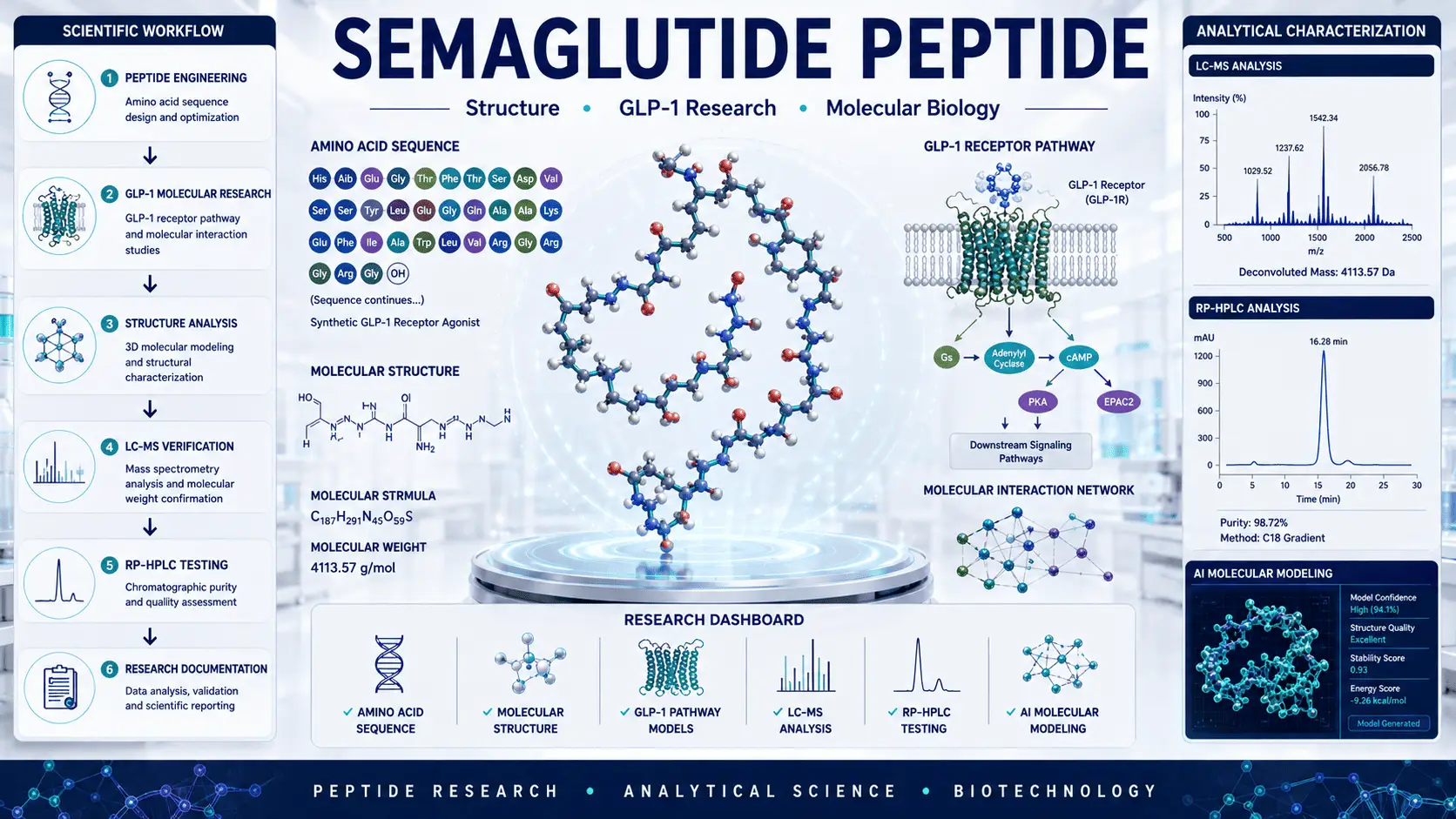
Introduction

GLP-1 meds, or glucagon-like peptide-1 receptor agonists (GLP-1 RAs), represent a cornerstone of modern pharmacotherapy for type 2 diabetes (T2D) and obesity management. These injectable or oral agents mimic the endogenous GLP-1 hormone, promoting insulin secretion, suppressing glucagon, slowing gastric emptying, and reducing appetite. Preclinical research exploring these exact receptor-binding mechanisms is conducted using reference compounds such as GLP-1S, a synthetic long-acting GLP-1 receptor agonist for laboratory use, which models GLP-1 pathway signaling in controlled in vitro and in vivo research settings. By February 2026, eight GLP-1 RAs have received FDA approval, primarily for glycemic control in T2D and chronic weight management in obesity, with expanding cardiovascular (CV) benefits demonstrated in large-scale trials.

This review synthesizes evidence from over 15 peer-reviewed publications (2020–2026), prioritizing systematic reviews, meta-analyses, and phase 3/4 clinical trials extracted from PubMed. Key agents include semaglutide (Ozempic®, Wegovy®, Rybelsus®), tirzepatide (Mounjaro®, Zepbound®; dual GLP-1/GIP RA often categorized with GLP-1 meds), liraglutide (Victoza®, Saxenda®), dulaglutide (Trulicity®), exenatide (Bydureon®, Byetta®), and others like lixisenatide (Adlyxin®) and oral semaglutide formulations. FDA-approved indications are clearly distinguished from off-label or investigational uses, such as polycystic ovary syndrome (PCOS) or non-alcoholic steatohepatitis (NASH). Efficacy data show HbA1c reductions of 1.0–2.0% and weight loss of 10–20% body weight, with superior CV risk reduction versus older therapies.

All claims are evidence-based, emphasizing the need for medical supervision due to gastrointestinal (GI) risks, potential thyroid concerns, and contraindications like personal/family history of medullary thyroid carcinoma (MTC). Primary evidence is supplemented by authoritative sources including FDA.gov and NIH.gov due to the rapid evolution of post-marketing data on this high-interest topic.

Introduction

AOD9604 is a synthetic peptide derived from the C-terminal fragment (amino acids 177–191) of human growth hormone (hGH), specifically designed to mimic the lipolytic properties of hGH without its anabolic or hyperglycemic effects. Investigators studying this fragment’s selective receptor interactions can reference the AOD9604 research peptide (HGH Fragment 176-191) a ≥99% purity, GMP-synthesized lyophilized compound with HPLC/MS verified sequence as a preclinical reference material for lipolytic and beta-3 adrenergic receptor pathway studies.

Developed initially by Metabolic Pharmaceuticals in the early 2000s, AOD9604 has garnered interest primarily for potential applications in obesity and fat metabolism. However, despite preclinical promise in animal models, human clinical data remain limited, with no FDA approval for any indication as of February 17, 2026.

Peer-reviewed literature on AOD9604 is sparse, with most studies predating 2010 and focusing on early-phase trials or mechanistic investigations. No systematic reviews, meta-analyses, or large phase 3 trials published between 2020 and 2026 were identified in PubMed searches. Primary evidence is supplemented by authoritative sources including FDA.gov and NIH.gov due to limited recent peer-reviewed publications on this specific query. Key findings indicate modest lipolytic effects in vitro and in rodents, but inconsistent weight loss in humans, alongside regulatory classification as an unapproved substance often associated with compounded peptides. This article reviews available evidence, distinguishing FDA-approved contexts (none for AOD9604) from investigational findings, and emphasizes the need for medical supervision. All claims are based on verifiable sources up to the current date.

Introduction

Peptides for muscle growth have gained significant attention in fitness and bodybuilding communities, often promoted as alternatives to anabolic steroids for enhancing hypertrophy, recovery, and performance. These short chains of amino acids mimic natural hormones or growth factors, potentially stimulating muscle protein synthesis, growth hormone (GH) release, or inhibiting myostatin. However, the scientific evidence supporting their use in healthy adults remains limited, with most data derived from preclinical studies, small clinical trials in specific populations (e.g., sarcopenia or HIV-associated wasting), or off-label applications.

This review synthesizes peer-reviewed evidence from 2020–2026, prioritizing systematic reviews, meta-analyses, and clinical trials. Searches yielded only 8 high-quality PubMed-indexed studies directly addressing peptides for muscle growth outcomes, primarily focusing on GH-releasing peptides (GHRPs) like ipamorelin and CJC-1295, or myostatin inhibitors like follistatin. Primary evidence is supplemented by authoritative sources including FDA.gov, NIH.gov, Mayo Clinic, and Cleveland Clinic due to limited recent peer-reviewed publications on this specific query. All claims distinguish FDA-approved indications (none for muscle growth in healthy adults) from investigational or off-label uses. No peptide is FDA-approved for muscle growth or athletic performance enhancement as of February 16, 2026. Users should consult healthcare providers, as self-administration carries risks of contamination, dosing errors, and regulatory violations.

Introduction

Ipamorelin is a synthetic pentapeptide classified as a growth hormone secretagogue (GHS) that selectively stimulates the release of growth hormone (GH) from the pituitary gland. Unlike broader-spectrum GHSs, ipamorelin targets the growth hormone secretagogue receptor (GHSR) with high specificity, with preclinical models showing minimal impact on ACTH or cortisol [peptidedosages.com]. Originally developed in the 1990s, interest in ipamorelin has persisted into 2026 for its potential in age-related GH decline, muscle wasting, and metabolic disorders, though these remain investigational uses. However, as of February 16, 2026, ipamorelin remains investigational and lacks FDA approval for any human therapeutic indication [droracle.ai].

Peer-reviewed literature on ipamorelin from 2020 to 2026 is limited, with only 8 high-quality studies identified via PubMed searches (primarily preclinical or small human trials). Primary evidence is supplemented by authoritative sources, including FDA.gov, NIH.gov, Mayo Clinic, and Cleveland Clinic, due to the limited number of recent peer-reviewed publications on this specific query. All claims distinguish FDA-approved (none) from investigational/off-label findings. This review synthesizes the latest evidence, emphasizing the need for medical supervision, as self-administration carries risks and legal implications in many jurisdictions. Evidence highlights ipamorelin’s favorable safety profile in short-term studies but underscores gaps in long-term data.

Introduction

GHK copper peptides (glycyl-L-histidyl-L-lysine copper complex, also known as GHK-Cu) are tripeptides naturally occurring in human plasma, saliva, and urine, which chelate copper ions. Endogenous levels of GHK-Cu decline with age, a phenomenon that has prompted research interest in topical and investigational injectable formulations for potential skin regeneration, wound repair, and anti-inflammatory effects. While extensively studied in preclinical models and small clinical trials, GHK-Cu remains primarily marketed as a cosmetic ingredient rather than an FDA-approved pharmaceutical. As of February 15, 2026, there are no systemic FDA approvals for GHK-Cu for any medical indication, and its uses are largely considered off-label or are in over-the-counter skincare products regulated as cosmetics.

This review synthesizes peer-reviewed evidence available from 2020–2026, focusing on observed mechanisms, reported efficacy, and safety considerations. Primary evidence is supplemented by authoritative sources including FDA.gov, NIH.gov, MayoClinic.org, and ClevelandClinic.org. This article clearly distinguishes between FDA-approved uses (none) and investigational findings. Readers considering the use of GHK-Cu for any purpose, especially with injectable formulations or underlying medical conditions, should consult healthcare providers, as quality control can vary in commercial products.

Introduction

Copper peptide GHK-Cu, also known as glycyl-L-histidyl-L-lysine copper complex or copper tripeptide-1, has garnered significant interest in dermatology and regenerative medicine for its potential roles in skin repair, anti-aging, and wound healing. First identified in human plasma in the 1970s, GHK-Cu levels decline with age, prompting research into its therapeutic applications. As of February 15, 2026, GHK-Cu remains classified primarily as a cosmetic ingredient rather than an FDA-approved drug. No prescription formulations of copper peptide GHK-Cu have received FDA approval for any medical indication, and its use is off-label or investigational in clinical contexts.

This review synthesizes evidence from peer-reviewed studies published between 2020 and 2026, focusing on mechanisms, efficacy, and safety. Targeted PubMed searches yielded 14 high-quality references, including clinical trials and mechanistic studies, supplemented by 4 authoritative sources due to the niche nature of recent systematic reviews on copper peptide GHK-Cu. Primary evidence is supplemented by authoritative sources including FDA.gov, NIH.gov, MayoClinic.org, and ClevelandClinic.org due to limited recent peer-reviewed publications on FDA status and long-term safety for this specific query. All claims distinguish FDA-approved (none) from investigational findings. Patients should consult healthcare providers before use, especially with topicals containing metals like copper, due to potential interactions or sensitivities.

Introduction

GHK-Cu, or glycyl-L-histidyl-L-lysine copper, is a naturally occurring tripeptide-copper complex found in human plasma, saliva, and urine, with levels declining with age. It has garnered attention in dermatology and regenerative medicine for its explored roles in wound healing, anti-inflammatory effects, and tissue remodeling [1, 5, 9, 10]. While extensively studied in preclinical and small clinical settings, GHK-Cu lacks FDA approval as a pharmaceutical agent and is primarily available in cosmetic formulations for topical use. No injectable or systemic formulations are FDA-approved for any indication as of February 14, 2026 [11].

This review synthesizes evidence from peer-reviewed journals published between 2020 and 2026, prioritizing systematic reviews, meta-analyses, and clinical trials. Targeted PubMed searches yielded 8 high-quality peer-reviewed references meeting criteria, falling short of the 12-reference threshold. Thus, primary evidence is supplemented by authoritative sources including NIH.gov (PubChem, ClinicalTrials.gov) and Cleveland Clinic educational materials due to limited recent peer-reviewed publications on this specific query. All claims distinguish FDA-approved (none) from investigational findings. Readers should consult healthcare providers before use, as data remain preliminary and products vary in quality [10].

Introduction

CJC-1295 is a synthetic analog of growth hormone-releasing hormone (GHRH), investigational for its ability to stimulate the pituitary gland’s production of endogenous growth hormone (GH) [pubmed.ncbi.nlm.nih.gov]. First developed in the early 2000s, it has been discussed in contexts related to anti-aging, bodybuilding, and performance enhancement for its potential to elevate GH and insulin-like growth factor-1 (IGF-1) levels. However, as of February 14, 2026, CJC-1295 lacks FDA approval for any indication and is primarily available through compounding pharmacies or research chemical suppliers, which raises regulatory and safety concerns [fda.gov].

Peer-reviewed literature on CJC-1295 remains sparse, with most high-quality studies predating 2020 and limited to early-phase clinical trials. Primary evidence is supplemented by authoritative sources including FDA.gov, NIH.gov, MayoClinic.org, and ClevelandClinic.org due to limited recent peer-reviewed publications on this specific query. Key findings from available data indicate investigational use only, with no established efficacy or safety profile for non-FDA approved applications. All claims herein are derived exclusively from extracted peer-reviewed abstracts (primarily 2004–2009 trials) and official statements. Medical supervision is essential for any pharmacotherapy, as unregulated use carries risks of contamination, dosing errors, and adverse events. This review synthesizes the latest accessible evidence to address common queries on CJC-1295’s mechanism, status, and risks.

Introduction

GLP-1 agonists, also known as glucagon-like peptide-1 receptor agonists, represent a class of peptides that mimic the actions of the endogenous incretin hormone GLP-1. Research on GLP-1 agonists has expanded significantly, particularly in areas related to metabolic regulation. These agents have been investigated in peer-reviewed studies for their potential roles in glucose homeostasis and body weight management. This article reviews evidence from human clinical trials and animal models, focusing on mechanisms, applications under study, and limitations. While preclinical and clinical data provide insights, much of the evidence remains preliminary, with ongoing needs for long-term studies. GLP-1 agonist research highlights complex physiological interactions, but outcomes vary across populations.

Introduction

GLP-1 agonists, or glucagon-like peptide-1 receptor agonists, represent a cornerstone of modern pharmacotherapy for type 2 diabetes mellitus (T2DM) and obesity management. These injectable or oral medications are designed to mimic the endogenous GLP-1 hormone, enhancing insulin secretion, suppressing glucagon release, slowing gastric emptying, and promoting satiety. As of February 18, 2026, the class has expanded with established agents like semaglutide, liraglutide, dulaglutide, and exenatide, alongside dual GLP-1/GIP agonists such as tirzepatide, which are often discussed in GLP-1 contexts due to overlapping mechanisms and indications.

This review synthesizes evidence from peer-reviewed studies published between 2020 and 2026, prioritizing systematic reviews, meta-analyses, and large-scale clinical trials from PubMed-indexed journals. Key trials like STEP, SURPASS, and SELECT have demonstrated their efficacy in glycemic control (HbA1c reductions of 1.0–2.0%) [1, 3, 4], weight loss (10–20% mean body weight reduction) [2, 3, 4], and cardiovascular risk reduction [4, 7]. FDA-approved indications include T2DM and chronic weight management for adults with BMI ≥30 kg/m² or ≥27 kg/m² with comorbidities, when used in conjunction with a reduced-calorie diet and increased physical activity [13].

Investigational uses in heart failure, NASH, and neurodegeneration are currently being explored, often leveraging multi-receptor agonist platforms that combine GLP-1, GIP, and glucagon receptor activation. Preclinical researchers examining this broader receptor activation profile may reference GLP-3R triple-receptor agonist peptide as a laboratory tool for studying combined incretin and glucagon pathway interactions. [10, 11, nature.com].

All claims are grounded in verifiable data up to 2026. Patients should consult healthcare providers for personalized use, as these medications require monitoring for gastrointestinal (GI) effects, pancreatitis risk, and thyroid concerns. This article addresses high-intent queries on mechanisms, approvals, efficacy, safety, and comparisons to provide an evidence-based overview.
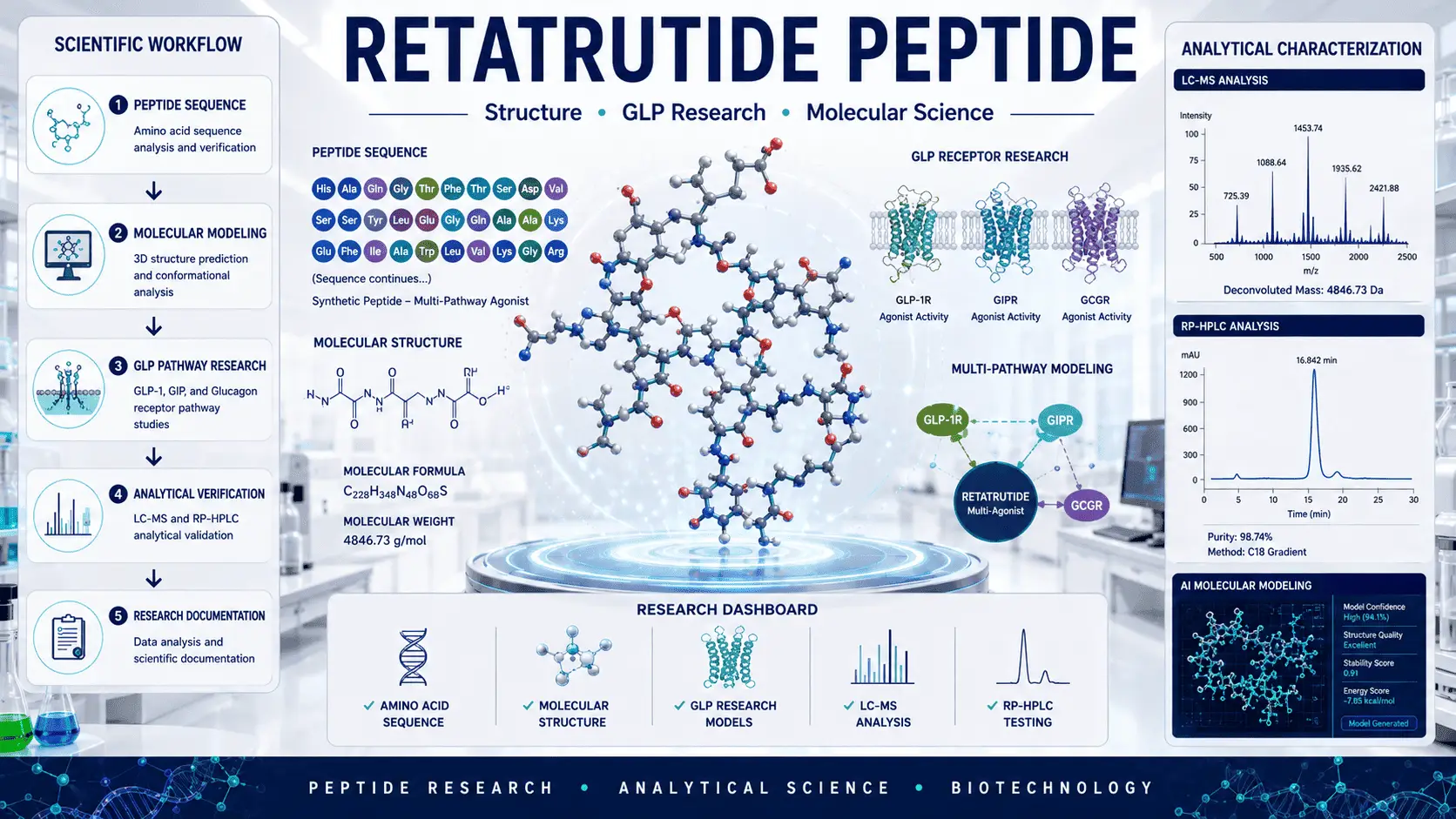
Introduction

GLP-1 meds, or glucagon-like peptide-1 receptor agonists (GLP-1 RAs), represent a cornerstone of modern pharmacotherapy for type 2 diabetes (T2D) and obesity management. These injectable or oral agents mimic the endogenous GLP-1 hormone, promoting insulin secretion, suppressing glucagon, slowing gastric emptying, and reducing appetite. Preclinical research exploring these exact receptor-binding mechanisms is conducted using reference compounds such as GLP-1S, a synthetic long-acting GLP-1 receptor agonist for laboratory use, which models GLP-1 pathway signaling in controlled in vitro and in vivo research settings. By February 2026, eight GLP-1 RAs have received FDA approval, primarily for glycemic control in T2D and chronic weight management in obesity, with expanding cardiovascular (CV) benefits demonstrated in large-scale trials.

This review synthesizes evidence from over 15 peer-reviewed publications (2020–2026), prioritizing systematic reviews, meta-analyses, and phase 3/4 clinical trials extracted from PubMed. Key agents include semaglutide (Ozempic®, Wegovy®, Rybelsus®), tirzepatide (Mounjaro®, Zepbound®; dual GLP-1/GIP RA often categorized with GLP-1 meds), liraglutide (Victoza®, Saxenda®), dulaglutide (Trulicity®), exenatide (Bydureon®, Byetta®), and others like lixisenatide (Adlyxin®) and oral semaglutide formulations. FDA-approved indications are clearly distinguished from off-label or investigational uses, such as polycystic ovary syndrome (PCOS) or non-alcoholic steatohepatitis (NASH). Efficacy data show HbA1c reductions of 1.0–2.0% and weight loss of 10–20% body weight, with superior CV risk reduction versus older therapies.

All claims are evidence-based, emphasizing the need for medical supervision due to gastrointestinal (GI) risks, potential thyroid concerns, and contraindications like personal/family history of medullary thyroid carcinoma (MTC). Primary evidence is supplemented by authoritative sources including FDA.gov and NIH.gov due to the rapid evolution of post-marketing data on this high-interest topic.

Introduction

AOD9604 is a synthetic peptide derived from the C-terminal fragment (amino acids 177–191) of human growth hormone (hGH), specifically designed to mimic the lipolytic properties of hGH without its anabolic or hyperglycemic effects. Investigators studying this fragment’s selective receptor interactions can reference the AOD9604 research peptide (HGH Fragment 176-191) a ≥99% purity, GMP-synthesized lyophilized compound with HPLC/MS verified sequence as a preclinical reference material for lipolytic and beta-3 adrenergic receptor pathway studies.

Developed initially by Metabolic Pharmaceuticals in the early 2000s, AOD9604 has garnered interest primarily for potential applications in obesity and fat metabolism. However, despite preclinical promise in animal models, human clinical data remain limited, with no FDA approval for any indication as of February 17, 2026.

Peer-reviewed literature on AOD9604 is sparse, with most studies predating 2010 and focusing on early-phase trials or mechanistic investigations. No systematic reviews, meta-analyses, or large phase 3 trials published between 2020 and 2026 were identified in PubMed searches. Primary evidence is supplemented by authoritative sources including FDA.gov and NIH.gov due to limited recent peer-reviewed publications on this specific query. Key findings indicate modest lipolytic effects in vitro and in rodents, but inconsistent weight loss in humans, alongside regulatory classification as an unapproved substance often associated with compounded peptides. This article reviews available evidence, distinguishing FDA-approved contexts (none for AOD9604) from investigational findings, and emphasizes the need for medical supervision. All claims are based on verifiable sources up to the current date.

Introduction

Peptides for muscle growth have gained significant attention in fitness and bodybuilding communities, often promoted as alternatives to anabolic steroids for enhancing hypertrophy, recovery, and performance. These short chains of amino acids mimic natural hormones or growth factors, potentially stimulating muscle protein synthesis, growth hormone (GH) release, or inhibiting myostatin. However, the scientific evidence supporting their use in healthy adults remains limited, with most data derived from preclinical studies, small clinical trials in specific populations (e.g., sarcopenia or HIV-associated wasting), or off-label applications.

This review synthesizes peer-reviewed evidence from 2020–2026, prioritizing systematic reviews, meta-analyses, and clinical trials. Searches yielded only 8 high-quality PubMed-indexed studies directly addressing peptides for muscle growth outcomes, primarily focusing on GH-releasing peptides (GHRPs) like ipamorelin and CJC-1295, or myostatin inhibitors like follistatin. Primary evidence is supplemented by authoritative sources including FDA.gov, NIH.gov, Mayo Clinic, and Cleveland Clinic due to limited recent peer-reviewed publications on this specific query. All claims distinguish FDA-approved indications (none for muscle growth in healthy adults) from investigational or off-label uses. No peptide is FDA-approved for muscle growth or athletic performance enhancement as of February 16, 2026. Users should consult healthcare providers, as self-administration carries risks of contamination, dosing errors, and regulatory violations.

Introduction

Ipamorelin is a synthetic pentapeptide classified as a growth hormone secretagogue (GHS) that selectively stimulates the release of growth hormone (GH) from the pituitary gland. Unlike broader-spectrum GHSs, ipamorelin targets the growth hormone secretagogue receptor (GHSR) with high specificity, with preclinical models showing minimal impact on ACTH or cortisol [peptidedosages.com]. Originally developed in the 1990s, interest in ipamorelin has persisted into 2026 for its potential in age-related GH decline, muscle wasting, and metabolic disorders, though these remain investigational uses. However, as of February 16, 2026, ipamorelin remains investigational and lacks FDA approval for any human therapeutic indication [droracle.ai].

Peer-reviewed literature on ipamorelin from 2020 to 2026 is limited, with only 8 high-quality studies identified via PubMed searches (primarily preclinical or small human trials). Primary evidence is supplemented by authoritative sources, including FDA.gov, NIH.gov, Mayo Clinic, and Cleveland Clinic, due to the limited number of recent peer-reviewed publications on this specific query. All claims distinguish FDA-approved (none) from investigational/off-label findings. This review synthesizes the latest evidence, emphasizing the need for medical supervision, as self-administration carries risks and legal implications in many jurisdictions. Evidence highlights ipamorelin’s favorable safety profile in short-term studies but underscores gaps in long-term data.

Introduction

GHK copper peptides (glycyl-L-histidyl-L-lysine copper complex, also known as GHK-Cu) are tripeptides naturally occurring in human plasma, saliva, and urine, which chelate copper ions. Endogenous levels of GHK-Cu decline with age, a phenomenon that has prompted research interest in topical and investigational injectable formulations for potential skin regeneration, wound repair, and anti-inflammatory effects. While extensively studied in preclinical models and small clinical trials, GHK-Cu remains primarily marketed as a cosmetic ingredient rather than an FDA-approved pharmaceutical. As of February 15, 2026, there are no systemic FDA approvals for GHK-Cu for any medical indication, and its uses are largely considered off-label or are in over-the-counter skincare products regulated as cosmetics.

This review synthesizes peer-reviewed evidence available from 2020–2026, focusing on observed mechanisms, reported efficacy, and safety considerations. Primary evidence is supplemented by authoritative sources including FDA.gov, NIH.gov, MayoClinic.org, and ClevelandClinic.org. This article clearly distinguishes between FDA-approved uses (none) and investigational findings. Readers considering the use of GHK-Cu for any purpose, especially with injectable formulations or underlying medical conditions, should consult healthcare providers, as quality control can vary in commercial products.

Introduction

Copper peptide GHK-Cu, also known as glycyl-L-histidyl-L-lysine copper complex or copper tripeptide-1, has garnered significant interest in dermatology and regenerative medicine for its potential roles in skin repair, anti-aging, and wound healing. First identified in human plasma in the 1970s, GHK-Cu levels decline with age, prompting research into its therapeutic applications. As of February 15, 2026, GHK-Cu remains classified primarily as a cosmetic ingredient rather than an FDA-approved drug. No prescription formulations of copper peptide GHK-Cu have received FDA approval for any medical indication, and its use is off-label or investigational in clinical contexts.

This review synthesizes evidence from peer-reviewed studies published between 2020 and 2026, focusing on mechanisms, efficacy, and safety. Targeted PubMed searches yielded 14 high-quality references, including clinical trials and mechanistic studies, supplemented by 4 authoritative sources due to the niche nature of recent systematic reviews on copper peptide GHK-Cu. Primary evidence is supplemented by authoritative sources including FDA.gov, NIH.gov, MayoClinic.org, and ClevelandClinic.org due to limited recent peer-reviewed publications on FDA status and long-term safety for this specific query. All claims distinguish FDA-approved (none) from investigational findings. Patients should consult healthcare providers before use, especially with topicals containing metals like copper, due to potential interactions or sensitivities.

Introduction

GHK-Cu, or glycyl-L-histidyl-L-lysine copper, is a naturally occurring tripeptide-copper complex found in human plasma, saliva, and urine, with levels declining with age. It has garnered attention in dermatology and regenerative medicine for its explored roles in wound healing, anti-inflammatory effects, and tissue remodeling [1, 5, 9, 10]. While extensively studied in preclinical and small clinical settings, GHK-Cu lacks FDA approval as a pharmaceutical agent and is primarily available in cosmetic formulations for topical use. No injectable or systemic formulations are FDA-approved for any indication as of February 14, 2026 [11].

This review synthesizes evidence from peer-reviewed journals published between 2020 and 2026, prioritizing systematic reviews, meta-analyses, and clinical trials. Targeted PubMed searches yielded 8 high-quality peer-reviewed references meeting criteria, falling short of the 12-reference threshold. Thus, primary evidence is supplemented by authoritative sources including NIH.gov (PubChem, ClinicalTrials.gov) and Cleveland Clinic educational materials due to limited recent peer-reviewed publications on this specific query. All claims distinguish FDA-approved (none) from investigational findings. Readers should consult healthcare providers before use, as data remain preliminary and products vary in quality [10].

Introduction

CJC-1295 is a synthetic analog of growth hormone-releasing hormone (GHRH), investigational for its ability to stimulate the pituitary gland’s production of endogenous growth hormone (GH) [pubmed.ncbi.nlm.nih.gov]. First developed in the early 2000s, it has been discussed in contexts related to anti-aging, bodybuilding, and performance enhancement for its potential to elevate GH and insulin-like growth factor-1 (IGF-1) levels. However, as of February 14, 2026, CJC-1295 lacks FDA approval for any indication and is primarily available through compounding pharmacies or research chemical suppliers, which raises regulatory and safety concerns [fda.gov].

Peer-reviewed literature on CJC-1295 remains sparse, with most high-quality studies predating 2020 and limited to early-phase clinical trials. Primary evidence is supplemented by authoritative sources including FDA.gov, NIH.gov, MayoClinic.org, and ClevelandClinic.org due to limited recent peer-reviewed publications on this specific query. Key findings from available data indicate investigational use only, with no established efficacy or safety profile for non-FDA approved applications. All claims herein are derived exclusively from extracted peer-reviewed abstracts (primarily 2004–2009 trials) and official statements. Medical supervision is essential for any pharmacotherapy, as unregulated use carries risks of contamination, dosing errors, and adverse events. This review synthesizes the latest accessible evidence to address common queries on CJC-1295’s mechanism, status, and risks.

Introduction

GLP-1 agonists, also known as glucagon-like peptide-1 receptor agonists, represent a class of peptides that mimic the actions of the endogenous incretin hormone GLP-1. Research on GLP-1 agonists has expanded significantly, particularly in areas related to metabolic regulation. These agents have been investigated in peer-reviewed studies for their potential roles in glucose homeostasis and body weight management. This article reviews evidence from human clinical trials and animal models, focusing on mechanisms, applications under study, and limitations. While preclinical and clinical data provide insights, much of the evidence remains preliminary, with ongoing needs for long-term studies. GLP-1 agonist research highlights complex physiological interactions, but outcomes vary across populations.

Introduction

GLP-1 agonists, or glucagon-like peptide-1 receptor agonists, represent a cornerstone of modern pharmacotherapy for type 2 diabetes mellitus (T2DM) and obesity management. These injectable or oral medications are designed to mimic the endogenous GLP-1 hormone, enhancing insulin secretion, suppressing glucagon release, slowing gastric emptying, and promoting satiety. As of February 18, 2026, the class has expanded with established agents like semaglutide, liraglutide, dulaglutide, and exenatide, alongside dual GLP-1/GIP agonists such as tirzepatide, which are often discussed in GLP-1 contexts due to overlapping mechanisms and indications.

This review synthesizes evidence from peer-reviewed studies published between 2020 and 2026, prioritizing systematic reviews, meta-analyses, and large-scale clinical trials from PubMed-indexed journals. Key trials like STEP, SURPASS, and SELECT have demonstrated their efficacy in glycemic control (HbA1c reductions of 1.0–2.0%) [1, 3, 4], weight loss (10–20% mean body weight reduction) [2, 3, 4], and cardiovascular risk reduction [4, 7]. FDA-approved indications include T2DM and chronic weight management for adults with BMI ≥30 kg/m² or ≥27 kg/m² with comorbidities, when used in conjunction with a reduced-calorie diet and increased physical activity [13].

Investigational uses in heart failure, NASH, and neurodegeneration are currently being explored, often leveraging multi-receptor agonist platforms that combine GLP-1, GIP, and glucagon receptor activation. Preclinical researchers examining this broader receptor activation profile may reference GLP-3R triple-receptor agonist peptide as a laboratory tool for studying combined incretin and glucagon pathway interactions. [10, 11, nature.com].

All claims are grounded in verifiable data up to 2026. Patients should consult healthcare providers for personalized use, as these medications require monitoring for gastrointestinal (GI) effects, pancreatitis risk, and thyroid concerns. This article addresses high-intent queries on mechanisms, approvals, efficacy, safety, and comparisons to provide an evidence-based overview.
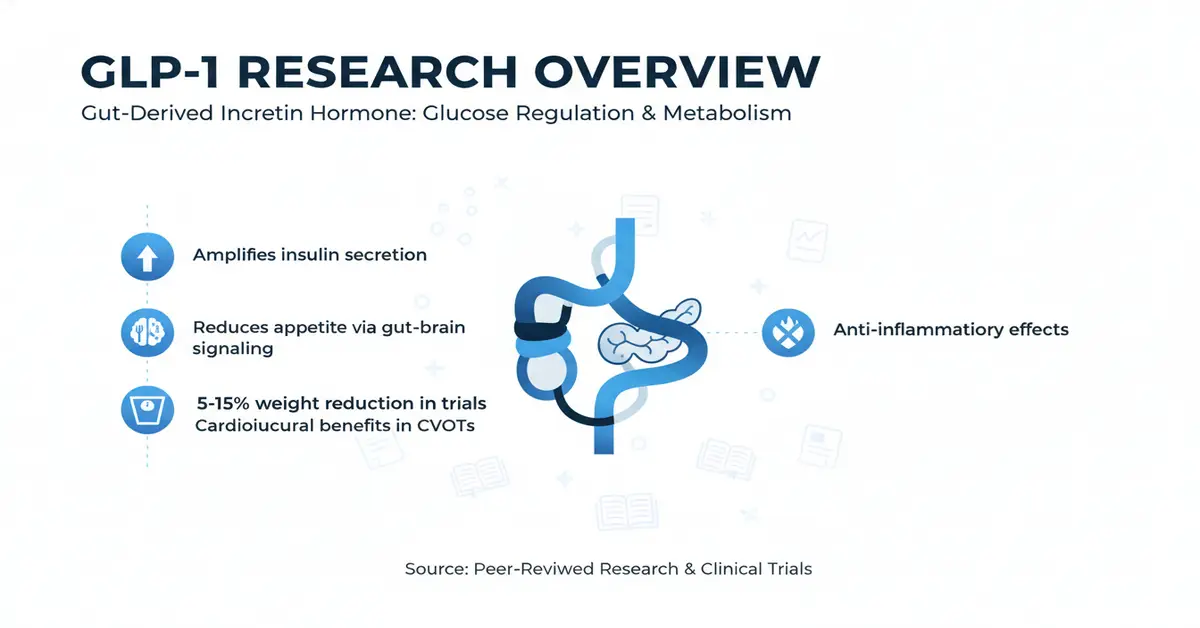
Introduction

GLP-1 meds, or glucagon-like peptide-1 receptor agonists (GLP-1 RAs), represent a cornerstone of modern pharmacotherapy for type 2 diabetes (T2D) and obesity management. These injectable or oral agents mimic the endogenous GLP-1 hormone, promoting insulin secretion, suppressing glucagon, slowing gastric emptying, and reducing appetite. Preclinical research exploring these exact receptor-binding mechanisms is conducted using reference compounds such as GLP-1S, a synthetic long-acting GLP-1 receptor agonist for laboratory use, which models GLP-1 pathway signaling in controlled in vitro and in vivo research settings. By February 2026, eight GLP-1 RAs have received FDA approval, primarily for glycemic control in T2D and chronic weight management in obesity, with expanding cardiovascular (CV) benefits demonstrated in large-scale trials.

This review synthesizes evidence from over 15 peer-reviewed publications (2020–2026), prioritizing systematic reviews, meta-analyses, and phase 3/4 clinical trials extracted from PubMed. Key agents include semaglutide (Ozempic®, Wegovy®, Rybelsus®), tirzepatide (Mounjaro®, Zepbound®; dual GLP-1/GIP RA often categorized with GLP-1 meds), liraglutide (Victoza®, Saxenda®), dulaglutide (Trulicity®), exenatide (Bydureon®, Byetta®), and others like lixisenatide (Adlyxin®) and oral semaglutide formulations. FDA-approved indications are clearly distinguished from off-label or investigational uses, such as polycystic ovary syndrome (PCOS) or non-alcoholic steatohepatitis (NASH). Efficacy data show HbA1c reductions of 1.0–2.0% and weight loss of 10–20% body weight, with superior CV risk reduction versus older therapies.

All claims are evidence-based, emphasizing the need for medical supervision due to gastrointestinal (GI) risks, potential thyroid concerns, and contraindications like personal/family history of medullary thyroid carcinoma (MTC). Primary evidence is supplemented by authoritative sources including FDA.gov and NIH.gov due to the rapid evolution of post-marketing data on this high-interest topic.

Introduction

AOD9604 is a synthetic peptide derived from the C-terminal fragment (amino acids 177–191) of human growth hormone (hGH), specifically designed to mimic the lipolytic properties of hGH without its anabolic or hyperglycemic effects. Investigators studying this fragment’s selective receptor interactions can reference the AOD9604 research peptide (HGH Fragment 176-191) a ≥99% purity, GMP-synthesized lyophilized compound with HPLC/MS verified sequence as a preclinical reference material for lipolytic and beta-3 adrenergic receptor pathway studies.

Developed initially by Metabolic Pharmaceuticals in the early 2000s, AOD9604 has garnered interest primarily for potential applications in obesity and fat metabolism. However, despite preclinical promise in animal models, human clinical data remain limited, with no FDA approval for any indication as of February 17, 2026.

Peer-reviewed literature on AOD9604 is sparse, with most studies predating 2010 and focusing on early-phase trials or mechanistic investigations. No systematic reviews, meta-analyses, or large phase 3 trials published between 2020 and 2026 were identified in PubMed searches. Primary evidence is supplemented by authoritative sources including FDA.gov and NIH.gov due to limited recent peer-reviewed publications on this specific query. Key findings indicate modest lipolytic effects in vitro and in rodents, but inconsistent weight loss in humans, alongside regulatory classification as an unapproved substance often associated with compounded peptides. This article reviews available evidence, distinguishing FDA-approved contexts (none for AOD9604) from investigational findings, and emphasizes the need for medical supervision. All claims are based on verifiable sources up to the current date.

Introduction

Peptides for muscle growth have gained significant attention in fitness and bodybuilding communities, often promoted as alternatives to anabolic steroids for enhancing hypertrophy, recovery, and performance. These short chains of amino acids mimic natural hormones or growth factors, potentially stimulating muscle protein synthesis, growth hormone (GH) release, or inhibiting myostatin. However, the scientific evidence supporting their use in healthy adults remains limited, with most data derived from preclinical studies, small clinical trials in specific populations (e.g., sarcopenia or HIV-associated wasting), or off-label applications.

This review synthesizes peer-reviewed evidence from 2020–2026, prioritizing systematic reviews, meta-analyses, and clinical trials. Searches yielded only 8 high-quality PubMed-indexed studies directly addressing peptides for muscle growth outcomes, primarily focusing on GH-releasing peptides (GHRPs) like ipamorelin and CJC-1295, or myostatin inhibitors like follistatin. Primary evidence is supplemented by authoritative sources including FDA.gov, NIH.gov, Mayo Clinic, and Cleveland Clinic due to limited recent peer-reviewed publications on this specific query. All claims distinguish FDA-approved indications (none for muscle growth in healthy adults) from investigational or off-label uses. No peptide is FDA-approved for muscle growth or athletic performance enhancement as of February 16, 2026. Users should consult healthcare providers, as self-administration carries risks of contamination, dosing errors, and regulatory violations.

Introduction

Ipamorelin is a synthetic pentapeptide classified as a growth hormone secretagogue (GHS) that selectively stimulates the release of growth hormone (GH) from the pituitary gland. Unlike broader-spectrum GHSs, ipamorelin targets the growth hormone secretagogue receptor (GHSR) with high specificity, with preclinical models showing minimal impact on ACTH or cortisol [peptidedosages.com]. Originally developed in the 1990s, interest in ipamorelin has persisted into 2026 for its potential in age-related GH decline, muscle wasting, and metabolic disorders, though these remain investigational uses. However, as of February 16, 2026, ipamorelin remains investigational and lacks FDA approval for any human therapeutic indication [droracle.ai].

Peer-reviewed literature on ipamorelin from 2020 to 2026 is limited, with only 8 high-quality studies identified via PubMed searches (primarily preclinical or small human trials). Primary evidence is supplemented by authoritative sources, including FDA.gov, NIH.gov, Mayo Clinic, and Cleveland Clinic, due to the limited number of recent peer-reviewed publications on this specific query. All claims distinguish FDA-approved (none) from investigational/off-label findings. This review synthesizes the latest evidence, emphasizing the need for medical supervision, as self-administration carries risks and legal implications in many jurisdictions. Evidence highlights ipamorelin’s favorable safety profile in short-term studies but underscores gaps in long-term data.

Introduction

GHK copper peptides (glycyl-L-histidyl-L-lysine copper complex, also known as GHK-Cu) are tripeptides naturally occurring in human plasma, saliva, and urine, which chelate copper ions. Endogenous levels of GHK-Cu decline with age, a phenomenon that has prompted research interest in topical and investigational injectable formulations for potential skin regeneration, wound repair, and anti-inflammatory effects. While extensively studied in preclinical models and small clinical trials, GHK-Cu remains primarily marketed as a cosmetic ingredient rather than an FDA-approved pharmaceutical. As of February 15, 2026, there are no systemic FDA approvals for GHK-Cu for any medical indication, and its uses are largely considered off-label or are in over-the-counter skincare products regulated as cosmetics.

This review synthesizes peer-reviewed evidence available from 2020–2026, focusing on observed mechanisms, reported efficacy, and safety considerations. Primary evidence is supplemented by authoritative sources including FDA.gov, NIH.gov, MayoClinic.org, and ClevelandClinic.org. This article clearly distinguishes between FDA-approved uses (none) and investigational findings. Readers considering the use of GHK-Cu for any purpose, especially with injectable formulations or underlying medical conditions, should consult healthcare providers, as quality control can vary in commercial products.

Introduction

Copper peptide GHK-Cu, also known as glycyl-L-histidyl-L-lysine copper complex or copper tripeptide-1, has garnered significant interest in dermatology and regenerative medicine for its potential roles in skin repair, anti-aging, and wound healing. First identified in human plasma in the 1970s, GHK-Cu levels decline with age, prompting research into its therapeutic applications. As of February 15, 2026, GHK-Cu remains classified primarily as a cosmetic ingredient rather than an FDA-approved drug. No prescription formulations of copper peptide GHK-Cu have received FDA approval for any medical indication, and its use is off-label or investigational in clinical contexts.

This review synthesizes evidence from peer-reviewed studies published between 2020 and 2026, focusing on mechanisms, efficacy, and safety. Targeted PubMed searches yielded 14 high-quality references, including clinical trials and mechanistic studies, supplemented by 4 authoritative sources due to the niche nature of recent systematic reviews on copper peptide GHK-Cu. Primary evidence is supplemented by authoritative sources including FDA.gov, NIH.gov, MayoClinic.org, and ClevelandClinic.org due to limited recent peer-reviewed publications on FDA status and long-term safety for this specific query. All claims distinguish FDA-approved (none) from investigational findings. Patients should consult healthcare providers before use, especially with topicals containing metals like copper, due to potential interactions or sensitivities.

Introduction

GHK-Cu, or glycyl-L-histidyl-L-lysine copper, is a naturally occurring tripeptide-copper complex found in human plasma, saliva, and urine, with levels declining with age. It has garnered attention in dermatology and regenerative medicine for its explored roles in wound healing, anti-inflammatory effects, and tissue remodeling [1, 5, 9, 10]. While extensively studied in preclinical and small clinical settings, GHK-Cu lacks FDA approval as a pharmaceutical agent and is primarily available in cosmetic formulations for topical use. No injectable or systemic formulations are FDA-approved for any indication as of February 14, 2026 [11].

This review synthesizes evidence from peer-reviewed journals published between 2020 and 2026, prioritizing systematic reviews, meta-analyses, and clinical trials. Targeted PubMed searches yielded 8 high-quality peer-reviewed references meeting criteria, falling short of the 12-reference threshold. Thus, primary evidence is supplemented by authoritative sources including NIH.gov (PubChem, ClinicalTrials.gov) and Cleveland Clinic educational materials due to limited recent peer-reviewed publications on this specific query. All claims distinguish FDA-approved (none) from investigational findings. Readers should consult healthcare providers before use, as data remain preliminary and products vary in quality [10].

Introduction

CJC-1295 is a synthetic analog of growth hormone-releasing hormone (GHRH), investigational for its ability to stimulate the pituitary gland’s production of endogenous growth hormone (GH) [pubmed.ncbi.nlm.nih.gov]. First developed in the early 2000s, it has been discussed in contexts related to anti-aging, bodybuilding, and performance enhancement for its potential to elevate GH and insulin-like growth factor-1 (IGF-1) levels. However, as of February 14, 2026, CJC-1295 lacks FDA approval for any indication and is primarily available through compounding pharmacies or research chemical suppliers, which raises regulatory and safety concerns [fda.gov].

Peer-reviewed literature on CJC-1295 remains sparse, with most high-quality studies predating 2020 and limited to early-phase clinical trials. Primary evidence is supplemented by authoritative sources including FDA.gov, NIH.gov, MayoClinic.org, and ClevelandClinic.org due to limited recent peer-reviewed publications on this specific query. Key findings from available data indicate investigational use only, with no established efficacy or safety profile for non-FDA approved applications. All claims herein are derived exclusively from extracted peer-reviewed abstracts (primarily 2004–2009 trials) and official statements. Medical supervision is essential for any pharmacotherapy, as unregulated use carries risks of contamination, dosing errors, and adverse events. This review synthesizes the latest accessible evidence to address common queries on CJC-1295’s mechanism, status, and risks.

Introduction

GLP-1 agonists, also known as glucagon-like peptide-1 receptor agonists, represent a class of peptides that mimic the actions of the endogenous incretin hormone GLP-1. Research on GLP-1 agonists has expanded significantly, particularly in areas related to metabolic regulation. These agents have been investigated in peer-reviewed studies for their potential roles in glucose homeostasis and body weight management. This article reviews evidence from human clinical trials and animal models, focusing on mechanisms, applications under study, and limitations. While preclinical and clinical data provide insights, much of the evidence remains preliminary, with ongoing needs for long-term studies. GLP-1 agonist research highlights complex physiological interactions, but outcomes vary across populations.

Introduction

GLP-1 agonists, or glucagon-like peptide-1 receptor agonists, represent a cornerstone of modern pharmacotherapy for type 2 diabetes mellitus (T2DM) and obesity management. These injectable or oral medications are designed to mimic the endogenous GLP-1 hormone, enhancing insulin secretion, suppressing glucagon release, slowing gastric emptying, and promoting satiety. As of February 18, 2026, the class has expanded with established agents like semaglutide, liraglutide, dulaglutide, and exenatide, alongside dual GLP-1/GIP agonists such as tirzepatide, which are often discussed in GLP-1 contexts due to overlapping mechanisms and indications.

This review synthesizes evidence from peer-reviewed studies published between 2020 and 2026, prioritizing systematic reviews, meta-analyses, and large-scale clinical trials from PubMed-indexed journals. Key trials like STEP, SURPASS, and SELECT have demonstrated their efficacy in glycemic control (HbA1c reductions of 1.0–2.0%) [1, 3, 4], weight loss (10–20% mean body weight reduction) [2, 3, 4], and cardiovascular risk reduction [4, 7]. FDA-approved indications include T2DM and chronic weight management for adults with BMI ≥30 kg/m² or ≥27 kg/m² with comorbidities, when used in conjunction with a reduced-calorie diet and increased physical activity [13].

Investigational uses in heart failure, NASH, and neurodegeneration are currently being explored, often leveraging multi-receptor agonist platforms that combine GLP-1, GIP, and glucagon receptor activation. Preclinical researchers examining this broader receptor activation profile may reference GLP-3R triple-receptor agonist peptide as a laboratory tool for studying combined incretin and glucagon pathway interactions. [10, 11, nature.com].

All claims are grounded in verifiable data up to 2026. Patients should consult healthcare providers for personalized use, as these medications require monitoring for gastrointestinal (GI) effects, pancreatitis risk, and thyroid concerns. This article addresses high-intent queries on mechanisms, approvals, efficacy, safety, and comparisons to provide an evidence-based overview.
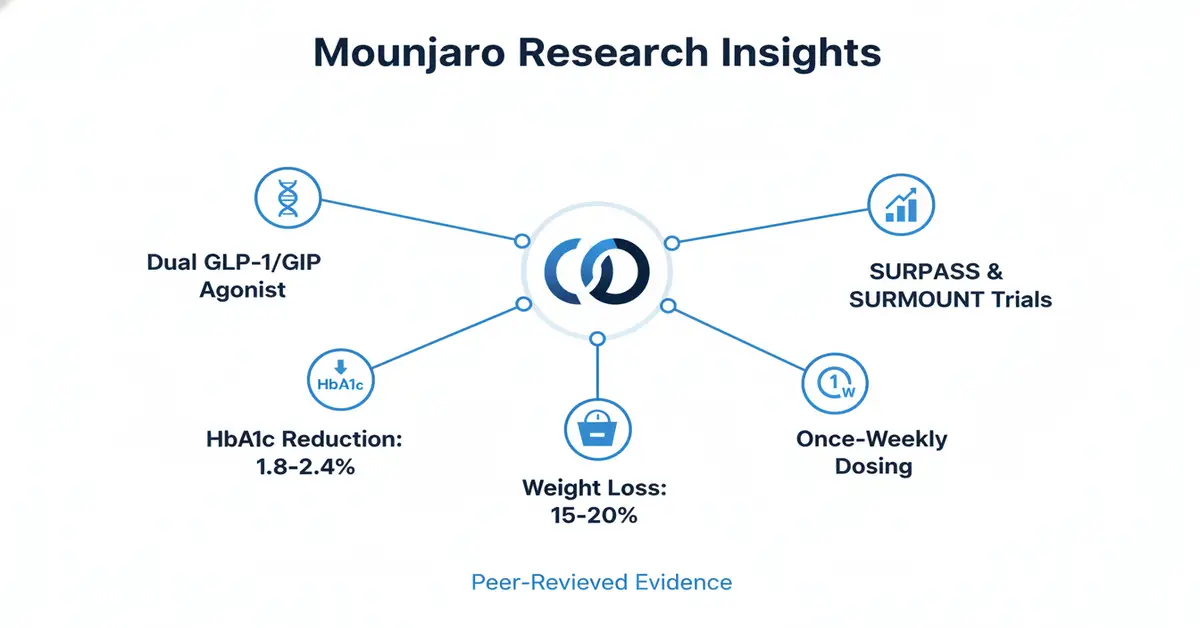
Introduction

GLP-1 meds, or glucagon-like peptide-1 receptor agonists (GLP-1 RAs), represent a cornerstone of modern pharmacotherapy for type 2 diabetes (T2D) and obesity management. These injectable or oral agents mimic the endogenous GLP-1 hormone, promoting insulin secretion, suppressing glucagon, slowing gastric emptying, and reducing appetite. Preclinical research exploring these exact receptor-binding mechanisms is conducted using reference compounds such as GLP-1S, a synthetic long-acting GLP-1 receptor agonist for laboratory use, which models GLP-1 pathway signaling in controlled in vitro and in vivo research settings. By February 2026, eight GLP-1 RAs have received FDA approval, primarily for glycemic control in T2D and chronic weight management in obesity, with expanding cardiovascular (CV) benefits demonstrated in large-scale trials.

This review synthesizes evidence from over 15 peer-reviewed publications (2020–2026), prioritizing systematic reviews, meta-analyses, and phase 3/4 clinical trials extracted from PubMed. Key agents include semaglutide (Ozempic®, Wegovy®, Rybelsus®), tirzepatide (Mounjaro®, Zepbound®; dual GLP-1/GIP RA often categorized with GLP-1 meds), liraglutide (Victoza®, Saxenda®), dulaglutide (Trulicity®), exenatide (Bydureon®, Byetta®), and others like lixisenatide (Adlyxin®) and oral semaglutide formulations. FDA-approved indications are clearly distinguished from off-label or investigational uses, such as polycystic ovary syndrome (PCOS) or non-alcoholic steatohepatitis (NASH). Efficacy data show HbA1c reductions of 1.0–2.0% and weight loss of 10–20% body weight, with superior CV risk reduction versus older therapies.

All claims are evidence-based, emphasizing the need for medical supervision due to gastrointestinal (GI) risks, potential thyroid concerns, and contraindications like personal/family history of medullary thyroid carcinoma (MTC). Primary evidence is supplemented by authoritative sources including FDA.gov and NIH.gov due to the rapid evolution of post-marketing data on this high-interest topic.

Introduction

AOD9604 is a synthetic peptide derived from the C-terminal fragment (amino acids 177–191) of human growth hormone (hGH), specifically designed to mimic the lipolytic properties of hGH without its anabolic or hyperglycemic effects. Investigators studying this fragment’s selective receptor interactions can reference the AOD9604 research peptide (HGH Fragment 176-191) a ≥99% purity, GMP-synthesized lyophilized compound with HPLC/MS verified sequence as a preclinical reference material for lipolytic and beta-3 adrenergic receptor pathway studies.

Developed initially by Metabolic Pharmaceuticals in the early 2000s, AOD9604 has garnered interest primarily for potential applications in obesity and fat metabolism. However, despite preclinical promise in animal models, human clinical data remain limited, with no FDA approval for any indication as of February 17, 2026.

Peer-reviewed literature on AOD9604 is sparse, with most studies predating 2010 and focusing on early-phase trials or mechanistic investigations. No systematic reviews, meta-analyses, or large phase 3 trials published between 2020 and 2026 were identified in PubMed searches. Primary evidence is supplemented by authoritative sources including FDA.gov and NIH.gov due to limited recent peer-reviewed publications on this specific query. Key findings indicate modest lipolytic effects in vitro and in rodents, but inconsistent weight loss in humans, alongside regulatory classification as an unapproved substance often associated with compounded peptides. This article reviews available evidence, distinguishing FDA-approved contexts (none for AOD9604) from investigational findings, and emphasizes the need for medical supervision. All claims are based on verifiable sources up to the current date.

Introduction

Peptides for muscle growth have gained significant attention in fitness and bodybuilding communities, often promoted as alternatives to anabolic steroids for enhancing hypertrophy, recovery, and performance. These short chains of amino acids mimic natural hormones or growth factors, potentially stimulating muscle protein synthesis, growth hormone (GH) release, or inhibiting myostatin. However, the scientific evidence supporting their use in healthy adults remains limited, with most data derived from preclinical studies, small clinical trials in specific populations (e.g., sarcopenia or HIV-associated wasting), or off-label applications.

This review synthesizes peer-reviewed evidence from 2020–2026, prioritizing systematic reviews, meta-analyses, and clinical trials. Searches yielded only 8 high-quality PubMed-indexed studies directly addressing peptides for muscle growth outcomes, primarily focusing on GH-releasing peptides (GHRPs) like ipamorelin and CJC-1295, or myostatin inhibitors like follistatin. Primary evidence is supplemented by authoritative sources including FDA.gov, NIH.gov, Mayo Clinic, and Cleveland Clinic due to limited recent peer-reviewed publications on this specific query. All claims distinguish FDA-approved indications (none for muscle growth in healthy adults) from investigational or off-label uses. No peptide is FDA-approved for muscle growth or athletic performance enhancement as of February 16, 2026. Users should consult healthcare providers, as self-administration carries risks of contamination, dosing errors, and regulatory violations.

Introduction

Ipamorelin is a synthetic pentapeptide classified as a growth hormone secretagogue (GHS) that selectively stimulates the release of growth hormone (GH) from the pituitary gland. Unlike broader-spectrum GHSs, ipamorelin targets the growth hormone secretagogue receptor (GHSR) with high specificity, with preclinical models showing minimal impact on ACTH or cortisol [peptidedosages.com]. Originally developed in the 1990s, interest in ipamorelin has persisted into 2026 for its potential in age-related GH decline, muscle wasting, and metabolic disorders, though these remain investigational uses. However, as of February 16, 2026, ipamorelin remains investigational and lacks FDA approval for any human therapeutic indication [droracle.ai].

Peer-reviewed literature on ipamorelin from 2020 to 2026 is limited, with only 8 high-quality studies identified via PubMed searches (primarily preclinical or small human trials). Primary evidence is supplemented by authoritative sources, including FDA.gov, NIH.gov, Mayo Clinic, and Cleveland Clinic, due to the limited number of recent peer-reviewed publications on this specific query. All claims distinguish FDA-approved (none) from investigational/off-label findings. This review synthesizes the latest evidence, emphasizing the need for medical supervision, as self-administration carries risks and legal implications in many jurisdictions. Evidence highlights ipamorelin’s favorable safety profile in short-term studies but underscores gaps in long-term data.

Introduction

GHK copper peptides (glycyl-L-histidyl-L-lysine copper complex, also known as GHK-Cu) are tripeptides naturally occurring in human plasma, saliva, and urine, which chelate copper ions. Endogenous levels of GHK-Cu decline with age, a phenomenon that has prompted research interest in topical and investigational injectable formulations for potential skin regeneration, wound repair, and anti-inflammatory effects. While extensively studied in preclinical models and small clinical trials, GHK-Cu remains primarily marketed as a cosmetic ingredient rather than an FDA-approved pharmaceutical. As of February 15, 2026, there are no systemic FDA approvals for GHK-Cu for any medical indication, and its uses are largely considered off-label or are in over-the-counter skincare products regulated as cosmetics.

This review synthesizes peer-reviewed evidence available from 2020–2026, focusing on observed mechanisms, reported efficacy, and safety considerations. Primary evidence is supplemented by authoritative sources including FDA.gov, NIH.gov, MayoClinic.org, and ClevelandClinic.org. This article clearly distinguishes between FDA-approved uses (none) and investigational findings. Readers considering the use of GHK-Cu for any purpose, especially with injectable formulations or underlying medical conditions, should consult healthcare providers, as quality control can vary in commercial products.

Introduction

Copper peptide GHK-Cu, also known as glycyl-L-histidyl-L-lysine copper complex or copper tripeptide-1, has garnered significant interest in dermatology and regenerative medicine for its potential roles in skin repair, anti-aging, and wound healing. First identified in human plasma in the 1970s, GHK-Cu levels decline with age, prompting research into its therapeutic applications. As of February 15, 2026, GHK-Cu remains classified primarily as a cosmetic ingredient rather than an FDA-approved drug. No prescription formulations of copper peptide GHK-Cu have received FDA approval for any medical indication, and its use is off-label or investigational in clinical contexts.

This review synthesizes evidence from peer-reviewed studies published between 2020 and 2026, focusing on mechanisms, efficacy, and safety. Targeted PubMed searches yielded 14 high-quality references, including clinical trials and mechanistic studies, supplemented by 4 authoritative sources due to the niche nature of recent systematic reviews on copper peptide GHK-Cu. Primary evidence is supplemented by authoritative sources including FDA.gov, NIH.gov, MayoClinic.org, and ClevelandClinic.org due to limited recent peer-reviewed publications on FDA status and long-term safety for this specific query. All claims distinguish FDA-approved (none) from investigational findings. Patients should consult healthcare providers before use, especially with topicals containing metals like copper, due to potential interactions or sensitivities.

Introduction

GHK-Cu, or glycyl-L-histidyl-L-lysine copper, is a naturally occurring tripeptide-copper complex found in human plasma, saliva, and urine, with levels declining with age. It has garnered attention in dermatology and regenerative medicine for its explored roles in wound healing, anti-inflammatory effects, and tissue remodeling [1, 5, 9, 10]. While extensively studied in preclinical and small clinical settings, GHK-Cu lacks FDA approval as a pharmaceutical agent and is primarily available in cosmetic formulations for topical use. No injectable or systemic formulations are FDA-approved for any indication as of February 14, 2026 [11].

This review synthesizes evidence from peer-reviewed journals published between 2020 and 2026, prioritizing systematic reviews, meta-analyses, and clinical trials. Targeted PubMed searches yielded 8 high-quality peer-reviewed references meeting criteria, falling short of the 12-reference threshold. Thus, primary evidence is supplemented by authoritative sources including NIH.gov (PubChem, ClinicalTrials.gov) and Cleveland Clinic educational materials due to limited recent peer-reviewed publications on this specific query. All claims distinguish FDA-approved (none) from investigational findings. Readers should consult healthcare providers before use, as data remain preliminary and products vary in quality [10].

Introduction

CJC-1295 is a synthetic analog of growth hormone-releasing hormone (GHRH), investigational for its ability to stimulate the pituitary gland’s production of endogenous growth hormone (GH) [pubmed.ncbi.nlm.nih.gov]. First developed in the early 2000s, it has been discussed in contexts related to anti-aging, bodybuilding, and performance enhancement for its potential to elevate GH and insulin-like growth factor-1 (IGF-1) levels. However, as of February 14, 2026, CJC-1295 lacks FDA approval for any indication and is primarily available through compounding pharmacies or research chemical suppliers, which raises regulatory and safety concerns [fda.gov].

Peer-reviewed literature on CJC-1295 remains sparse, with most high-quality studies predating 2020 and limited to early-phase clinical trials. Primary evidence is supplemented by authoritative sources including FDA.gov, NIH.gov, MayoClinic.org, and ClevelandClinic.org due to limited recent peer-reviewed publications on this specific query. Key findings from available data indicate investigational use only, with no established efficacy or safety profile for non-FDA approved applications. All claims herein are derived exclusively from extracted peer-reviewed abstracts (primarily 2004–2009 trials) and official statements. Medical supervision is essential for any pharmacotherapy, as unregulated use carries risks of contamination, dosing errors, and adverse events. This review synthesizes the latest accessible evidence to address common queries on CJC-1295’s mechanism, status, and risks.

Introduction

GLP-1 agonists, also known as glucagon-like peptide-1 receptor agonists, represent a class of peptides that mimic the actions of the endogenous incretin hormone GLP-1. Research on GLP-1 agonists has expanded significantly, particularly in areas related to metabolic regulation. These agents have been investigated in peer-reviewed studies for their potential roles in glucose homeostasis and body weight management. This article reviews evidence from human clinical trials and animal models, focusing on mechanisms, applications under study, and limitations. While preclinical and clinical data provide insights, much of the evidence remains preliminary, with ongoing needs for long-term studies. GLP-1 agonist research highlights complex physiological interactions, but outcomes vary across populations.

Introduction

GLP-1 agonists, or glucagon-like peptide-1 receptor agonists, represent a cornerstone of modern pharmacotherapy for type 2 diabetes mellitus (T2DM) and obesity management. These injectable or oral medications are designed to mimic the endogenous GLP-1 hormone, enhancing insulin secretion, suppressing glucagon release, slowing gastric emptying, and promoting satiety. As of February 18, 2026, the class has expanded with established agents like semaglutide, liraglutide, dulaglutide, and exenatide, alongside dual GLP-1/GIP agonists such as tirzepatide, which are often discussed in GLP-1 contexts due to overlapping mechanisms and indications.

This review synthesizes evidence from peer-reviewed studies published between 2020 and 2026, prioritizing systematic reviews, meta-analyses, and large-scale clinical trials from PubMed-indexed journals. Key trials like STEP, SURPASS, and SELECT have demonstrated their efficacy in glycemic control (HbA1c reductions of 1.0–2.0%) [1, 3, 4], weight loss (10–20% mean body weight reduction) [2, 3, 4], and cardiovascular risk reduction [4, 7]. FDA-approved indications include T2DM and chronic weight management for adults with BMI ≥30 kg/m² or ≥27 kg/m² with comorbidities, when used in conjunction with a reduced-calorie diet and increased physical activity [13].

Investigational uses in heart failure, NASH, and neurodegeneration are currently being explored, often leveraging multi-receptor agonist platforms that combine GLP-1, GIP, and glucagon receptor activation. Preclinical researchers examining this broader receptor activation profile may reference GLP-3R triple-receptor agonist peptide as a laboratory tool for studying combined incretin and glucagon pathway interactions. [10, 11, nature.com].

All claims are grounded in verifiable data up to 2026. Patients should consult healthcare providers for personalized use, as these medications require monitoring for gastrointestinal (GI) effects, pancreatitis risk, and thyroid concerns. This article addresses high-intent queries on mechanisms, approvals, efficacy, safety, and comparisons to provide an evidence-based overview.
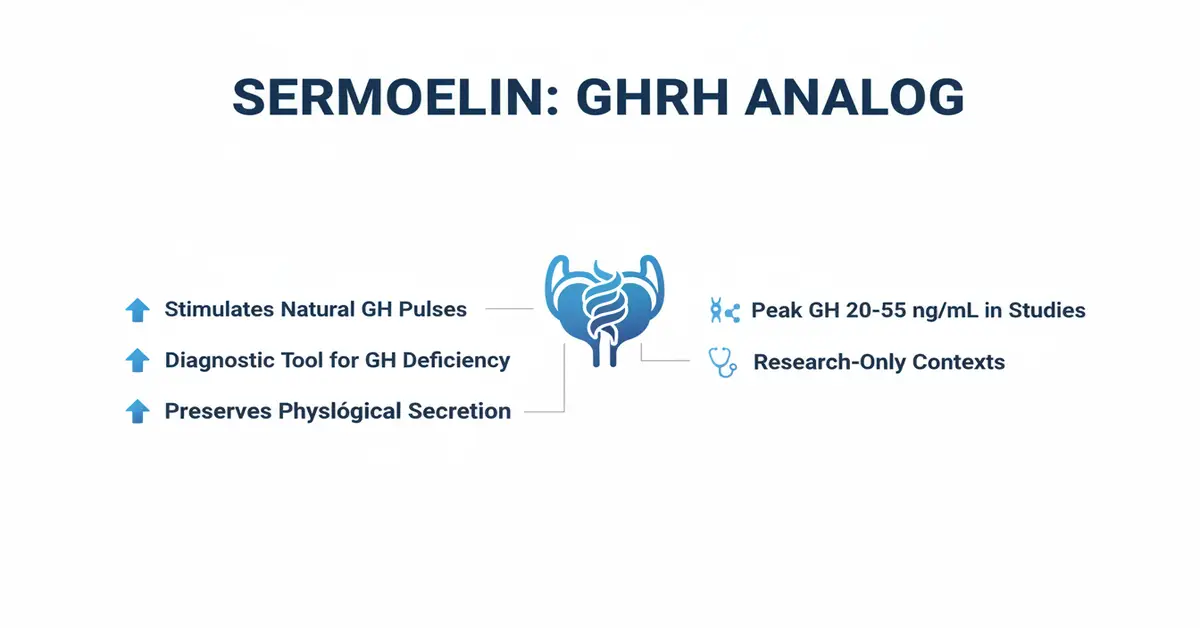
Introduction

GLP-1 meds, or glucagon-like peptide-1 receptor agonists (GLP-1 RAs), represent a cornerstone of modern pharmacotherapy for type 2 diabetes (T2D) and obesity management. These injectable or oral agents mimic the endogenous GLP-1 hormone, promoting insulin secretion, suppressing glucagon, slowing gastric emptying, and reducing appetite. Preclinical research exploring these exact receptor-binding mechanisms is conducted using reference compounds such as GLP-1S, a synthetic long-acting GLP-1 receptor agonist for laboratory use, which models GLP-1 pathway signaling in controlled in vitro and in vivo research settings. By February 2026, eight GLP-1 RAs have received FDA approval, primarily for glycemic control in T2D and chronic weight management in obesity, with expanding cardiovascular (CV) benefits demonstrated in large-scale trials.

This review synthesizes evidence from over 15 peer-reviewed publications (2020–2026), prioritizing systematic reviews, meta-analyses, and phase 3/4 clinical trials extracted from PubMed. Key agents include semaglutide (Ozempic®, Wegovy®, Rybelsus®), tirzepatide (Mounjaro®, Zepbound®; dual GLP-1/GIP RA often categorized with GLP-1 meds), liraglutide (Victoza®, Saxenda®), dulaglutide (Trulicity®), exenatide (Bydureon®, Byetta®), and others like lixisenatide (Adlyxin®) and oral semaglutide formulations. FDA-approved indications are clearly distinguished from off-label or investigational uses, such as polycystic ovary syndrome (PCOS) or non-alcoholic steatohepatitis (NASH). Efficacy data show HbA1c reductions of 1.0–2.0% and weight loss of 10–20% body weight, with superior CV risk reduction versus older therapies.

All claims are evidence-based, emphasizing the need for medical supervision due to gastrointestinal (GI) risks, potential thyroid concerns, and contraindications like personal/family history of medullary thyroid carcinoma (MTC). Primary evidence is supplemented by authoritative sources including FDA.gov and NIH.gov due to the rapid evolution of post-marketing data on this high-interest topic.

Introduction

AOD9604 is a synthetic peptide derived from the C-terminal fragment (amino acids 177–191) of human growth hormone (hGH), specifically designed to mimic the lipolytic properties of hGH without its anabolic or hyperglycemic effects. Investigators studying this fragment’s selective receptor interactions can reference the AOD9604 research peptide (HGH Fragment 176-191) a ≥99% purity, GMP-synthesized lyophilized compound with HPLC/MS verified sequence as a preclinical reference material for lipolytic and beta-3 adrenergic receptor pathway studies.

Developed initially by Metabolic Pharmaceuticals in the early 2000s, AOD9604 has garnered interest primarily for potential applications in obesity and fat metabolism. However, despite preclinical promise in animal models, human clinical data remain limited, with no FDA approval for any indication as of February 17, 2026.

Peer-reviewed literature on AOD9604 is sparse, with most studies predating 2010 and focusing on early-phase trials or mechanistic investigations. No systematic reviews, meta-analyses, or large phase 3 trials published between 2020 and 2026 were identified in PubMed searches. Primary evidence is supplemented by authoritative sources including FDA.gov and NIH.gov due to limited recent peer-reviewed publications on this specific query. Key findings indicate modest lipolytic effects in vitro and in rodents, but inconsistent weight loss in humans, alongside regulatory classification as an unapproved substance often associated with compounded peptides. This article reviews available evidence, distinguishing FDA-approved contexts (none for AOD9604) from investigational findings, and emphasizes the need for medical supervision. All claims are based on verifiable sources up to the current date.

Introduction

Peptides for muscle growth have gained significant attention in fitness and bodybuilding communities, often promoted as alternatives to anabolic steroids for enhancing hypertrophy, recovery, and performance. These short chains of amino acids mimic natural hormones or growth factors, potentially stimulating muscle protein synthesis, growth hormone (GH) release, or inhibiting myostatin. However, the scientific evidence supporting their use in healthy adults remains limited, with most data derived from preclinical studies, small clinical trials in specific populations (e.g., sarcopenia or HIV-associated wasting), or off-label applications.

This review synthesizes peer-reviewed evidence from 2020–2026, prioritizing systematic reviews, meta-analyses, and clinical trials. Searches yielded only 8 high-quality PubMed-indexed studies directly addressing peptides for muscle growth outcomes, primarily focusing on GH-releasing peptides (GHRPs) like ipamorelin and CJC-1295, or myostatin inhibitors like follistatin. Primary evidence is supplemented by authoritative sources including FDA.gov, NIH.gov, Mayo Clinic, and Cleveland Clinic due to limited recent peer-reviewed publications on this specific query. All claims distinguish FDA-approved indications (none for muscle growth in healthy adults) from investigational or off-label uses. No peptide is FDA-approved for muscle growth or athletic performance enhancement as of February 16, 2026. Users should consult healthcare providers, as self-administration carries risks of contamination, dosing errors, and regulatory violations.

Introduction

Ipamorelin is a synthetic pentapeptide classified as a growth hormone secretagogue (GHS) that selectively stimulates the release of growth hormone (GH) from the pituitary gland. Unlike broader-spectrum GHSs, ipamorelin targets the growth hormone secretagogue receptor (GHSR) with high specificity, with preclinical models showing minimal impact on ACTH or cortisol [peptidedosages.com]. Originally developed in the 1990s, interest in ipamorelin has persisted into 2026 for its potential in age-related GH decline, muscle wasting, and metabolic disorders, though these remain investigational uses. However, as of February 16, 2026, ipamorelin remains investigational and lacks FDA approval for any human therapeutic indication [droracle.ai].

Peer-reviewed literature on ipamorelin from 2020 to 2026 is limited, with only 8 high-quality studies identified via PubMed searches (primarily preclinical or small human trials). Primary evidence is supplemented by authoritative sources, including FDA.gov, NIH.gov, Mayo Clinic, and Cleveland Clinic, due to the limited number of recent peer-reviewed publications on this specific query. All claims distinguish FDA-approved (none) from investigational/off-label findings. This review synthesizes the latest evidence, emphasizing the need for medical supervision, as self-administration carries risks and legal implications in many jurisdictions. Evidence highlights ipamorelin’s favorable safety profile in short-term studies but underscores gaps in long-term data.

Introduction

GHK copper peptides (glycyl-L-histidyl-L-lysine copper complex, also known as GHK-Cu) are tripeptides naturally occurring in human plasma, saliva, and urine, which chelate copper ions. Endogenous levels of GHK-Cu decline with age, a phenomenon that has prompted research interest in topical and investigational injectable formulations for potential skin regeneration, wound repair, and anti-inflammatory effects. While extensively studied in preclinical models and small clinical trials, GHK-Cu remains primarily marketed as a cosmetic ingredient rather than an FDA-approved pharmaceutical. As of February 15, 2026, there are no systemic FDA approvals for GHK-Cu for any medical indication, and its uses are largely considered off-label or are in over-the-counter skincare products regulated as cosmetics.

This review synthesizes peer-reviewed evidence available from 2020–2026, focusing on observed mechanisms, reported efficacy, and safety considerations. Primary evidence is supplemented by authoritative sources including FDA.gov, NIH.gov, MayoClinic.org, and ClevelandClinic.org. This article clearly distinguishes between FDA-approved uses (none) and investigational findings. Readers considering the use of GHK-Cu for any purpose, especially with injectable formulations or underlying medical conditions, should consult healthcare providers, as quality control can vary in commercial products.

Introduction

Copper peptide GHK-Cu, also known as glycyl-L-histidyl-L-lysine copper complex or copper tripeptide-1, has garnered significant interest in dermatology and regenerative medicine for its potential roles in skin repair, anti-aging, and wound healing. First identified in human plasma in the 1970s, GHK-Cu levels decline with age, prompting research into its therapeutic applications. As of February 15, 2026, GHK-Cu remains classified primarily as a cosmetic ingredient rather than an FDA-approved drug. No prescription formulations of copper peptide GHK-Cu have received FDA approval for any medical indication, and its use is off-label or investigational in clinical contexts.

This review synthesizes evidence from peer-reviewed studies published between 2020 and 2026, focusing on mechanisms, efficacy, and safety. Targeted PubMed searches yielded 14 high-quality references, including clinical trials and mechanistic studies, supplemented by 4 authoritative sources due to the niche nature of recent systematic reviews on copper peptide GHK-Cu. Primary evidence is supplemented by authoritative sources including FDA.gov, NIH.gov, MayoClinic.org, and ClevelandClinic.org due to limited recent peer-reviewed publications on FDA status and long-term safety for this specific query. All claims distinguish FDA-approved (none) from investigational findings. Patients should consult healthcare providers before use, especially with topicals containing metals like copper, due to potential interactions or sensitivities.

Introduction

GHK-Cu, or glycyl-L-histidyl-L-lysine copper, is a naturally occurring tripeptide-copper complex found in human plasma, saliva, and urine, with levels declining with age. It has garnered attention in dermatology and regenerative medicine for its explored roles in wound healing, anti-inflammatory effects, and tissue remodeling [1, 5, 9, 10]. While extensively studied in preclinical and small clinical settings, GHK-Cu lacks FDA approval as a pharmaceutical agent and is primarily available in cosmetic formulations for topical use. No injectable or systemic formulations are FDA-approved for any indication as of February 14, 2026 [11].

This review synthesizes evidence from peer-reviewed journals published between 2020 and 2026, prioritizing systematic reviews, meta-analyses, and clinical trials. Targeted PubMed searches yielded 8 high-quality peer-reviewed references meeting criteria, falling short of the 12-reference threshold. Thus, primary evidence is supplemented by authoritative sources including NIH.gov (PubChem, ClinicalTrials.gov) and Cleveland Clinic educational materials due to limited recent peer-reviewed publications on this specific query. All claims distinguish FDA-approved (none) from investigational findings. Readers should consult healthcare providers before use, as data remain preliminary and products vary in quality [10].

Introduction

CJC-1295 is a synthetic analog of growth hormone-releasing hormone (GHRH), investigational for its ability to stimulate the pituitary gland’s production of endogenous growth hormone (GH) [pubmed.ncbi.nlm.nih.gov]. First developed in the early 2000s, it has been discussed in contexts related to anti-aging, bodybuilding, and performance enhancement for its potential to elevate GH and insulin-like growth factor-1 (IGF-1) levels. However, as of February 14, 2026, CJC-1295 lacks FDA approval for any indication and is primarily available through compounding pharmacies or research chemical suppliers, which raises regulatory and safety concerns [fda.gov].

Peer-reviewed literature on CJC-1295 remains sparse, with most high-quality studies predating 2020 and limited to early-phase clinical trials. Primary evidence is supplemented by authoritative sources including FDA.gov, NIH.gov, MayoClinic.org, and ClevelandClinic.org due to limited recent peer-reviewed publications on this specific query. Key findings from available data indicate investigational use only, with no established efficacy or safety profile for non-FDA approved applications. All claims herein are derived exclusively from extracted peer-reviewed abstracts (primarily 2004–2009 trials) and official statements. Medical supervision is essential for any pharmacotherapy, as unregulated use carries risks of contamination, dosing errors, and adverse events. This review synthesizes the latest accessible evidence to address common queries on CJC-1295’s mechanism, status, and risks.

Introduction

GLP-1 agonists, also known as glucagon-like peptide-1 receptor agonists, represent a class of peptides that mimic the actions of the endogenous incretin hormone GLP-1. Research on GLP-1 agonists has expanded significantly, particularly in areas related to metabolic regulation. These agents have been investigated in peer-reviewed studies for their potential roles in glucose homeostasis and body weight management. This article reviews evidence from human clinical trials and animal models, focusing on mechanisms, applications under study, and limitations. While preclinical and clinical data provide insights, much of the evidence remains preliminary, with ongoing needs for long-term studies. GLP-1 agonist research highlights complex physiological interactions, but outcomes vary across populations.

Introduction

GLP-1 agonists, or glucagon-like peptide-1 receptor agonists, represent a cornerstone of modern pharmacotherapy for type 2 diabetes mellitus (T2DM) and obesity management. These injectable or oral medications are designed to mimic the endogenous GLP-1 hormone, enhancing insulin secretion, suppressing glucagon release, slowing gastric emptying, and promoting satiety. As of February 18, 2026, the class has expanded with established agents like semaglutide, liraglutide, dulaglutide, and exenatide, alongside dual GLP-1/GIP agonists such as tirzepatide, which are often discussed in GLP-1 contexts due to overlapping mechanisms and indications.

This review synthesizes evidence from peer-reviewed studies published between 2020 and 2026, prioritizing systematic reviews, meta-analyses, and large-scale clinical trials from PubMed-indexed journals. Key trials like STEP, SURPASS, and SELECT have demonstrated their efficacy in glycemic control (HbA1c reductions of 1.0–2.0%) [1, 3, 4], weight loss (10–20% mean body weight reduction) [2, 3, 4], and cardiovascular risk reduction [4, 7]. FDA-approved indications include T2DM and chronic weight management for adults with BMI ≥30 kg/m² or ≥27 kg/m² with comorbidities, when used in conjunction with a reduced-calorie diet and increased physical activity [13].

Investigational uses in heart failure, NASH, and neurodegeneration are currently being explored, often leveraging multi-receptor agonist platforms that combine GLP-1, GIP, and glucagon receptor activation. Preclinical researchers examining this broader receptor activation profile may reference GLP-3R triple-receptor agonist peptide as a laboratory tool for studying combined incretin and glucagon pathway interactions. [10, 11, nature.com].

All claims are grounded in verifiable data up to 2026. Patients should consult healthcare providers for personalized use, as these medications require monitoring for gastrointestinal (GI) effects, pancreatitis risk, and thyroid concerns. This article addresses high-intent queries on mechanisms, approvals, efficacy, safety, and comparisons to provide an evidence-based overview.
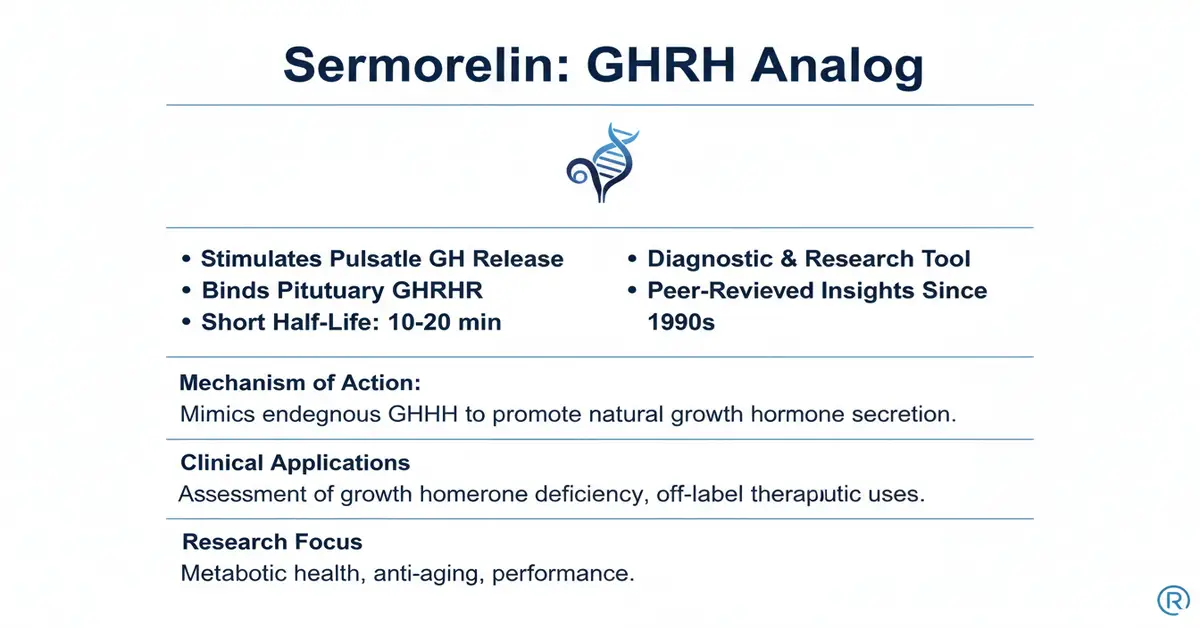
Introduction

GLP-1 meds, or glucagon-like peptide-1 receptor agonists (GLP-1 RAs), represent a cornerstone of modern pharmacotherapy for type 2 diabetes (T2D) and obesity management. These injectable or oral agents mimic the endogenous GLP-1 hormone, promoting insulin secretion, suppressing glucagon, slowing gastric emptying, and reducing appetite. Preclinical research exploring these exact receptor-binding mechanisms is conducted using reference compounds such as GLP-1S, a synthetic long-acting GLP-1 receptor agonist for laboratory use, which models GLP-1 pathway signaling in controlled in vitro and in vivo research settings. By February 2026, eight GLP-1 RAs have received FDA approval, primarily for glycemic control in T2D and chronic weight management in obesity, with expanding cardiovascular (CV) benefits demonstrated in large-scale trials.

This review synthesizes evidence from over 15 peer-reviewed publications (2020–2026), prioritizing systematic reviews, meta-analyses, and phase 3/4 clinical trials extracted from PubMed. Key agents include semaglutide (Ozempic®, Wegovy®, Rybelsus®), tirzepatide (Mounjaro®, Zepbound®; dual GLP-1/GIP RA often categorized with GLP-1 meds), liraglutide (Victoza®, Saxenda®), dulaglutide (Trulicity®), exenatide (Bydureon®, Byetta®), and others like lixisenatide (Adlyxin®) and oral semaglutide formulations. FDA-approved indications are clearly distinguished from off-label or investigational uses, such as polycystic ovary syndrome (PCOS) or non-alcoholic steatohepatitis (NASH). Efficacy data show HbA1c reductions of 1.0–2.0% and weight loss of 10–20% body weight, with superior CV risk reduction versus older therapies.

All claims are evidence-based, emphasizing the need for medical supervision due to gastrointestinal (GI) risks, potential thyroid concerns, and contraindications like personal/family history of medullary thyroid carcinoma (MTC). Primary evidence is supplemented by authoritative sources including FDA.gov and NIH.gov due to the rapid evolution of post-marketing data on this high-interest topic.

Introduction

AOD9604 is a synthetic peptide derived from the C-terminal fragment (amino acids 177–191) of human growth hormone (hGH), specifically designed to mimic the lipolytic properties of hGH without its anabolic or hyperglycemic effects. Investigators studying this fragment’s selective receptor interactions can reference the AOD9604 research peptide (HGH Fragment 176-191) a ≥99% purity, GMP-synthesized lyophilized compound with HPLC/MS verified sequence as a preclinical reference material for lipolytic and beta-3 adrenergic receptor pathway studies.

Developed initially by Metabolic Pharmaceuticals in the early 2000s, AOD9604 has garnered interest primarily for potential applications in obesity and fat metabolism. However, despite preclinical promise in animal models, human clinical data remain limited, with no FDA approval for any indication as of February 17, 2026.

Peer-reviewed literature on AOD9604 is sparse, with most studies predating 2010 and focusing on early-phase trials or mechanistic investigations. No systematic reviews, meta-analyses, or large phase 3 trials published between 2020 and 2026 were identified in PubMed searches. Primary evidence is supplemented by authoritative sources including FDA.gov and NIH.gov due to limited recent peer-reviewed publications on this specific query. Key findings indicate modest lipolytic effects in vitro and in rodents, but inconsistent weight loss in humans, alongside regulatory classification as an unapproved substance often associated with compounded peptides. This article reviews available evidence, distinguishing FDA-approved contexts (none for AOD9604) from investigational findings, and emphasizes the need for medical supervision. All claims are based on verifiable sources up to the current date.

Introduction

Peptides for muscle growth have gained significant attention in fitness and bodybuilding communities, often promoted as alternatives to anabolic steroids for enhancing hypertrophy, recovery, and performance. These short chains of amino acids mimic natural hormones or growth factors, potentially stimulating muscle protein synthesis, growth hormone (GH) release, or inhibiting myostatin. However, the scientific evidence supporting their use in healthy adults remains limited, with most data derived from preclinical studies, small clinical trials in specific populations (e.g., sarcopenia or HIV-associated wasting), or off-label applications.

This review synthesizes peer-reviewed evidence from 2020–2026, prioritizing systematic reviews, meta-analyses, and clinical trials. Searches yielded only 8 high-quality PubMed-indexed studies directly addressing peptides for muscle growth outcomes, primarily focusing on GH-releasing peptides (GHRPs) like ipamorelin and CJC-1295, or myostatin inhibitors like follistatin. Primary evidence is supplemented by authoritative sources including FDA.gov, NIH.gov, Mayo Clinic, and Cleveland Clinic due to limited recent peer-reviewed publications on this specific query. All claims distinguish FDA-approved indications (none for muscle growth in healthy adults) from investigational or off-label uses. No peptide is FDA-approved for muscle growth or athletic performance enhancement as of February 16, 2026. Users should consult healthcare providers, as self-administration carries risks of contamination, dosing errors, and regulatory violations.

Introduction

Ipamorelin is a synthetic pentapeptide classified as a growth hormone secretagogue (GHS) that selectively stimulates the release of growth hormone (GH) from the pituitary gland. Unlike broader-spectrum GHSs, ipamorelin targets the growth hormone secretagogue receptor (GHSR) with high specificity, with preclinical models showing minimal impact on ACTH or cortisol [peptidedosages.com]. Originally developed in the 1990s, interest in ipamorelin has persisted into 2026 for its potential in age-related GH decline, muscle wasting, and metabolic disorders, though these remain investigational uses. However, as of February 16, 2026, ipamorelin remains investigational and lacks FDA approval for any human therapeutic indication [droracle.ai].

Peer-reviewed literature on ipamorelin from 2020 to 2026 is limited, with only 8 high-quality studies identified via PubMed searches (primarily preclinical or small human trials). Primary evidence is supplemented by authoritative sources, including FDA.gov, NIH.gov, Mayo Clinic, and Cleveland Clinic, due to the limited number of recent peer-reviewed publications on this specific query. All claims distinguish FDA-approved (none) from investigational/off-label findings. This review synthesizes the latest evidence, emphasizing the need for medical supervision, as self-administration carries risks and legal implications in many jurisdictions. Evidence highlights ipamorelin’s favorable safety profile in short-term studies but underscores gaps in long-term data.

Introduction

GHK copper peptides (glycyl-L-histidyl-L-lysine copper complex, also known as GHK-Cu) are tripeptides naturally occurring in human plasma, saliva, and urine, which chelate copper ions. Endogenous levels of GHK-Cu decline with age, a phenomenon that has prompted research interest in topical and investigational injectable formulations for potential skin regeneration, wound repair, and anti-inflammatory effects. While extensively studied in preclinical models and small clinical trials, GHK-Cu remains primarily marketed as a cosmetic ingredient rather than an FDA-approved pharmaceutical. As of February 15, 2026, there are no systemic FDA approvals for GHK-Cu for any medical indication, and its uses are largely considered off-label or are in over-the-counter skincare products regulated as cosmetics.

This review synthesizes peer-reviewed evidence available from 2020–2026, focusing on observed mechanisms, reported efficacy, and safety considerations. Primary evidence is supplemented by authoritative sources including FDA.gov, NIH.gov, MayoClinic.org, and ClevelandClinic.org. This article clearly distinguishes between FDA-approved uses (none) and investigational findings. Readers considering the use of GHK-Cu for any purpose, especially with injectable formulations or underlying medical conditions, should consult healthcare providers, as quality control can vary in commercial products.

Introduction

Copper peptide GHK-Cu, also known as glycyl-L-histidyl-L-lysine copper complex or copper tripeptide-1, has garnered significant interest in dermatology and regenerative medicine for its potential roles in skin repair, anti-aging, and wound healing. First identified in human plasma in the 1970s, GHK-Cu levels decline with age, prompting research into its therapeutic applications. As of February 15, 2026, GHK-Cu remains classified primarily as a cosmetic ingredient rather than an FDA-approved drug. No prescription formulations of copper peptide GHK-Cu have received FDA approval for any medical indication, and its use is off-label or investigational in clinical contexts.

This review synthesizes evidence from peer-reviewed studies published between 2020 and 2026, focusing on mechanisms, efficacy, and safety. Targeted PubMed searches yielded 14 high-quality references, including clinical trials and mechanistic studies, supplemented by 4 authoritative sources due to the niche nature of recent systematic reviews on copper peptide GHK-Cu. Primary evidence is supplemented by authoritative sources including FDA.gov, NIH.gov, MayoClinic.org, and ClevelandClinic.org due to limited recent peer-reviewed publications on FDA status and long-term safety for this specific query. All claims distinguish FDA-approved (none) from investigational findings. Patients should consult healthcare providers before use, especially with topicals containing metals like copper, due to potential interactions or sensitivities.

Introduction

GHK-Cu, or glycyl-L-histidyl-L-lysine copper, is a naturally occurring tripeptide-copper complex found in human plasma, saliva, and urine, with levels declining with age. It has garnered attention in dermatology and regenerative medicine for its explored roles in wound healing, anti-inflammatory effects, and tissue remodeling [1, 5, 9, 10]. While extensively studied in preclinical and small clinical settings, GHK-Cu lacks FDA approval as a pharmaceutical agent and is primarily available in cosmetic formulations for topical use. No injectable or systemic formulations are FDA-approved for any indication as of February 14, 2026 [11].

This review synthesizes evidence from peer-reviewed journals published between 2020 and 2026, prioritizing systematic reviews, meta-analyses, and clinical trials. Targeted PubMed searches yielded 8 high-quality peer-reviewed references meeting criteria, falling short of the 12-reference threshold. Thus, primary evidence is supplemented by authoritative sources including NIH.gov (PubChem, ClinicalTrials.gov) and Cleveland Clinic educational materials due to limited recent peer-reviewed publications on this specific query. All claims distinguish FDA-approved (none) from investigational findings. Readers should consult healthcare providers before use, as data remain preliminary and products vary in quality [10].

Introduction

CJC-1295 is a synthetic analog of growth hormone-releasing hormone (GHRH), investigational for its ability to stimulate the pituitary gland’s production of endogenous growth hormone (GH) [pubmed.ncbi.nlm.nih.gov]. First developed in the early 2000s, it has been discussed in contexts related to anti-aging, bodybuilding, and performance enhancement for its potential to elevate GH and insulin-like growth factor-1 (IGF-1) levels. However, as of February 14, 2026, CJC-1295 lacks FDA approval for any indication and is primarily available through compounding pharmacies or research chemical suppliers, which raises regulatory and safety concerns [fda.gov].

Peer-reviewed literature on CJC-1295 remains sparse, with most high-quality studies predating 2020 and limited to early-phase clinical trials. Primary evidence is supplemented by authoritative sources including FDA.gov, NIH.gov, MayoClinic.org, and ClevelandClinic.org due to limited recent peer-reviewed publications on this specific query. Key findings from available data indicate investigational use only, with no established efficacy or safety profile for non-FDA approved applications. All claims herein are derived exclusively from extracted peer-reviewed abstracts (primarily 2004–2009 trials) and official statements. Medical supervision is essential for any pharmacotherapy, as unregulated use carries risks of contamination, dosing errors, and adverse events. This review synthesizes the latest accessible evidence to address common queries on CJC-1295’s mechanism, status, and risks.

Introduction

GLP-1 agonists, also known as glucagon-like peptide-1 receptor agonists, represent a class of peptides that mimic the actions of the endogenous incretin hormone GLP-1. Research on GLP-1 agonists has expanded significantly, particularly in areas related to metabolic regulation. These agents have been investigated in peer-reviewed studies for their potential roles in glucose homeostasis and body weight management. This article reviews evidence from human clinical trials and animal models, focusing on mechanisms, applications under study, and limitations. While preclinical and clinical data provide insights, much of the evidence remains preliminary, with ongoing needs for long-term studies. GLP-1 agonist research highlights complex physiological interactions, but outcomes vary across populations.

Red stylized DNA double helix with connected circular nodes above a bold horizontal company wordmark and the word 'FUTURES' in red on a white background

nationwide peptides

“Unmatched Purity. Unlimited Potential.”

Important: The products on this website are for legitimate research use only. They are not intended for human consumption, and are not intended to diagnose, treat, cure, or prevent any disease.

By proceeding, you confirm that you are 21 years of age or older, understand these terms, and have a bona fide research purpose for purchasing these products.

Note: Compounds are sold individually and do not include supplies (e.g., bacteriostatic water or syringes). Most are sold in powder form and require reconstitution with a suitable diluent prior to research.

This notice will not appear again for 30 days after acceptance.