Retatrutide: Emerging Research on a Triple Agonist for Metabolic Health
- By Isaac
Retatrutide: Emerging Research on a Triple Agonist for Metabolic Health
Retatrutide (LY3437943) is an investigational triple receptor agonist that targets glucagon-like peptide-1 (GLP-1), glucose-dependent insulinotropic polypeptide (GIP), and glucagon receptors. Developed by Eli Lilly, it is being studied in clinical trials for its potential effects on body weight and metabolic parameters in populations with obesity or overweight and in those with type 2 diabetes mellitus (T2DM). Phase 2 trials have reported observations of notable weight reductions and changes in metabolic markers. This review article synthesizes available preclinical and clinical data on retatrutide’s mechanisms, trial outcomes, safety considerations, and ongoing research, providing an educational overview for those interested in advancements in metabolic research.
These statements have not been evaluated by the Food and Drug Administration. This product is not intended to diagnose, treat, cure, or prevent any disease. Retatrutide is not FDA-approved and remains investigational.
Mechanisms of Action
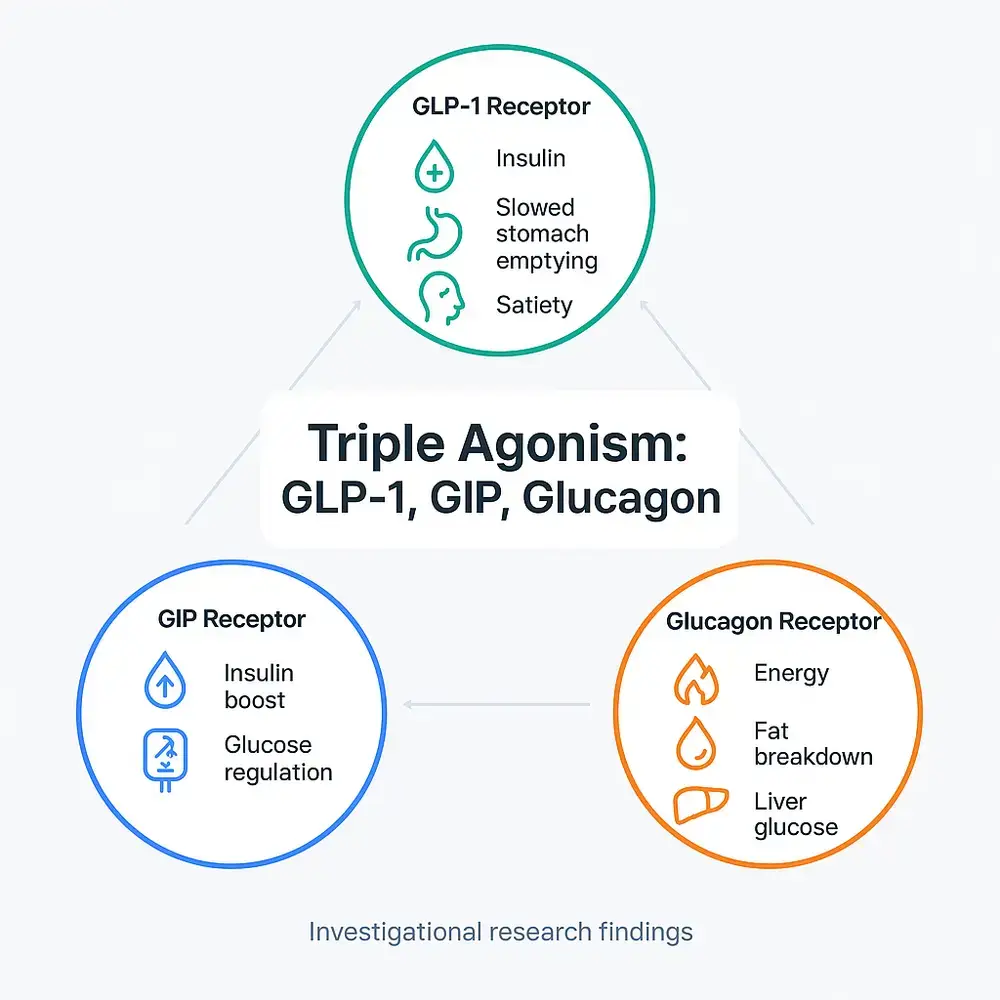
Retatrutide’s design involves activation of three key receptors, each contributing to distinct physiological processes related to metabolism and energy balance.
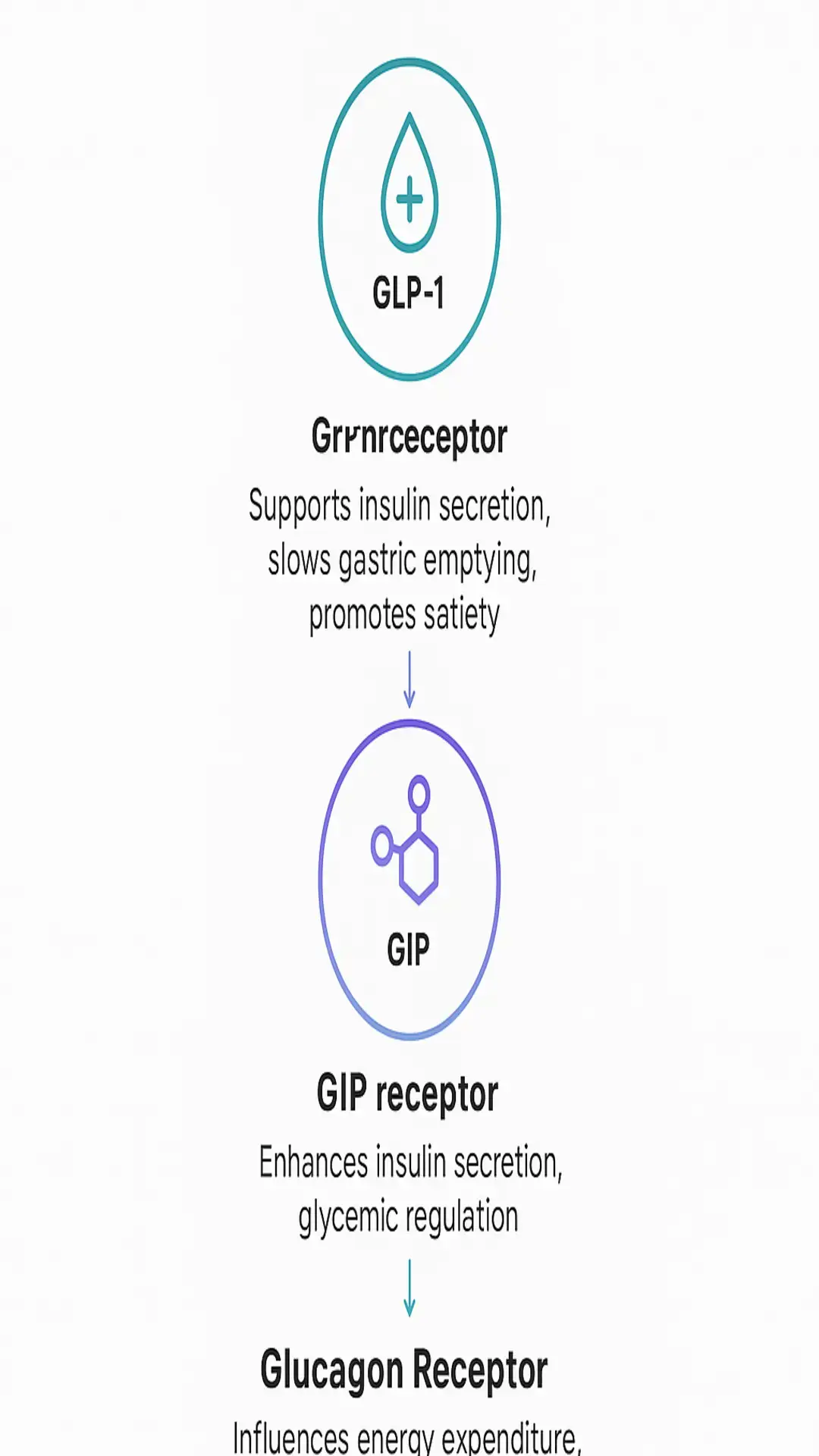
- GLP-1 receptor activation: This supports insulin secretion in a glucose-dependent manner, modulates glucagon release, slows gastric emptying, and may promote feelings of satiety.
- GIP receptor activation: This enhances insulin secretion and supports glycemic regulation.
- Glucagon receptor activation: This influences energy expenditure, lipolysis, and hepatic glucose production.
The combined receptor effects observed in studies suggest potential influences on energy intake, substrate utilization, and body fat regulation. These mechanisms are being explored in preclinical and clinical settings to better understand their interplay.
These statements have not been evaluated by the Food and Drug Administration. These mechanisms describe investigational research findings and are not claims of therapeutic effects.
Investigational Therapeutic Applications
Retatrutide is primarily under investigation for adults with obesity or overweight conditions, often alongside weight-related factors. Studies have also examined its effects in individuals with T2DM, noting changes in body weight and glycemic parameters.
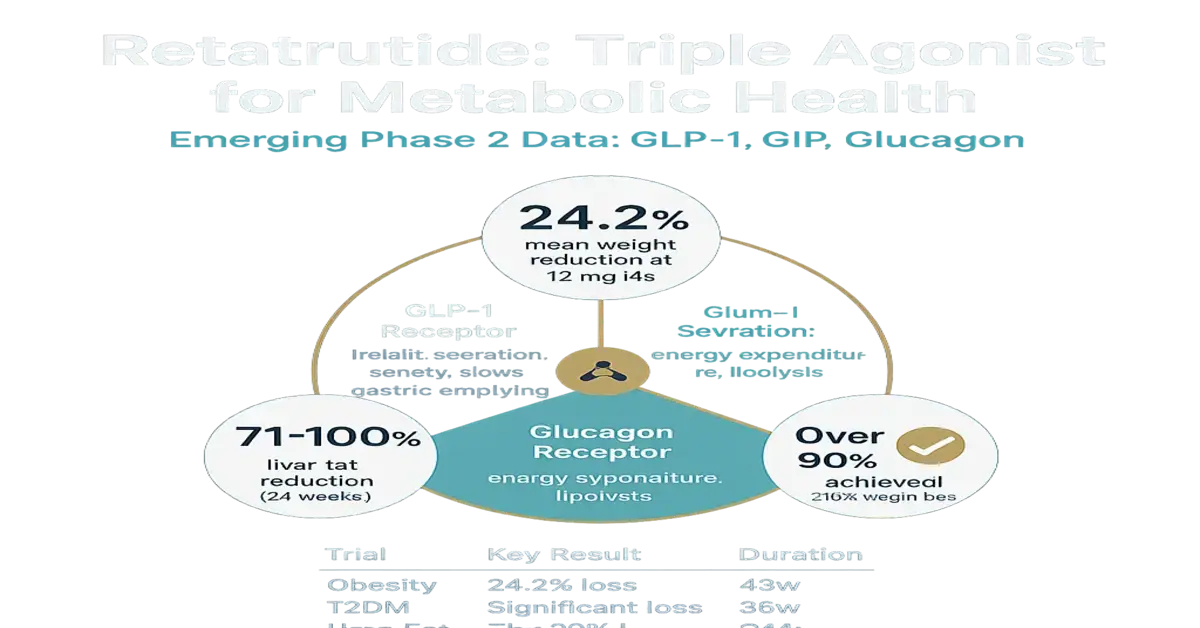
Emerging data from phase 2 trials indicate potential observations in metabolic dysfunction-associated steatotic liver disease (MASLD), with reports of liver fat reductions ranging from 71% to 100% at 24 weeks in certain doses. Phase 3 protocols are incorporating evaluations for conditions like obstructive sleep apnea (OSA) and osteoarthritis (OA).
These applications remain exploratory, with research focused on understanding retatrutide’s effects across metabolic domains. All findings are derived from controlled trial data and do not imply approved uses.
Clinical Evidence from Trials
Clinical trials provide the most direct insights into retatrutide’s investigational profile, particularly from phase 2 studies.
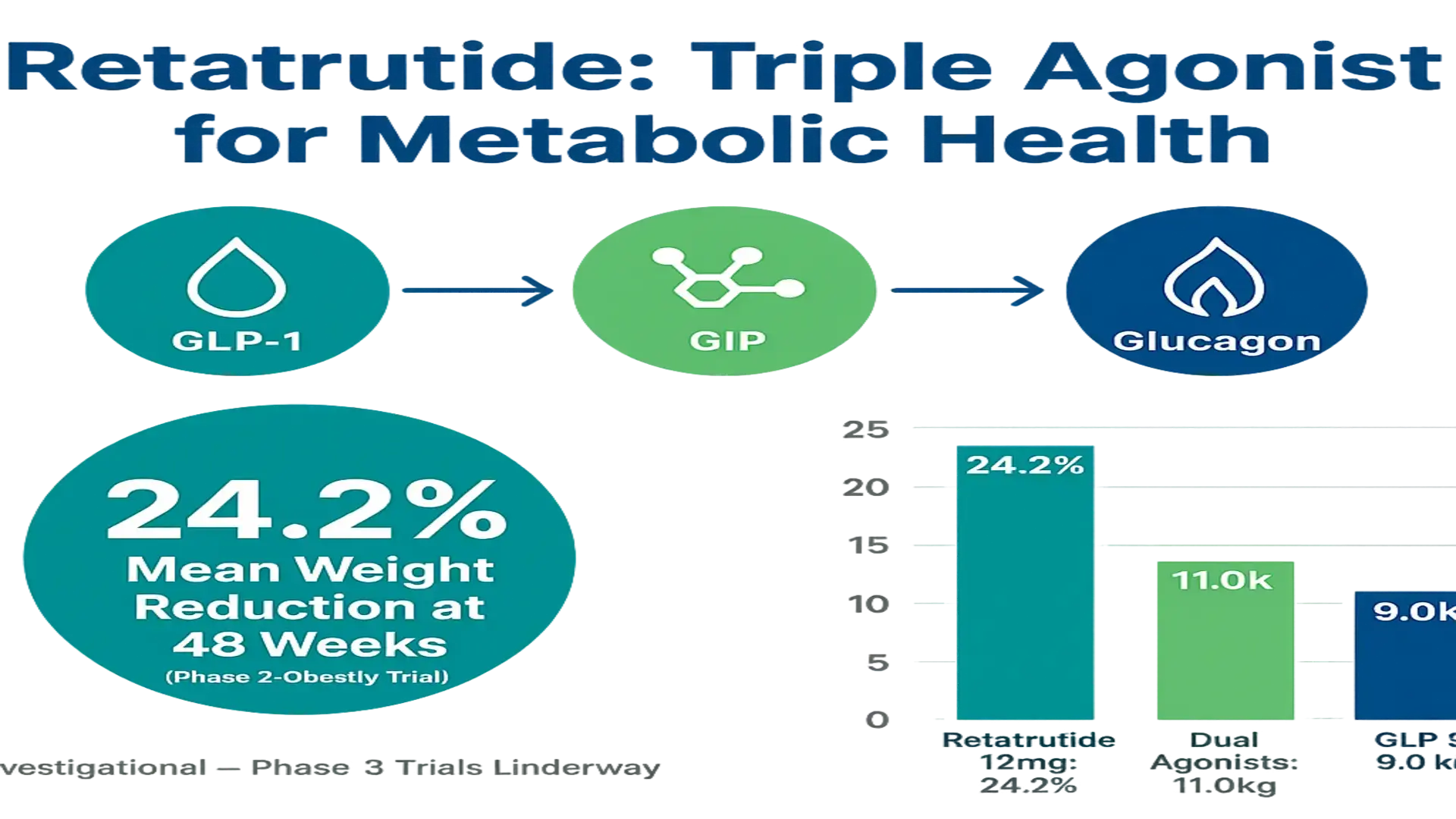
In a phase 2 trial for obesity, the 12 mg dose was associated with a mean weight reduction of 24.2% at 48 weeks, with over 90% of participants achieving at least 10% body weight loss. A separate phase 2 trial in T2DM showed significant weight reductions and shifts toward normoglycemia in higher-dose groups at 36 weeks.
Network meta-analyses comparing retatrutide to other agents have highlighted its association with higher odds of achieving ≥15% weight loss (odds ratio 54.6), surpassing GLP-1 receptor agonists (mean -9.0 kg) and dual agonists (mean -11.0 kg). Additional metabolic observations include improvements in HbA1c, lipid profiles, blood pressure, and body composition, such as greater fat mass reductions compared to agents like dulaglutide.
| Trial Focus | Key Observation (High Dose) | Duration |
|---|---|---|
| Obesity (Phase 2) | 24.2% mean weight reduction; >90% ≥10% loss | 48 weeks |
| T2DM (Phase 2) | Significant weight loss; normoglycemia trends | 36 weeks |
| Liver Fat (Subset) | 71-100% reduction | 24 weeks |
These results underscore retatrutide’s position in ongoing comparative research, though long-term outcomes await phase 3 confirmation.
Challenges and Limitations
As with other incretin-based therapies, retatrutide trials have reported gastrointestinal adverse events, such as nausea and vomiting, which are more common at higher doses. Other observations include potential increases in heart rate linked to glucagon effects.
The safety profile is still evolving, with limited long-term data available. No phase 3 results have been reported, and retatrutide is not FDA-approved. Compounded or unapproved versions pose additional safety concerns and are not recommended.
Researchers emphasize the need for careful dose escalation and monitoring in trial settings to manage these tolerability aspects.
Future Directions in Retatrutide Research
The phase 3 TRIUMPH trials are underway, evaluating retatrutide’s effects on weight management, OSA, OA, and cardiovascular parameters, with data anticipated in 2026. A dedicated cardiovascular outcomes trial (NCT06383390) will further assess long-term safety.
Exploration may extend to indications like non-alcoholic steatohepatitis (NASH) or broader MASLD. Comparative studies with dual agonists could refine dosing strategies and patient selection criteria.
These efforts aim to provide comprehensive data on retatrutide’s role in metabolic research.
Conclusion
Retatrutide, through its triple agonism of GLP-1, GIP, and glucagon receptors, has shown promising phase 2 trial observations, including up to 24% weight reductions and metabolic marker improvements. It appears to outperform existing GLP-1 and dual agonists in certain analyses, with a tolerability profile consistent with its class.
Awaiting phase 3 insights, retatrutide holds potential as a significant area of study in obesity and T2DM research. Ongoing trials will be crucial for evaluating long-term safety and broader applications.
Retatrutide is investigational and not available for clinical use. Consult healthcare professionals for personalized advice.