
Dipeptide Research: Mechanisms, Evidence, and Potential Directions
- By Isaac
Introduction
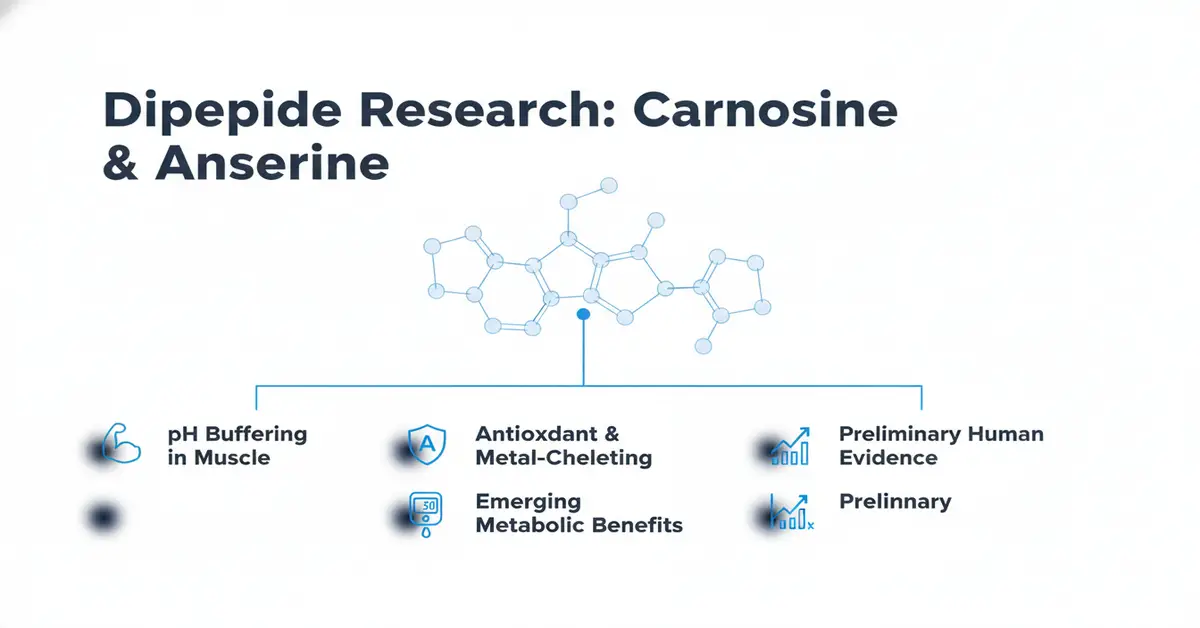
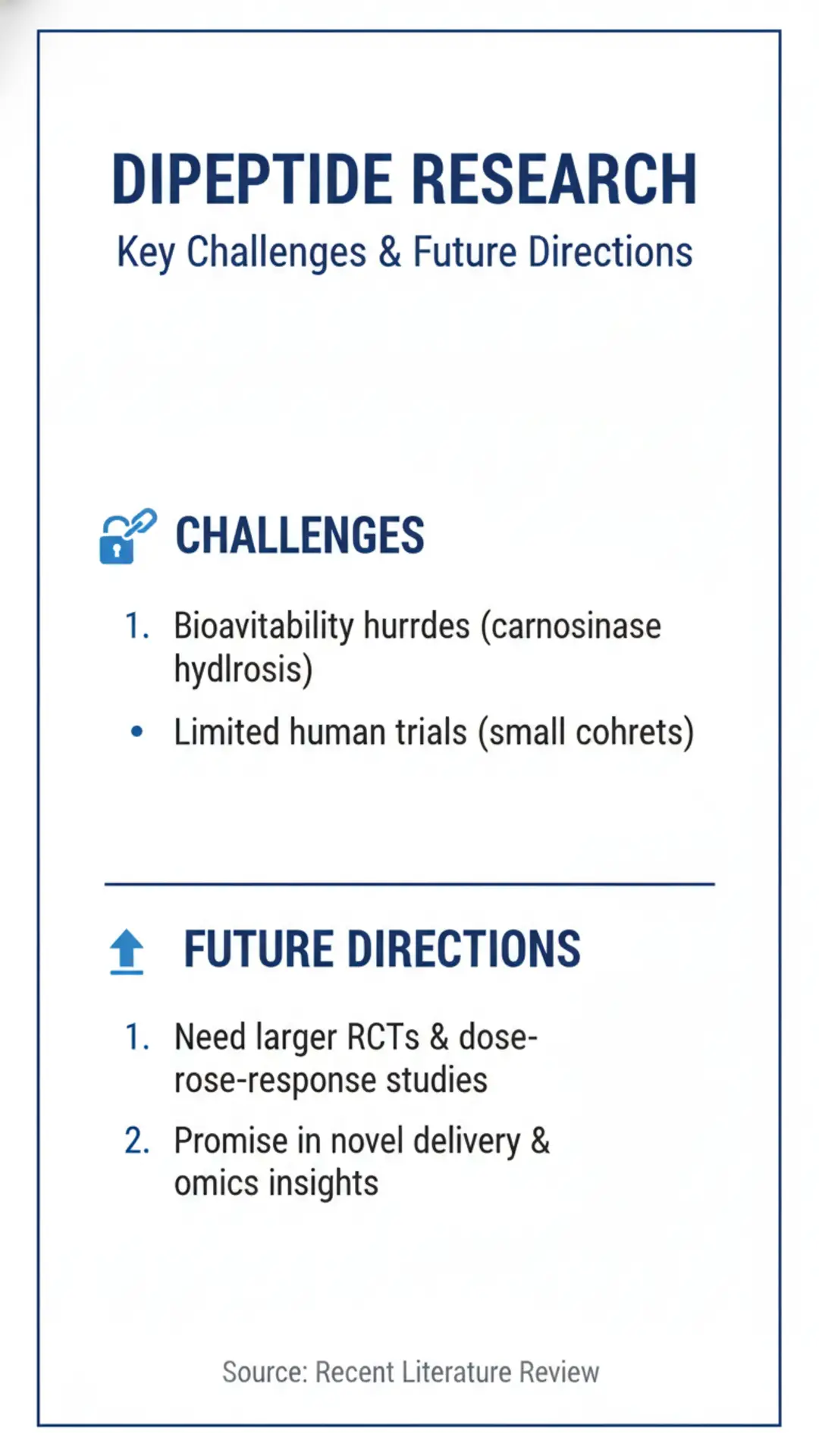
Dipeptide research has gained attention in scientific literature due to the potential roles of these compounds in various physiological processes. A dipeptide consists of two amino acids linked by a peptide bond, and examples such as carnosine and anserine have been subjects of numerous peer-reviewed studies. These dipeptides occur naturally in foods like meat and fish, and preclinical investigations have explored their biochemical properties. Dipeptide research often focuses on histidine-containing variants, which may interact with cellular pathways in animal models. This article reviews evidence from peer-reviewed sources on dipeptide mechanisms, applications under study, and clinical findings, emphasizing the preliminary nature of much of the data. While dipeptide research continues to evolve, human studies remain limited, highlighting the need for cautious interpretation.
Mechanisms of Action
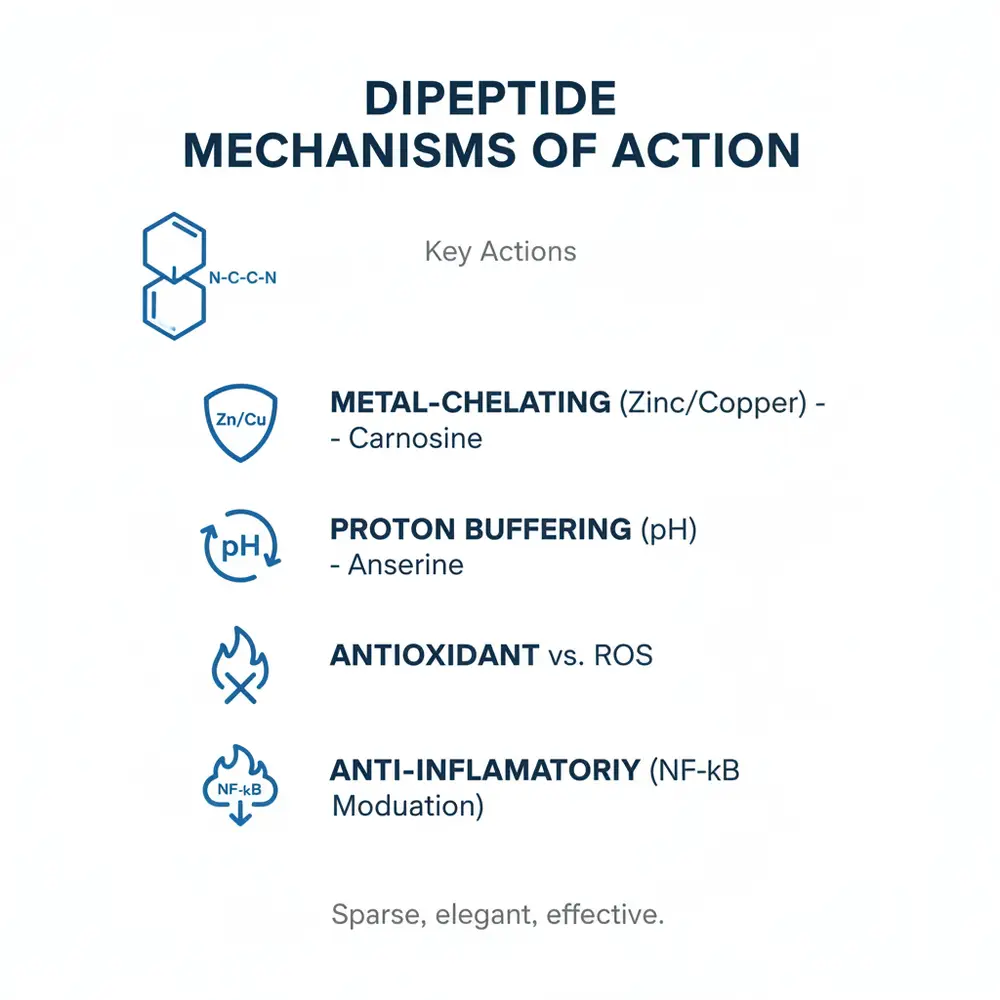
Dipeptide mechanisms of action have been elucidated primarily through in vitro and animal studies. Carnosine exhibits metal-chelating properties, binding zinc and copper ions, which may help mitigate oxidative stress in preclinical models. Histidine-containing dipeptides, such as anserine, act as proton buffers, helping stabilize intracellular pH during metabolic stress. Reviews highlight dipeptide inhibition of enzymes such as dipeptidyl peptidase-4 (DPP-4), which cleaves incretin hormones, though this effect is more pronounced with DPP-4 inhibitors than with native dipeptides. Bioactive dipeptide research suggests interference with the formation of advanced glycation end-products (AGEs), as observed in rodent models of hyperglycemia. Structural analyses reveal dipeptide transporter interactions, such as PEPT1/PEPT2 binding, influencing bioavailability. Anti-inflammatory effects via modulation of the NF-κB pathway are observed in cell cultures exposed to dipeptides. These mechanisms remain context-dependent, with animal data indicating that dipeptides react with reactive oxygen species (ROS). Overall, dipeptide research points to multifaceted actions, but translation to humans requires further validation.
Therapeutic Applications
Dipeptide research has explored metabolic regulation, cognitive function, and muscle performance in preclinical settings. Carnosine has been studied for potential interactions with glucose homeostasis pathways in animal models of insulin resistance. Anserine supplementation in rodents suggests influences on fatigue resistance during repetitive tasks. Dipeptide applications in neuroprotection are under investigation, with histidine dipeptides examined in models of aging-related decline. Animal studies on skin and joint health note the roles of dipeptides in collagen stabilization, though the evidence is preliminary. Cardiovascular research includes studies of dipeptide effects on pressure overload in mice, potentially via inhibition of histone acetyltransferase. Immune modulation appears in dipeptide interactions with inflammatory markers in vitro. Wound-healing models demonstrate that dipeptides promote tissue repair. These therapeutic applications of dipeptides are largely derived from animal data, underscoring the exploratory stage of this field. No dipeptide has established clinical utility, and research emphasizes conditional observations.
Clinical Evidence
Human clinical evidence on dipeptides is emerging but sparse, primarily involving carnosine and anserine. A randomized trial in overweight adults administered 2 g/day carnosine for 12 weeks, reporting changes in metabolic markers without conclusive outcomes. Elderly participants receiving carnosine/anserine supplementation showed altered verbal episodic memory and brain network connectivity in a small study. Another intervention with histidine-containing dipeptides observed improvements in depression scores and quality of life metrics in randomized trials. Dipeptide research in type 2 diabetes contexts used doses of 0.5–2 g/day carnosine, noting trends in glucose control parameters. A meta-analysis of histidine dipeptide supplementation indicated potential improvements in recall. Trials in athletes explored anserine for physical performance, with mixed results on repeated tasks. These studies often feature small cohorts and short durations, limiting generalizability. Clinical evidence on dipeptides highlights variability, prompting calls for larger, long-term trials.
Challenges and Limitations
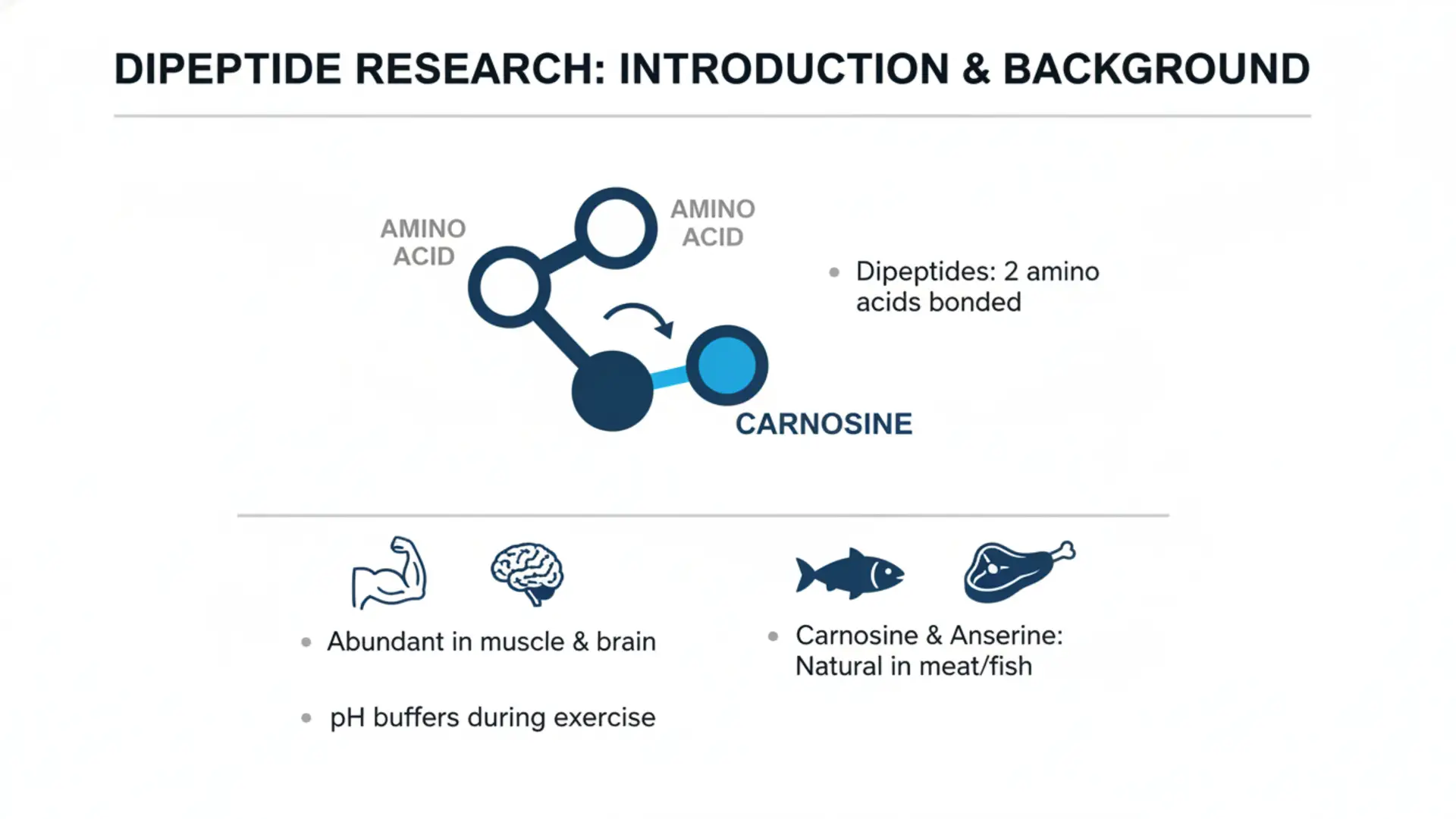
Dipeptide research faces several hurdles, including rapid hydrolysis by serum enzymes such as carnosinase, which reduces bioavailability. Human trials report inconsistent elevations in plasma dipeptides post-supplementation. Methodological limitations, such as small sample sizes and heterogeneous dosing, plague clinical evidence. Distinguishing dipeptide effects from those of precursor amino acids (e.g., β-alanine, histidine) complicates interpretation. Animal models may not fully recapitulate human physiology, particularly with respect to tissue-specific dipeptide accumulation. Regulatory challenges arise from dipeptide classification as supplements rather than drugs, hindering standardized testing. Publication bias toward positive findings skews the literature. Analytical difficulties in quantifying low-concentration dipeptides in biofluids further impede progress. These challenges underscore the preliminary status of dipeptide research, necessitating rigorous controls in future studies.
Future Directions
Advancing dipeptide research requires larger randomized controlled trials to assess dose-response relationships. Longitudinal human studies could clarify the effects of chronic supplementation on targeted pathways. Novel delivery systems, such as nanoparticle encapsulation, may enhance dipeptide stability and absorption. Genetic analyses of carnosinase polymorphisms could personalize dipeptide responses. Integrating dipeptide research with omics technologies promises deeper mechanistic insights. Comparative trials of specific dipeptides (e.g., carnosine vs. anserine) in diverse populations are warranted. Preclinical models incorporating humanized physiology might bridge translational gaps. Collaborative efforts to standardize dipeptide assays would strengthen the quality of evidence. Emerging dipeptide analogs for transporter specificity represent innovative avenues. Overall, future dipeptide research holds promise for refining our understanding, provided methodological rigor prevails.
Conclusion
Dipeptide research illuminates the biochemical versatility of these compounds, from buffering capacities to potential pathway interactions observed in peer-reviewed studies. Key examples such as carnosine and anserine have been examined in animal models and in limited human trials, revealing metabolic and cognitive processes under investigation. While mechanisms like antioxidant activity and enzyme modulation provide a foundation, clinical evidence remains tentative, with challenges in bioavailability and study design persisting. Dipeptide research continues to evolve, offering opportunities for deeper exploration without overstepping the boundaries of current evidence. Ongoing efforts may yield more nuanced insights into the roles of dipeptides in physiological contexts.
References
Ahrén B. Pharmacology, physiology, and mechanisms of action of dipeptidyl peptidase-4 inhibitors. Endocr Rev. 2014. https://academic.oup.com/edrv/article/35/6/992/2354726
Mapelli C, et al. A review on mechanisms of action of bioactive peptides against glucose intolerance and insulin resistance. Food Sci Hum Wellness. 2022. https://www.sciopen.com/article/10.1016/j.fshw.2022.06.001
Hipkiss AR, et al. A carnosine intervention study in overweight human volunteers. Sci Rep. 2016. https://www.nature.com/articles/srep27224
Rokicki J, et al. Daily carnosine and anserine supplementation alters verbal episodic memory and resting state network connectivity in healthy elderly adults. Front Aging Neurosci. 2015. https://www.frontiersin.org/journals/aging-neuroscience/articles/10.3389/fnagi.2015.00219/full
Szcześniak KA, et al. Carnosine/histidine-containing dipeptide supplementation improves mental health outcomes. Nutr Rev. 2025. https://academic.oup.com/nutritionreviews/article/83/2/e54/7636304
Marques A, et al. Carnosine supplementation improves glucose control in adults with diabetes. Nutr Metab Cardiovasc Dis. 2024. https://www.nmcd-journal.com/article/S0939-4753(23)00419-2/pdf
Yamada Y, et al. Anserine, balenine, and ergothioneine: impact of histidine-containing dipeptides. Nutrients. 2025. https://www.mdpi.com/2072-6643/17/5/828
Boldyrev A, et al. Carnosine—a natural bioactive dipeptide: bioaccessibility, bioactivity, and pharmacokinetics. J Food Bioact. 2019. https://www.sciopen.com/article/10.31665/JFB.2019.5174
Kishikawa S, et al. Anserine, a histidine-containing dipeptide, suppresses pressure overload-induced systolic dysfunction. Sci Rep. 2024. https://pmc.ncbi.nlm.nih.gov/articles/PMC10889817/
Uoike N, et al. Effects of carnosine and histidine-containing dipeptides on cardiometabolic risks. Front Nutr. 2024. https://pmc.ncbi.nlm.nih.gov/articles/PMC11551452/
References
References
Ahrén B. Pharmacology, physiology, and mechanisms of action of dipeptidyl peptidase-4 inhibitors. Endocr Rev. 2014. https://academic.oup.com/edrv/article/35/6/992/2354726
Mapelli C, et al. A review on mechanisms of action of bioactive peptides against glucose intolerance and insulin resistance. Food Sci Hum Wellness. 2022. https://www.sciopen.com/article/10.1016/j.fshw.2022.06.001
Hipkiss AR, et al. A carnosine intervention study in overweight human volunteers. Sci Rep. 2016. https://www.nature.com/articles/srep27224
Rokicki J, et al. Daily carnosine and anserine supplementation alters verbal episodic memory and resting state network connectivity in healthy elderly adults. Front Aging Neurosci. 2015. https://www.frontiersin.org/journals/aging-neuroscience/articles/10.3389/fnagi.2015.00219/full
Szcześniak KA, et al. Carnosine/histidine-containing dipeptide supplementation improves mental health outcomes. Nutr Rev. 2025. https://academic.oup.com/nutritionreviews/article/83/2/e54/7636304
Marques A, et al. Carnosine supplementation improves glucose control in adults with diabetes. Nutr Metab Cardiovasc Dis. 2024. https://www.nmcd-journal.com/article/S0939-4753(23)00419-2/pdf
Yamada Y, et al. Anserine, balenine, and ergothioneine: impact of histidine-containing dipeptides. Nutrients. 2025. https://www.mdpi.com/2072-6643/17/5/828
Boldyrev A, et al. Carnosine—a natural bioactive dipeptide: bioaccessibility, bioactivity, and pharmacokinetics. J Food Bioact. 2019. https://www.sciopen.com/article/10.31665/JFB.2019.5174
Kishikawa S, et al. Anserine, a histidine-containing dipeptide, suppresses pressure overload-induced systolic dysfunction. Sci Rep. 2024. https://pmc.ncbi.nlm.nih.gov/articles/PMC10889817/
Uoike N, et al. Effects of carnosine and histidine-containing dipeptides on cardiometabolic risks. Front Nutr. 2024. https://pmc.ncbi.nlm.nih.gov/articles/PMC11551452/