
For Research Use Only. Educational content for laboratory research literacy. Not medical advice; not for human use.
TB-500 peptide benefits in research literature
TB-500 peptide benefits are discussed in preclinical literature around tissue-repair models, actin regulation, and cell-migration pathways. This page outlines how researchers frame TB-500 peptide benefits without implying approved medical use.
For deeper primary sources on themes related to TB-500 peptide benefits, review studies on PubMed and program context at NIH.gov, then compare research compounds in the research peptides catalog.
Quick Answer
What Are TB-500 Peptide Benefits in Research?
In laboratory literature, TB-500 Peptide Benefits are discussed around preclinical models of tissue-repair research, cell migration, actin regulation, and inflammation signaling. This guide summarizes research themes for educational use and does not imply approved medical applications.
TB-500 Peptide Benefits: Research Overview, Mechanisms & Literature Themes
Scientific Snapshot
| Research Compound | TB-500 (Thymosin Beta-4 fragment / research peptide) |
| Peptide Classification | Synthetic research peptide related to thymosin beta-4 pathways |
| Scientific Focus | Cell migration, actin binding, tissue-repair models |
| Research Areas | Wound biology, muscle-recovery models models, regenerative signaling |
| Analytical Evaluation | Identity verification / COA documentation review |
Quick Facts
| Common Name | TB-500 |
| Related Molecule | Thymosin Beta-4 |
| Primary Research Area | tissue-repair research and cellular motility models |
| Related Research Topics | BPC-157, regenerative peptide comparisons |
| Scientific Methods | Preclinical literature review and documentation literacy |
Key Takeaways
- TB-500 Peptide Benefits discussions in research centers on preclinical tissue-repair and migration pathways.
- Most cited themes involve actin regulation, cell migration, and inflammation-related signaling models.
- Comparisons with BPC-157 should keep study models and endpoints explicit.
- COA and batch documentation habits support responsible research procurement literacy.
Table of Contents
- What is TB-500 (Thymosin Beta-4)?
- How Does TB-500 Work? (Mechanism of Action)
- Key TB-500 Peptide Benefits Observed in Research
- TB-500 vs BPC-157: Comparison
- TB-500 Study Exposure Ranges Reported in Literature
- TB-500 Peptide Benefits Across Research Studies
- Research Observations and Handling Considerations
- TB-500 Peptide Benefits FAQ
Introduction
Important Research Disclaimer:
This article is for educational and research purposes only. TB-500 (Thymosin Beta-4) is a research peptide not approved by the FDA for human consumption. The information presented here is based on preclinical studies, laboratory research, and scientific literature. This content does not constitute medical advice, and readers should rely on primary literature and institutional review requirements. All products sold by Nationwide Peptides are intended for laboratory research use only, not for human consumption. TB-500 Peptide Benefits discussed in laboratory literature center on preclinical models of tissue-repair research, cell migration, and inflammation signaling.
This guide summarizes research themes without implying approved medical use. Review primary literature via
PubMed results on TB-500 and thymosin beta-4, and compare documentation practices using our certificate of analysis resources.
Research Note
Evidence Boundaries
Content is educational and research-focused. Interpret TB-500 Peptide Benefits language within laboratory and preclinical contexts only.
What is TB-500 (Thymosin Beta-4)?
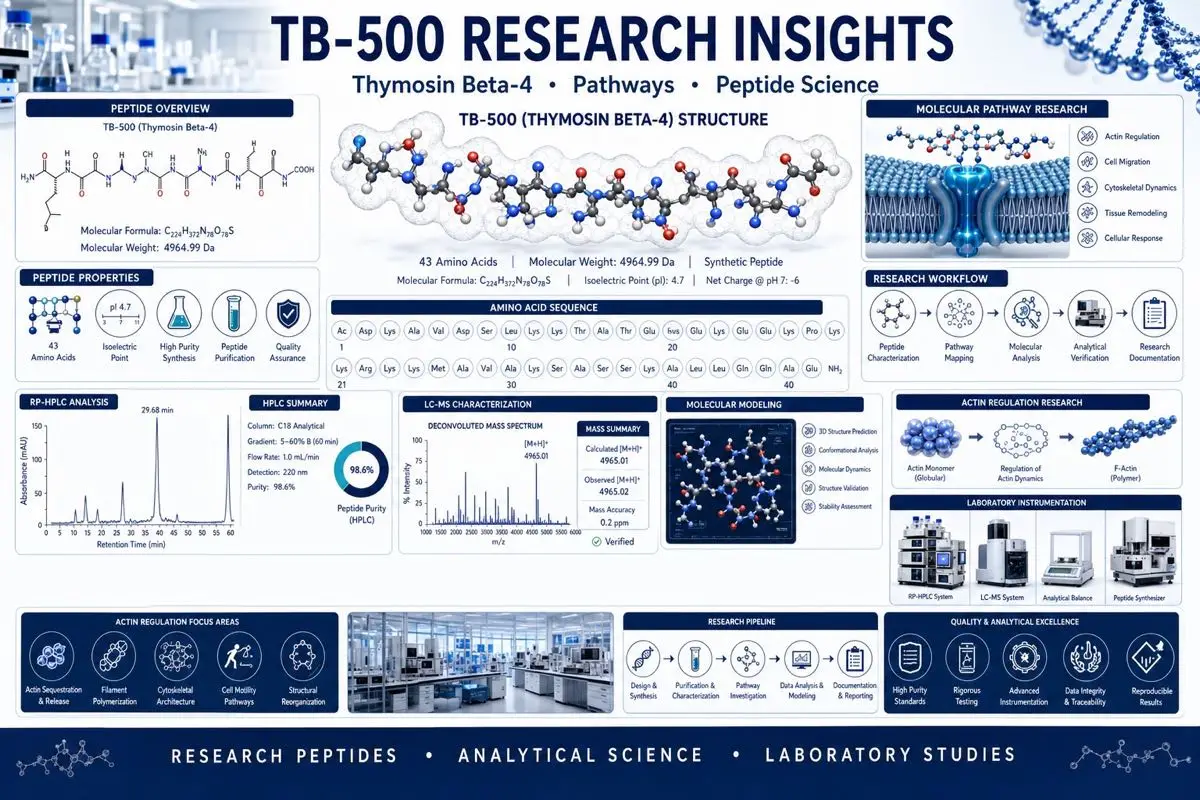
TB-500, also known as Thymosin Beta-4, is a synthetic version of a naturally occurring peptide present in virtually all human and animal cells. First discovered in the 1960s, this 43-amino acid peptide plays a crucial role in cell migration, tissue-repair research, and regeneration processes. Found in high concentrations in blood platelets, wound fluid, and various tissues, Thymosin Beta-4 has become a subject of intense scientific research due to its remarkable tissue-repair research properties. TB-500 peptide benefits have been extensively studied in laboratory settings, where researchers have documented its ability to accelerate tissue-repair research, reduce inflammation, and promote cellular regeneration.
The synthetic version, TB-500, replicates the structure and function of naturally occurring Thymosin Beta-4, making it valuable for research into wound-healing models, muscle-recovery models, and tissue-regeneration mechanisms. The peptide’s unique molecular structure allows it to bind with actin, a protein essential for cell structure and movement. This binding capability makes TB-500 particularly interesting to researchers studying cellular repair mechanisms, tissue engineering, and regenerative biology research applications.
How Does TB-500 Work? (Mechanism of Action)
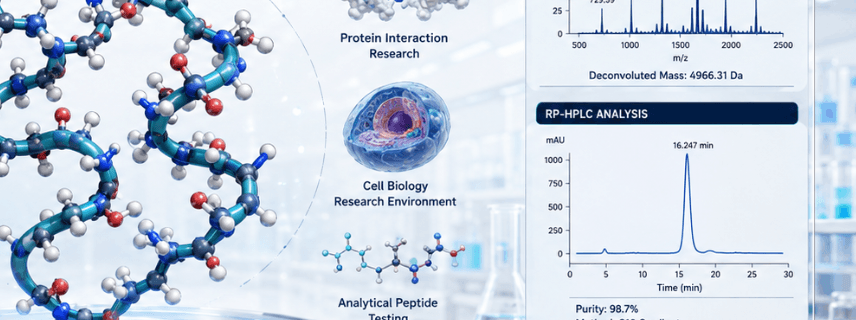
Understanding TB-500 peptide benefits requires examining its sophisticated mechanism of action at the cellular level. The peptide operates through multiple pathways to modulate pathways studied in tissue-repair and regeneration models. TB-500’s primary function involves regulating actin, a globular protein that forms microfilaments in cells. Actin plays a fundamental role in cell structure, movement, and division. TB-500 binds to actin monomers, preventing their polymerization and thereby controlling the formation of actin filaments. This regulation is crucial for cell migration, which is essential for wound-healing research and tissue-repair research processes.
Research has shown that TB-500 promotes the formation of new blood vessels (angiogenesis) by facilitating endothelial cell migration. This process is critical for delivering oxygen and nutrients to damaged tissues, associated with faster repair markers in experimental models. One of the most notable TB-500 peptide benefits is its ability to enhance cell migration. When tissues are damaged, cells must move to the injury site to initiate repair. TB-500 facilitates this migration by reorganizing the cytoskeleton and creating pathways for cells to travel efficiently. This mechanism has been demonstrated in various cell types, including fibroblasts, keratinocytes, and endothelial cells.
Studies have shown that TB-500 upregulates the expression of laminin-5, a protein essential for cell migration and wound-healing research. By increasing laminin-5 production, TB-500 creates a favorable environment for cell movement and tissue regeneration.
Key TB-500 Peptide Benefits Observed in Research
Research into TB-500 peptide benefits has revealed multiple potential applications in tissue-repair research, regeneration, and recovery. While all studies remain in laboratory and preclinical phases, the findings have generated significant scientific interest. TB-500 has demonstrated remarkable potential for accelerating tissue-repair research in laboratory studies. The peptide promotes the migration of repair cells to injury sites, enhances collagen deposition, and stimulates the formation of new tissue. Research indicates that TB-500 may help regenerate various tissue types, including muscle, tendon, ligament, and skin. In preclinical studies, TB-500 has shown promise for treating soft tissue injuries common in athletic and occupational settings.
The peptide appears to is studied for effects on muscle, tendon, and ligament repair markers in laboratory models by promoting cellular migration and tissue regeneration. One of the most researched TB-500 peptide benefits themes involves muscle-recovery and repair models. Laboratory studies have shown that TB-500 can help regenerate damaged muscle fibers and improve muscle tone. The peptide works by promoting satellite cell activation and migration, essential processes for muscle fiber repair and growth. Athletes and researchers have shown interest in TB-500 for its potential to speed recovery from muscle strains, tears, and training-induced microtrauma.
However, it’s important to note that TB-500 is sold strictly for research purposes and is not approved for human performance enhancement. TB-500’s role in wound-healing models represents one of its most studied research applications. The peptide accelerates wound closure by promoting keratinocyte migration, enhancing collagen synthesis, and stimulating angiogenesis. Research has shown that TB-500 has been reported to alter healing-rate markers in various experimental wound models, including surgical wounds, traumatic injuries, and chronic wounds.
Studies have demonstrated that TB-500 exposure in research models has been associated with shorter measured repair intervals by promoting faster tissue regeneration and reducing inflammatory responses that might otherwise delay healing. Research indicates that TB-500 possesses significant anti-inflammatory properties. The peptide appears to modulate inflammatory cytokine production, reducing excessive inflammation that can damage tissues and impede healing. By controlling the inflammatory response, TB-500 creates a more favorable environment for tissue-repair research and regeneration. This anti-inflammatory action has been observed in various tissue types and may explain some of the peptide’s broader tissue-repair findings beyond simple cell migration.
Emerging research suggests that TB-500 peptide benefits may extend to cardiovascular health. Studies have shown that the peptide can promote cardiac tissue-repair research following injury, potentially through mechanisms similar to those observed in other tissue types. TB-500 appears to stimulate endothelial cell migration and angiogenesis, which could benefit vascular health and tissue perfusion. While cardiovascular applications remain in early research phases, the findings suggest potential avenues for future investigation into heart and vascular tissue-repair research.
TB-500 vs BPC-157: Comparison
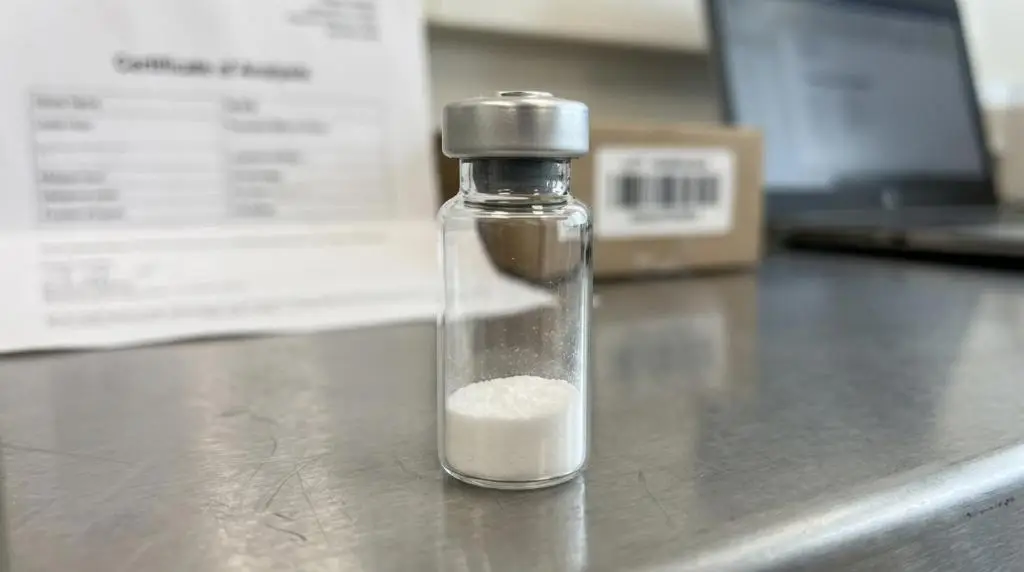
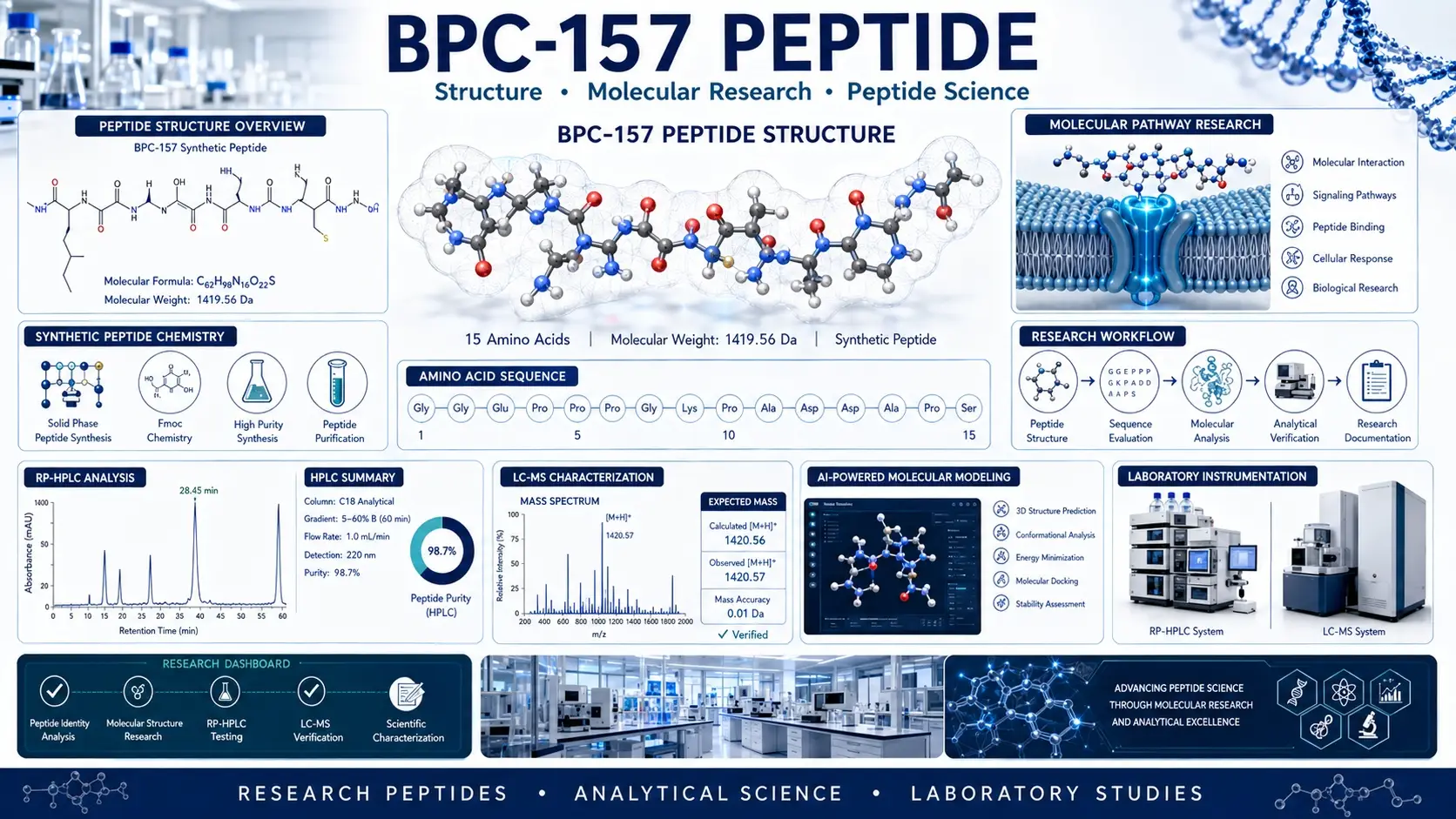
Researchers often compare TB-500 with BPC-157, another peptide studied for tissue-repair research properties. Understanding the differences helps clarify their respective research applications.
| Feature | TB-500 (Thymosin Beta-4) | BPC-157 |
|---|---|---|
| Origin | Synthetic version of naturally occurring peptide | Synthetic version of Body Protection Compound |
| Primary Mechanism | Actin regulation, cell migration | Growth factor modulation, angiogenesis |
| Tissue Focus | Systemic effects, multiple tissue types | Gastrointestinal and musculoskeletal |
| Half-life | Approximately 7-10 days (estimated) | Approximately 4-6 hours (estimated) |
| Research Applications | tissue-repair research, wound-healing research, muscle-recovery models | GI healing, tendon/ligament repair |
| Molecular Weight | ~4,923 Daltons | ~1,419 Daltons |
Both peptides are investigated in tissue-repair research, but they operate through different mechanisms. TB-500 primarily affects cell migration through actin regulation, while BPC-157 focuses more on growth factor stimulation and blood vessel formation. Some researchers investigate synergistic effects when combining both peptides in laboratory settings.
TB-500 Study Exposure Ranges Reported in Literature
For Research Context Only:
Laboratory studies involving TB-500 have used various exposure protocols in published studies. Research-grade TB-500 typically comes in lyophilized powder form often handled as lyophilized powder reconstituted under laboratory SOPs. Common research protocols have explored study-reported exposure ranges described in the literature (experimental context only; not administration guidance). Exposure schedules in research settings have varied widely, with some protocols using daily administration while others use twice-weekly or weekly protocols. The optimal exposure design for specific research applications remains under investigation. Storage requirements typically include refrigeration at 2-8°C for reconstituted products and room temperature for lyophilized powder.
Researchers should always follow proper laboratory protocols and safety procedures when handling research peptides.
TB-500 Peptide Benefits Across Research Studies
Scientific interest in TB-500 peptide benefits has generated numerous research studies examining its mechanisms and potential applications: wound-healing research Studies: Research published in peer-reviewed journals has demonstrated TB-500’s ability to accelerate wound closure in animal models. Studies show enhanced keratinocyte migration, increased collagen deposition, and improved tensile strength in healing wounds. Cardiac Research: Studies examining TB-500’s effects on heart tissue have shown promising results in animal models of cardiac injury. The peptide appears to reduce scar tissue formation and promote functional recovery following cardiac events.
Eye Research: TB-500 has been studied for potential applications in corneal wound-healing research and eye surface repair. Research indicates the peptide may promote faster repair markers in corneal injury models and related ocular research systems. Tendon and Ligament Studies: Laboratory research has explored TB-500’s effects on tendon and ligament healing, with findings suggesting changes in tissue-repair markers and mechanical properties in experimental systems in healing connective tissues. While these studies provide valuable insights, it’s crucial to remember that all research remains in preclinical phases.
No human clinical trials have been completed, and TB-500 is not approved for any medical use.
Research Observations and Handling Considerations
Research into TB-500 has reported some observations regarding potential effects: Observations reported in research settings:
- Localized effects at administration sites in laboratory animal or in vitro settings
- Temporary changes in tissue appearance during healing phases
- Individual variation in response rates
Research Limitations:
- Long-term safety data is limited
- Effects on specific populations require further study
- Potential interactions with other compounds remain under investigation
Important Considerations:
Research peptides should only be handled by qualified professionals in appropriate laboratory settings. Proper safety protocols, including sterile technique and appropriate personal protective equipment, must always be followed.
TB-500 Peptide Benefits FAQ
TB-500 is a research peptide studied for its investigational role in tissue-repair, wound-healing, and cellular-regeneration models. It is a synthetic version of Thymosin Beta-4, a naturally occurring peptide involved in cell migration and tissue-repair research processes. TB-500 is sold strictly for research and laboratory use only. TB-500 works primarily by regulating actin, a protein essential for cell structure and movement. This regulation facilitates cell migration to injury sites, promotes angiogenesis (new blood vessel formation), and enhances tissue regeneration processes. The peptide also demonstrates anti-inflammatory properties that may support healing.
TB-500 is a synthetic version of Thymosin Beta-4, designed to replicate the structure and function of the naturally occurring peptide. While chemically similar, TB-500 is produced synthetically for research purposes, whereas natural Thymosin Beta-4 is produced within the body. Research has identified several potential TB-500 peptide benefits, including accelerated wound-healing research, enhanced tissue-repair research, improved muscle-recovery models, anti-inflammatory effects, and cardiovascular tissue regeneration. All benefits studied remain in laboratory and preclinical research phases. Research timelines vary depending on the specific application and study protocol.
Some laboratory studies have observed cellular effects within hours, while tissue-level changes typically require days to weeks. Research continues to explore optimal protocols for various applications. Some research has explored combining TB-500 with other peptides like BPC-157 to investigate potential synergistic effects. However, such combinations require careful laboratory protocols and should only be conducted by qualified researchers in appropriate settings. TB-500 is sold as a research chemical for laboratory use only. It is not approved by the FDA for human consumption, medical treatment, or performance enhancement. Legal status may vary by jurisdiction, and buyers should ensure compliance with local regulations.
Research-grade TB-500 typically requires storage in a cool, dry place for lyophilized powder. Once reconstituted, it should be refrigerated at 2-8°C and protected from light. Always follow manufacturer specifications and laboratory safety protocols.
Conclusion
TB-500 peptide benefits represent an active area of scientific research with investigational themes in tissue-repair research, wound-healing research, and regenerative biology research. As a synthetic version of Thymosin Beta-4, this peptide has demonstrated remarkable properties in laboratory studies, including enhanced cell migration, tissue regeneration, and anti-inflammatory effects. While research remains in preclinical phases, the findings to date suggest significant potential for understanding and potentially treating various conditions involving tissue damage and impaired healing. The peptide’s mechanism of action through actin regulation provides a unique approach to promoting cellular repair processes.
For researchers investigating tissue regeneration, wound-healing research, and cellular repair mechanisms, TB-500 offers a valuable tool for advancing scientific understanding. As with all research peptides, proper laboratory protocols, safety procedures, and regulatory compliance are essential.
Ready to explore TB-500 for your research?
Nationwide Peptides provides research-grade TB-500 and other peptides for laboratory use. Our products are rigorously tested for purity and quality, ensuring reliable results for your research endeavors.
Browse our selection of research peptides and contact our team for any questions about our products. Remember:
All products sold by Nationwide Peptides are intended for research purposes only and are not for human consumption. Always adhere to laboratory safety protocols and applicable regulations when conducting peptide research.
Disclaimer: This article is for educational and research purposes only. The information provided does not constitute medical advice. TB-500 and other research peptides are not approved by the FDA for human use. Always consult qualified professionals and follow appropriate laboratory safety protocols.
Research Note
Documentation Framework for TB-500 Peptide Benefits Reviews
Laboratories summarizing TB-500 Peptide Benefits should keep a dated citation log that separates animal studies from anecdotal claims. Pair each TB-500 Peptide Benefits note with PubMed IDs so reviewers can re-open primary sources quickly. When comparing TB-500 Peptide Benefits across papers, record species, injury model, and measured endpoints. That habit prevents mixing in vitro signaling results with whole-animal repair outcomes. Store COA language beside any TB-500 Peptide Benefits briefing used for staff training. Documentation adjacency keeps research-use-only boundaries visible during onboarding. Revisit TB-500 Peptide Benefits bibliographies quarterly. Preclinical literature grows, and older secondary summaries can overstate certainty.
Research Note
Evidence Boundaries Teams Should Keep Explicit
Educational pages covering TB-500 Peptide Benefits should state that human clinical confirmation remains limited relative to animal work. Explicit boundaries reduce overconfidence among new technicians. Dual-review drafts: one reviewer checks citations; another checks disclaimer placement and regulatory tone. Dual review catches absolute claims before they publish. Discourage marketing phrases that imply approved therapy when describing TB-500 Peptide Benefits. Measured scientific wording aligns with the research-only labeling already used on product materials. Link explainers to internal COA education so readers can verify analytical expectations independently while studying TB-500 Peptide Benefits literature.
Research Note
Training Drills for Literature Literacy
Give trainees a mock packet and ask whether the documents support an educational citation about TB-500 Peptide Benefits. Capture missed steps into a living FAQ. Ask trainees to rewrite hyperbolic social posts into research-only language. Rewrite drills build judgment faster than memorizing definitions alone. Rotate reviewers so familiar vendors do not always soft-pass. Fresh eyes catch expired certificates and vague method descriptions. Map each training module to on-site warehouse and analysis pages so visitors stay inside verified resources.
Review Research Documentation Standards
Compare certificate of analysis practices used alongside literature reviews of TB-500 Peptide Benefits. View COA Resources