
GHK-Cu Peptide: Insights from Peer-Reviewed Research
- By Isaac
Introduction
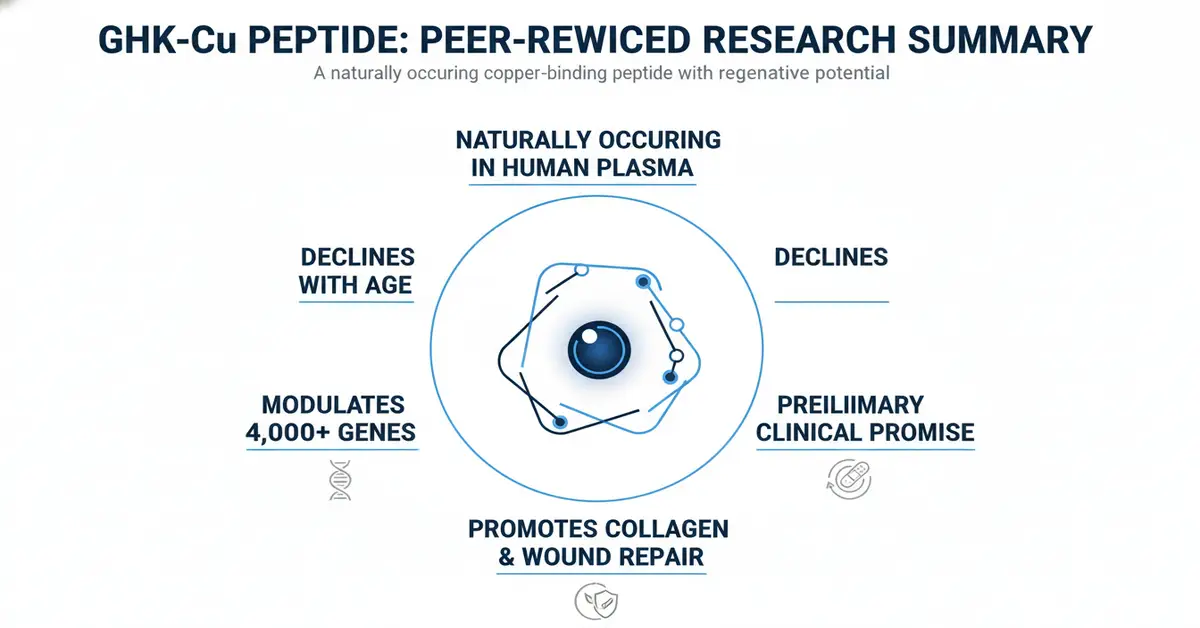
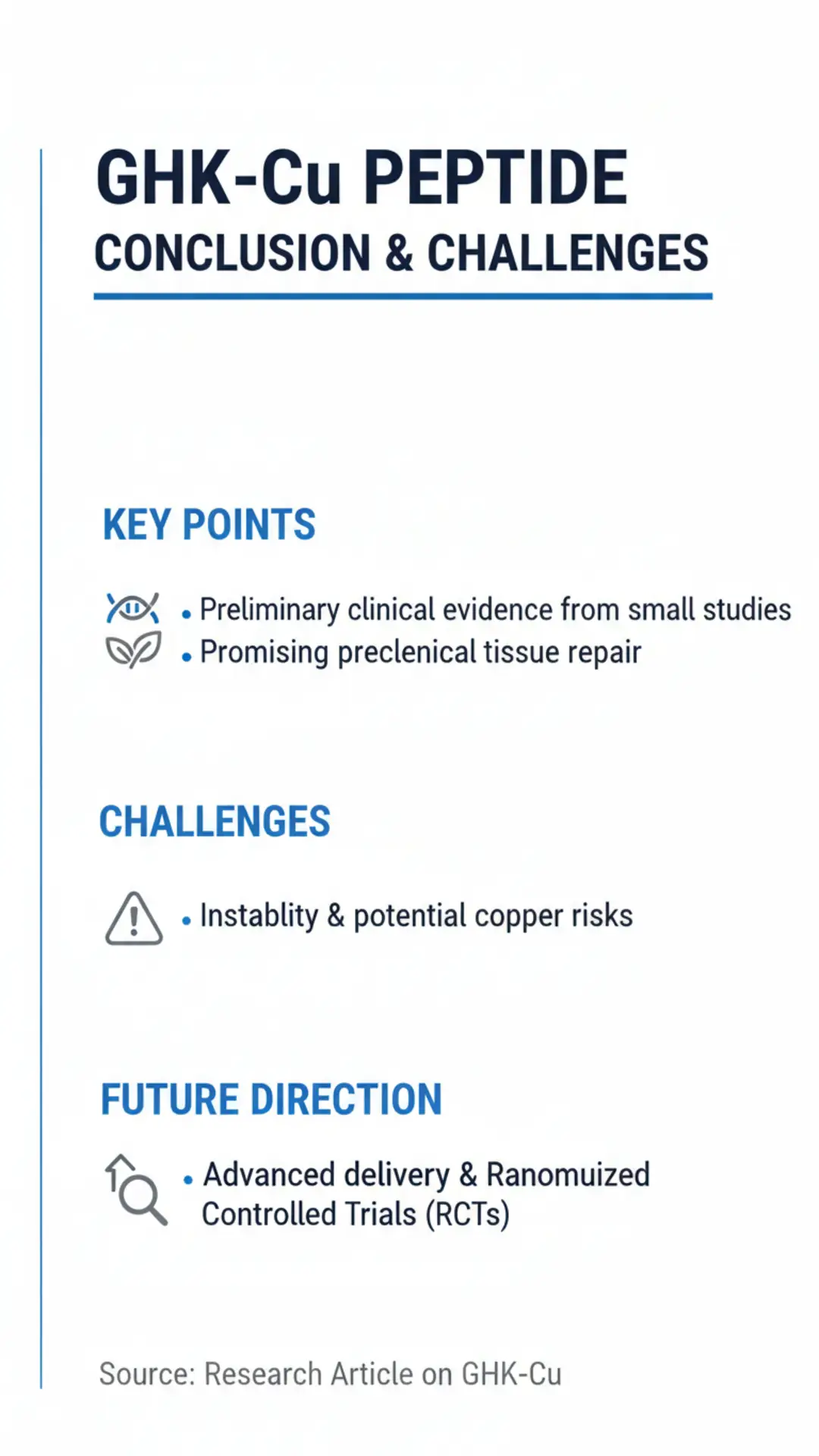
The GHK-Cu peptide, a naturally occurring copper-binding tripeptide composed of glycyl-L-histidyl-L-lysine, has garnered attention in scientific literature for its potential roles in biological processes. Research on the GHK-Cu peptide primarily stems from observations of its presence in human plasma, where levels decline with age. Studies have explored the GHK-Cu peptide in contexts such as tissue remodeling and cellular signaling, with preclinical investigations highlighting interactions with gene expression and extracellular matrix components. This article reviews evidence from peer-reviewed sources on the GHK-Cu peptide, emphasizing mechanisms investigated in laboratory settings, areas of research interest, and limitations of current data. While the GHK-Cu peptide has been examined in various models, human clinical evidence remains preliminary, underscoring the need for cautious interpretation.
Mechanisms of Action
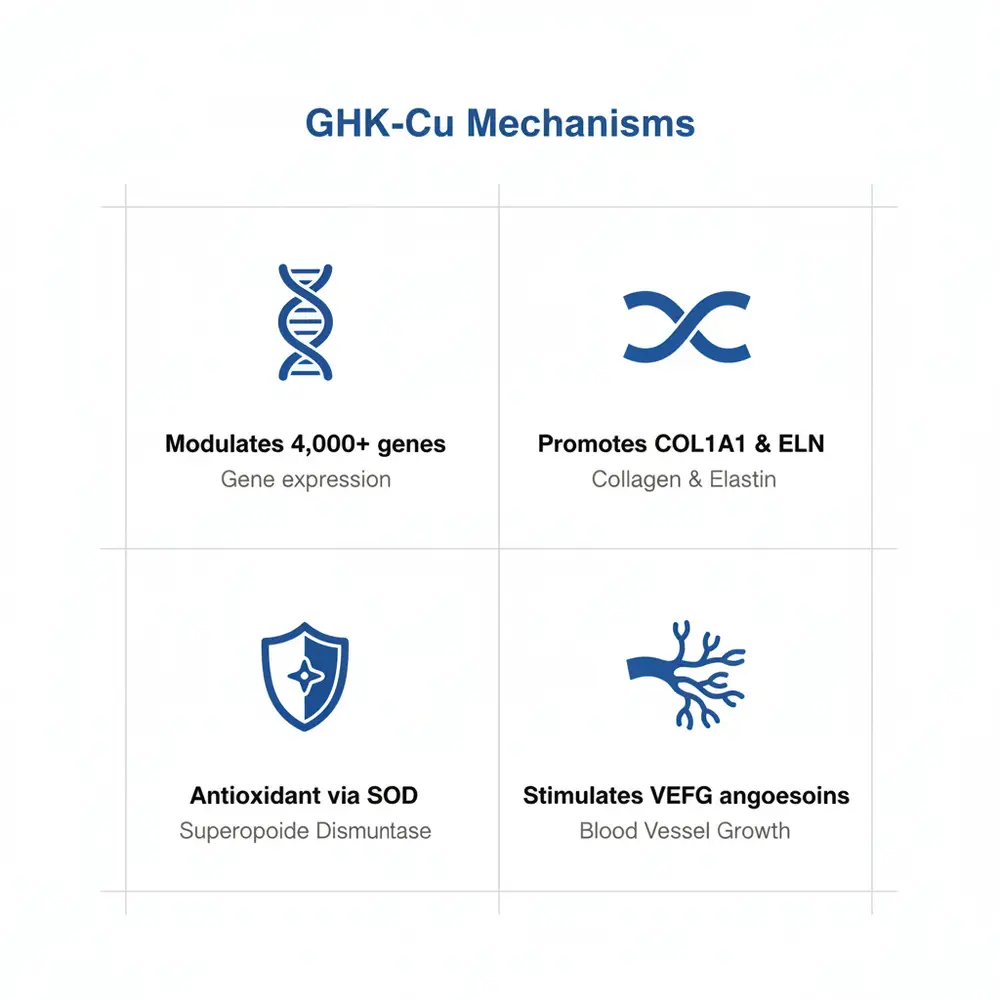
Investigations into the GHK-Cu peptide’s mechanisms reveal interactions with multiple cellular pathways. Gene expression analyses using tools like the Connectivity Map have identified over 4,000 human genes modulated by the GHK-Cu peptide, including those involved in antioxidant defense, inflammation regulation, and extracellular matrix remodeling. Preclinical findings suggest the GHK-Cu peptide promotes collagen and elastin synthesis by upregulating genes such as COL1A1 and ELN while suppressing matrix metalloproteinases (MMPs) like MMP1 and MMP9. In fibroblast cultures, the GHK-Cu peptide has been observed to enhance glycosaminoglycan production and stimulate angiogenesis through vascular endothelial growth factor (VEGF) pathways. Additionally, the GHK-Cu peptide exhibits copper-dependent antioxidant effects, scavenging reactive oxygen species and activating superoxide dismutase. Structural studies indicate that the GHK-Cu peptide’s N-terminal coordination of copper(II) facilitates redox modulation, potentially influencing signal transduction. These mechanisms have been primarily elucidated in cell lines and animal tissues, with limited direct evidence in human systems.
Therapeutic Applications
Research has explored the GHK-Cu peptide in areas such as skin remodeling and wound repair. In vitro studies on dermal fibroblasts suggest the GHK-Cu peptide supports collagen deposition and epithelialization in excisional wound models. Preclinical rodent investigations have examined the GHK-Cu peptide for hair follicle stimulation, where topical formulations increased anagen phase duration. The GHK-Cu peptide has also been studied in inflammatory contexts, such as lipopolysaccharide-induced lung injury, where it appeared to dampen cytokine release. In skin aging models, the GHK-Cu peptide has been investigated for its potential to tighten loose skin and reduce fine lines through extracellular matrix support. Other areas include nerve outgrowth promotion and anti-fibrotic effects in silicosis models, where the GHK-Cu peptide targeted peroxiredoxin 6. These applications remain at the preclinical stage, with no established clinical protocols, and outcomes vary by delivery method and dosage.
Clinical Evidence
Human studies on the GHK-Cu peptide are sparse and typically involve topical applications in small cohorts. A controlled trial with 20 women using a GHK-Cu cream reported improvements in wrinkle depth and skin elasticity after 12 weeks, measured via imaging and biopsy. Another open-label study on photodamaged skin found that GHK-Cu formulations increased collagen density by 70% in dermal biopsies compared to baseline. In hair growth research, a pilot involving GHK-Cu microemulsions showed increased hair shaft elongation in ex vivo follicles, though systemic human data is absent. Subcutaneous injections in cosmetic settings have been anecdotally linked to skin firmness, but peer-reviewed trials are limited to case series. Animal-to-human translation is challenged by species differences; for instance, GHK-Cu accelerated healing in diabetic mouse ulcers but awaits confirmation in human ulcers. Overall, clinical evidence for the GHK-Cu peptide is preliminary, derived from small-scale or non-randomized designs, with calls for larger randomized controlled trials.
Challenges and Limitations
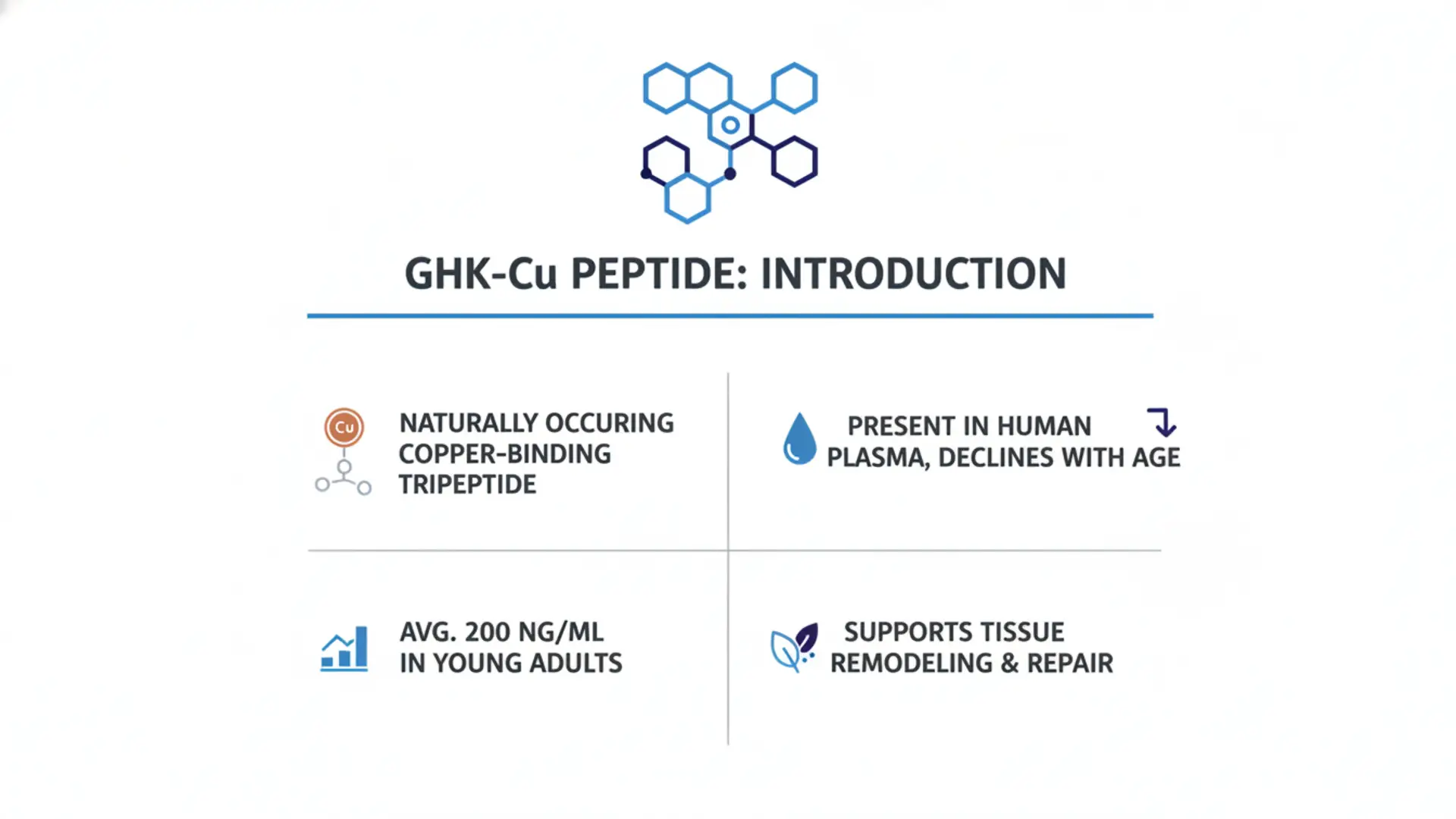
Several hurdles limit broader understanding of the GHK-Cu peptide. Its instability to carboxypeptidase degradation poses delivery challenges, particularly for topical or injectable forms, reducing bioavailability. Copper overload risks from high-dose GHK-Cu peptide administration have been noted in vitro, potentially leading to pro-oxidant effects at elevated concentrations. Human pharmacokinetic data is scarce, with most studies relying on in vitro permeation assays showing modest skin penetration. Variability in GHK-Cu peptide sourcing—synthetic versus plasma-derived—affects purity and efficacy reproducibility. Clinical trials suffer from small sample sizes, lack of placebo controls, and short durations, confounding attribution of effects. Formulation issues, such as aggregation in aqueous solutions, further complicate research. Safety profiles appear favorable in short-term topical use, but long-term systemic exposure lacks comprehensive toxicology data. These limitations highlight that while preclinical promise exists for the GHK-Cu peptide, robust evidence is pending.
Future Directions
Ongoing research aims to address gaps in GHK-Cu peptide knowledge through advanced delivery systems. Nanoparticle encapsulation and ionic liquid microemulsions have shown promise in enhancing GHK-Cu peptide stability and skin permeation in preclinical models. Large-scale randomized trials are needed to evaluate the GHK-Cu peptide in specific conditions like chronic wounds or androgenetic alopecia. Genomic and proteomic profiling could refine mechanisms, identifying biomarkers for responders. Combination therapies pairing the GHK-Cu peptide with growth factors merit exploration. Regulatory advancements may facilitate standardized GHK-Cu peptide testing, bridging preclinical to clinical translation. Longitudinal studies tracking GHK-Cu peptide levels in aging populations could inform physiological relevance. Innovations in self-assembling hydrogels incorporating the GHK-Cu peptide offer potential for sustained release in tissue engineering.
Conclusion
Peer-reviewed investigations into the GHK-Cu peptide underscore its interactions with tissue repair pathways, gene regulation, and antioxidant systems, primarily in preclinical settings. While areas like skin remodeling and wound models show intriguing findings, clinical evidence for the GHK-Cu peptide remains limited to small studies with methodological constraints. Future research may clarify the GHK-Cu peptide’s roles through rigorous trials and improved formulations. This overview emphasizes the preliminary nature of data, advocating evidence-based approaches in GHK-Cu peptide exploration.
References
Pickart L, et al. Regenerative and Protective Actions of the GHK-Cu Peptide in the Light of the New Gene Data. International Journal of Molecular Sciences. 2018. https://pubmed.ncbi.nlm.nih.gov/29986520/
Pickart L, et al. GHK Peptide as a Natural Modulator of Multiple Cellular Pathways in Skin Regeneration. BioMed Research International. 2015. https://pmc.ncbi.nlm.nih.gov/articles/PMC4508379/
Mortazavi SM, et al. Topically applied GHK as an anti-wrinkle peptide: Advantages, problems and prospective. Bioimpacts. 2024. https://pubmed.ncbi.nlm.nih.gov/39963574/
Pickart L, et al. The Effect of the Human Peptide GHK on Gene Expression Relevant to Nerve Outgrowth. Brain Sciences. 2017. https://www.mdpi.com/2076-3425/7/2/20
Leyden J, et al. Effects of GHK-Cu on MMP and TIMP Expression, Collagen and Elastin Production, and Facial Wrinkle Parameters. Journal of Aging Science. 2017. https://www.researchgate.net/publication/312416949
Liu T, et al. Thermodynamically stable ionic liquid microemulsions pioneer non-invasive GHK-Cu delivery for hair growth promotion. Bioactive Materials. 2024. https://www.sciencedirect.com/science/article/pii/S2452199X23003079
Cong R, et al. Dimeric copper peptide incorporated hydrogel for enhanced diabetic wound healing. Nature Communications. 2025. https://www.nature.com/articles/s41467-025-61141-1
Krasnovskaya OO, et al. Novel 2-aminoimidazole-4-one complexes of copper(II) as potential anticancer agents. Journal of King Saud University – Science. 2019. https://www.sciencedirect.com/science/article/pii/S1878535216300375
Lyu J, et al. Structural basis for lipid and copper regulation of the ABC transporter MsbA. Nature Communications. 2022. https://www.nature.com/articles/s41467-022-34905-2
Pickart L. The human tri-peptide GHK and tissue remodeling. Journal of Biomaterials Science, Polymer Edition. 2008. https://www.tandfonline.com/doi/abs/10.1163/156856208784909435
References
References
Pickart L, et al. Regenerative and Protective Actions of the GHK-Cu Peptide in the Light of the New Gene Data. International Journal of Molecular Sciences. 2018. https://pubmed.ncbi.nlm.nih.gov/29986520/
Pickart L, et al. GHK Peptide as a Natural Modulator of Multiple Cellular Pathways in Skin Regeneration. BioMed Research International. 2015. https://pmc.ncbi.nlm.nih.gov/articles/PMC4508379/
Mortazavi SM, et al. Topically applied GHK as an anti-wrinkle peptide: Advantages, problems and prospective. Bioimpacts. 2024. https://pubmed.ncbi.nlm.nih.gov/39963574/
Pickart L, et al. The Effect of the Human Peptide GHK on Gene Expression Relevant to Nerve Outgrowth. Brain Sciences. 2017. https://www.mdpi.com/2076-3425/7/2/20
Leyden J, et al. Effects of GHK-Cu on MMP and TIMP Expression, Collagen and Elastin Production, and Facial Wrinkle Parameters. Journal of Aging Science. 2017. https://www.researchgate.net/publication/312416949
Liu T, et al. Thermodynamically stable ionic liquid microemulsions pioneer non-invasive GHK-Cu delivery for hair growth promotion. Bioactive Materials. 2024. https://www.sciencedirect.com/science/article/pii/S2452199X23003079
Cong R, et al. Dimeric copper peptide incorporated hydrogel for enhanced diabetic wound healing. Nature Communications. 2025. https://www.nature.com/articles/s41467-025-61141-1
Krasnovskaya OO, et al. Novel 2-aminoimidazole-4-one complexes of copper(II) as potential anticancer agents. Journal of King Saud University – Science. 2019. https://www.sciencedirect.com/science/article/pii/S1878535216300375
Lyu J, et al. Structural basis for lipid and copper regulation of the ABC transporter MsbA. Nature Communications. 2022. https://www.nature.com/articles/s41467-022-34905-2
Pickart L. The human tri-peptide GHK and tissue remodeling. Journal of Biomaterials Science, Polymer Edition. 2008. https://www.tandfonline.com/doi/abs/10.1163/156856208784909435