
Roman GLP-1: Peer-Reviewed Research on Glucagon-Like Peptide-1
- By Isaac
Introduction
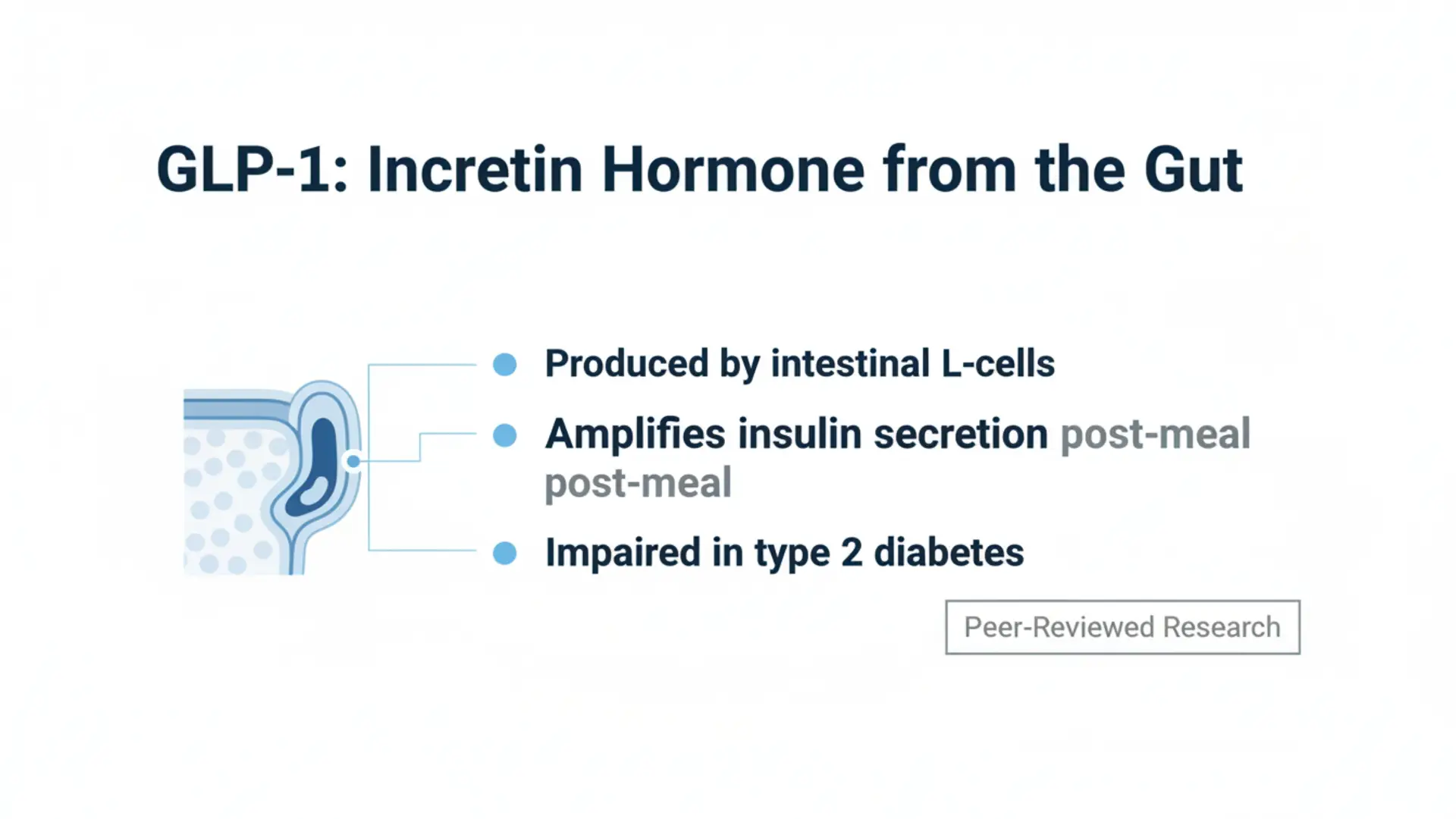
Glucagon-like peptide-1 (GLP-1) has garnered significant attention in scientific literature as an incretin hormone derived from the gut. Searches for terms like “roman glp 1” often reflect interest in GLP-1 research peptides or formulations available through platforms such as Roman, highlighting the need for evidence-based summaries. This article reviews peer-reviewed studies on GLP-1, focusing on its biology, mechanisms, and research findings. GLP-1 has been studied extensively in human and animal models for its roles in glucose regulation and metabolism. Preclinical and clinical investigations provide insights into potential research avenues, though evidence remains preliminary in many areas. Key findings from systematic reviews and trials underscore the importance of rigorous, FDA-compliant interpretation of data.
Mechanisms of Action
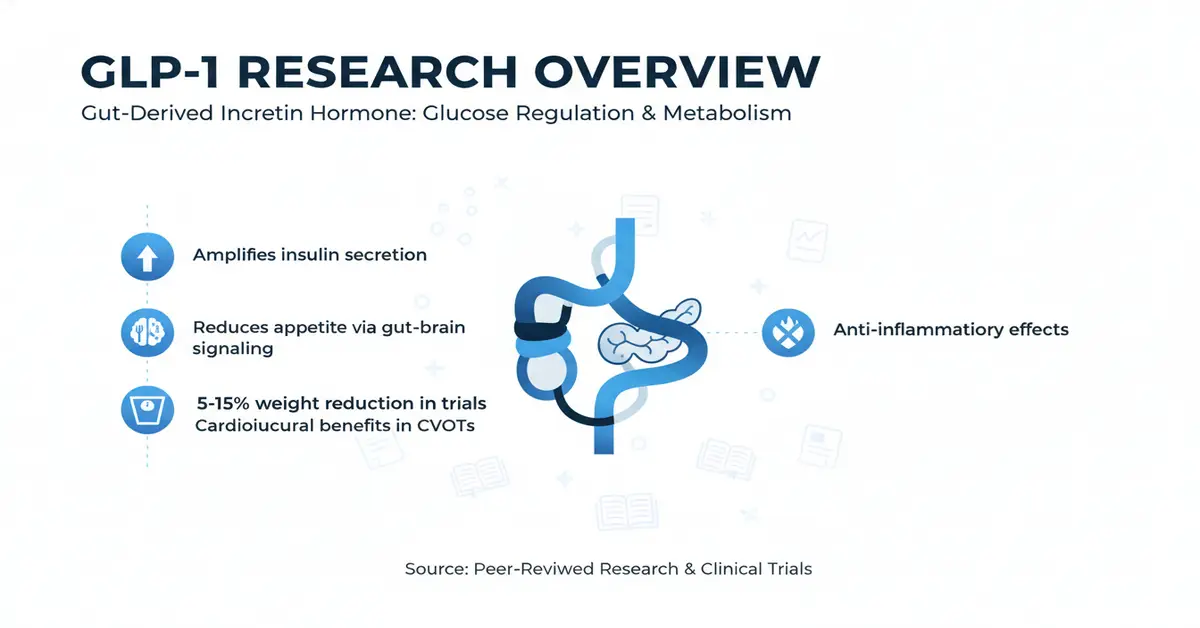
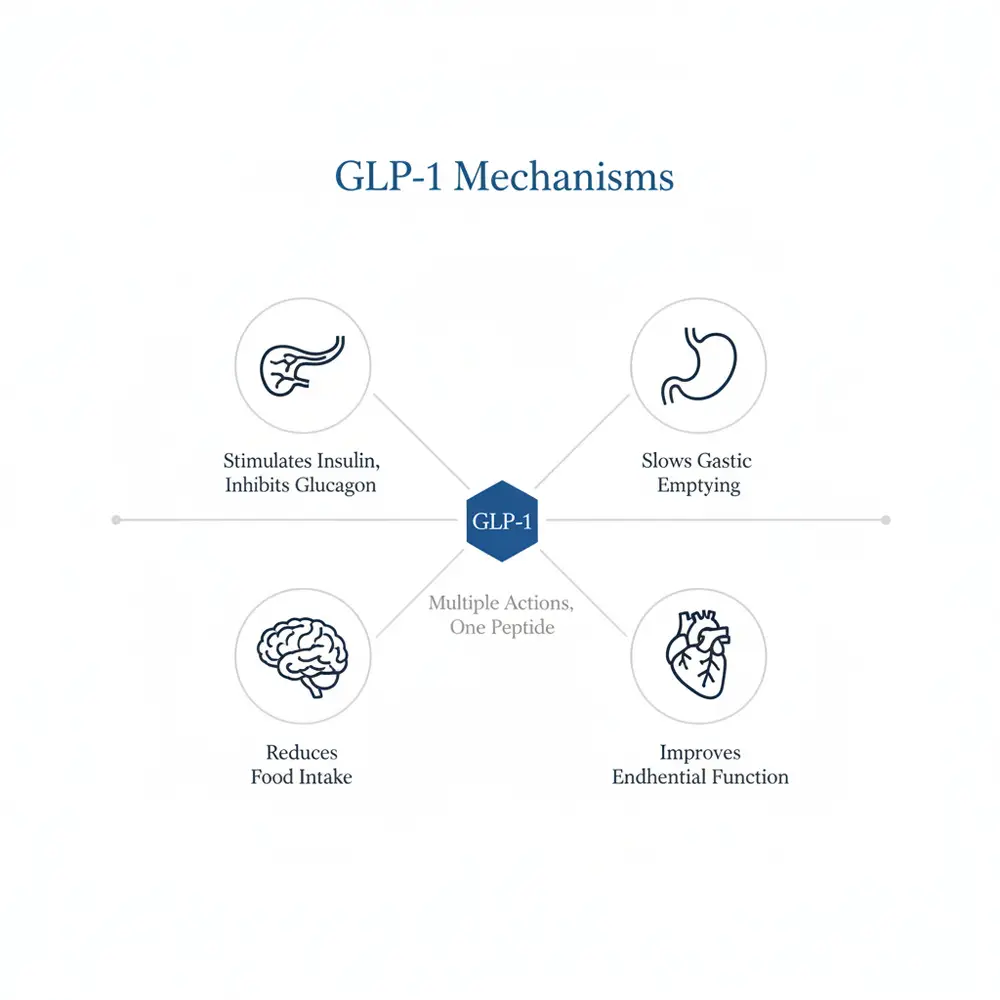
GLP-1 exerts effects via G-protein-coupled GLP-1 receptors (GLP-1R) expressed in the pancreas, brain, heart, and vasculature. Activation of adenylate cyclase increases cAMP, promoting insulin exocytosis in beta-cells while inhibiting glucagon secretion from alpha-cells.
- Preclinical findings suggest GLP-1 slows gastric emptying through vagal afferents and central nervous system (CNS) pathways.
- In animal models, GLP-1 influences hypothalamic neurons to reduce food intake.
- Reviews highlight anti-inflammatory properties, with GLP-1 reducing cytokine production in macrophages.
- Cardiovascular studies in rodents show GLP-1 improving endothelial function via nitric oxide pathways.
Additional mechanisms include delayed nutrient absorption and enhanced thermogenesis in brown adipose tissue, observed in rodent experiments. These actions have been explored in vitro and in vivo, providing a foundation for understanding the diversity of GLP-1 signaling.
Therapeutic Applications
GLP-1 has been investigated in preclinical and clinical contexts for metabolic and related conditions. Research focuses on glucose homeostasis, body weight regulation, and cardiovascular parameters.
- Animal studies explore GLP-1RAs for neuroprotection in Alzheimer’s models, showing reduced amyloid-beta pathology.
- Human trials of GLP-1 in obesity have noted associations with weight reduction.
- Preclinical data suggest potential in Parkinson’s disease via neurotrophic effects.
- Inflammation research in rodents indicates that GLP-1 modulates immune responses.
Ongoing studies assess GLP-1 in non-alcoholic fatty liver disease and chronic kidney disease models. Evidence is primarily from observational and early-phase trials, with limited long-term data.
Clinical Evidence
Numerous randomized controlled trials (RCTs) and meta-analyses provide clinical insights into GLP-1RAs. Cardiovascular outcome trials (CVOTs) like LEADER (liraglutide) and SUSTAIN-6 (semaglutide) report associations with reduced major adverse cardiovascular events in type 2 diabetes cohorts.
- A 2024 StatPearls review summarizes the glycemic effects and weight changes of GLP-1RAs across more than 300 cited studies.
- Meta-analyses of obesity trials show body weight reductions of 5-15% with semaglutide versus comparators.
- Observational data link GLP-1RAs to a lower risk of hospitalization for heart failure in patients with diabetes.
- Recent umbrella reviews grade evidence as moderate-to-high for metabolic outcomes but low for neurological applications.
Animal-to-human translation is evident in STEP trials for obesity, where GLP-1RAs demonstrated sustained effects. However, results vary by population, and placebo-controlled designs can highlight confounders such as lifestyle interventions.
Challenges and Limitations
Research on GLP-1 reveals gastrointestinal (GI) side effects as common, including nausea, vomiting, and delayed emptying. Recent studies report elevated risks of pancreatitis, bowel obstruction, and gastroparesis in GLP-1RA users versus controls.
- Cohort analyses show higher GI event rates, though causality remains unestablished.
- Cancer risk meta-analyses find no consistent signals but call for surveillance.
- Muscle loss during weight reduction limits the duration of long-term studies.
- Access and cost barriers limit generalizability, with real-world adherence lower than in trials.
Preliminary evidence notes potential thyroid C-cell concerns from rodent data, not replicated in humans. Heterogeneity in trial designs and populations underscores the need for cautious interpretation.
Future Directions
Emerging research explores multi-agonists such as tirzepatide (GLP-1/GIP) to enhance efficacy. Preclinical models investigate GLP-1 in neurodegeneration, addiction, and substance use disorders.
- Oral formulations and longer-acting analogs are in development.
- Combination with lifestyle interventions shows promise in pilot studies.
- Neurological trials target Alzheimer’s and Parkinson’s, with phase II data pending.
- Equity-focused studies address diverse populations and post-cessation weight maintenance.
Personalized medicine approaches, including GLP-1R genotyping, may refine research applications. Large-scale trials are needed to clarify rare events and non-metabolic benefits.
Conclusion
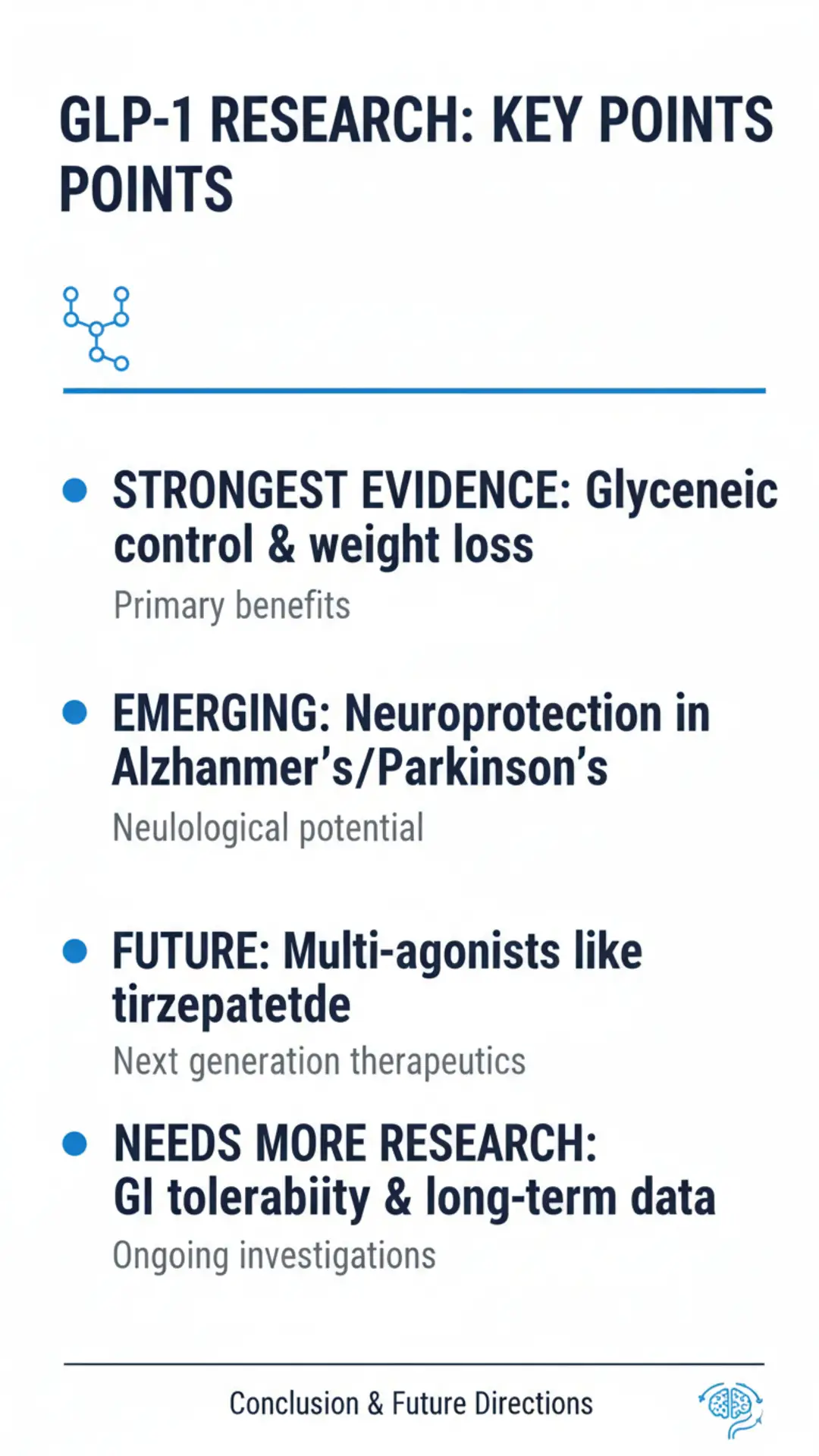
Peer-reviewed studies on GLP-1, including terms like “roman glp 1,” illuminate its multifaceted biology, from a gut hormone to a signaling mediator. While preclinical findings suggest broad research potential in metabolism, cardiovascular health, and beyond, clinical evidence is strongest for glycemic and weight-related outcomes in select groups. Limitations, such as GI tolerability and preliminary data in novel areas, necessitate further investigation. Future work on GLP-1 agonists holds promise for advancing scientific understanding, but it is always interpreted within FDA-compliant frameworks that emphasize limited, conditional evidence.
References
Müller TD et al. Glucagon-like peptide 1 (GLP-1). Nature Reviews Endocrinology. 2019. https://pmc.ncbi.nlm.nih.gov/articles/PMC6812410/
Latif W et al. Compare and Contrast the Glucagon-Like Peptide-1 Receptor Agonists. StatPearls. 2024. https://www.ncbi.nlm.nih.gov/books/NBK572151/
Anandhakrishnan A et al. Glucagon-like peptide 1 in the pathophysiology and treatment of chronic kidney disease. PMC. 2016. https://pmc.ncbi.nlm.nih.gov/articles/PMC5155232/
Lin A et al. Glucagon-like peptide 1 receptor agonists and cancer risk. PMC. 2025. https://pmc.ncbi.nlm.nih.gov/articles/PMC11948983/
Collins L et al. Glucagon-Like Peptide-1 Receptor Agonists. StatPearls. 2024. https://www.ncbi.nlm.nih.gov/books/NBK551568/
Mehdi SF et al. Glucagon-like peptide-1: a multi-faceted anti-inflammatory agent. PMC. 2023. https://pmc.ncbi.nlm.nih.gov/articles/PMC10230051/
Ryan D et al. GLP-1 Receptor Agonists: Nonglycemic Clinical Effects. PMC. 2015. https://pmc.ncbi.nlm.nih.gov/articles/PMC4692091/
Wang JY et al. GLP−1 receptor agonists for the treatment of obesity. PMC. 2023. https://pmc.ncbi.nlm.nih.gov/articles/PMC9945324/
Kopp KO et al. Glucagon-like peptide-1 (GLP-1) receptor agonists and neurodegenerative disorders. Pharmacology & Therapeutics. 2022. https://www.sciencedirect.com/science/article/pii/S1043661822004960
Kong F et al. Glucagon-like peptide 1 (GLP-1) receptor agonists in experimental Alzheimer’s disease models. Frontiers in Pharmacology. 2023. https://www.frontiersin.org/journals/pharmacology/articles/10.3389/fphar.2023.1205207/full
References
References
Müller TD et al. Glucagon-like peptide 1 (GLP-1). Nature Reviews Endocrinology. 2019. https://pmc.ncbi.nlm.nih.gov/articles/PMC6812410/
Latif W et al. Compare and Contrast the Glucagon-Like Peptide-1 Receptor Agonists. StatPearls. 2024. https://www.ncbi.nlm.nih.gov/books/NBK572151/
Anandhakrishnan A et al. Glucagon-like peptide 1 in the pathophysiology and treatment of chronic kidney disease. PMC. 2016. https://pmc.ncbi.nlm.nih.gov/articles/PMC5155232/
Lin A et al. Glucagon-like peptide 1 receptor agonists and cancer risk. PMC. 2025. https://pmc.ncbi.nlm.nih.gov/articles/PMC11948983/
Collins L et al. Glucagon-Like Peptide-1 Receptor Agonists. StatPearls. 2024. https://www.ncbi.nlm.nih.gov/books/NBK551568/
Mehdi SF et al. Glucagon-like peptide-1: a multi-faceted anti-inflammatory agent. PMC. 2023. https://pmc.ncbi.nlm.nih.gov/articles/PMC10230051/
Ryan D et al. GLP-1 Receptor Agonists: Nonglycemic Clinical Effects. PMC. 2015. https://pmc.ncbi.nlm.nih.gov/articles/PMC4692091/
Wang JY et al. GLP−1 receptor agonists for the treatment of obesity. PMC. 2023. https://pmc.ncbi.nlm.nih.gov/articles/PMC9945324/
Kopp KO et al. Glucagon-like peptide-1 (GLP-1) receptor agonists and neurodegenerative disorders. Pharmacology & Therapeutics. 2022. https://www.sciencedirect.com/science/article/pii/S1043661822004960
Kong F et al. Glucagon-like peptide 1 (GLP-1) receptor agonists in experimental Alzheimer’s disease models. Frontiers in Pharmacology. 2023. https://www.frontiersin.org/journals/pharmacology/articles/10.3389/fphar.2023.1205207/full