
Insights from Peer-Reviewed Research on Glucagon-Like Peptide-1
- By Isaac
Introduction
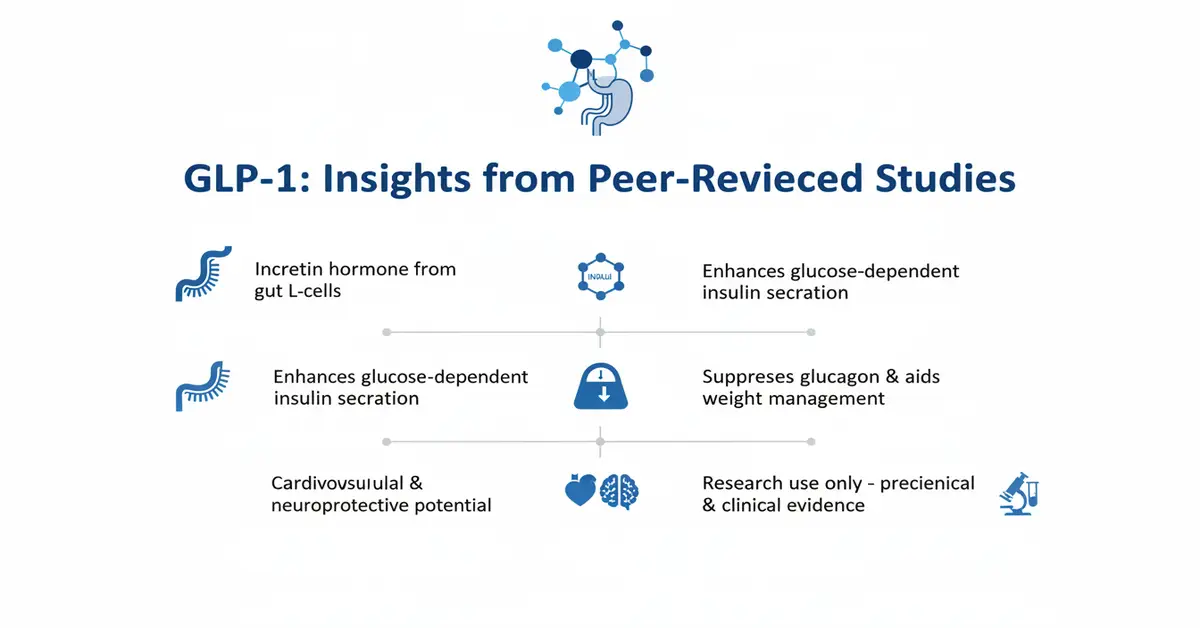
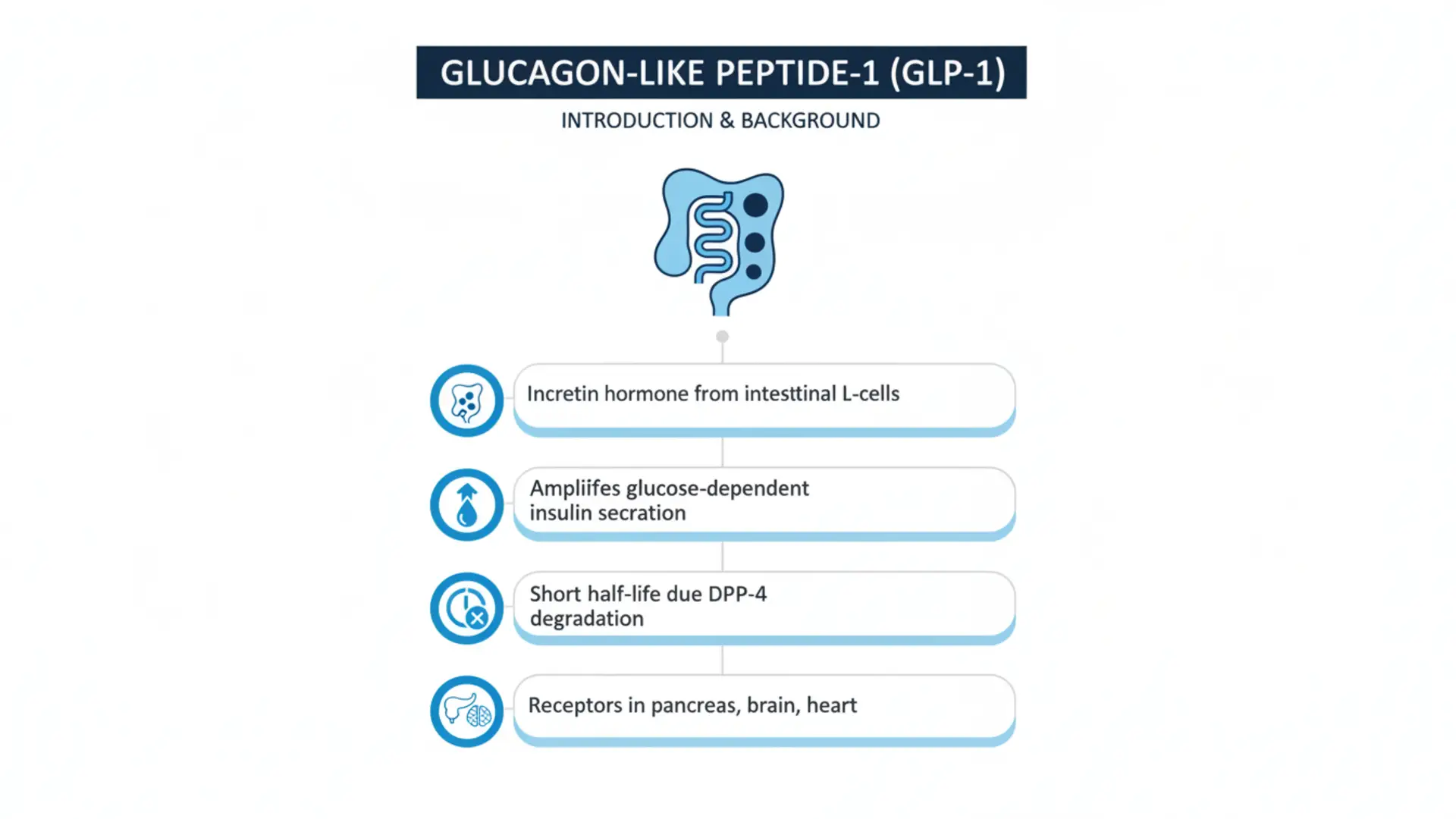
Glucagon-like peptide-1 (GLP-1) has garnered significant attention in scientific literature due to its physiological roles in metabolic regulation. Researchers and professionals interested in studying GLP-1 for experimental purposes often seek evidence-based information from peer-reviewed studies. GLP-1, an incretin hormone derived from proglucagon in intestinal L-cells, has been studied extensively for its interactions with various physiological systems. This article reviews key findings from human and animal studies on GLP-1 and its receptor agonists (GLP-1RAs), emphasizing preclinical and clinical evidence while maintaining a neutral scientific tone. Topics include mechanisms, potential applications under investigation, and limitations. For researchers planning laboratory studies involving GLP-1, understanding this research provides context for laboratory applications, though availability is typically for research use only.
Mechanisms of Action
GLP-1 exerts its effects primarily through G protein-coupled GLP-1 receptors (GLP-1R), which activate adenylate cyclase and increase cyclic AMP.
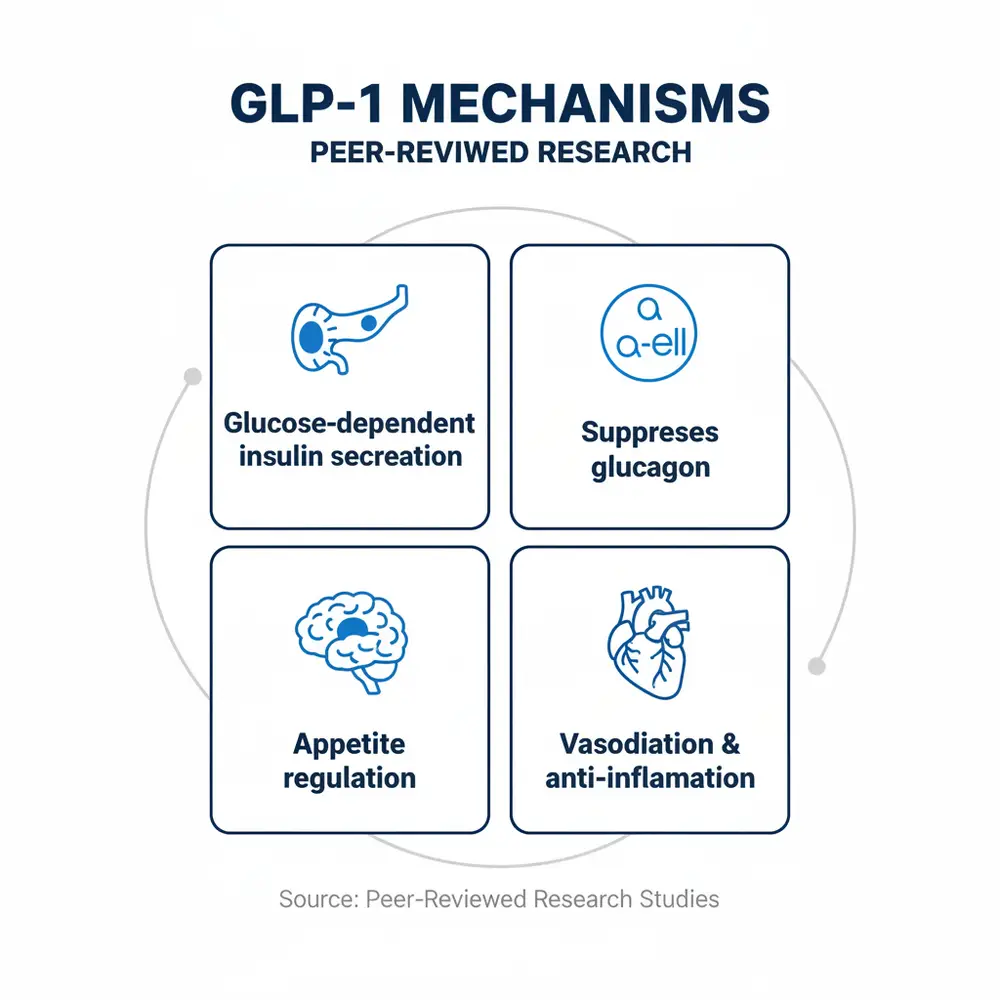
- In pancreatic β-cells, GLP-1 enhances glucose-dependent insulin secretion and promotes β-cell proliferation in preclinical models.
- It suppresses glucagon release from α-cells during hyperglycemia, as shown in rodent studies.
- Central nervous system actions involve hypothalamic GLP-1R, influencing appetite and energy expenditure in animal experiments.
- Cardiovascular mechanisms include vasodilation and reduced inflammation via NF-κB inhibition, observed in human mechanistic studies.
Preclinical findings suggest GLP-1 modulates gut motility and lipid metabolism, though human data remain preliminary. These pathways underpin research into GLP-1 for metabolic studies.
Therapeutic Applications
GLP-1 has been investigated for glycemic control, weight management, and cardiovascular health, with studies using GLP-1RAs such as liraglutide and semaglutide.
- In type 2 diabetes models, GLP-1RAs have been examined for effects on HbA1c and fasting glucose.
- Animal obesity research shows that central GLP-1 signaling reduces food intake and body weight.
- Preclinical osteoarthritis studies indicate potential chondroprotective effects through immunomodulation.
- Emerging areas include neuroprotection, with animal data on Alzheimer’s and Parkinson’s models.
Human trials have explored GLP-1RAs for substance use disorder reduction, though evidence is limited. Applications remain investigational, guiding researchers planning experiments involving GLP-1.
Clinical Evidence
Clinical studies, including meta-analyses, provide data on GLP-1RAs in humans, primarily for metabolic outcomes.
- A systematic review of 11 studies (7 preclinical, 4 human) on osteoarthritis found consistent preclinical benefits but limited human data.
- Meta-analysis of 10 trials (n=93) showed no short-term change in resting energy expenditure with GLP-1 infusion.
- Network meta-analyses report that GLP-1RAs are associated with weight reduction compared with insulin in patients with type 2 diabetes.
- Cardiovascular outcome trials demonstrate signals in heart failure and revascularization risk reduction.
Longer-term studies (up to 52 weeks) with exenatide and liraglutide indicate neutral to potentially positive effects on energy components. Evidence for neurological benefits, such as reduced dementia risk, is observational and preliminary. Overall, clinical findings are strongest in metabolic research.
Challenges and Limitations
Despite promising data, GLP-1 research faces hurdles, including side effects and study constraints.
- Gastrointestinal issues like nausea predominate in trials, with higher odds versus comparators.
- The short half-life of native GLP-1 necessitates analogs, complicating direct translation.
- Limited long-term human data in non-diabetic populations, with high discontinuation rates (20-50%) in real-world use.
- Preclinical dominance raises translation concerns; human studies often exclude certain comorbidities.
Confounding factors, such as obesity prevalence, affect interpretability. Safety signals for pancreatitis and gastroparesis warrant monitoring, as noted in pharmacovigilance reviews.
Future Directions
Ongoing research aims to advance understanding of GLP-1 through advanced trials and multi-receptor agonists.
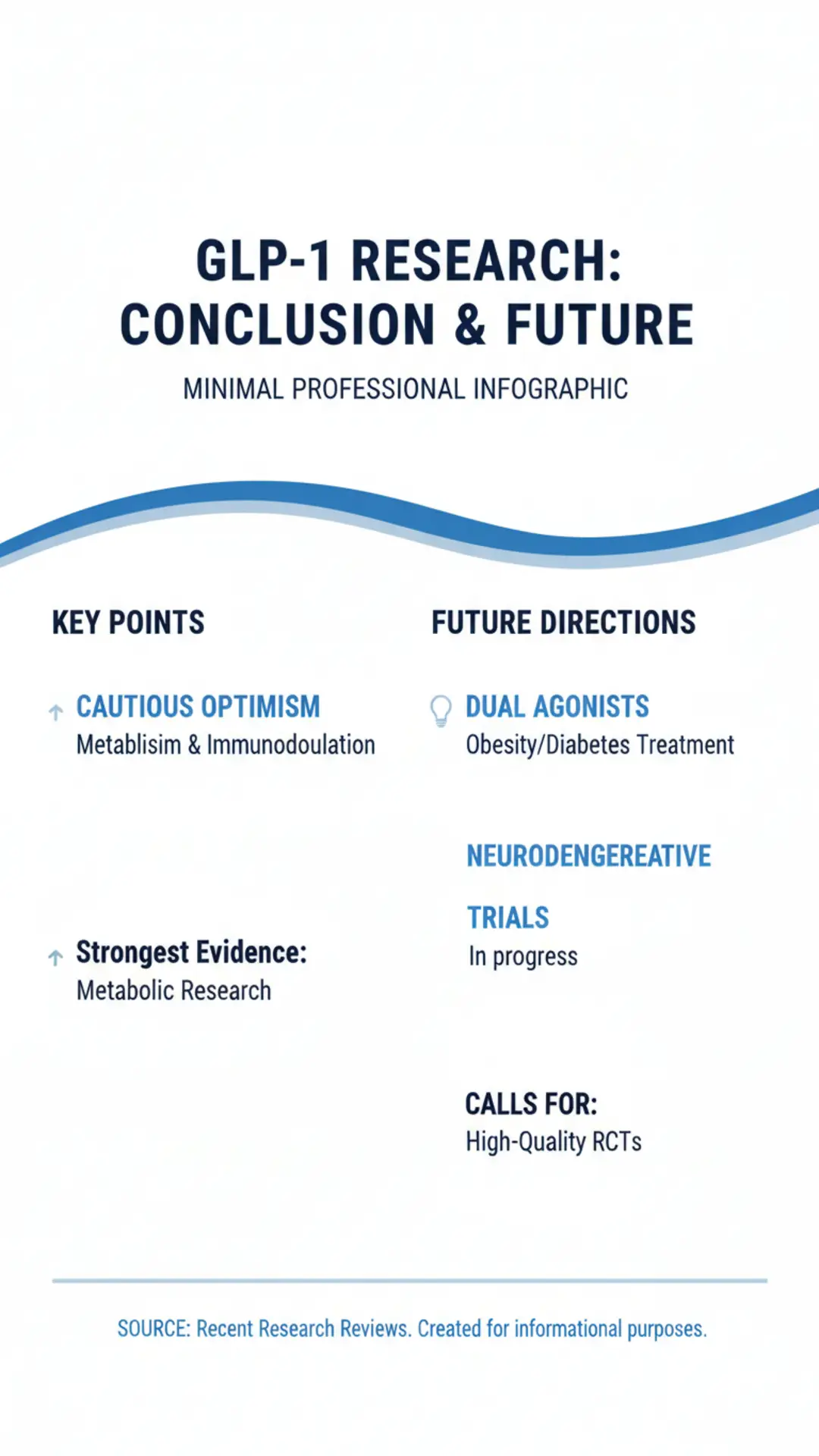
- Dual/triple agonists (e.g., GLP-1/GIP) are in phase 3 for obesity and diabetes.
- Neurodegenerative trials test GLP-1RAs in Parkinson’s and Alzheimer’s.
- Mechanistic human studies probe energy metabolism and inflammation.
- Real-world evidence initiatives track persistence and off-label use.
Investigations into addiction and osteoarthritis continue, with calls for high-quality RCTs. Innovations in delivery could enhance the utility of research for researchers studying GLP-1.
Conclusion
Peer-reviewed studies illuminate GLP-1’s roles in metabolism, with preclinical and clinical evidence suggesting avenues for further exploration. From incretin effects to potential immunomodulation, research underscores cautious optimism while highlighting limitations, such as the preliminary nature of human data. For researchers studying GLP-1, this body of work offers a scientific foundation. Future trials may clarify broader implications while maintaining a focus on evidence-based inquiry.
References
Maciel MG, Beserra BTS, Oliveira FCB, Ribeiro CM, Coelho MS, Neves FAR, Amato AA. The effect of glucagon-like peptide 1 and glucagon-like peptide 1 receptor agonists on energy expenditure: A systematic review and meta-analysis. Diabetes Obes Metab. 2019. Link
Heuvelman VD, Van Raalte DH, Smits MM. Cardiovascular effects of glucagon-like peptide 1 receptor agonists: from mechanistic studies in humans to clinical outcomes. Curr Opin Lipidol. 2020. Link
Garcia-Maciel M et al. Effect of glucagon-like peptide-1 receptor agonists in osteoarthritis: A systematic review of pre-clinical and human studies. Osteoarthritis Cartilage Open. 2025. Link
Meier JJ, Nauck MA. Glucagon-like peptide 1(GLP-1) in biology and pathology. Diabetes Metab Res Rev. 2005. Link
Buse JB et al. Glucagon-like peptide-1 receptor agonists versus insulin in inadequately controlled patients with type 2 diabetes mellitus: a meta-analysis of clinical trials. Diabetes Obes Metab. 2011. Link
Müller TD et al. Glucagon-like peptide 1 (GLP-1). Compr Physiol. 2019. Link
Andreasen CR et al. How glucagon-like peptide 1 receptor agonists work in type 2 diabetes. Endocr Connect. 2021. Link
Bu T et al. Glucagon-Like Peptide-1: New Regulator in Lipid Metabolism. Diabetes Metab J. 2024. Link
Heuvelman VD et al. Potential role of glucagon-like peptide-1 (GLP-1) receptor agonists in substance use disorder: A systematic review of randomized trials. Drug Alcohol Depend. 2024. Link
Collins L et al. Glucagon-Like Peptide-1 Receptor Agonists. StatPearls. 2024. Link
References
References
Maciel MG, Beserra BTS, Oliveira FCB, Ribeiro CM, Coelho MS, Neves FAR, Amato AA. The effect of glucagon-like peptide 1 and glucagon-like peptide 1 receptor agonists on energy expenditure: A systematic review and meta-analysis. Diabetes Obes Metab. 2019. Link
Heuvelman VD, Van Raalte DH, Smits MM. Cardiovascular effects of glucagon-like peptide 1 receptor agonists: from mechanistic studies in humans to clinical outcomes. Curr Opin Lipidol. 2020. Link
Garcia-Maciel M et al. Effect of glucagon-like peptide-1 receptor agonists in osteoarthritis: A systematic review of pre-clinical and human studies. Osteoarthritis Cartilage Open. 2025. Link
Meier JJ, Nauck MA. Glucagon-like peptide 1(GLP-1) in biology and pathology. Diabetes Metab Res Rev. 2005. Link
Buse JB et al. Glucagon-like peptide-1 receptor agonists versus insulin in inadequately controlled patients with type 2 diabetes mellitus: a meta-analysis of clinical trials. Diabetes Obes Metab. 2011. Link
Müller TD et al. Glucagon-like peptide 1 (GLP-1). Compr Physiol. 2019. Link
Andreasen CR et al. How glucagon-like peptide 1 receptor agonists work in type 2 diabetes. Endocr Connect. 2021. Link
Bu T et al. Glucagon-Like Peptide-1: New Regulator in Lipid Metabolism. Diabetes Metab J. 2024. Link
Heuvelman VD et al. Potential role of glucagon-like peptide-1 (GLP-1) receptor agonists in substance use disorder: A systematic review of randomized trials. Drug Alcohol Depend. 2024. Link
Collins L et al. Glucagon-Like Peptide-1 Receptor Agonists. StatPearls. 2024. Link