Introduction
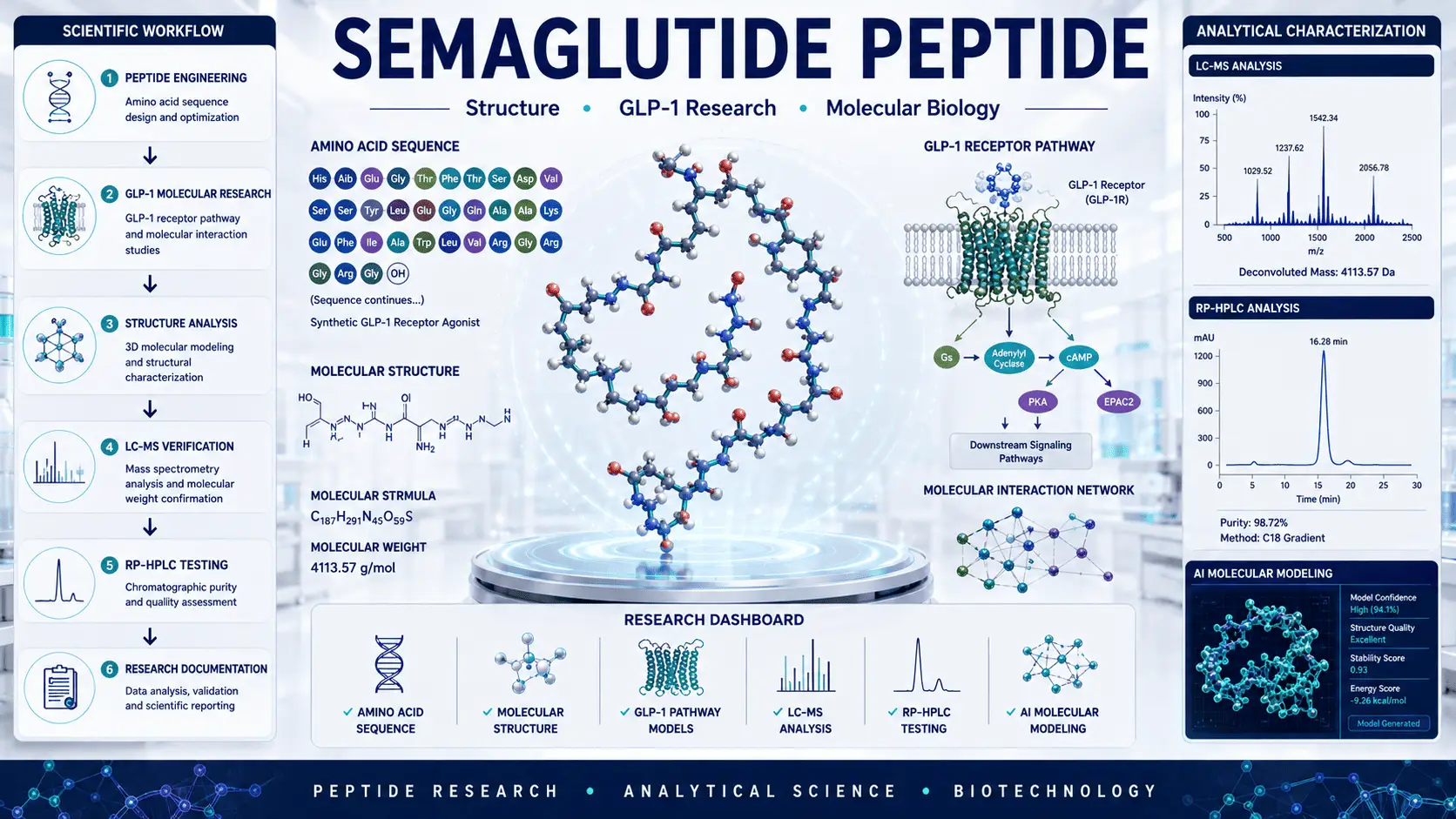
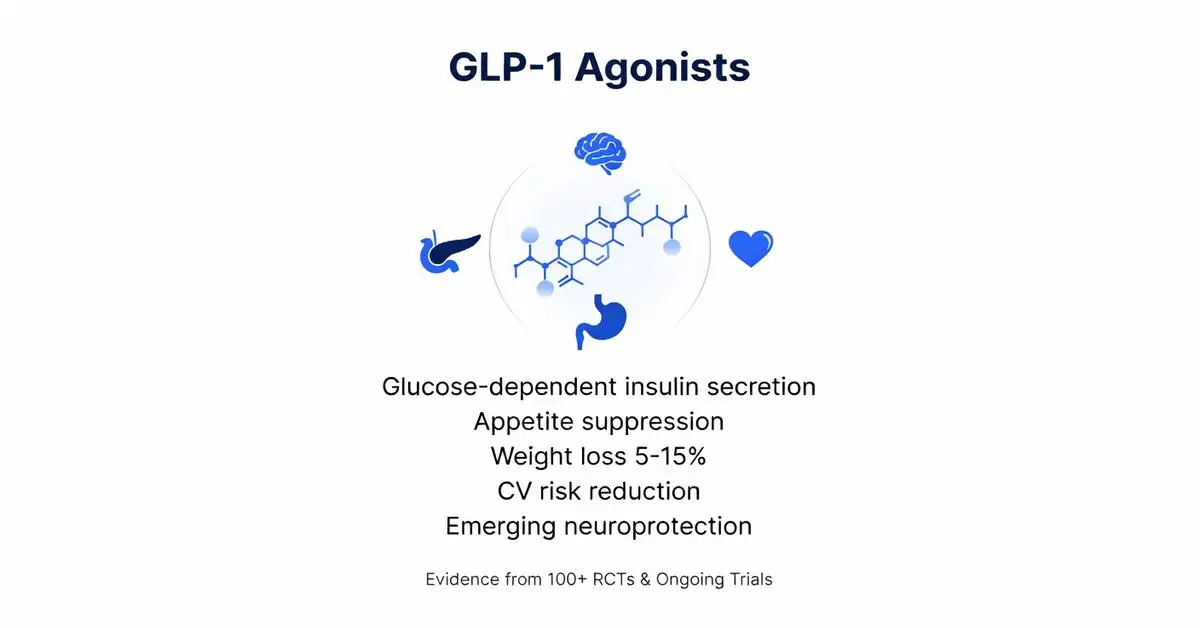
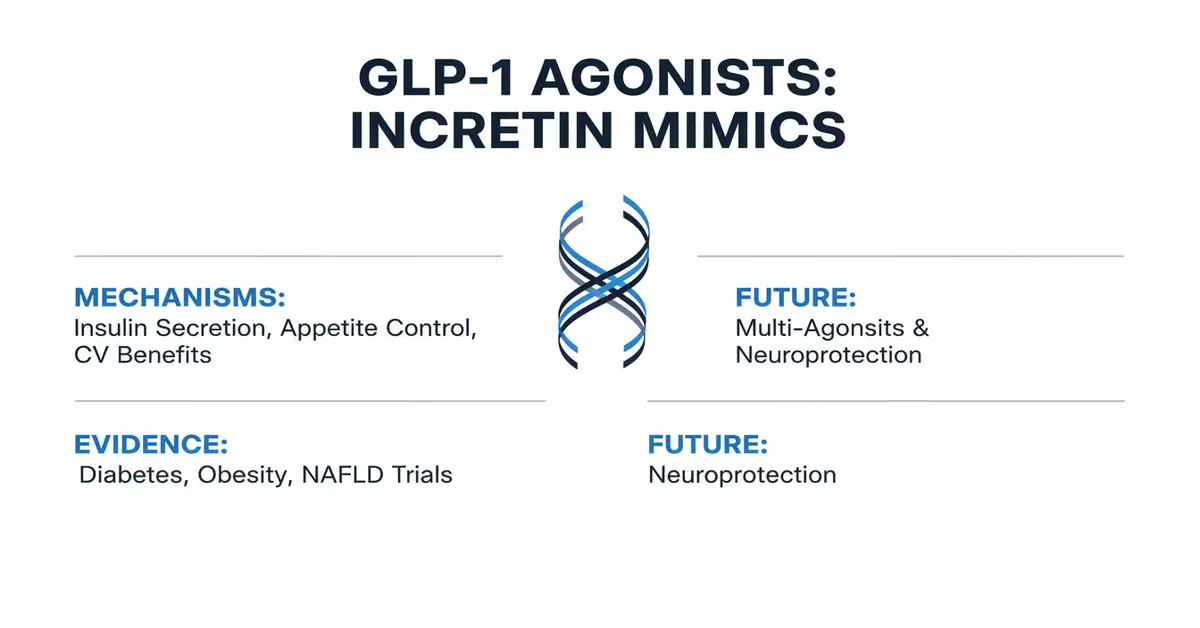
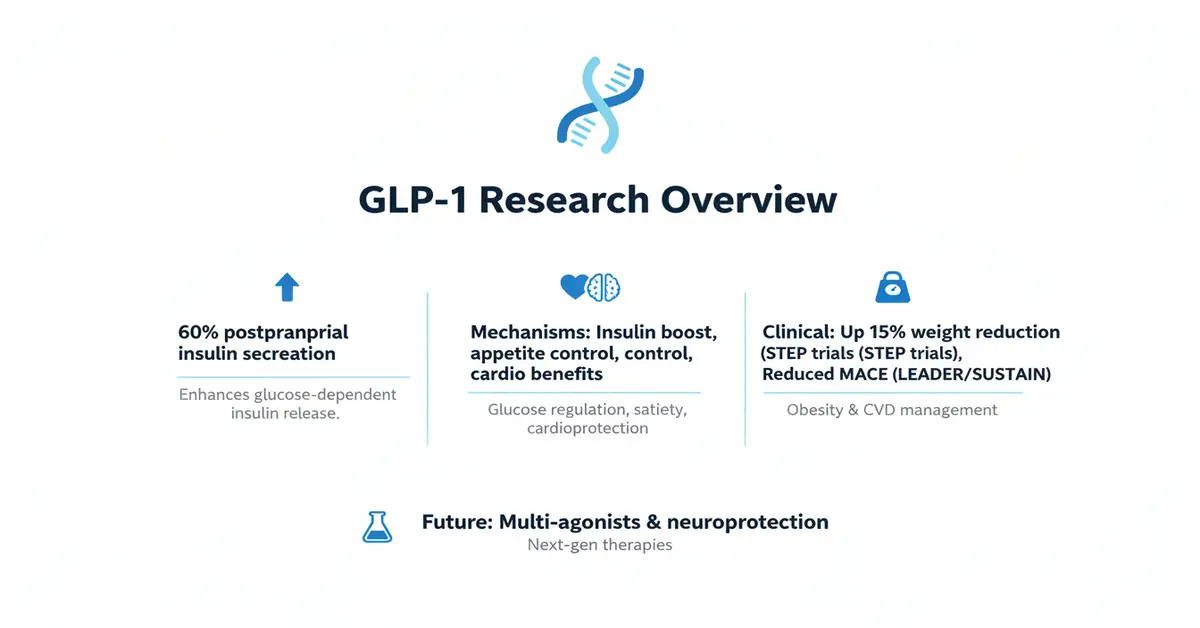
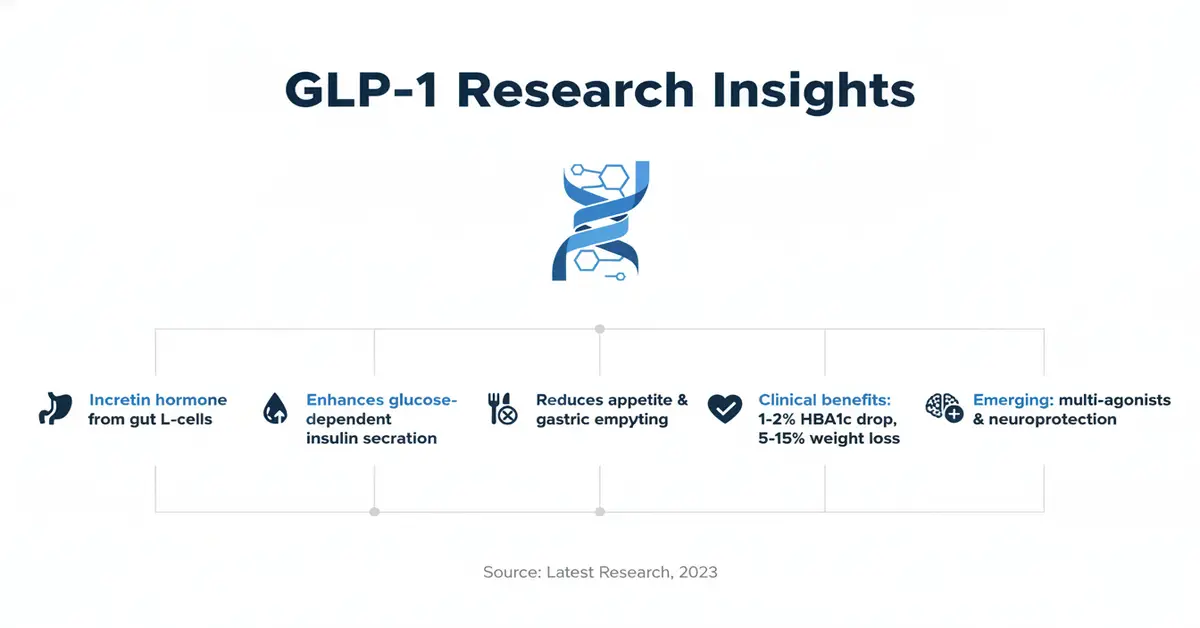
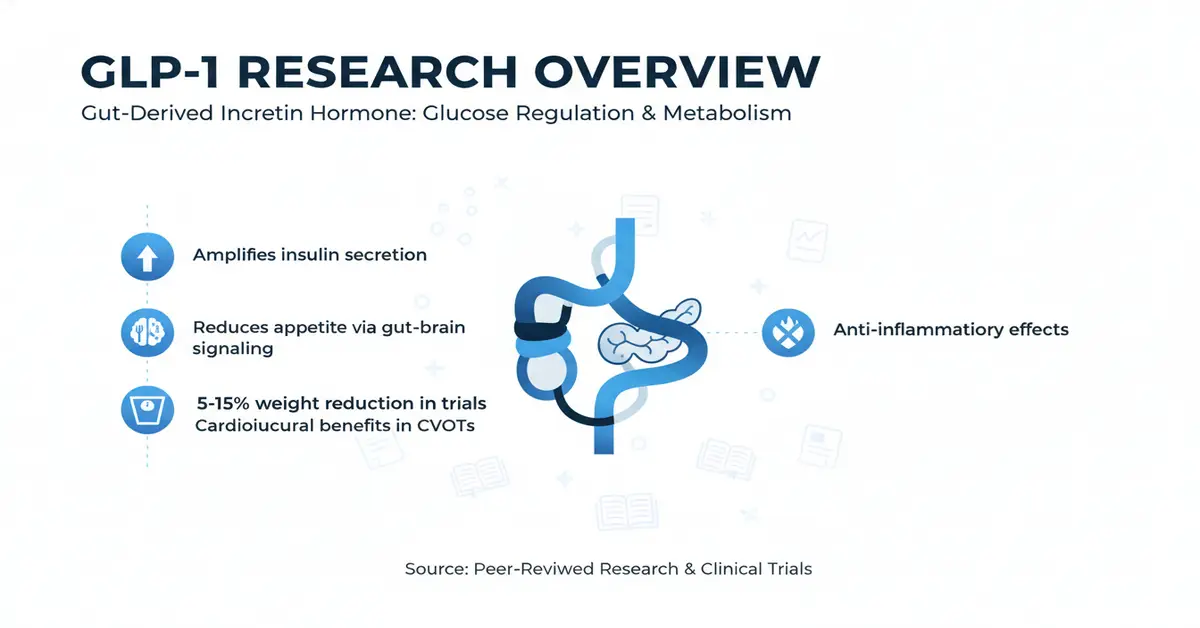
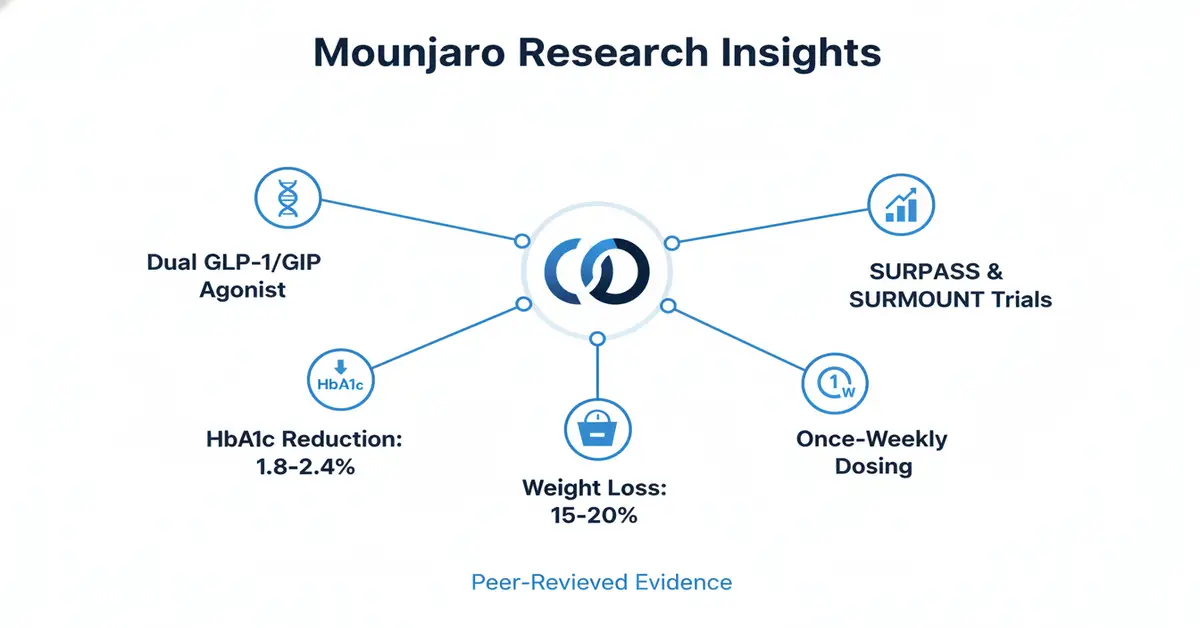
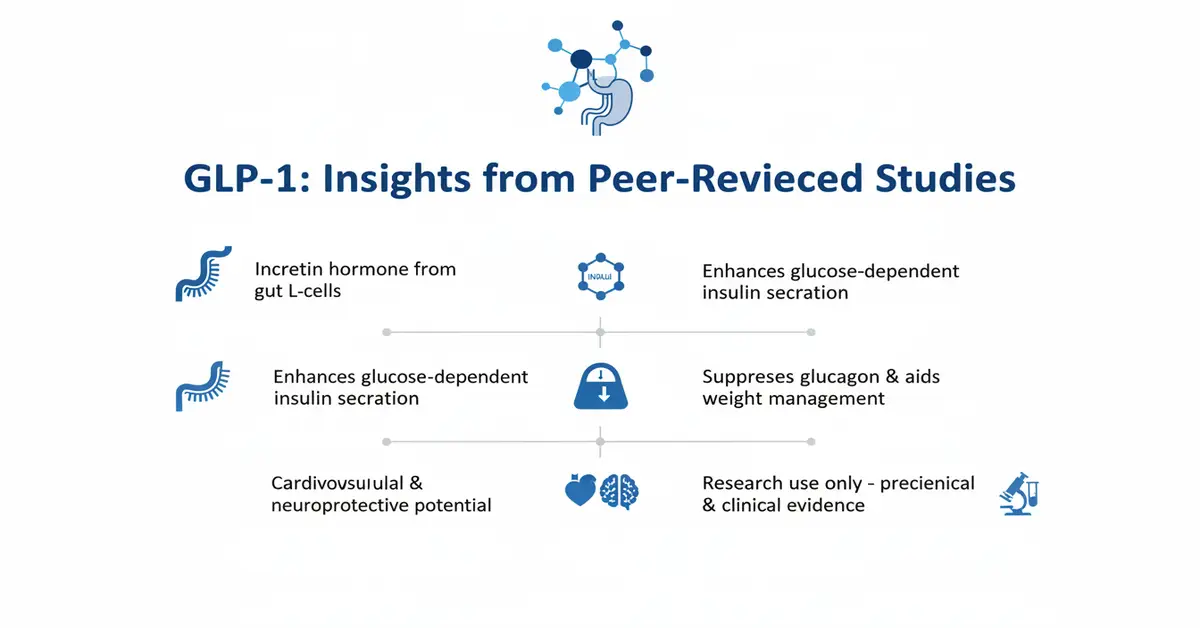
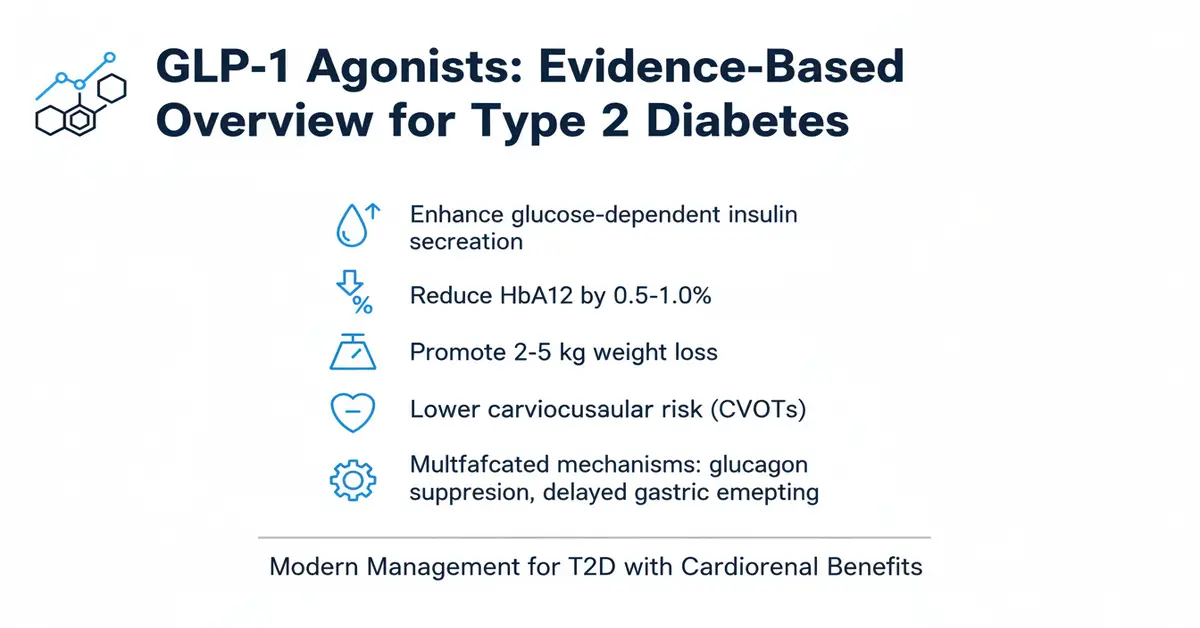
GLP-1 agonists, or glucagon-like peptide-1 receptor agonists, represent a cornerstone of modern pharmacotherapy for type 2 diabetes mellitus (T2DM) and obesity management. These injectable or oral medications are designed to mimic the endogenous GLP-1 hormone, enhancing insulin secretion, suppressing glucagon release, slowing gastric emptying, and promoting satiety. As of February 18, 2026, the class has expanded with established agents like semaglutide, liraglutide, dulaglutide, and exenatide, alongside dual GLP-1/GIP agonists such as tirzepatide, which are often discussed in GLP-1 contexts due to overlapping mechanisms and indications.
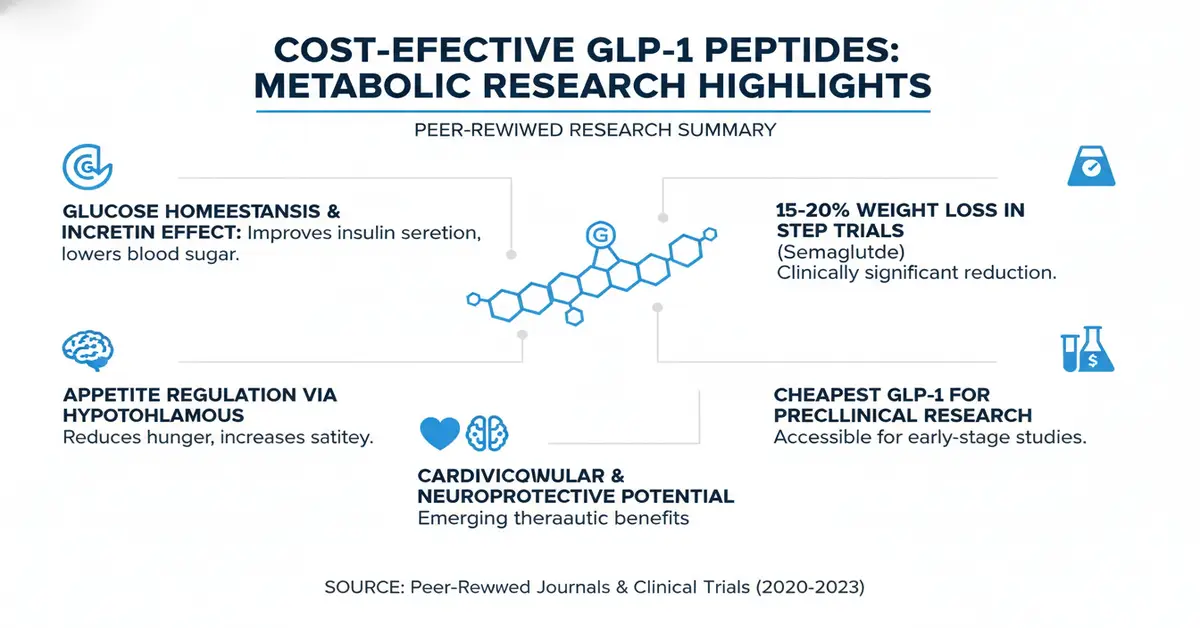
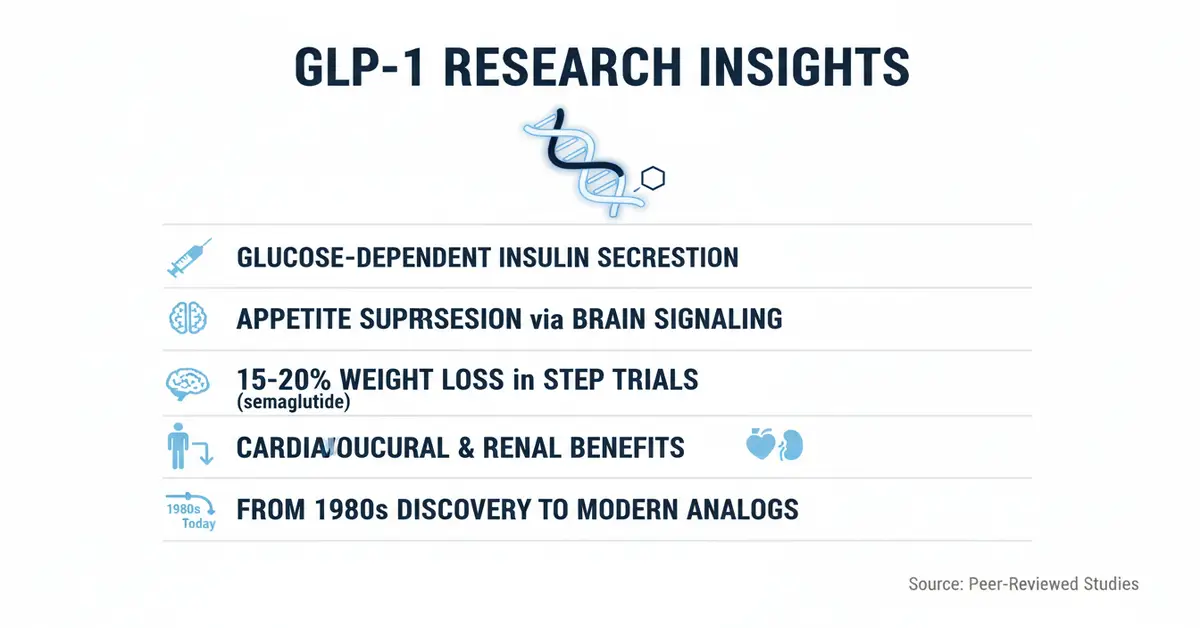
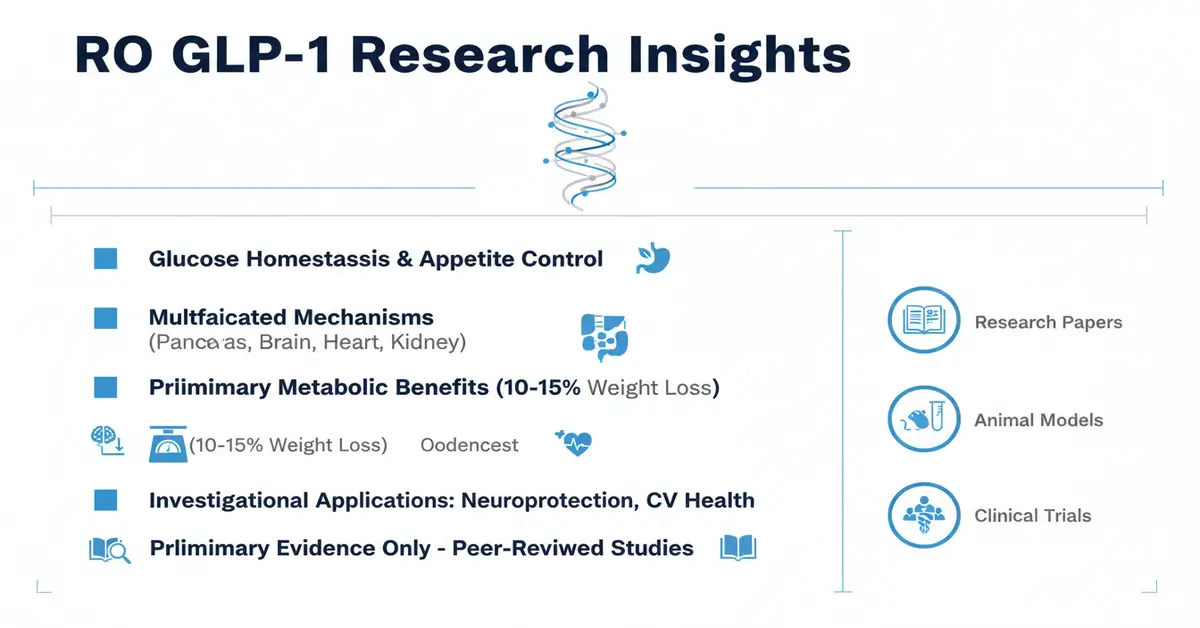
This review synthesizes evidence from peer-reviewed studies published between 2020 and 2026, prioritizing systematic reviews, meta-analyses, and large-scale clinical trials from PubMed-indexed journals. Key trials like STEP, SURPASS, and SELECT have demonstrated their efficacy in glycemic control (HbA1c reductions of 1.0–2.0%) [1, 3, 4], weight loss (10–20% mean body weight reduction) [2, 3, 4], and cardiovascular risk reduction [4, 7]. FDA-approved indications include T2DM and chronic weight management for adults with BMI ≥30 kg/m² or ≥27 kg/m² with comorbidities, when used in conjunction with a reduced-calorie diet and increased physical activity [13].
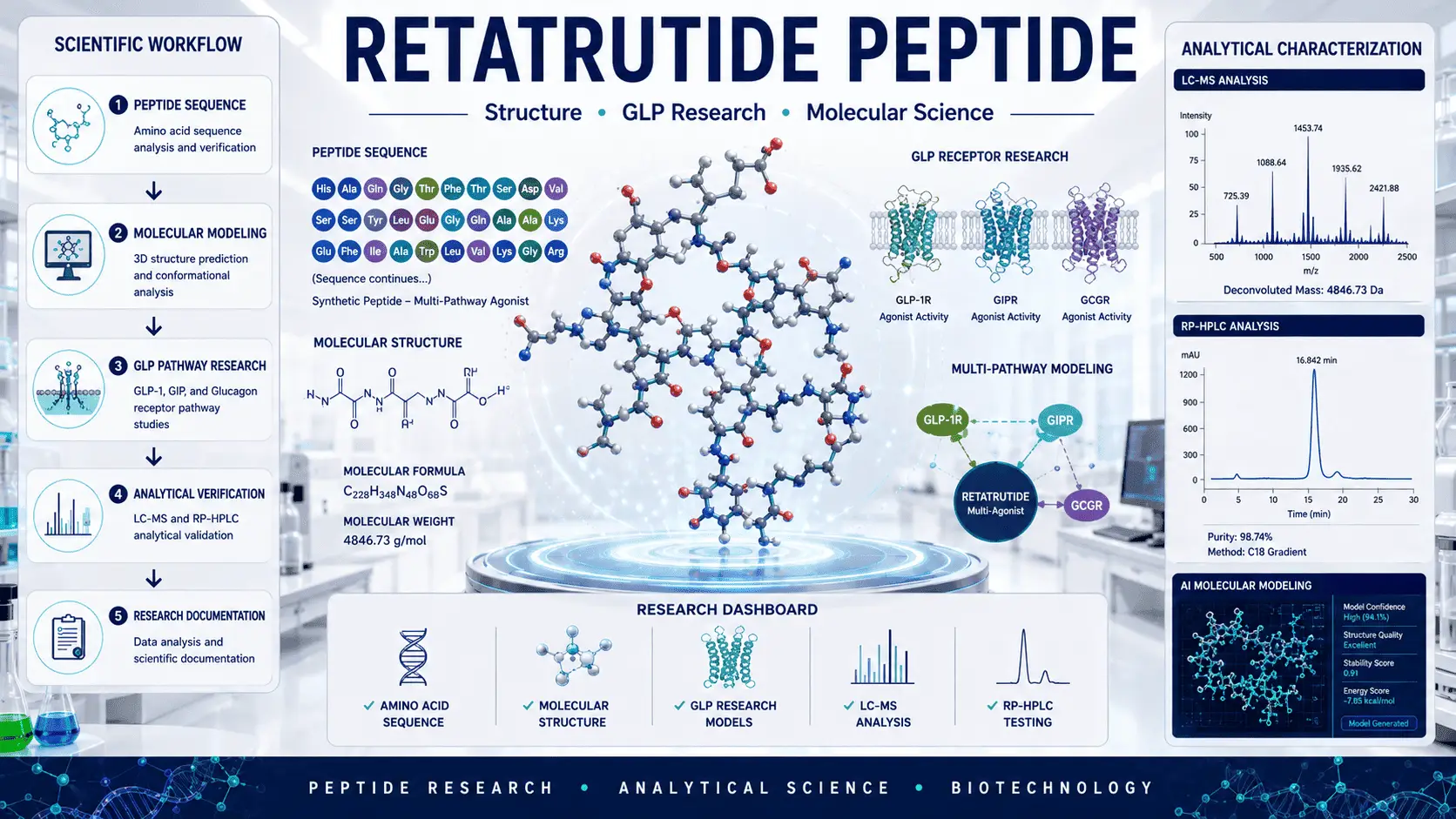
Investigational uses in heart failure, NASH, and neurodegeneration are currently being explored, often leveraging multi-receptor agonist platforms that combine GLP-1, GIP, and glucagon receptor activation. Preclinical researchers examining this broader receptor activation profile may reference GLP-3R triple-receptor agonist peptide as a laboratory tool for studying combined incretin and glucagon pathway interactions. [10, 11, nature.com].
All claims are grounded in verifiable data up to 2026. Patients should consult healthcare providers for personalized use, as these medications require monitoring for gastrointestinal (GI) effects, pancreatitis risk, and thyroid concerns. This article addresses high-intent queries on mechanisms, approvals, efficacy, safety, and comparisons to provide an evidence-based overview.