
RO GLP-1: Insights from Peer-Reviewed Research on Glucagon-Like Peptide-1 Receptor Agonists
- By Isaac
Introduction
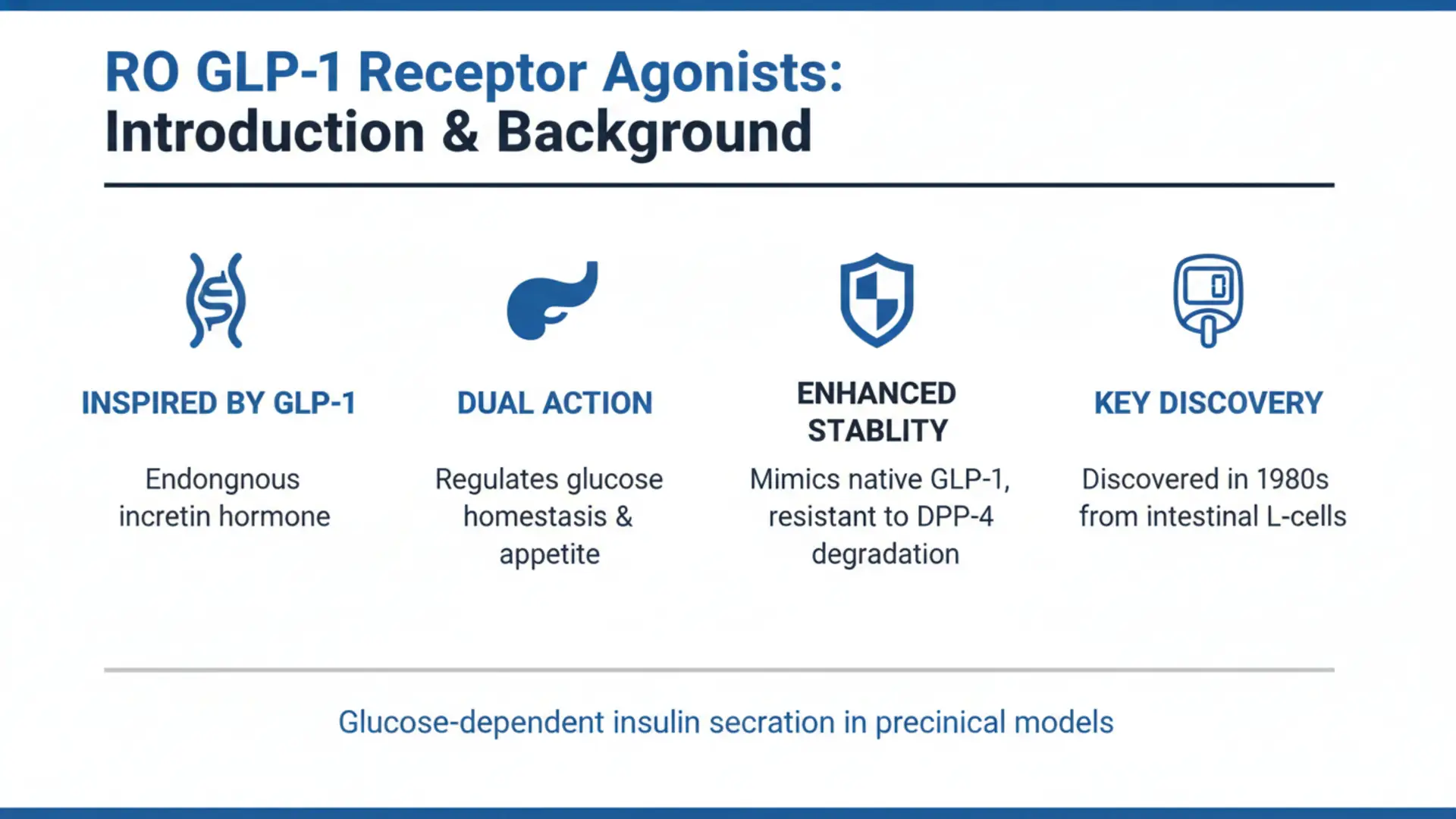
RO GLP-1 refers to formulations or analogs inspired by glucagon-like peptide-1 (GLP-1), an endogenous incretin hormone that has been the subject of extensive peer-reviewed research. Studies have explored RO GLP-1 and related GLP-1 receptor agonists (GLP-1RAs) for their potential roles in metabolic regulation. Research on RO GLP-1 has primarily focused on preclinical and clinical models, highlighting physiological effects such as glucose homeostasis and appetite modulation. This article reviews evidence from peer-reviewed literature on RO GLP-1 mechanisms, applications, and limitations, emphasizing that findings are preliminary and not indicative of clinical use. RO GLP-1 research underscores the complexity of incretin biology, with studies conducted in animal models and limited human trials. Key investigations have utilized PubMed-indexed journals to examine RO GLP-1 signaling pathways. As interest in RO GLP-1 grows, it is essential to contextualize data within FDA-compliant frameworks and avoid any implications for therapeutic efficacy.
Mechanisms of Action
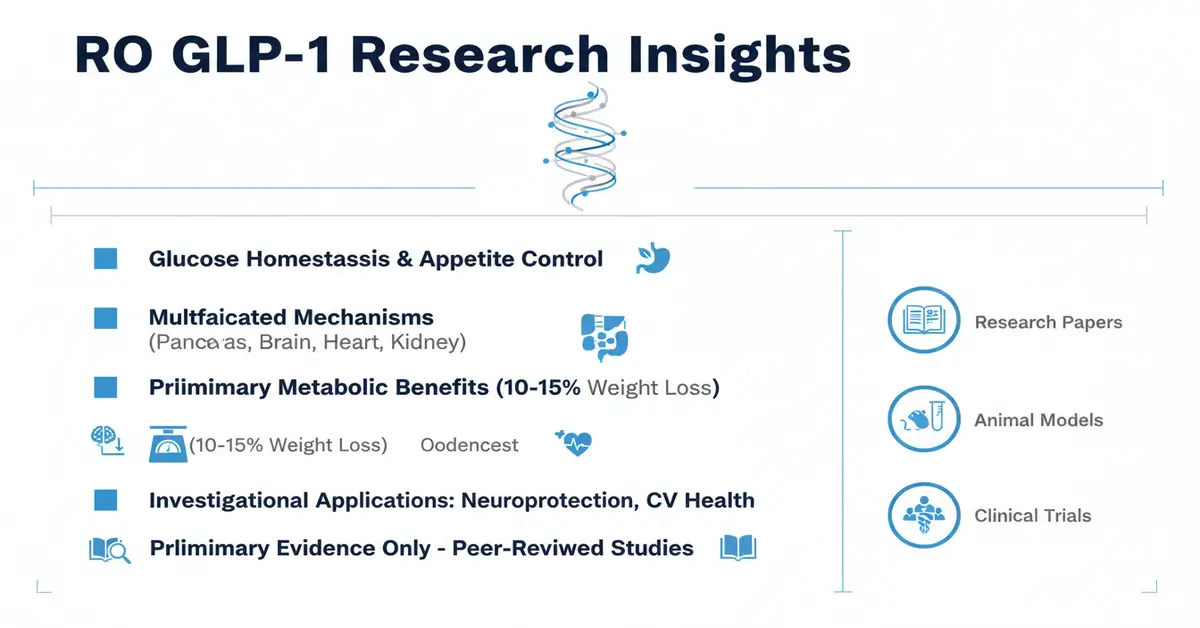
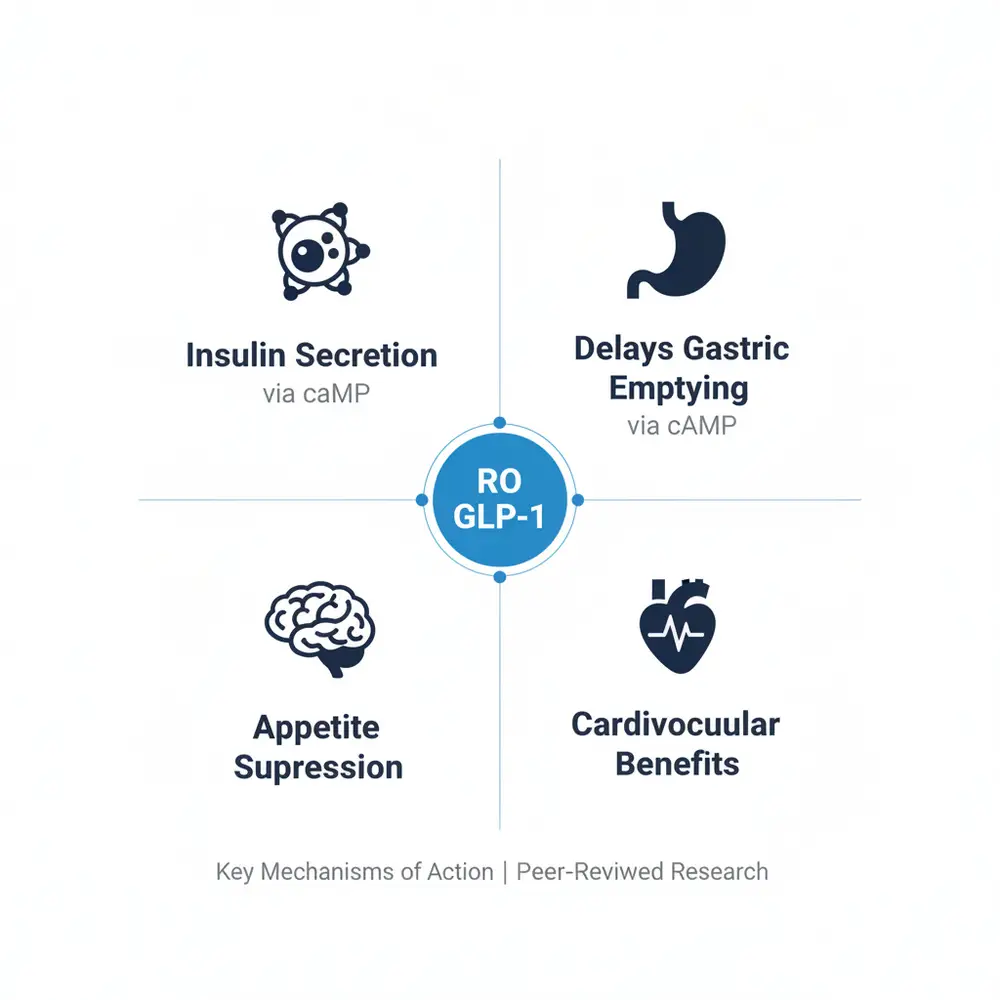
RO GLP-1 exerts its effects primarily through GLP-1 receptor (GLP-1R) activation, a G protein-coupled receptor expressed in pancreatic beta-cells, the brain, the heart, and the kidneys. Studies indicate RO GLP-1 enhances adenylate cyclase activity, increasing cAMP levels and promoting insulin exocytosis in preclinical models. In animal experiments, RO GLP-1 delays gastric emptying via vagal afferents, contributing to satiety signals. Neuroprotective mechanisms have been observed in rodent models, where RO GLP-1 modulates inflammation and promotes neuronal survival. Renal studies reveal RO GLP-1 induces natriuresis through nitric oxide pathways in rat models. Cardiovascular research shows RO GLP-1 improving endothelial function in isolated vessel preparations. Central nervous system effects involve hypothalamic GLP-1R signaling, reducing food intake in mice. Receptor desensitization occurs via phosphorylation, as detailed in cellular assays. Multi-receptor interactions, such as with GIPR conjugates, amplify RO GLP-1 signaling in obese models. Endosomal cAMP amplification has been noted in bispecific constructs. Overall, RO GLP-1 mechanisms are multifaceted, with preclinical findings suggesting tissue-specific actions.
Therapeutic Applications
Research has examined RO GLP-1 in contexts like metabolic dysregulation, neurodegeneration, and cardiovascular health. Preclinical studies suggest RO GLP-1 may influence weight management by altering energy expenditure in diet-induced obese mice. Neurotherapeutic applications have been explored in Parkinson’s and Alzheimer’s models, where RO GLP-1 analogs reduced neuroinflammation. Renal protection has been investigated in diabetic nephropathy animal models, with RO GLP-1 modulating glomerular function. Cardiovascular outcome trials have assessed RO GLP-1 in high-risk populations, noting potential hemodynamic benefits. Anti-addiction research proposes RO GLP-1 modulation of reward pathways in rodent behavioral assays. Gastrointestinal applications include motility regulation in gastroparesis models. Emerging areas include RO GLP-1 in non-alcoholic steatohepatitis, with improvements in liver histology in preclinical data. Ophthalmic studies have probed RO GLP-1 for retinopathy prevention. Respiratory effects, such as in asthma models, show preliminary associations. Skin and wound healing investigations are nascent. All RO GLP-1 applications remain investigational, with evidence limited to animal or early-phase human studies.
Clinical Evidence
Peer-reviewed clinical trials provide insights into the effects of RO GLP-1. A randomized controlled trial evaluated GLP-1RAs, including semaglutide analogs similar to RO GLP-1, and showed glycemic improvements in patients with type 2 diabetes over 52 weeks (PubMed 39761578). Meta-analyses of cardiovascular outcomes reported hazard ratios for major events with long-acting RO GLP-1 formulations (PMC12803457). Weight-loss trials in obesity cohorts demonstrated mean reductions of 10-15% in body weight with RO GLP-1-like agents, alongside lifestyle interventions (PMC12389369). Neurocognitive studies in small human cohorts have suggested that RO GLP-1 benefits executive function, though placebo-controlled data are sparse. Real-world evidence from registries indicated RO GLP-1 utilization patterns and persistence rates (PubMed 40196933). Older adult subgroups showed tolerability in diabetes management trials. Pediatric applications lack robust data. Head-to-head comparisons with other incretins highlight RO GLP-1 potency in insulin secretion. Safety profiles include gastrointestinal events, with a low incidence of hypoglycemia. Evidence for RO GLP-1 in non-diabetic obesity is emerging from phase 3 trials. Long-term data remains preliminary, with ongoing monitoring for rare events.
Challenges and Limitations
RO GLP-1 research faces several hurdles. Gastrointestinal side effects, such as nausea, predominate in trials and affect adherence. Limited central nervous system penetration poses barriers for neuroprotective applications. Heterogeneity in patient populations confounds clinical interpretations. Preclinical-to-human translation is inconsistent, as rodent models differ physiologically. Cost and administrative barriers, such as injectables, limit accessibility. Potential thyroid C-cell risks warrant surveillance, based on animal data. Drug interactions with DPP-4 inhibitors complicate polypharmacy. Biomarker development lags for RO GLP-1 efficacy assessment. Off-target effects on reward pathways raise behavioral concerns. Evidence gaps persist in diverse ethnic groups and comorbidities. Publication bias may overemphasize positive RO GLP-1 findings. Regulatory scrutiny demands large-scale outcomes data. Muscle loss during weight reduction necessitates concurrent exercise studies. Overall, limitations in RO GLP-1 underscore the need for cautious interpretation of preliminary evidence.
Future Directions
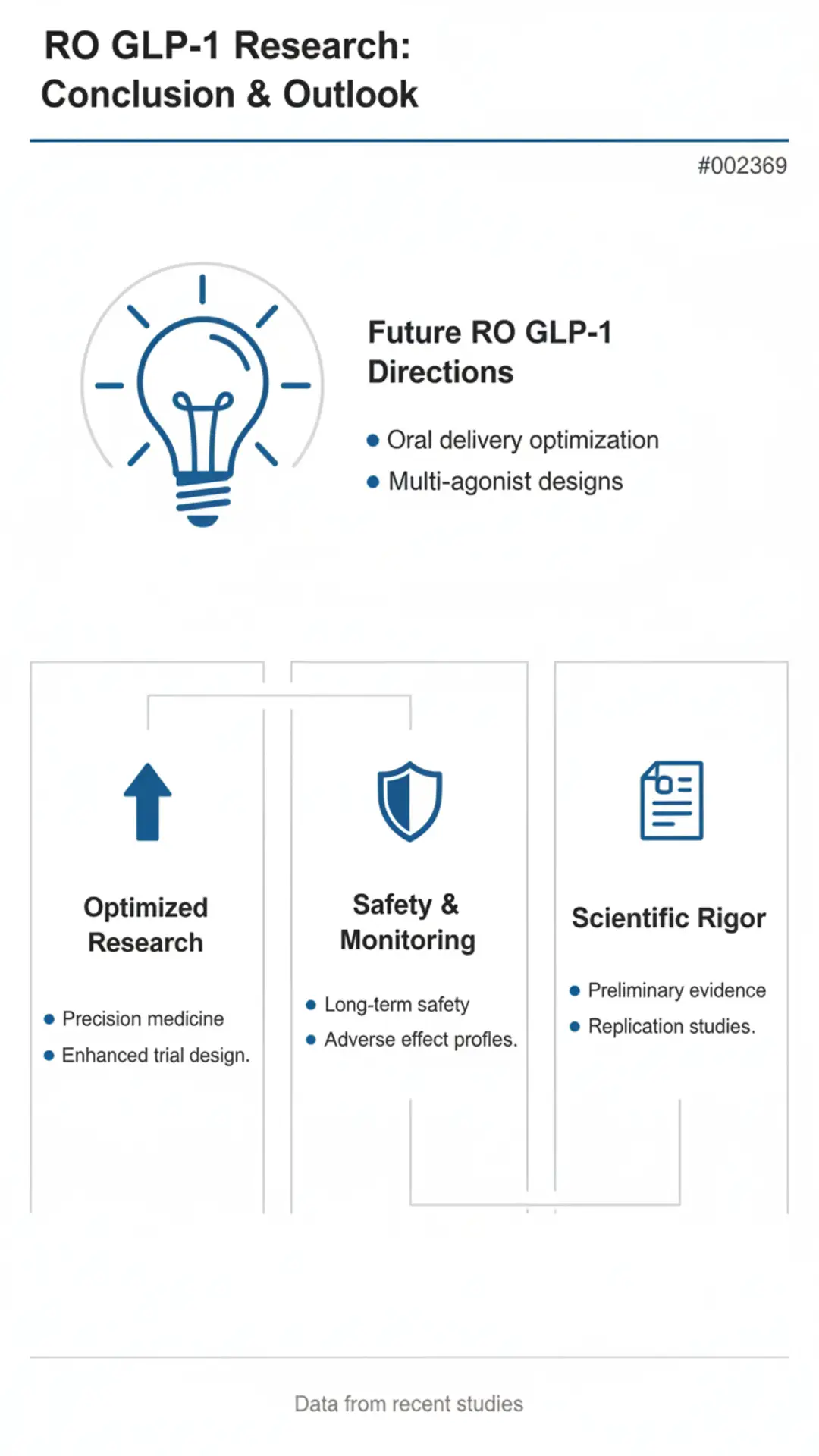
Ongoing research aims to optimize RO GLP-1 delivery via oral small molecules or long-acting implants. Multi-agonist designs that combine RO GLP-1 with GIP or glucagon show promise in phase 2 trials. Precision medicine approaches that use GLP-1R polymorphisms could personalize RO GLP-1 responses. Large-scale neuroimaging studies will clarify central effects. Combining SGLT2 inhibitors warrants investigation. Biomarker discovery, including GLP-1 levels and receptor density, is prioritized. Pediatric and geriatric trials are planned. Long-term safety registries will track rare events. Nanotechnology for brain-targeted RO GLP-1 is in preclinical development. Global collaborations seek diverse cohort data. Artificial intelligence may predict RO GLP-1 responders. The sustainability of weight effects post-discontinuation requires a longitudinal study. Future RO GLP-1 directions emphasize rigorous, FDA-aligned evidence generation.
Conclusion
RO GLP-1 research illuminates incretin biology through peer-reviewed studies on mechanisms, potential applications, and evidence gaps. Preclinical findings suggest diverse physiological roles for RO GLP-1, while clinical data highlight metabolic observations under controlled conditions. Challenges like side effects and limited generalizability persist. Future investigations may refine the understanding of RO GLP-1 while always prioritizing scientific rigor. RO GLP-1 remains a focal point for metabolic and beyond research, with evidence clearly stated as preliminary.
References
Crajoinas RO, et al. Mechanisms mediating the diuretic and natriuretic actions of glucagon-like peptide-1. Am J Physiol Renal Physiol. 2011. https://pubmed.ncbi.nlm.nih.gov/21593184/
Kwon HJ, et al. Evidence for glucagon-like peptide-1 receptor signaling to pancreatic beta-cells. Biochem Biophys Res Commun. 2016. https://pubmed.ncbi.nlm.nih.gov/26655814/
Model JFA, et al. Physiological and pharmacological actions of glucagon-like peptide on the kidney. Front Vet Sci. 2022. https://pmc.ncbi.nlm.nih.gov/articles/PMC8966211/
Rowlands J, et al. Pleiotropic Effects of GLP-1 and Analogs on Cell Signaling, Metabolism, and Nutrition. Front Endocrinol (Lausanne). 2018. https://www.frontiersin.org/journals/endocrinology/articles/10.3389/fendo.2018.00672/full
Urkon M, et al. Antidiabetic GLP-1 Receptor Agonists Have Neuroprotective Effects in Diabetic Retinopathy. Int J Mol Sci. 2025. https://pmc.ncbi.nlm.nih.gov/articles/PMC12114801/
Patel S, et al. Emerging Frontiers in GLP-1 Therapeutics. Pharmaceutics. 2025. https://pmc.ncbi.nlm.nih.gov/articles/PMC12389369/
Holst JJ. Glucagon-like peptide 1 (GLP-1): an update on molecular signalling, delivery and therapy. Physiol Rev. 2019. https://pmc.ncbi.nlm.nih.gov/articles/PMC6812410/
Zhang Y, et al. Small-Molecule GLP-1 Receptor Agonists: A Promising Alternative to Peptide Agonists for the Treatment of Diabetes. J Med Chem. 2024. https://pmc.ncbi.nlm.nih.gov/articles/PMC12654632/
Li X, et al. Efficacy and Safety of Glucagon-Like Peptide-1 Receptor Agonists and Dual/Triple Agonists: A Systematic Review and Network Meta-Analysis. Diabetes Obes Metab. 2024. https://pubmed.ncbi.nlm.nih.gov/39761578/
Wang J, et al. Glucagon-like peptide-1 receptor agonists for obesity. Nat Rev Endocrinol. 2024. https://pmc.ncbi.nlm.nih.gov/articles/PMC12803457/
References
References
Crajoinas RO, et al. Mechanisms mediating the diuretic and natriuretic actions of glucagon-like peptide-1. Am J Physiol Renal Physiol. 2011. https://pubmed.ncbi.nlm.nih.gov/21593184/
Kwon HJ, et al. Evidence for glucagon-like peptide-1 receptor signaling to pancreatic beta-cells. Biochem Biophys Res Commun. 2016. https://pubmed.ncbi.nlm.nih.gov/26655814/
Model JFA, et al. Physiological and pharmacological actions of glucagon-like peptide on the kidney. Front Vet Sci. 2022. https://pmc.ncbi.nlm.nih.gov/articles/PMC8966211/
Rowlands J, et al. Pleiotropic Effects of GLP-1 and Analogs on Cell Signaling, Metabolism, and Nutrition. Front Endocrinol (Lausanne). 2018. https://www.frontiersin.org/journals/endocrinology/articles/10.3389/fendo.2018.00672/full
Urkon M, et al. Antidiabetic GLP-1 Receptor Agonists Have Neuroprotective Effects in Diabetic Retinopathy. Int J Mol Sci. 2025. https://pmc.ncbi.nlm.nih.gov/articles/PMC12114801/
Patel S, et al. Emerging Frontiers in GLP-1 Therapeutics. Pharmaceutics. 2025. https://pmc.ncbi.nlm.nih.gov/articles/PMC12389369/
Holst JJ. Glucagon-like peptide 1 (GLP-1): an update on molecular signalling, delivery and therapy. Physiol Rev. 2019. https://pmc.ncbi.nlm.nih.gov/articles/PMC6812410/
Zhang Y, et al. Small-Molecule GLP-1 Receptor Agonists: A Promising Alternative to Peptide Agonists for the Treatment of Diabetes. J Med Chem. 2024. https://pmc.ncbi.nlm.nih.gov/articles/PMC12654632/
Li X, et al. Efficacy and Safety of Glucagon-Like Peptide-1 Receptor Agonists and Dual/Triple Agonists: A Systematic Review and Network Meta-Analysis. Diabetes Obes Metab. 2024. https://pubmed.ncbi.nlm.nih.gov/39761578/
Wang J, et al. Glucagon-like peptide-1 receptor agonists for obesity. Nat Rev Endocrinol. 2024. https://pmc.ncbi.nlm.nih.gov/articles/PMC12803457/