
GLP-1 Online: Peer-Reviewed Research on Glucagon-Like Peptide-1
- By Isaac
Introduction
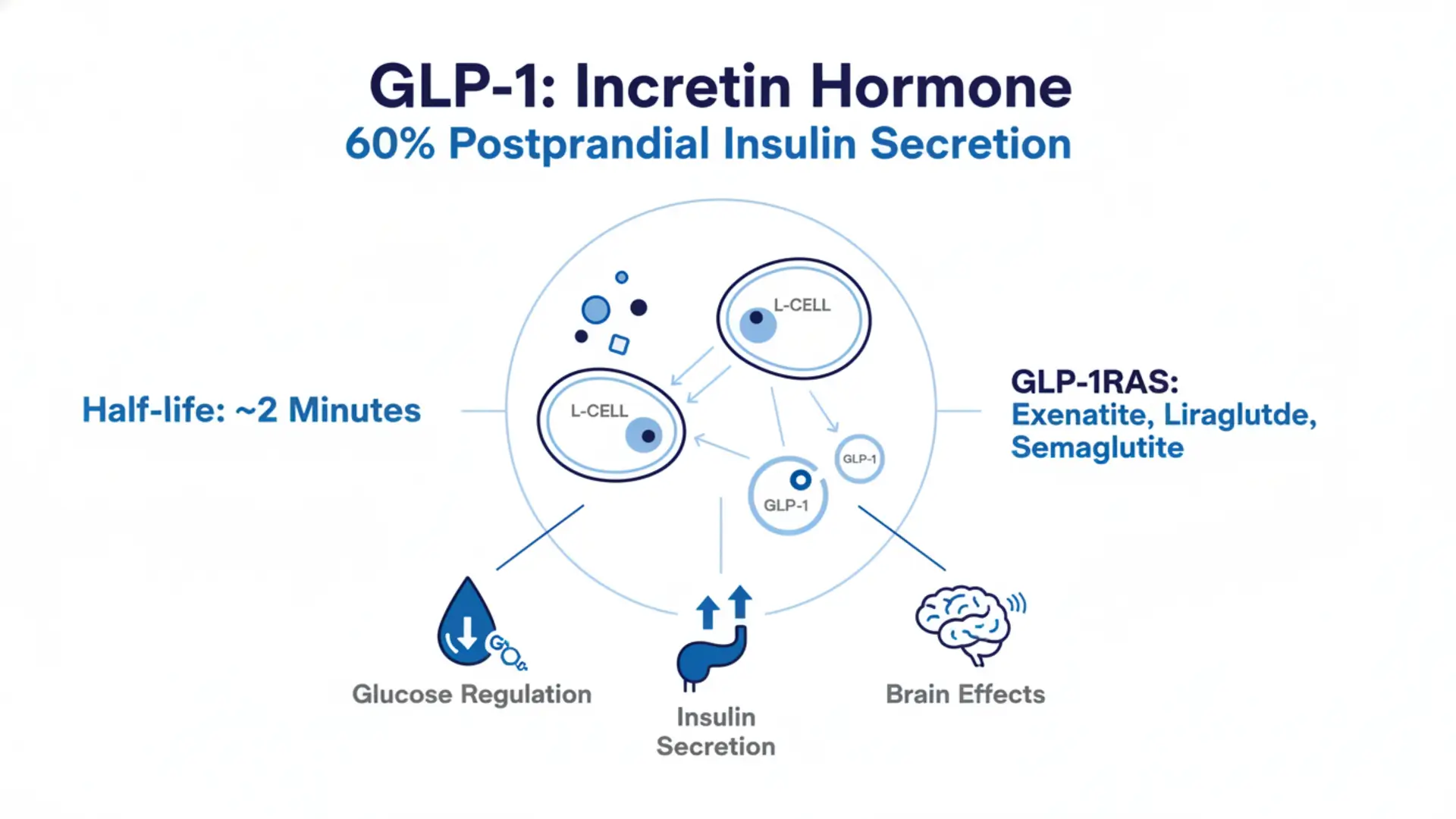
Glucagon-like peptide-1 (GLP-1) is an endogenous peptide hormone derived from the proglucagon gene, primarily secreted by L-cells in the intestinal epithelium in response to nutrient ingestion. Research on GLP-1 and its receptor agonists has garnered significant attention in scientific literature, with studies exploring their physiological roles in glucose regulation and beyond. For those searching for GLP-1 online, peer-reviewed sources reveal a growing body of evidence from human and animal studies, including preclinical and clinical investigations. This article synthesizes findings from validated studies, emphasizing mechanisms, potential applications, and limitations while adhering to evidence-based reporting. GLP-1 online resources, such as PubMed and Nature journals, provide access to studies that highlight the peptide’s involvement in metabolic processes without implying clinical outcomes.
Mechanisms of Action
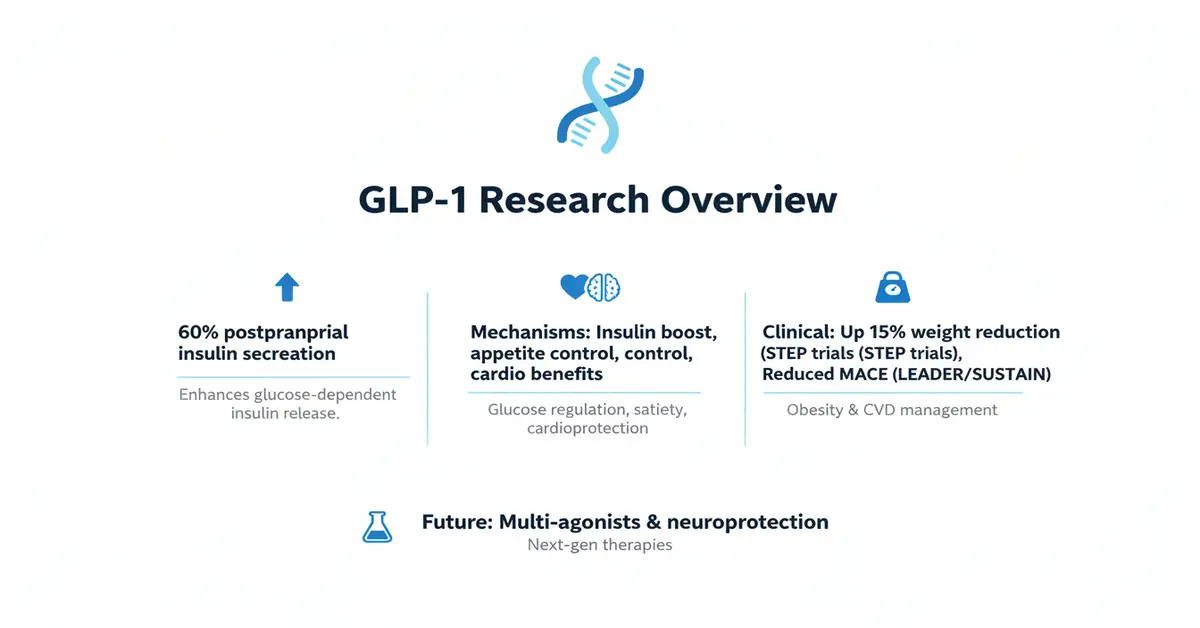
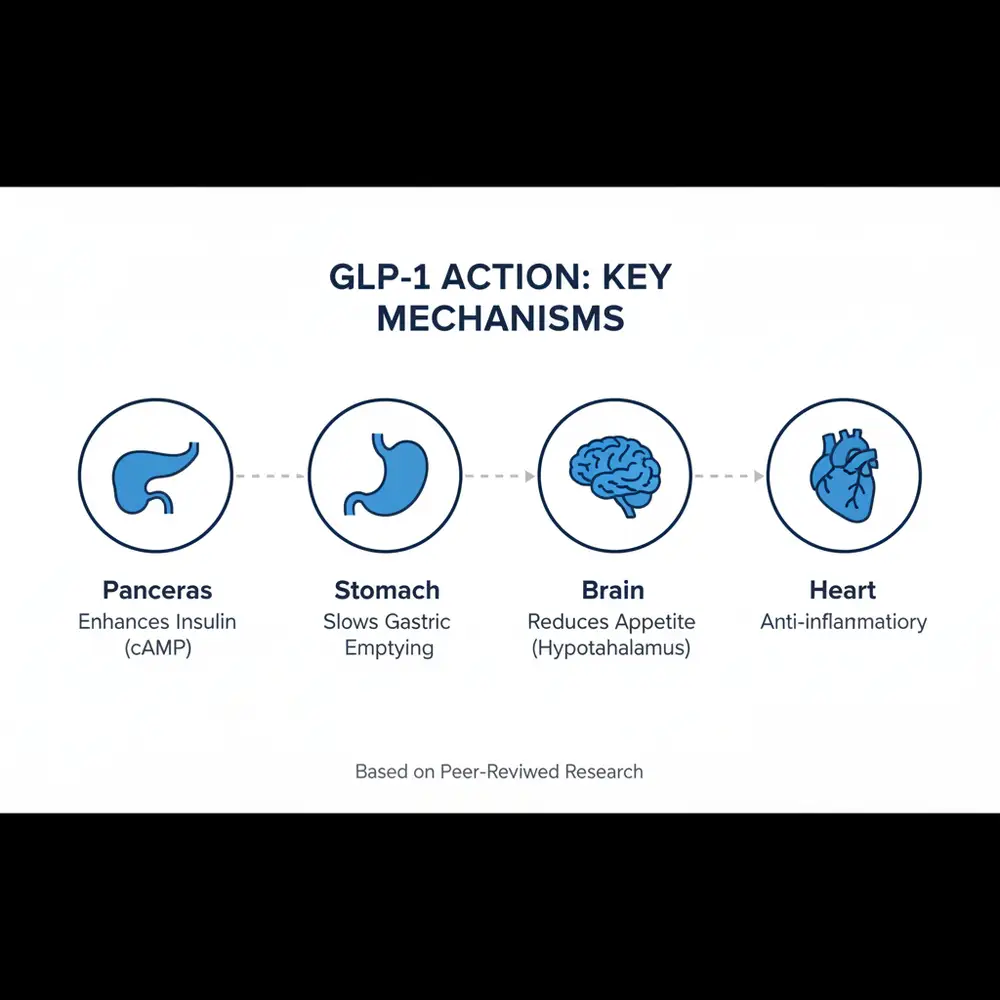
GLP-1 exerts effects through binding to GLP-1 receptors (GLP-1R), G-protein-coupled receptors expressed in pancreatic beta cells, alpha cells, gastrointestinal tract, heart, kidneys, and brain. In beta cells, GLP-1 has been observed to enhance glucose-dependent insulin secretion by increasing cyclic AMP (cAMP) and activating protein kinase A, as demonstrated in isolated islet studies. It also suppresses glucagon release from alpha cells during hyperglycemia. Gastrointestinal mechanisms include delayed gastric emptying mediated by vagal afferents, which reduce postprandial glucose excursions, as shown by rodent telemetry data. Centrally, GLP-1 influences hypothalamic neurons that modulate appetite and satiety signals, with preclinical findings in mice showing reduced food intake via activation of pro-opiomelanocortin neurons. Cardiovascular preclinical research suggests anti-inflammatory effects by reducing cytokine production in endothelial cells. Renal studies in rats indicate that GLP-1 promotes natriuresis without substantially altering glomerular filtration rate. These mechanisms, while studied extensively, vary across species and require cautious extrapolation to humans when exploring GLP-1 online.
Therapeutic Applications
GLP-1 has been investigated in metabolic regulation, with studies examining GLP-1RAs for glucose management in type 2 diabetes models. Preclinical rodent studies suggest potential roles in weight modulation through appetite suppression. Cardiovascular research has explored GLP-1 in ischemia-reperfusion injury models, in which GLP-1 analogs have preserved myocardial function in isolated hearts. Neurological preclinical findings indicate GLP-1RAs may influence amyloid-beta pathology in Alzheimer’s disease mouse models, potentially through anti-inflammatory pathways. Substance use studies in rats show GLP-1 reducing alcohol intake via reward pathway modulation. In obesity, observational data link GLP-1RAs to changes in body composition. Kidney-related inquiries in diabetic nephropathy animal models report glomerular protection. When reviewing GLP-1 online, these applications appear preliminary, often limited to specific populations like those with comorbidities, underscoring the need for conditional interpretations without efficacy assurances.
Clinical Evidence
Clinical trials have provided data on GLP-1RAs primarily in type 2 diabetes and obesity cohorts. The LEADER trial (2016) reported that liraglutide was associated with a reduced risk of major adverse cardiovascular events (MACE) in high-risk patients, with hazard ratios around 0.87. SUSTAIN-6 (2016) showed that semaglutide was associated with lower MACE rates than placebo. STEP trials (2021) observed that semaglutide induced dose-dependent weight reductions of up to 15% in non-diabetic obese individuals over 68 weeks. A 2024 meta-analysis of 123 studies graded the evidence for cardiovascular benefits as high for some outcomes, noting trends toward reduced heart failure hospitalizations. Neurological evidence remains limited; small Parkinson’s cohorts reported motor score improvements with exenatide, but larger trials are pending. A 2024 JAMA study reported changes in lean mass, with GLP-1RAs associated with 40-60% of weight loss from lean tissue in some participants. Observational data suggest reductions in renal events, with a graded moderate quality. These findings, accessible via GLP-1 online searches, highlight associations rather than causations, with evidence strength varying by outcome.
Challenges and Limitations
Research on GLP-1 reveals several hurdles. Gastrointestinal adverse events, including nausea (up to 44% incidence) and vomiting, lead to 20-50% discontinuation rates in real-world settings, per 2024 analyses. Lean body mass reductions, which can account for significant weight loss, raise concerns in sarcopenia-prone groups. Rare events like pancreatitis signals appear in pharmacovigilance data, though causality is unconfirmed. Cost barriers and injection requirements limit accessibility. Long-term data gaps persist, particularly beyond 2 years. Heterogeneity in trial populations—often excluding non-obese or non-diabetic individuals—limits generalizability. Preclinical-to-human translation challenges arise from species differences in GLP-1R distribution. When querying GLP-1 online, studies emphasize limitations in the evidence, such as low GRADE ratings for many outcomes and confounding by weight loss. Adherence issues and potential mental health signals, like mood alterations in post-marketing reports, warrant monitoring.
Future Directions
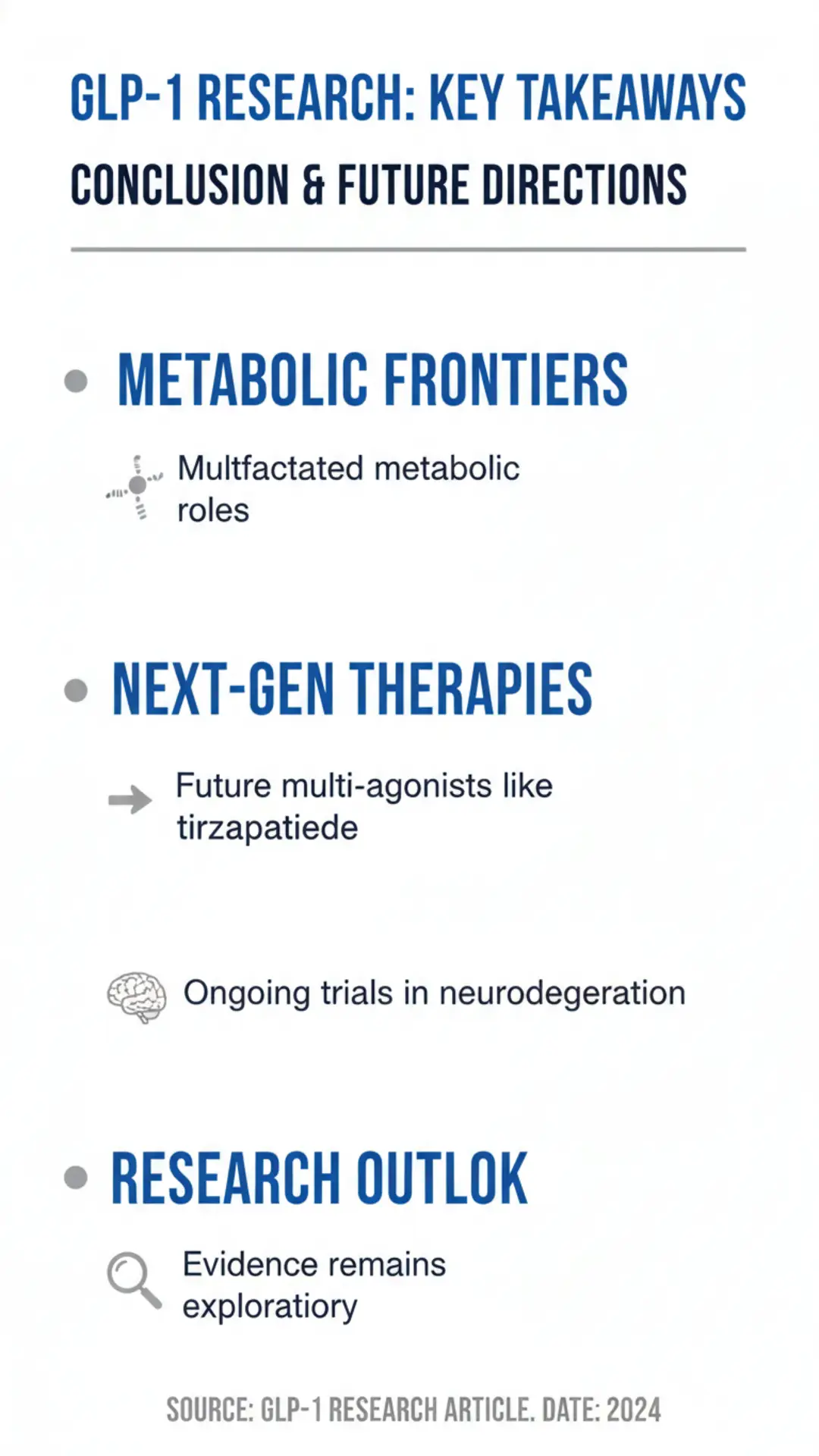
Ongoing research explores multi-receptor agonists such as tirzepatide (GLP-1/GIP) and retatrutide (GLP-1/GIP/glucagon), with phase 3 trials reporting greater weight loss in obesity. Trials investigate GLP-1RAs in non-metabolic areas, including Alzheimer’s (e.g., EVOKE studies) and substance use disorders. Oral formulations, such as semaglutide, aim to improve convenience. Real-world evidence platforms track long-term safety. Preclinical work examines GLP-1’s anti-inflammatory roles in arthritis models. Combination therapies with SGLT2 inhibitors are under evaluation for synergistic effects. Pediatric and geriatric trials address population gaps. GLP-1 online trial registries list over 500 active studies, focusing on neurodegeneration and liver disease. Advances in delivery, such as long-acting implants, may enhance adherence. These directions suggest expanding inquiries, though they are preliminary, until robust data emerge.
Conclusion
Peer-reviewed research on glucagon-like peptide-1 (GLP-1) underscores its multifaceted roles in metabolic and physiological processes, with GLP-1RAs studied across diverse models. From incretin effects to potential neuroprotective observations, evidence points to areas warranting further investigation. Clinical data highlight associations between cardiovascular and weight-related outcomes, but are tempered by limitations such as side effects and evidence gaps. For researchers and professionals accessing GLP-1 online, these studies emphasize cautious, conditional language. Future multi-agonist developments and expanded trials may refine understanding, but current findings remain exploratory. Continued scrutiny ensures balanced perspectives on GLP-1 research.
References
Klausen MK et al. The role of glucagon-like peptide 1 (GLP-1) in addictive disorders. Neuropsychopharmacology. 2022. https://pubmed.ncbi.nlm.nih.gov/34532853/
Neeland IJ et al. Changes in lean body mass with glucagon-like peptide-1-receptor agonists: A prespecified secondary and exploratory analysis from STEP 1 and STEP 2. JAMA. 2024. https://pubmed.ncbi.nlm.nih.gov/38937282/
Sanyal AJ et al. Triple hormone receptor agonist retatrutide for metabolic dysfunction-associated steatotic liver disease: a phase 2a trial. Nature Medicine. 2024. https://www.nature.com/articles/s41591-024-03018-2
Mann JFE et al. Effects of semaglutide with and without concomitant SGLT2 inhibitors on kidney and CV outcomes in CKD and T2D: A post-trial analysis of the FLOW trial. Nature Medicine. 2024. https://www.nature.com/articles/s41591-024-03133-0
Smits MM et al. Safety of Semaglutide. Frontiers in Endocrinology. 2021. https://pubmed.ncbi.nlm.nih.gov/34305810/
O’Farrell M et al. Glucagon‐like peptide‐1 analogues reduce alcohol intake: A systematic review and meta‐analysis of preclinical studies. Diabetes, Obesity, and Metabolism. 2025. https://dom-pubs.onlinelibrary.wiley.com/doi/full/10.1111/dom.16152
Kong F et al. Glucagon-like peptide 1 (GLP-1) receptor agonists in experimental Alzheimer’s disease models: a systematic review and meta-analysis of preclinical studies. Frontiers in Pharmacology. 2023. https://www.frontiersin.org/journals/pharmacology/articles/10.3389/fphar.2023.1205207/full
Simonsen L et al. Preclinical evaluation of a protracted GLP-1/glucagon receptor co-agonist. PLoS One. 2022. https://journals.plos.org/plosone/article?id=10.1371/journal.pone.0264974
Yao H et al. Comparative effectiveness of GLP-1 receptor agonists on glycaemic control, body weight, and lipid profile for type 2 diabetes: Systematic review and network meta-analysis. Frontiers in Endocrinology. 2024. https://www.frontiersin.org/journals/endocrinology/articles/10.3389/fendo.2024.1431292/full
Kim JH et al. Exploring the Side Effects of GLP-1 Receptor Agonist: To Ensure Its Safe and Sustainable Use. Diabetes & Metabolism Journal. 2024. https://www.e-dmj.org/journal/view.php?number=2974
References
References
Klausen MK et al. The role of glucagon-like peptide 1 (GLP-1) in addictive disorders. Neuropsychopharmacology. 2022. https://pubmed.ncbi.nlm.nih.gov/34532853/
Neeland IJ et al. Changes in lean body mass with glucagon-like peptide-1-receptor agonists: A prespecified secondary and exploratory analysis from STEP 1 and STEP 2. JAMA. 2024. https://pubmed.ncbi.nlm.nih.gov/38937282/
Sanyal AJ et al. Triple hormone receptor agonist retatrutide for metabolic dysfunction-associated steatotic liver disease: a phase 2a trial. Nature Medicine. 2024. https://www.nature.com/articles/s41591-024-03018-2
Mann JFE et al. Effects of semaglutide with and without concomitant SGLT2 inhibitors on kidney and CV outcomes in CKD and T2D: A post-trial analysis of the FLOW trial. Nature Medicine. 2024. https://www.nature.com/articles/s41591-024-03133-0
Smits MM et al. Safety of Semaglutide. Frontiers in Endocrinology. 2021. https://pubmed.ncbi.nlm.nih.gov/34305810/
O’Farrell M et al. Glucagon‐like peptide‐1 analogues reduce alcohol intake: A systematic review and meta‐analysis of preclinical studies. Diabetes, Obesity, and Metabolism. 2025. https://dom-pubs.onlinelibrary.wiley.com/doi/full/10.1111/dom.16152
Kong F et al. Glucagon-like peptide 1 (GLP-1) receptor agonists in experimental Alzheimer’s disease models: a systematic review and meta-analysis of preclinical studies. Frontiers in Pharmacology. 2023. https://www.frontiersin.org/journals/pharmacology/articles/10.3389/fphar.2023.1205207/full
Simonsen L et al. Preclinical evaluation of a protracted GLP-1/glucagon receptor co-agonist. PLoS One. 2022. https://journals.plos.org/plosone/article?id=10.1371/journal.pone.0264974
Yao H et al. Comparative effectiveness of GLP-1 receptor agonists on glycaemic control, body weight, and lipid profile for type 2 diabetes: Systematic review and network meta-analysis. Frontiers in Endocrinology. 2024. https://www.frontiersin.org/journals/endocrinology/articles/10.3389/fendo.2024.1431292/full
Kim JH et al. Exploring the Side Effects of GLP-1 Receptor Agonist: To Ensure Its Safe and Sustainable Use. Diabetes & Metabolism Journal. 2024. https://www.e-dmj.org/journal/view.php?number=2974