
Sermorelin Online: Peer-Reviewed Insights into Growth Hormone-Releasing Hormone Analog Research
- By Isaac
Introduction
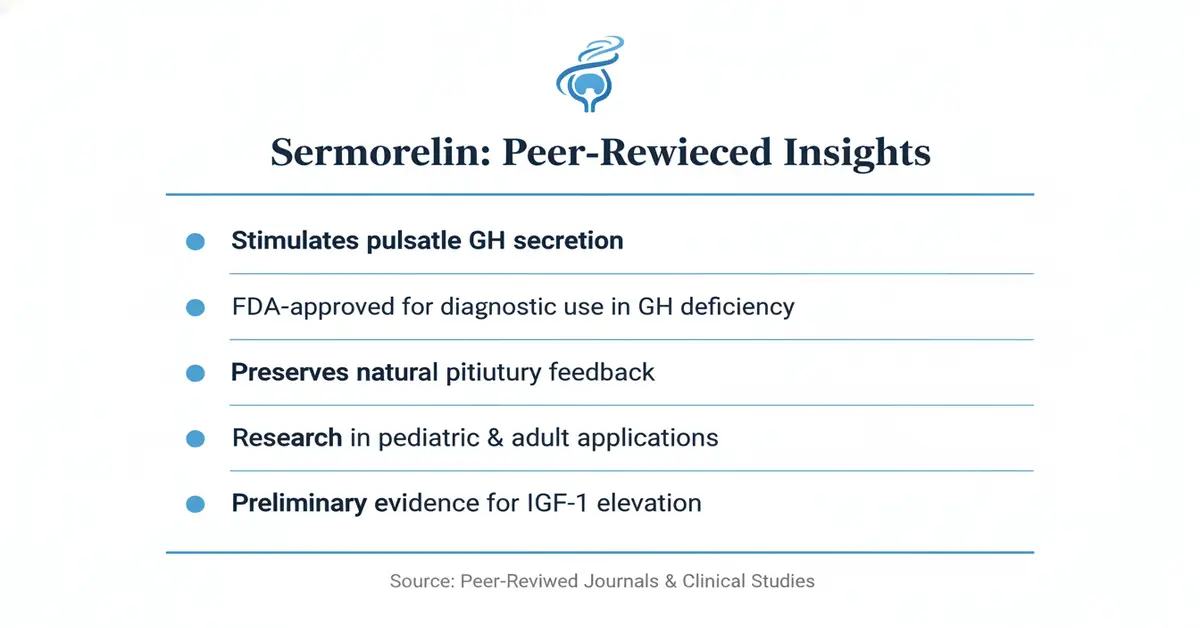
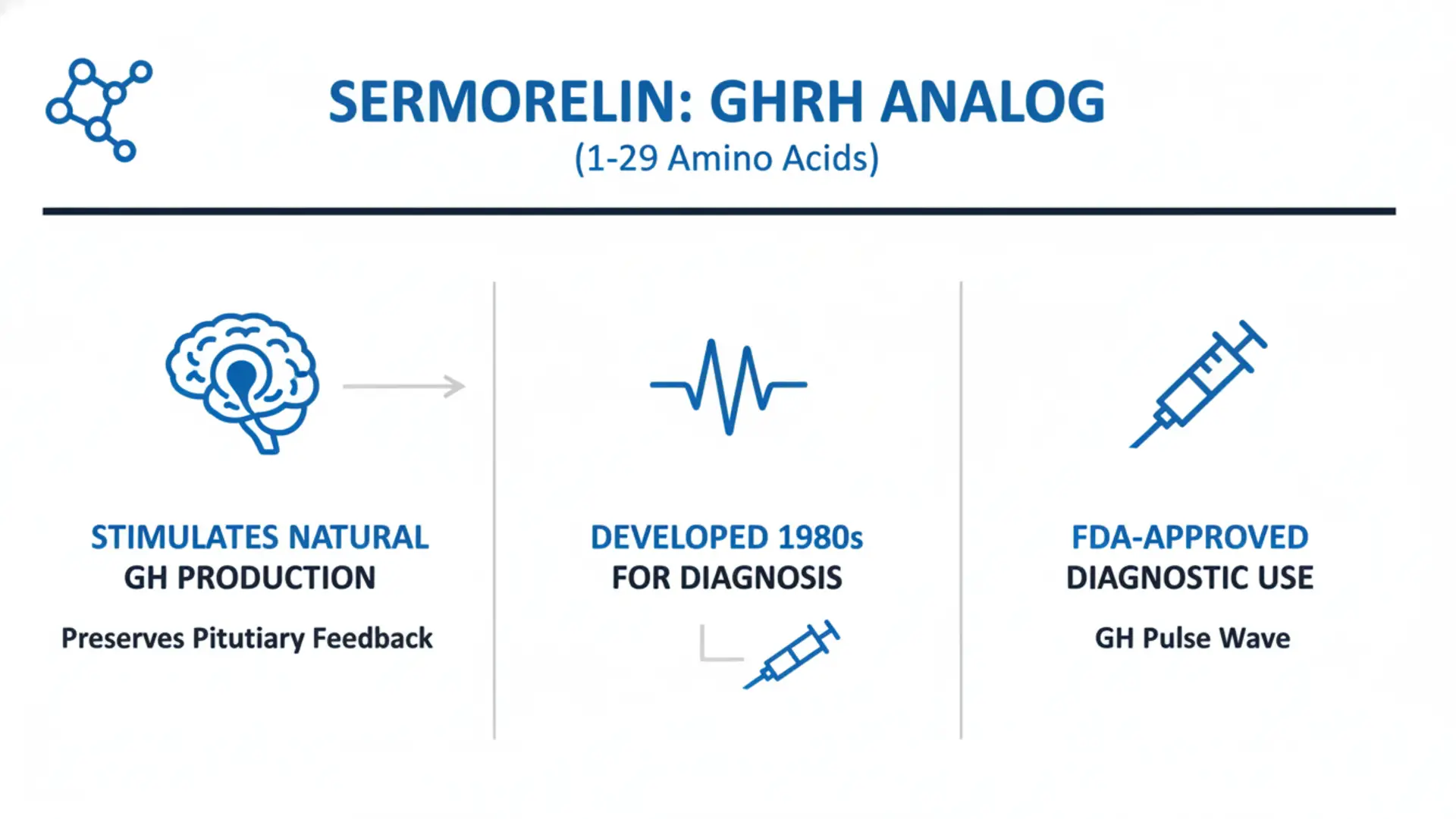
Sermorelin, a synthetic analog of growth hormone-releasing hormone (GHRH), has been the subject of peer-reviewed research exploring its potential role in stimulating endogenous growth hormone (GH) production. Studies have primarily focused on its use in diagnostic settings for GH deficiency, particularly in pediatric populations, with some investigations extending to adult applications. As interest in sermorelin online grows among researchers and clinicians seeking access to scientific literature, understanding the evidence from controlled human and animal studies remains essential. This article reviews key findings from peer-reviewed sources, emphasizing mechanisms, applications, and limitations while highlighting the preliminary nature of much of the data. Sermorelin online resources, such as PubMed databases, provide access to these studies, underscoring the importance of evidence-based evaluation. This review is intended for informational and research purposes and does not constitute medical advice or an endorsement of clinical use outside approved indications.
Mechanisms of Action
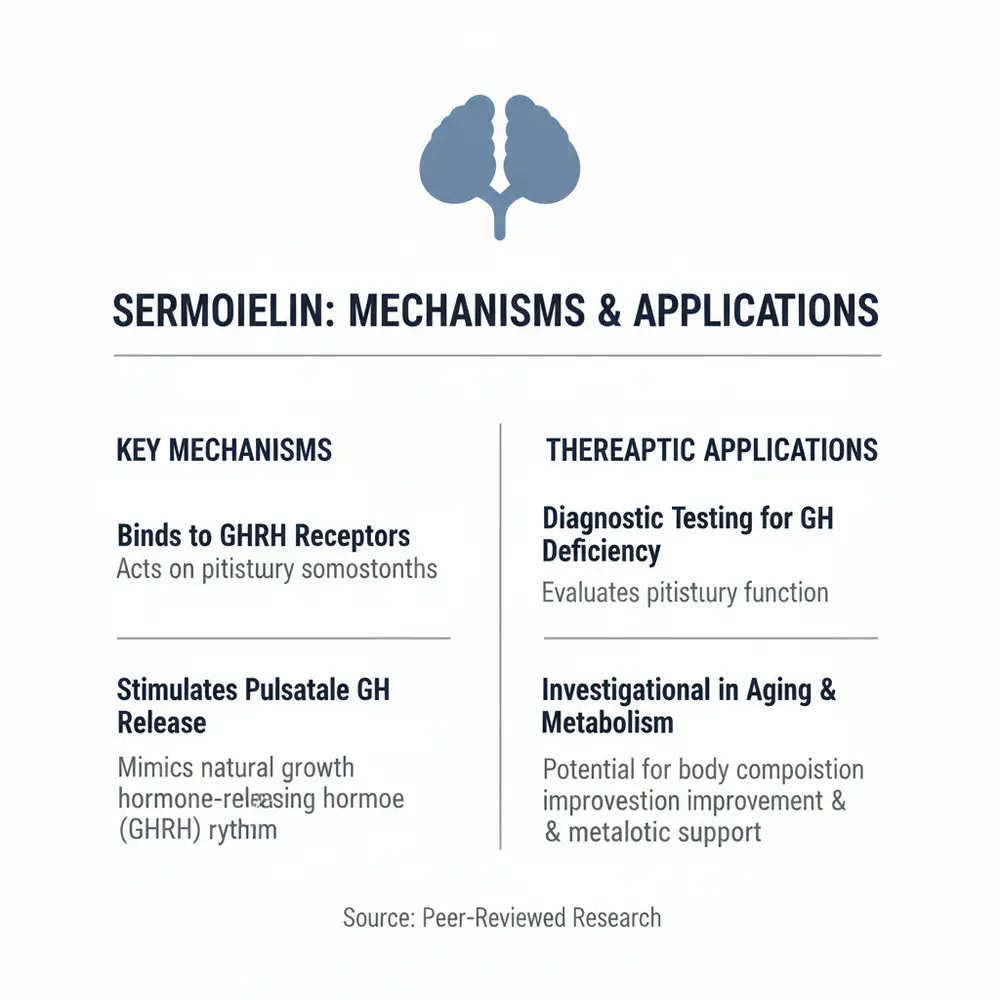
Sermorelin exerts its primary effects by binding to GHRH receptors (GHRHR) on pituitary somatotroph cells, activating adenylate cyclase and increasing intracellular cyclic AMP levels — a mechanism well-documented in studies using research-grade Sermorelin (GRF 1-29) as the reference compound.
This cascade promotes GH gene transcription and pulsatile secretion, as evidenced in vitro and animal models. A study in the Journal of Clinical Endocrinology & Metabolism examined related long-acting GHRH analogs, reporting sustained GH and insulin-like growth factor-1 (IGF-1) elevation without supraphysiological peaks.
Preclinical findings in rats show sermorelin dose-dependently stimulates GH release, with peak responses within 15-30 minutes post-injection. Human pharmacokinetic data indicate substantial bioavailability via the subcutaneous route, leading to transient GH pulses that mimic physiological patterns. Unlike exogenous GH, sermorelin preserves hypothalamic somatostatin tone, potentially reducing feedback inhibition risks observed in direct GH administration.
Downstream effects include IGF-1 modulation in the liver, influencing anabolic processes. Reviews note Sermorelin’s specificity for GHRHR, minimizing off-target actions compared to ghrelin mimetics — a property that makes Sermorelin peptide reference material a focused tool for investigating pituitary GHRH receptor signaling in controlled laboratory settings.
These mechanisms have been studied in contexts of age-related GH decline, where sermorelin online-accessible papers suggest restoration of pulsatile secretion in some settings, though direct causation in broad populations requires further validation.
Therapeutic Applications
Research has explored sermorelin for diagnostic provocation testing in suspected GH deficiency, where failure to achieve protocol-defined GH peak responses after administration has been used to indicate pituitary dysfunction in study settings. In pediatric idiopathic GH deficiency, studies have investigated sermorelin as an adjunct to stimulate linear growth, with various administration schedules reported across trials.
Adult applications have been examined in age-associated GH insufficiency, with preclinical and small-scale human data suggesting potential metabolic and body composition influences. Sermorelin has been studied for preserving lean mass and modulating fat distribution, akin to observations with related analogs like tesamorelin in HIV lipodystrophy models. Animal research supports tissue repair explorations, showing enhanced collagen synthesis in wound models.
Other areas include sleep architecture, where GH pulses during slow-wave sleep may be augmented, though evidence is preliminary.
Sermorelin online literature reviews highlight its investigation in combination protocols (for example, with arginine) reported to amplify GH responses in some studies; researchers exploring these synergistic designs may reference Sermorelin in combination research protocols when sourcing high-purity reference-grade material for controlled in vitro or preclinical work.
These applications remain investigational outside diagnostic settings, and broad regulatory approvals for such uses are not established.
Clinical Evidence
A pivotal 1997 review in Drugs analyzed sermorelin’s diagnostic utility across multiple trials, reporting relatively high sensitivity in children for distinguishing GH deficiency from normal states. Treatment arms in pediatric cohorts reported modest increases in height velocity over months, with some comparisons to low-dose GH showing differing IGF-1 response profiles.
In adults, a 2006 Clin Interv Aging paper reviewed sermorelin for adult-onset GH decline, citing small open-label studies where various dosing regimens raised IGF-1 toward younger reference ranges over several months. Elderly participants in earlier trials also showed IGF-1 increases after repeated administration.
A 2006 study on CJC-1295, a long-acting GHRH analog, in healthy adults demonstrated prolonged GH and IGF-1 stimulation for days following a single dose, informing understanding of GHRH analog pharmacodynamics broadly — including shorter-acting fragments such as the Sermorelin (GRF 1-29) research compound, which produces more transient, physiologically patterned GH pulses by comparison.
Pediatric randomized trials reported low rates of adverse events, primarily related to injection-site reactions. Adult data, however, derive from smaller, non-randomized cohorts, limiting generalizability. Sermorelin online-accessible meta-analyses emphasize consistent GH responses but call for larger controlled trials to better define efficacy and safety.
Tesamorelin trials (e.g., 2010 JAMA) in HIV-infected patients documented reductions in visceral adipose tissue over 26 weeks, providing indirect evidence about the potential of GHRH analog strategies in specific clinical contexts. Overall, clinical evidence supports diagnostic reliability for sermorelin, with therapeutic signals in GH-deficient states; robust Phase III data in healthy aging populations are limited.
Challenges and Limitations
Peer-reviewed sources highlight several challenges with sermorelin research. Injection-site reactions (pain, erythema) occur in a notable minority of subjects, alongside headaches, flushing, and dizziness reported in some studies. Rare hypersensitivity reactions have also been observed.
Limited long-term safety data pose concerns, as most trials span months rather than years. Potential IGF-1–related risks, including glucose dysregulation or theoretical oncogenic considerations in predisposed individuals, warrant continued surveillance, though direct causal links are not established in existing studies. Variability in bioavailability, storage requirements, and the use of compounded formulations introduce additional regulatory and quality considerations that can affect study comparability and product purity.
Diagnostic specificity may be reduced in conditions such as obesity or untreated hypothyroidism, which can complicate interpretation of stimulation tests. Adult evidence is often derived from small, non-blinded studies, introducing bias. These limitations underscore the preliminary status of non-diagnostic applications and the need for rigorous, well-controlled trials.
Future Directions
Ongoing research directions include larger randomized controlled trials evaluating GHRH analogs in adult GH insufficiency, particularly for conditions like sarcopenia and components of metabolic syndrome. Combination studies with other secretagogues aim to optimize pulsatile GH release, as suggested by preclinical models.
Longitudinal safety assessments, including registry-based approaches, are needed to address theoretical long-term risks. Biomarker-driven trials incorporating IGF-1, imaging of the GH axis, and metabolomics could refine dosing and responder identification. Pediatric follow-up studies and carefully designed adult trials may revisit growth and functional outcomes. Exploratory areas encompass neurodegenerative models and regenerative medicine approaches leveraging GH-related pathways. Sermorelin online platforms and databases facilitate data sharing, which may accelerate evidence synthesis. Advances in formulation science could address administration barriers, but any new approaches will require thorough clinical evaluation.
Conclusion
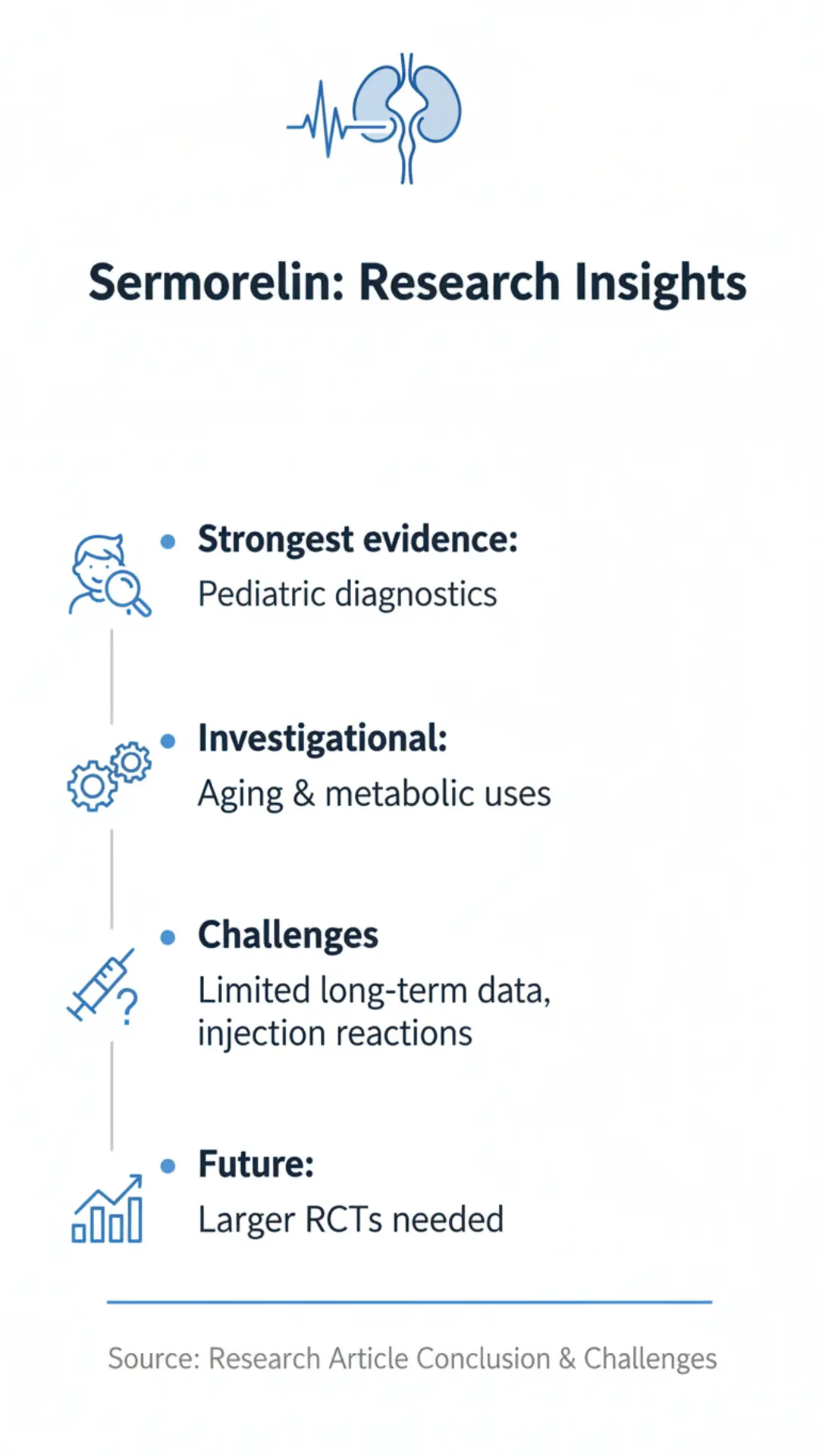
Sermorelin online research illuminates its role as a GHRH analog capable of stimulating physiological GH secretion, with the strongest peer-reviewed evidence supporting diagnostic applications in pediatric populations. Clinical data indicate GH and IGF-1 responses in GH-deficient states, while therapeutic use in aging or metabolic indications remains investigational. Challenges such as limited long-term evidence, variability in formulations, and regulatory considerations persist, emphasizing cautious interpretation of the literature. Researchers and clinicians should consult current regulatory guidance and high-quality sources when interpreting sermorelin data. This article is intended for informational and research purposes and is not a substitute for professional medical advice.
References
Walker RF. Sermorelin: A better approach to management of adult-onset growth hormone insufficiency? Clin Interv Aging. 2006. https://pmc.ncbi.nlm.nih.gov/articles/PMC2699646/
Bingel M, et al. Sermorelin: a review of its use in the diagnosis and treatment of children with idiopathic growth hormone deficiency. Drugs. 1997. https://pubmed.ncbi.nlm.nih.gov/18031173/
Teichman SL, et al. Prolonged stimulation of growth hormone (GH) and insulin-like growth factor I secretion by CJC-1295, a long-acting analog of GH-releasing hormone, in healthy adults. J Clin Endocrinol Metab. 2006. https://pubmed.ncbi.nlm.nih.gov/16352683/
Falutz J, et al. Effects of tesamorelin (TH9507), a growth hormone-releasing factor analog, in human immunodeficiency virus-infected patients with excess abdominal fat: a pooled analysis of two multicenter, double-blind placebo-controlled phase 3 trials with safety extension data. J Clin Endocrinol Metab. 2010. https://pubmed.ncbi.nlm.nih.gov/20554713/
Khorram O, et al. Activation of immune function by growth hormone-releasing hormone (GHRH): preliminary results of a randomized double-blind placebo-controlled study in healthy elderly subjects. J Clin Immunol. 1997. https://pubmed.ncbi.nlm.nih.gov/9236798/
Merriam GR, et al. Endocrine and metabolic effects of long-term administration of [Nle27]growth hormone-releasing hormone-(1-29)-NH2 in men over 60 years old. J Clin Endocrinol Metab. 1997. https://academic.oup.com/jcem/article/82/5/1472/2823341
Vance ML. Uncoupling of serum (IGF-I) and GH secretion in aging. J Clin Endocrinol Metab. 1997. https://pubmed.ncbi.nlm.nih.gov/9024247/
Corpas E, et al. Growth hormone (GH)-releasing hormone-(1-29) twice daily reverses the decreased GH and insulin-like growth factor-I levels in old men. J Clin Endocrinol Metab. 1992. https://pubmed.ncbi.nlm.nih.gov/1372711/
References
References
Walker RF. Sermorelin: A better approach to management of adult-onset growth hormone insufficiency? Clin Interv Aging. 2006. https://pmc.ncbi.nlm.nih.gov/articles/PMC2699646/
Bingel M, et al. Sermorelin: a review of its use in the diagnosis and treatment of children with idiopathic growth hormone deficiency. Drugs. 1997. https://pubmed.ncbi.nlm.nih.gov/18031173/
Teichman SL, et al. Prolonged stimulation of growth hormone (GH) and insulin-like growth factor I secretion by CJC-1295, a long-acting analog of GH-releasing hormone, in healthy adults. J Clin Endocrinol Metab. 2006. https://pubmed.ncbi.nlm.nih.gov/16352683/
Falutz J, et al. Effects of tesamorelin (TH9507), a growth hormone-releasing factor analog, in human immunodeficiency virus-infected patients with excess abdominal fat: a pooled analysis of two multicenter, double-blind placebo-controlled phase 3 trials with safety extension data. J Clin Endocrinol Metab. 2010. https://pubmed.ncbi.nlm.nih.gov/20554713/
Khorram O, et al. Activation of immune function by growth hormone-releasing hormone (GHRH): preliminary results of a randomized double-blind placebo-controlled study in healthy elderly subjects. J Clin Immunol. 1997. https://pubmed.ncbi.nlm.nih.gov/9236798/
Merriam GR, et al. Endocrine and metabolic effects of long-term administration of [Nle27]growth hormone-releasing hormone-(1-29)-NH2 in men over 60 years old. J Clin Endocrinol Metab. 1997. https://academic.oup.com/jcem/article/82/5/1472/2823341
Vance ML. Uncoupling of serum (IGF-I) and GH secretion in aging. J Clin Endocrinol Metab. 1997. https://pubmed.ncbi.nlm.nih.gov/9024247/
Corpas E, et al. Growth hormone (GH)-releasing hormone-(1-29) twice daily reverses the decreased GH and insulin-like growth factor-I levels in old men. J Clin Endocrinol Metab. 1992. https://pubmed.ncbi.nlm.nih.gov/1372711/