For Research Use Only. Not for human use.
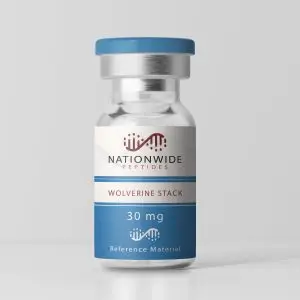
This research-grade peptide blend combines three peptides for use in controlled laboratory investigations:
- BPC-157 (Body Protection Compound-157, 15-amino-acid peptide): Studied in preclinical models for its involvement in nitric oxide modulation, VEGFR2 and FAK-paxillin pathway activity, and fibroblast and epithelial signaling. Research references include gastrointestinal and connective tissue models.
- GHK-Cu (Glycyl-L-Histidyl-L-Lysine-Copper): A tripeptide-copper complex investigated in laboratory settings for its role in extracellular matrix signaling, TGF-β and metalloproteinase modulation, and fibroblast activity in in vitro models.
- TB-500 (Thymosin Beta-4 fragment, Ac-LKKTETQ): An actin-sequestering peptide studied for its involvement in VEGF-mediated signaling, cell migration, and angiogenic pathway activity in preclinical research contexts.
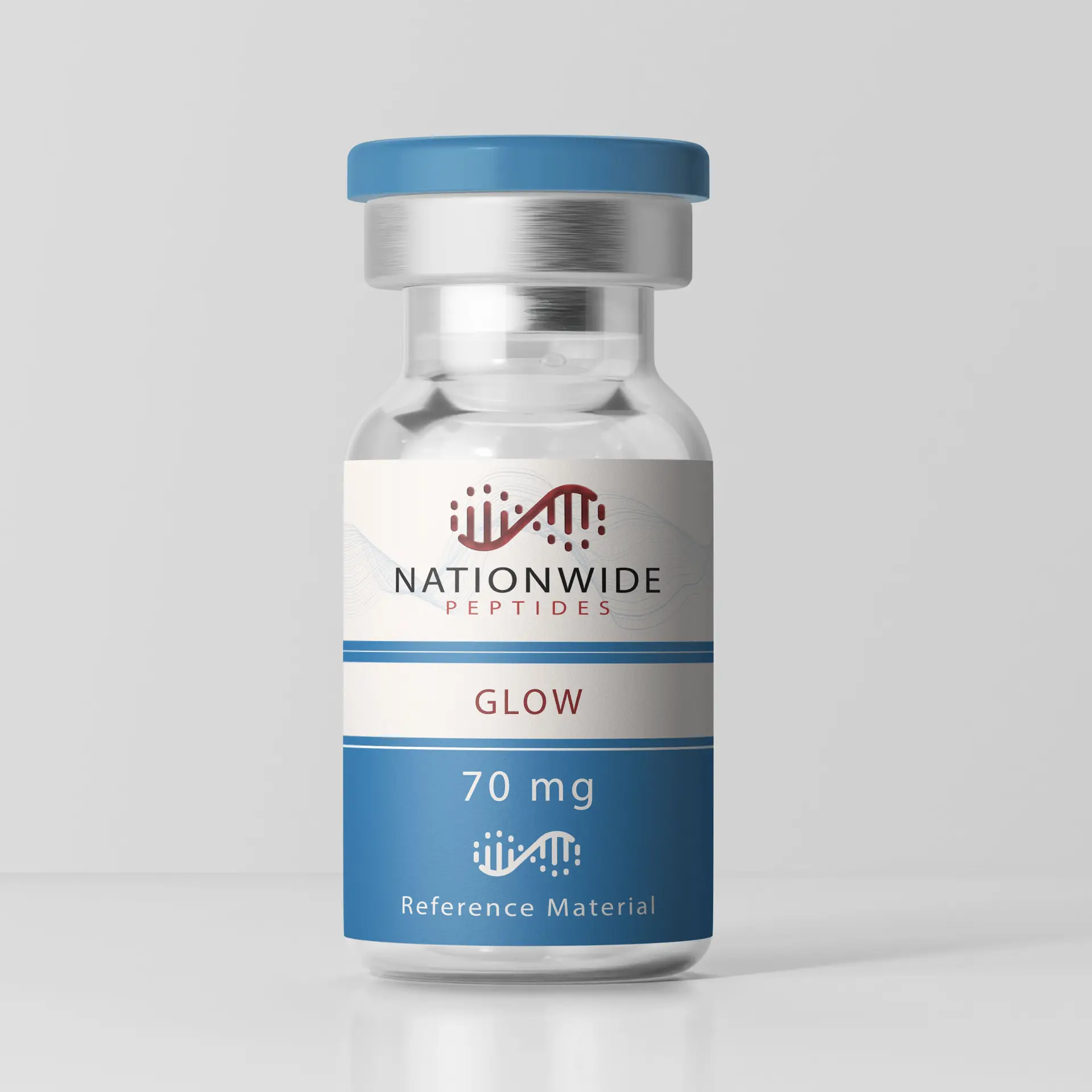
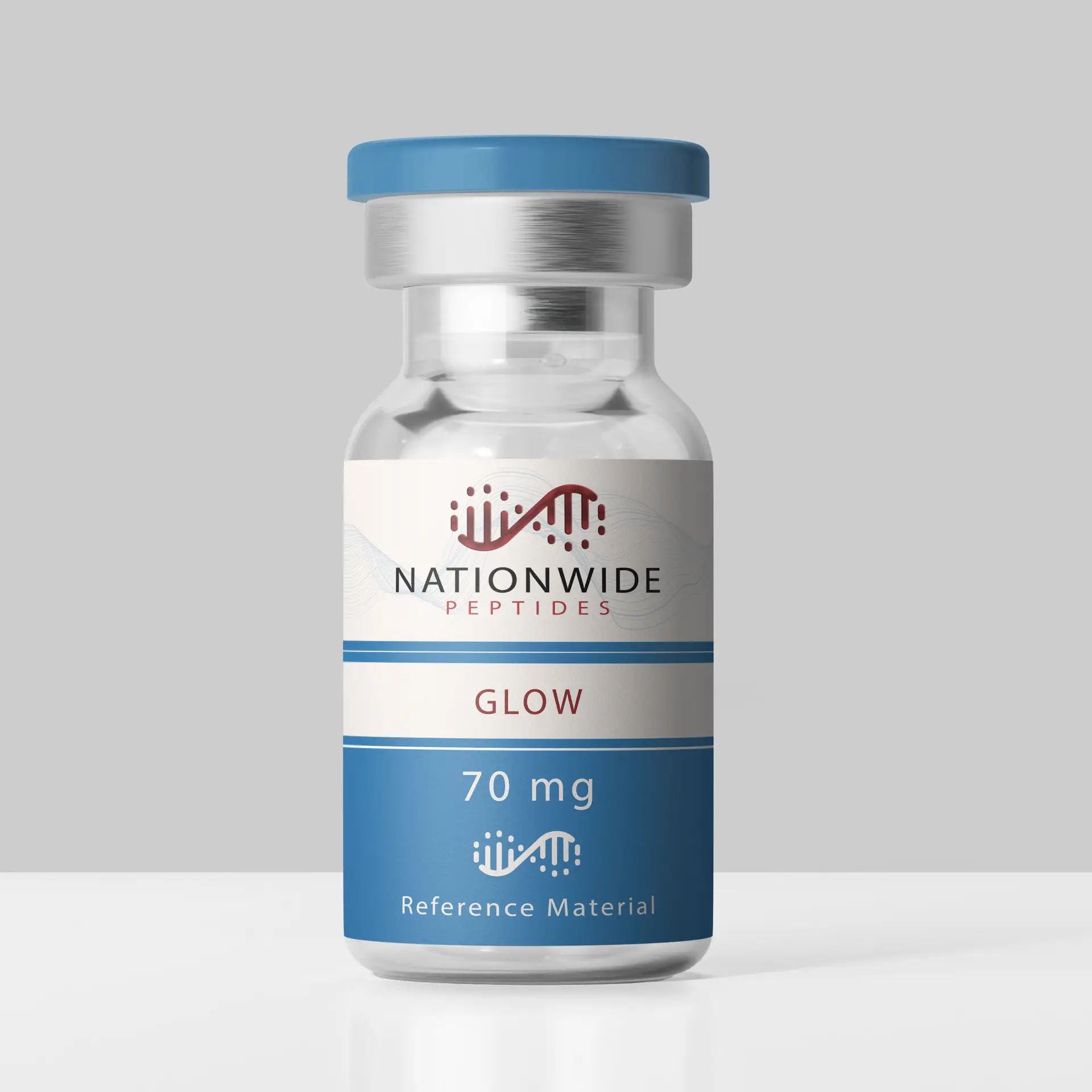
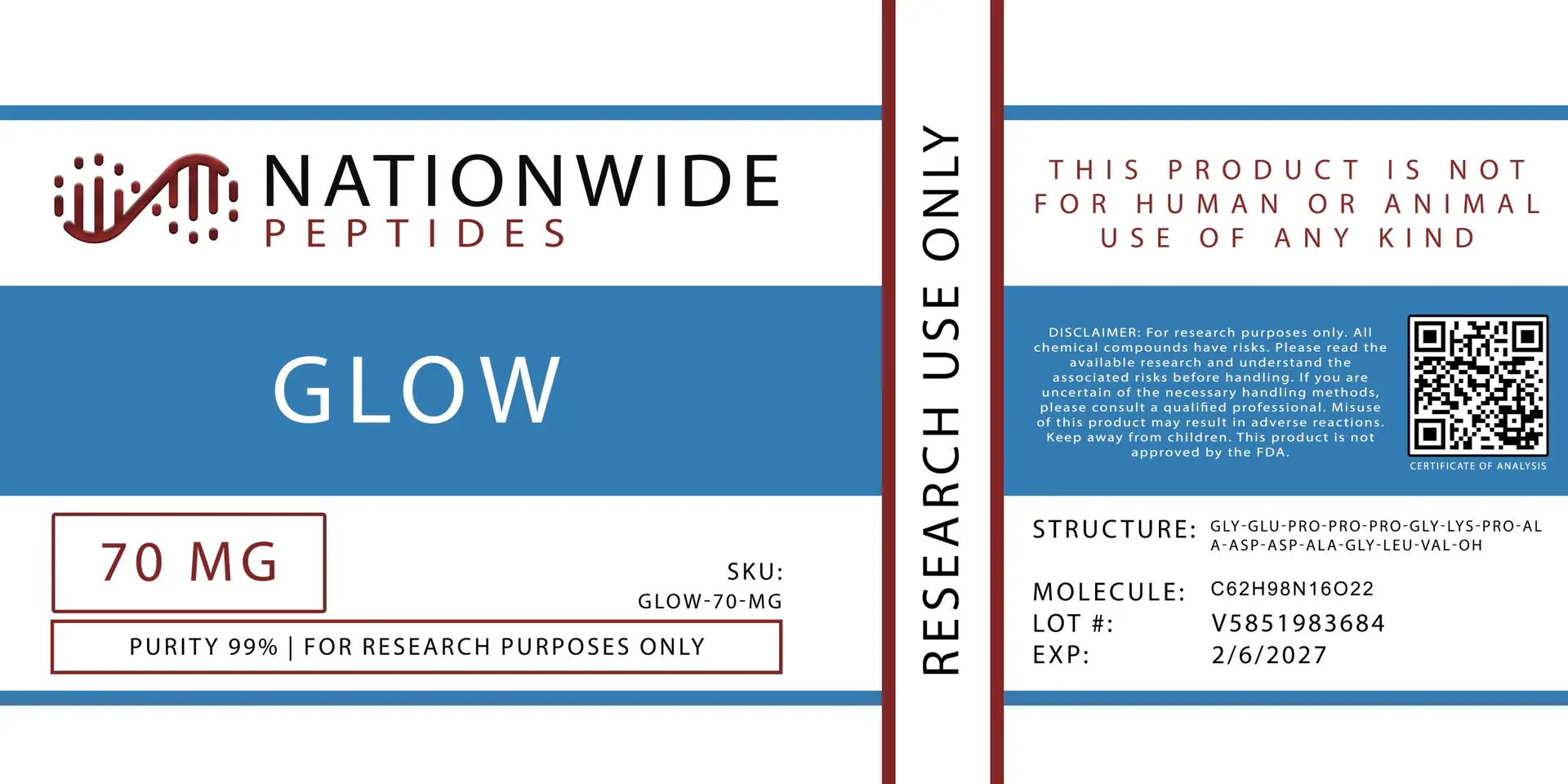
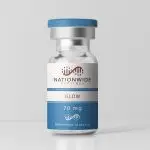
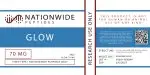
This tri-peptide combination is formulated for researchers examining multi-pathway peptide interactions under controlled experimental conditions. Total peptide content per vial: 70 mg (10 mg BPC-157 + 50 mg GHK-Cu + 10 mg TB-500).
Analytical Specifications
- Purity: BPC-157 (≥98%), GHK-Cu (≥99%), TB-500 (≥98%) verified by HPLC/MS
- Composition: 10 mg BPC-157 + 50 mg GHK-Cu + 10 mg TB-500 per vial
- Lyophilized blend for long-term stability
- Full Certificate of Analysis (COA) available, including HPLC, MS, and copper content data
- Manufactured in GMP-aligned, ISO-compliant facilities
Research Context
- BPC-157 has been referenced in preclinical literature examining nitric oxide and VEGF signaling pathways in connective tissue and gastrointestinal models ().
- GHK-Cu has been studied in vitro for its interaction with TGF-β pathways and extracellular matrix remodeling signaling ().
- TB-500 has been investigated in laboratory models for actin polymerization dynamics and integrin-linked cell motility pathways ().
- Combined formulations allow researchers to examine multi-peptide signaling interactions across overlapping biological pathways in controlled experimental settings.
Suitable for use in musculoskeletal, dermal, gastrointestinal, and systemic signaling research models. Not intended for human or animal use.