
For Research Use Only. Educational content for laboratory research literacy. Not medical advice; not for human use.
BPC-157 vs TB-500 for laboratory teams
This section summarizes how BPC-157 vs TB-500 topics are handled in documentation-first laboratory workflows. Teams evaluating BPC-157 vs TB-500 should prioritize certificates of analysis, research-use labeling, and lot traceability before procurement decisions.
For primary literature on BPC-157 vs TB-500, start with PubMed and program context at NIH.gov. Review related materials in the research peptides catalog.
Documentation checks related to BPC-157 vs TB-500
When BPC-157 vs TB-500 appears in a protocol plan, keep identity testing method, purity report, storage guidance, and supplier transparency notes with the project file. Clear records make BPC-157 vs TB-500 comparisons across lots more reliable for research continuity.
This guide focuses on BPC-157 vs TB-500 for laboratory documentation and research planning.
What Is the Difference in a BPC-157 vs TB-500 Comparison?
BPC-157 and TB-500 are synthetic research peptides that are frequently discussed together because both have been investigated in laboratory models involving tissue biology and cellular repair processes. In any careful BPC-157 vs TB-500 review, they differ substantially in biological origin, peptide structure, molecular characteristics, and the scientific questions they are designed to explore.
BPC-157 is a 15-amino-acid peptide derived from a protective protein sequence associated with gastric juice, whereas TB-500 is a synthetic research peptide modeled after biologically active regions of the naturally occurring protein Thymosin Beta-4 (Tβ4). These distinct origins result in different molecular properties and research applications.
This BPC-157 vs TB-500 guide compares both peptides from a scientific perspective, examining their molecular architecture, laboratory characterization, analytical testing methods, research focus, and the current state of published evidence. The objective of this BPC-157 vs TB-500 article is to provide researchers with a balanced, evidence-based comparison without making therapeutic or clinical claims.
BPC-157 vs TB-500: Scientific Comparison, Molecular Differences & Laboratory Research Guide
| Category | BPC-157 | TB-500 |
|---|---|---|
| Scientific Classification | Synthetic pentadecapeptide | Synthetic peptide modeled after Thymosin Beta-4 |
| Peptide Length | 15 amino acids | Synthetic research fragment |
| Primary Research Focus | Cellular signaling and tissue biology | Cell migration and cytoskeletal biology |
| Common Laboratory Analysis | RP-HPLC, LC-MS, peptide sequencing | RP-HPLC, LC-MS, peptide sequencing |
| Research Status | Experimental research compound | Experimental research compound |
| Comparison Topic | BPC-157 vs TB-500 |
|---|---|
| Research Category | Experimental synthetic peptides |
| Laboratory Techniques | RP-HPLC, LC-MS, purity testing, peptide sequencing |
| Evidence Base | Primarily preclinical laboratory research |
| Guide Purpose | Objective scientific comparison for research and educational use |
- BPC-157 and TB-500 originate from different biological frameworks and possess distinct molecular structures.
- Although often discussed together, each peptide is investigated for different aspects of cellular and molecular biology.
- Both peptides require analytical verification using techniques such as RP-HPLC and LC-MS to confirm identity and purity.
- Most published evidence comes from laboratory and preclinical studies rather than large-scale human clinical trials.
- An evidence-based comparison should distinguish established scientific findings from areas that remain under active investigation.
Introduction
A BPC-157 vs TB-500 comparison of BPC-157 and TB-500 have become increasingly common within peptide research communities, yet many online resources simplify the discussion to broad performance claims without explaining the underlying science. In reality, these compounds originate from different biological systems, possess distinct molecular architectures, and are investigated for different research objectives. Understanding these differences is essential for interpreting published literature responsibly.
BPC-157 is a synthetic pentadecapeptide derived from a protective protein sequence associated with gastric juice, while TB-500 is a synthetic peptide modeled after biologically active regions of Thymosin Beta-4 (Tβ4), a naturally occurring protein involved in cellular processes. Although both compounds appear throughout preclinical literature, they are not interchangeable research tools, and the scientific questions surrounding each peptide differ substantially.
This guide has been developed as a research-focused comparison rather than a promotional overview. Instead of emphasizing anecdotal reports, it examines the available evidence through the lens of molecular biology, peptide chemistry, analytical characterization, and published laboratory studies. Throughout the article, readers will find structured comparison tables, explanatory notes, and references designed to provide context while distinguishing established findings from ongoing areas of investigation.
Whether you are reviewing peptide literature, evaluating laboratory documentation, or comparing analytical characteristics, the goal of this guide is to present an objective overview supported by current scientific understanding and appropriate research practices.
Evidence Boundaries
The information presented throughout this guide is intended exclusively for scientific education and laboratory research. Most published data involving BPC-157 and TB-500 originates from preclinical investigations, including in vitro experiments and animal models. While these studies contribute valuable insights into peptide biology, they should not be interpreted as confirmation of clinical efficacy or safety in humans.
Whenever available, this guide differentiates between established biochemical observations, experimental findings, and hypotheses that continue to be explored in the scientific literature. Readers are encouraged to interpret all findings within the context of the original research and recognize that evidence may evolve as additional studies become available.
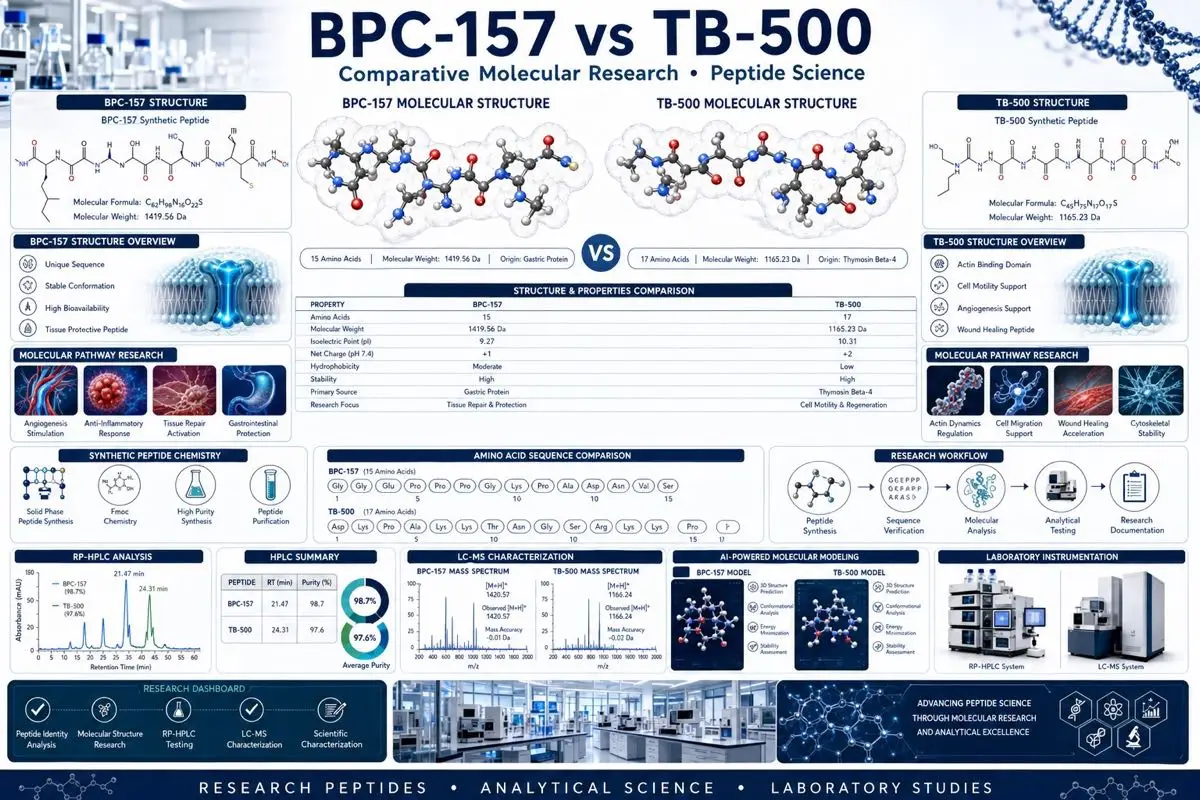
Although BPC-157 vs TB-500 are frequently mentioned together in peptide research discussions, they represent distinct research compounds with different biological origins, molecular characteristics, and areas of scientific investigation. The table below provides a concise comparison of their key laboratory attributes before exploring each topic in greater detail.
| Feature | BPC-157 | TB-500 |
|---|---|---|
| Biological Origin | Derived from a protective gastric protein sequence (Body Protection Compound) | Synthetic peptide modeled after biologically active regions of Thymosin Beta-4 (Tβ4) |
| Peptide Length | 15 amino acids | Synthetic research peptide based on the active region of Thymosin Beta-4 |
| Primary Research Focus | Cellular signaling, tissue biology, angiogenesis, and extracellular matrix research | Cytoskeletal dynamics, actin regulation, cell migration, and tissue biology research |
| Analytical Testing | RP-HPLC, LC-MS, amino acid sequence verification, purity analysis | RP-HPLC, LC-MS, amino acid sequence verification, purity analysis |
| Research Status | Experimental laboratory research peptide | Experimental laboratory research peptide |
| Typical Research Environment | Preclinical laboratory studies | Preclinical laboratory studies |
Scientific Foundations of BPC-157 vs TB-500
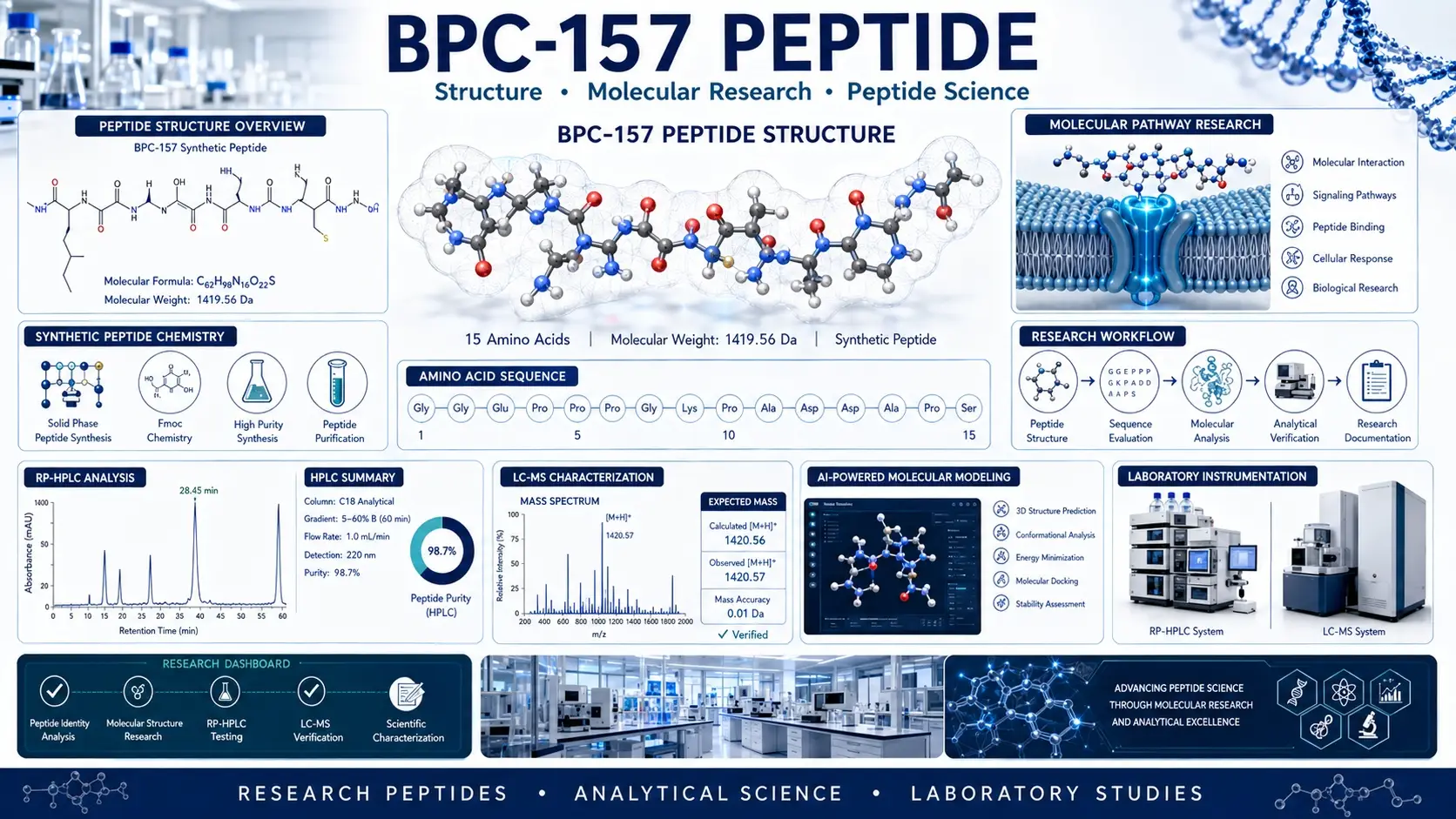
Before comparing experimental findings in BPC-157 vs TB-500 studies, it is important to understand that BPC-157 and TB-500 (the core BPC-157 vs TB-500 pair) originate from different biological frameworks. Their molecular design, amino acid composition, and proposed biological roles are distinct, which is why researchers often investigate them within different experimental contexts despite both being classified as synthetic research peptides.
BPC-157, commonly abbreviated from Body Protection Compound-157, is a synthetic pentadecapeptide consisting of 15 amino acids. It was derived from a naturally occurring protective protein sequence associated with gastric juice. Scientific interest in BPC-157 has focused primarily on cellular signaling pathways, tissue biology, angiogenesis, and interactions with components of the extracellular matrix. Most published evidence remains limited to laboratory and preclinical investigations.
TB-500, by comparison, is a synthetic peptide designed to model biologically active regions of Thymosin Beta-4 (Tβ4), an endogenous protein widely distributed throughout mammalian tissues. Rather than representing the complete native protein, TB-500 serves as a research analogue intended to investigate specific biological processes associated with actin dynamics, cytoskeletal organization, and cellular migration. These molecular differences explain why the two peptides are frequently evaluated through different experimental models and endpoints.
Although both peptides appear in studies involving tissue biology, they should not be considered functionally equivalent. Each compound represents a separate area of peptide research with its own biochemical rationale, experimental methodology, and evidence base. Appreciating these distinctions provides the foundation for understanding the comparative analyses presented throughout the remainder of this guide.
How Do the Molecular Structures of BPC-157 and TB-500 Compare?
BPC-157 vs TB-500 structure discussions usually start with chain length, parent-protein relationship, and physicochemical handling notes.
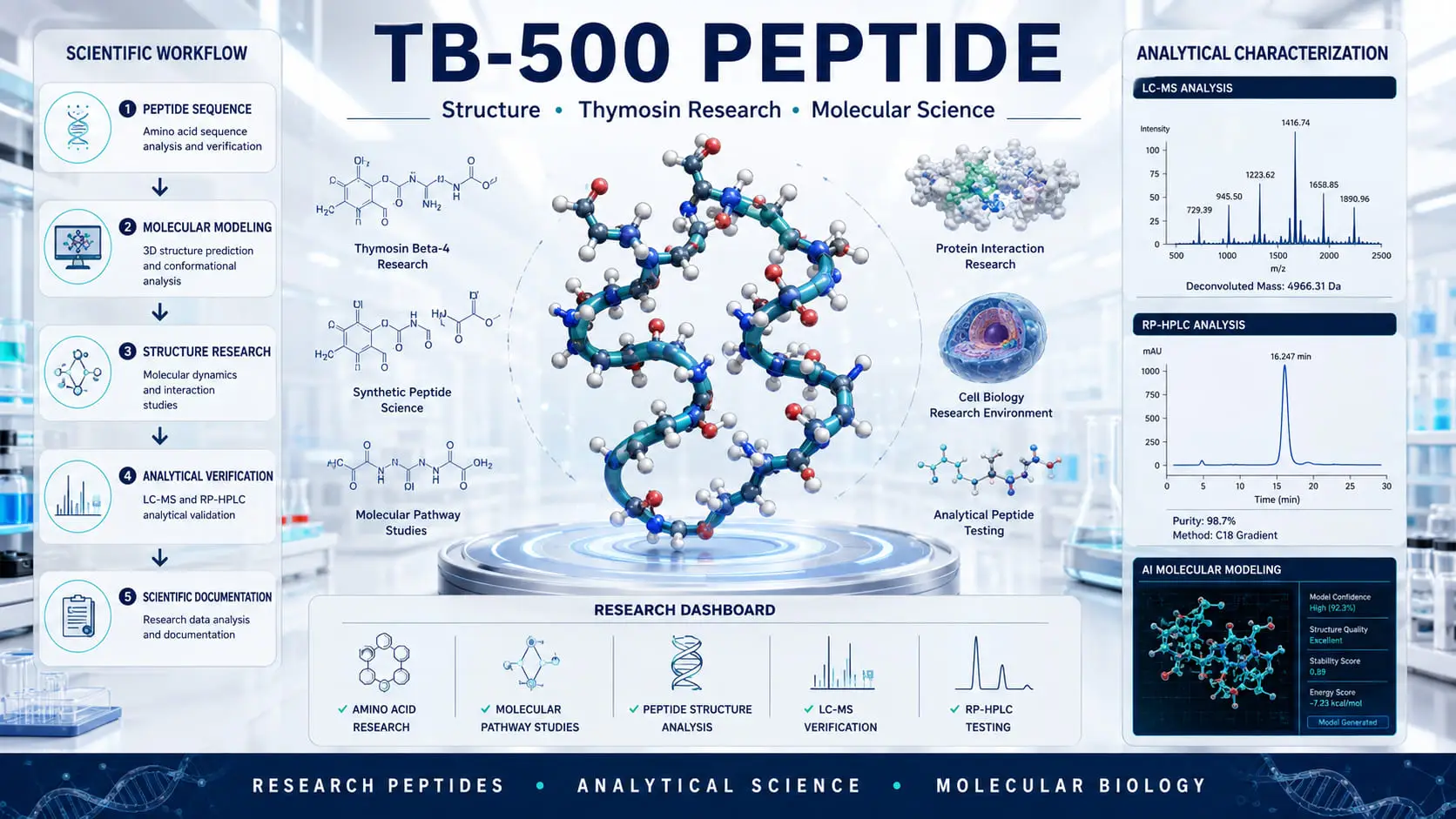
Molecular structure is one of the most significant distinctions in any BPC-157 vs TB-500 review. Clear structural notes keep BPC-157 vs TB-500 claims grounded. While both compounds belong to the broader category of synthetic research peptides, they were designed from different biological templates and possess unique amino acid compositions that influence how researchers investigate them in laboratory settings.
BPC-157 Peptide is a synthetic pentadecapeptide composed of 15 amino acids. It was developed from a protective peptide sequence associated with gastric proteins and is recognized for its relatively compact molecular architecture. Because of its defined sequence and shorter peptide chain, BPC-157 is commonly characterized using established analytical techniques including reverse-phase high-performance liquid chromatography (RP-HPLC), liquid chromatography-mass spectrometry (LC-MS), and amino acid sequence verification.
TB-500 differs conceptually. Rather than representing a naturally occurring peptide in its native form, it is a synthetic research analogue modeled after biologically active regions of the endogenous protein Thymosin Beta-4 (Tβ4). This distinction is important because discussions surrounding TB-500 often reference the parent protein, while laboratory investigations focus specifically on the synthetic peptide used for experimental purposes.
From a structural biology perspective, these differences mean that BPC-157 and TB-500 cannot be viewed as direct molecular equivalents. Their amino acid sequences, biological origins, and structural characteristics reflect different scientific objectives, which is why comparative studies typically evaluate each peptide independently before considering broader observations across tissue biology or cellular research.
| Structural Characteristic | BPC-157 | TB-500 |
|---|---|---|
| Scientific Classification | Synthetic pentadecapeptide | Synthetic peptide modeled after Thymosin Beta-4 |
| Biological Template | Protective gastric protein sequence | Thymosin Beta-4 (Tβ4) |
| Peptide Length | 15 amino acids | Synthetic research analogue |
| Primary Structural Focus | Defined peptide sequence | Biologically active peptide region |
| Common Analytical Methods | RP-HPLC, LC-MS, sequence verification | RP-HPLC, LC-MS, sequence verification |
| Laboratory Classification | Experimental research peptide | Experimental research peptide |
Why Molecular Structure Matters
Differences in molecular architecture influence how peptides are synthesized, purified, characterized, and investigated in laboratory environments. Researchers rely on analytical methods such as RP-HPLC, LC-MS, and sequence verification to confirm that experimental materials meet predefined identity and purity specifications before they are used in scientific studies. Understanding these structural distinctions also helps explain why BPC-157 and TB-500 peptides are often examined through different experimental models despite occasionally appearing together in comparative discussions.
How Do the Biological Research Mechanisms of BPC-157 vs TB-500 Compare?
Mechanism summaries in BPC-157 vs TB-500 literature should stay tied to the specific assay systems used in each paper.
While BPC-157 vs TB-500 topics are frequently discussed within the same research conversations, current scientific literature indicates that they are investigated through different biological frameworks. Their distinct molecular origins influence the cellular pathways and physiological processes that researchers explore in experimental settings, making it important to evaluate each peptide independently rather than assuming they perform similar biological functions.
Research involving BPC-157 has primarily examined cellular signaling, angiogenesis, extracellular matrix interactions, nitric oxide regulation, and tissue biology. Much of the published work focuses on understanding how the peptide influences cellular communication and biological responses in controlled laboratory models. These investigations remain largely preclinical, with ongoing efforts to clarify the precise molecular pathways involved.
In contrast, TB-500 is commonly investigated for its relationship with actin dynamics, cytoskeletal organization, cellular migration, and tissue remodeling. Because it is modeled after biologically active regions of Thymosin Beta-4, researchers often examine its influence on processes associated with cell movement and structural organization rather than the signaling pathways more frequently discussed in BPC-157 literature.
Although both peptides appear in studies involving tissue biology, the scientific rationale behind those investigations differs. Comparing experimental outcomes without considering these underlying biological differences can lead to oversimplified conclusions. A meaningful comparison should therefore begin with the mechanisms being investigated rather than the observed experimental outcomes alone.
| Research Area | BPC-157 | TB-500 |
|---|---|---|
| Cellular Signaling | Frequently investigated | Limited primary focus |
| Actin Dynamics | Occasionally discussed | Major area of investigation |
| Cytoskeletal Organization | Secondary research interest | Primary research focus |
| Cell Migration | Investigated in selected laboratory models | Frequently investigated |
| Extracellular Matrix Biology | Common research topic | Investigated indirectly |
| Evidence Base | Predominantly preclinical | Predominantly preclinical |
BPC-157 research primarily investigates cellular signaling pathways and extracellular matrix biology, whereas TB-500 research is more closely associated with actin regulation, cytoskeletal organization, and cellular migration. Although both peptides are explored in tissue-related laboratory models, they are not interchangeable from a mechanistic research perspective.
How Has Scientific Research on BPC-157 vs TB-500 Evolved?
Scientific interest in BPC-157 and TB-500 has expanded over the past several decades as peptide research has become increasingly focused on understanding cellular signaling, tissue biology, and molecular regulation. Although both compounds are frequently discussed together, their research histories developed through different scientific pathways, reflecting their distinct biological origins and experimental objectives.
Early investigations involving BPC-157 focused on understanding the biological activity of protective peptide sequences associated with gastric proteins. Researchers explored its stability, peptide chemistry, and potential influence on cellular communication within controlled laboratory environments. As additional preclinical studies emerged, the scope of research broadened to include angiogenesis, extracellular matrix biology, and nitric oxide-related signaling pathways.
Research involving TB-500 followed a different trajectory. Scientific interest originated from studies of Thymosin Beta-4 (Tβ4), an endogenous protein known for its interaction with actin and its role in cellular organization. Synthetic TB-500 was subsequently developed as a laboratory research peptide to investigate biological processes associated with cytoskeletal dynamics, cell migration, and tissue remodeling under experimental conditions.
Today, both peptides remain active areas of preclinical investigation. Researchers continue to examine their molecular characteristics, analytical profiles, and biological behavior while recognizing that many proposed mechanisms require additional validation through well-designed experimental studies. Current evidence remains strongest within laboratory and animal research, with comparatively limited high-quality human clinical data available for either compound.
| Research Stage | BPC-157 | TB-500 |
|---|---|---|
| Initial Scientific Interest | Protective gastric peptide research | Thymosin Beta-4 biology |
| Early Laboratory Focus | Peptide chemistry and cellular signaling | Actin interaction and cytoskeletal organization |
| Expanded Research Areas | Angiogenesis, extracellular matrix biology, tissue models | Cell migration, tissue remodeling, structural cell biology |
| Current Research Direction | Mechanistic pathway investigation | Molecular and cellular process investigation |
| Overall Evidence Base | Predominantly preclinical | Predominantly preclinical |
Although both peptides continue to attract scientific interest, their evidence base is still largely derived from experimental laboratory studies. Ongoing research aims to improve understanding of their molecular characteristics, biological pathways, and analytical properties while addressing important gaps in the existing literature.
Why Is BPC-157 vs TB-500 Frequently Compared?
Search interest alone does not make compounds interchangeable; a rigorous BPC-157 vs TB-500 comparison keeps origins and endpoints separate.
One of the most common questions in peptide research is why BPC-157 vs TB-500 topics are so often discussed together. The comparison did not originate because the two peptides share the same molecular structure or biological origin. Instead, they became associated through preclinical research exploring different aspects of tissue biology, cellular communication, and regenerative processes. As interest in experimental peptides increased, researchers and scientific communities began examining both compounds within broader discussions of tissue-related laboratory models, leading to frequent side-by-side comparisons.
Despite this association, the two peptides represent different areas of investigation. BPC-157 research primarily examines cellular signaling pathways, extracellular matrix interactions, angiogenesis, and peptide-mediated biological communication. TB-500 research, in contrast, is more closely connected with actin regulation, cytoskeletal organization, and mechanisms involved in cellular migration and structural remodeling. Although both research programs may investigate overlapping biological systems, they approach these systems from different molecular perspectives.
This distinction is important because many online comparisons focus only on broad outcomes while overlooking the underlying biology. Evaluating peptides solely by experimental observations can oversimplify the science and obscure the different biochemical questions each compound was designed to investigate. A scientifically meaningful comparison begins with molecular origin, peptide structure, and biological function before considering published experimental findings.
Researchers therefore use a BPC-157 vs TB-500 lens not because they are interchangeable, but because together they provide complementary models for studying different components of tissue biology. Understanding these differences allows published literature to be interpreted within its proper scientific context rather than relying on generalized conclusions.
| Common Comparison Question | Scientific Perspective |
|---|---|
| Why are they discussed together? | Both appear in preclinical tissue biology research but investigate different biological pathways. |
| Do they share the same biological origin? | No. BPC-157 originates from a gastric peptide sequence, whereas TB-500 is modeled after biologically active regions of Thymosin Beta-4. |
| Are they molecularly equivalent? | No. Their peptide architecture, biological templates, and research objectives are distinct. |
| Should research findings be interpreted identically? | No. Experimental observations should always be evaluated within the biological framework of the individual peptide being studied. |
The BPC-157 vs TB-500 comparison is most valuable when it highlights their scientific differences rather than attempting to identify a universal “better” peptide. Each compound represents a separate area of peptide research with its own molecular rationale, experimental methodology, and evolving evidence base.
How Are BPC-157 and TB-500 Analytically Characterized?
Analytical panels used in BPC-157 vs TB-500 work typically emphasize identity confirmation, purity estimates, and documentation traceability.

Before any experimental peptide is introduced into a laboratory study, researchers must establish its identity, purity, and chemical consistency. This process, known as analytical characterization, helps ensure that experimental observations are based on a well-defined material rather than impurities, degradation products, or manufacturing variability. Although BPC-157 and TB-500 differ in molecular origin in BPC-157 vs TB-500 reviews and biological focus, both are evaluated using many of the same analytical techniques.
Modern peptide laboratories typically combine chromatographic and mass spectrometric methods to verify identity and purity. Reverse-phase high-performance liquid chromatography (RP-HPLC) is widely used to estimate peptide purity by separating the target compound from potential impurities. Liquid chromatography-mass spectrometry (LC-MS) complements this analysis by confirming molecular mass and helping verify that the synthesized peptide corresponds to the expected molecular profile.
Depending on laboratory requirements, additional analytical procedures such as amino acid sequence verification, peptide content determination, residual solvent analysis, moisture assessment, and stability studies may also be performed. Collectively, these techniques provide researchers with confidence that the material used in an experiment is appropriately characterized before biological investigations begin.
| Analytical Method | Purpose | Commonly Applied to |
|---|---|---|
| RP-HPLC | Evaluate chromatographic purity and detect impurities | BPC-157 and TB-500 |
| LC-MS | Confirm molecular mass and identity | BPC-157 and TB-500 |
| Amino Acid Sequence Verification | Verify peptide sequence integrity | Both peptides where applicable |
| Peptide Content Analysis | Determine concentration and batch consistency | Both peptides |
| Stability Testing | Monitor peptide integrity under defined storage conditions | Both peptides |
Analytical testing does not evaluate biological activity or experimental outcomes. Its purpose is to verify that the peptide supplied for research matches predefined quality specifications, allowing subsequent laboratory investigations to begin with a well-characterized material.
How Should Researchers Evaluate Peptide Quality?
Quality checklists for BPC-157 vs TB-500 procurement should prioritize COA completeness, method clarity, and lot traceability.

Analytical characterization is only one aspect of peptide quality. Researchers should also evaluate the documentation accompanying each batch, including manufacturing records, analytical reports, and quality control procedures. Transparent documentation improves reproducibility and allows experimental results to be interpreted with greater confidence.
One of the most important quality documents is the Certificate of Analysis (COA). A COA summarizes analytical findings for a specific production batch and commonly includes information such as purity measurements, molecular identity, batch identification, testing methodology, and release specifications. Reviewing this documentation helps researchers verify that the material has undergone appropriate quality assessment before laboratory use.
Researchers may also consider factors such as manufacturing consistency, third-party analytical verification where available, traceability between production batches, appropriate storage recommendations, and supplier transparency. While these considerations do not replace experimental validation, they contribute to a more robust quality assurance process and support reproducible scientific research.
| Quality Consideration | Why It Matters |
|---|---|
| Certificate of Analysis | Documents analytical testing performed on the production batch. |
| Batch Traceability | Supports reproducibility across independent experiments. |
| Analytical Documentation | Provides transparency regarding testing methods and specifications. |
| Storage Guidance | Helps preserve peptide integrity before experimental use. |
| Supplier Transparency | Allows researchers to assess available quality information and documentation. |
High-quality analytical documentation strengthens confidence in research materials but should not be interpreted as evidence of biological effectiveness or clinical applicability. Quality assurance and scientific outcomes are complementary, yet distinct, components of responsible peptide research.
What Does Current Scientific Evidence Show About BPC-157 vs TB-500?
Evidence summaries for BPC-157 vs TB-500 should separate biochemical characterization from exploratory biological models.
Scientific interest in BPC-157 and TB-500 has grown considerably over the past two decades, resulting in an expanding body of preclinical literature. Although both peptides have been investigated in experimental models involving tissue biology and cellular processes, the quality, scope, and maturity of the available evidence vary considerably. Understanding these differences is essential for interpreting published findings responsibly and identifying where additional research is needed.
The majority of published studies used in BPC-157 vs TB-500 reviews originate from laboratory experiments and animal models. These investigations have contributed valuable insights into peptide biology, molecular signaling, and cellular behavior, but they should not be interpreted as equivalent to evidence generated through large-scale human clinical research. Consequently, many observations remain exploratory and continue to require independent validation.
Strengths of the Available Evidence
Existing literature provides a meaningful foundation for understanding how these peptides behave in controlled experimental settings. Researchers have characterized their chemical properties, investigated multiple biological pathways, and developed analytical methods that improve consistency across laboratory studies. Collectively, these investigations have expanded scientific knowledge while generating hypotheses for future research.
| Evidence Strength | BPC-157 | TB-500 |
|---|---|---|
| Preclinical Literature | Extensive experimental studies | Substantial experimental studies |
| Molecular Characterization | Well described | Well described |
| Analytical Methodology | Established laboratory techniques | Established laboratory techniques |
| Mechanistic Investigation | Active area of research | Active area of research |
Current Limitations and Knowledge Gaps
Despite encouraging progress in laboratory research, important limitations remain. Many published investigations involve relatively small experimental datasets, use different laboratory methodologies, or focus on specific biological models that may not be directly comparable. Variability in experimental design can make it difficult to draw broad conclusions across independent studies.
Another important consideration is the comparatively limited availability of large, well-controlled human clinical trials. While preclinical findings are valuable for generating scientific hypotheses, they represent only one stage of the research process. Additional investigations are necessary to clarify biological mechanisms, improve reproducibility, and better understand the scope and limitations of current evidence.
Responsible interpretation requires distinguishing between laboratory observations, mechanistic hypotheses, and clinically validated conclusions. Throughout this guide, comparisons are presented within the context of the available scientific evidence rather than anecdotal reports or unsupported claims.
Future Research Directions
Future investigations are expected to expand understanding of peptide biology through improved analytical methods, more standardized experimental protocols, and higher-quality translational research. Areas of ongoing scientific interest include molecular signaling, peptide stability, cellular interactions, biomarker development, and advanced analytical characterization.
As additional evidence becomes available, researchers will be better positioned to evaluate similarities and differences in BPC-157 vs TB-500 within specific biological contexts. Until then, current literature should be viewed as an evolving body of scientific knowledge that continues to develop through rigorous experimental investigation.
BPC-157 vs TB-500: Key Scientific Differences at a Glance
A careful BPC-157 vs TB-500 reading still depends on matching claims to the underlying experimental model and endpoint.
Throughout this guide, we have examined BPC-157 and TB-500 from multiple scientific perspectives, including their biological origin, molecular structure, research focus, analytical characterization, and current evidence base. The comparison below summarizes the most important distinctions discussed in the preceding sections and serves as a quick reference for researchers reviewing the available literature.
| Category | BPC-157 | TB-500 |
|---|---|---|
| Biological Origin | Derived from a protective gastric protein sequence. | Modeled after biologically active regions of Thymosin Beta-4 (Tβ4). |
| Molecular Classification | Synthetic pentadecapeptide (15 amino acids). | Synthetic peptide analogue inspired by Thymosin Beta-4. |
| Primary Research Focus | Cellular signaling, extracellular matrix biology, angiogenesis, and tissue biology. | Actin dynamics, cytoskeletal organization, cellular migration, and tissue biology. |
| Typical Laboratory Techniques | RP-HPLC, LC-MS, sequence verification, purity analysis. | RP-HPLC, LC-MS, sequence verification, purity analysis. |
| Research Environment | Primarily laboratory and preclinical investigations. | Primarily laboratory and preclinical investigations. |
| Current Evidence Base | Extensive preclinical literature with limited human clinical evidence. | Substantial preclinical literature with limited human clinical evidence. |
| Scientific Interpretation | Should be evaluated within its own biological framework. | Should be evaluated within its own biological framework. |
Although BPC-157 vs TB-500 topics are frequently discussed together in peptide research, they represent distinct scientific models rather than interchangeable compounds. Their different molecular origins, biological research objectives, and analytical characteristics highlight the importance of interpreting each peptide within its own experimental context. Comparative evaluations are most informative when they acknowledge both shared areas of investigation and the fundamental differences that define each research peptide.
Lab Checklist
BPC-157 vs TB-500 Intake Checklist for Research Teams
When a BPC-157 vs TB-500 procurement cycle begins, confirm each lot number, seal integrity, and matching analytical file before materials enter shared inventory.
Keep BPC-157 vs TB-500 purchasing notes aligned with experimental classification language so documentation does not drift between procurement and bench teams.
Archive BPC-157 vs TB-500 related COAs with consistent filenames so retrieval stays reliable across projects.
Frequently Asked Questions
What is the primary scientific difference in BPC-157 vs TB-500?
The primary scientific difference lies in their biological origin and research focus. BPC-157 is a synthetic pentadecapeptide derived from a protective gastric protein sequence and is commonly investigated in studies involving cellular signaling and tissue biology. TB-500 is a synthetic peptide modeled after biologically active regions of Thymosin Beta-4 and is primarily investigated in relation to actin dynamics, cytoskeletal organization, and cellular migration. Although both compounds appear in preclinical tissue biology research, they represent distinct experimental models with different molecular foundations.
Research Takeaway: Similar research themes do not imply identical biological mechanisms.
Why are BPC-157 and TB-500 frequently compared?
BPC-157 vs TB-500 are often compared because both have been investigated in preclinical models involving tissue biology. However, the comparison reflects overlapping areas of scientific interest rather than molecular similarity. Each peptide was developed from a different biological framework and is studied to better understand different cellular processes.
Research Takeaway: Their association comes from overlapping research topics—not because they are interchangeable compounds.
Are BPC-157 and TB-500 structurally similar?
No. BPC-157 is a defined 15-amino-acid synthetic peptide, whereas TB-500 is a synthetic peptide modeled after biologically active regions of Thymosin Beta-4. Their molecular architecture, biological templates, and research rationale differ substantially, which is why each peptide is investigated within its own experimental context.
Research Takeaway: Structural differences underpin the distinct scientific objectives associated with each peptide.
How are BPC-157 and TB-500 analytically verified?
Researchers typically verify peptide identity and quality using analytical techniques such as reverse-phase high-performance liquid chromatography (RP-HPLC), liquid chromatography-mass spectrometry (LC-MS), and sequence verification where appropriate. These methods help confirm that experimental materials meet predefined identity and purity specifications before laboratory investigations begin.
Research Takeaway: Analytical testing verifies peptide quality—it does not establish biological effectiveness.
Does current research provide definitive conclusions about either peptide?
Current evidence is largely derived from laboratory and preclinical studies. Although these investigations have improved scientific understanding of both peptides, comparatively limited human clinical evidence means that many biological observations continue to require further validation through future research.
Research Takeaway: Existing literature supports continued scientific investigation rather than definitive conclusions.
What should researchers review before selecting a peptide for laboratory use?
Researchers should evaluate analytical documentation such as Certificates of Analysis, batch identification, purity testing, analytical methodology, and supplier transparency. These quality assurance measures help confirm that research materials have been appropriately characterized prior to experimental use.
Research Takeaway: Well-documented analytical data supports research quality and reproducibility.
Final Scientific Perspective on BPC-157 vs TB-500
Although BPC-157 vs TB-500 are frequently mentioned together in peptide research, the available scientific literature demonstrates that they represent distinct research compounds with different biological origins, molecular characteristics, and areas of investigation. Their comparison is valuable because it highlights how separate peptide frameworks can contribute to the broader understanding of tissue biology and cellular processes, not because the compounds are biologically equivalent.
Throughout this guide, we examined differences in molecular structure, biological research mechanisms, analytical characterization, quality assurance practices, and the current state of published evidence. Across each of these areas, one consistent theme emerges: meaningful scientific interpretation depends on understanding the specific research context in which each peptide has been investigated.
Current evidence remains predominantly preclinical, providing important mechanistic insights while also highlighting the need for continued investigation. As peptide science evolves, additional laboratory studies, standardized methodologies, and carefully designed clinical research may further clarify the biological roles and limitations of these compounds. Until then, researchers should interpret existing findings within the scope of the available evidence and avoid drawing conclusions that extend beyond what current data can support.
The most informative comparison in BPC-157 vs TB-500 is not which peptide is “better,” but how each contributes to scientific understanding through its own molecular characteristics, biological framework, and experimental evidence. Appreciating these distinctions enables more accurate interpretation of peptide research and supports responsible scientific inquiry.
Continue Exploring Peptide Research Beyond BPC-157 vs TB-500
Looking to learn more about peptide research? Explore our comprehensive collection of research guides covering peptide biology, analytical testing, laboratory best practices, and quality assurance. You can also review individual guides for BPC-157, TB-500, Certificates of Analysis (COAs), and other research peptides to deepen your understanding of current scientific literature and laboratory methodologies.
References
- Goldstein AL, Kleinman HK. Advances in the biology of Thymosin Beta-4 and related peptides.
- Malinda KM, et al. Thymosin Beta-4 accelerates tissue repair and influences cellular migration in experimental models.
- Sikiric P, et al. Experimental investigations of the stable gastric pentadecapeptide BPC-157 across preclinical models.
- Mann M, Jensen ON. Proteomic and mass spectrometric approaches for peptide characterization.
- International Council for Harmonisation (ICH). Q6B: Specifications for Biotechnological/Biological Products.
Strengthen Documentation Literacy
Use certificate of analysis resources when reviewing research materials discussed in this guide.