
Reddit GLP-1: Peer-Reviewed Insights into Glucagon-Like Peptide-1 Research
- By Isaac
Introduction
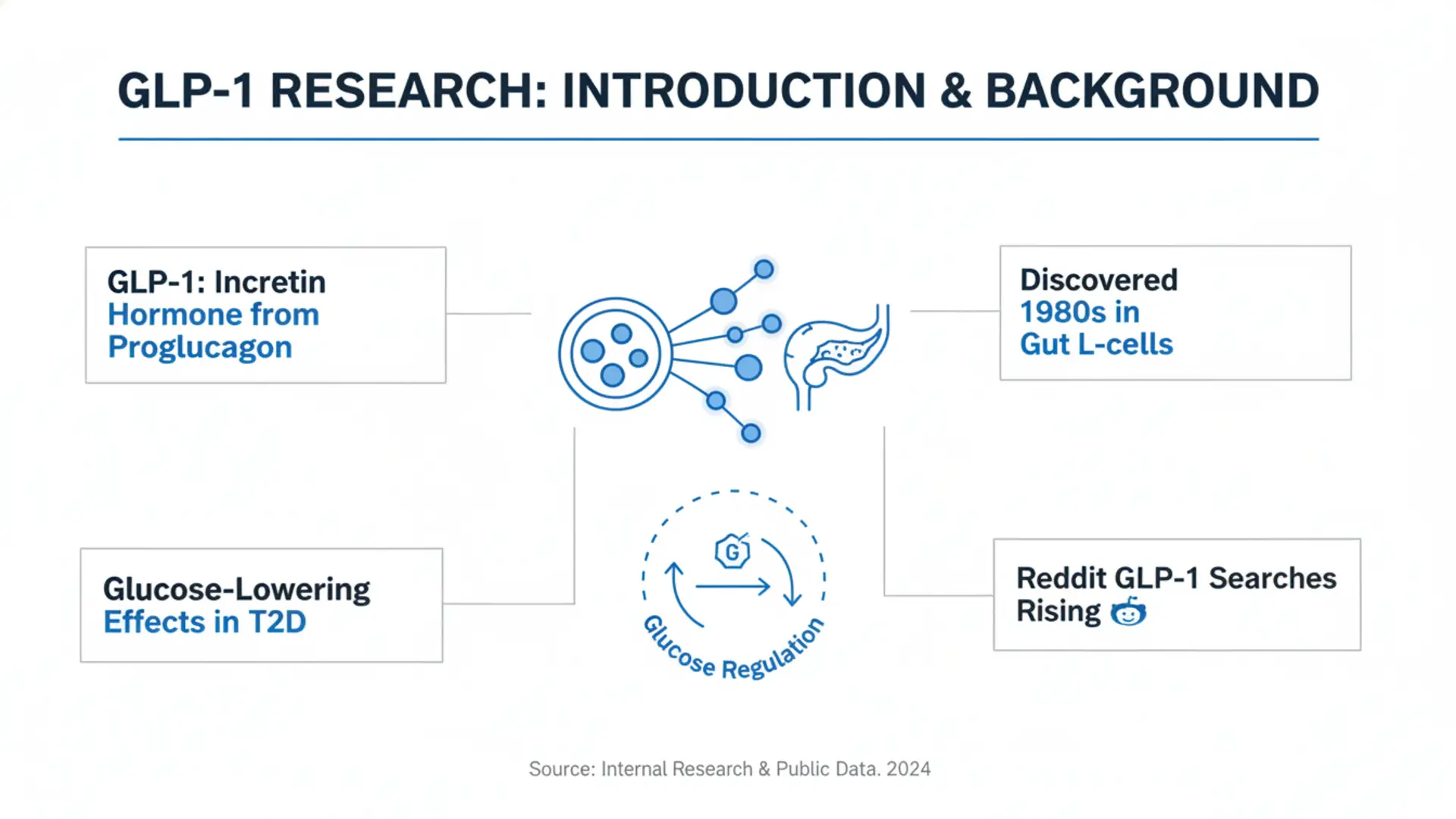
Searches for “reddit glp 1” have increased as online communities discuss glucagon-like peptide-1 (GLP-1), a peptide hormone derived from proglucagon. Reddit GLP-1 threads often highlight user interest in scientific studies on GLP-1’s roles in physiology. This article examines peer-reviewed literature on GLP-1, focusing on evidence from human and animal studies. GLP-1 has been investigated for its effects on glucose regulation and other processes. Research emphasizes preclinical and clinical findings while noting limitations. Reddit GLP-1 discussions underscore the need for evidence-based information amid growing curiosity about GLP-1 peptides. Key studies provide context for understanding GLP-1 mechanisms and applications explored in controlled settings.
Mechanisms of Action
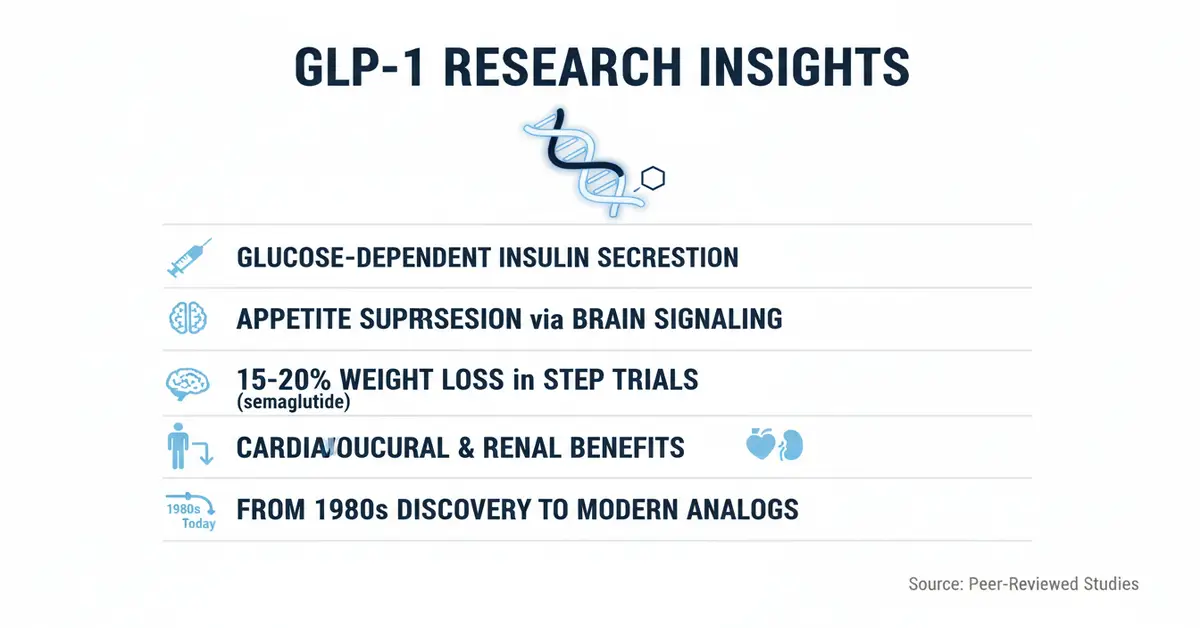
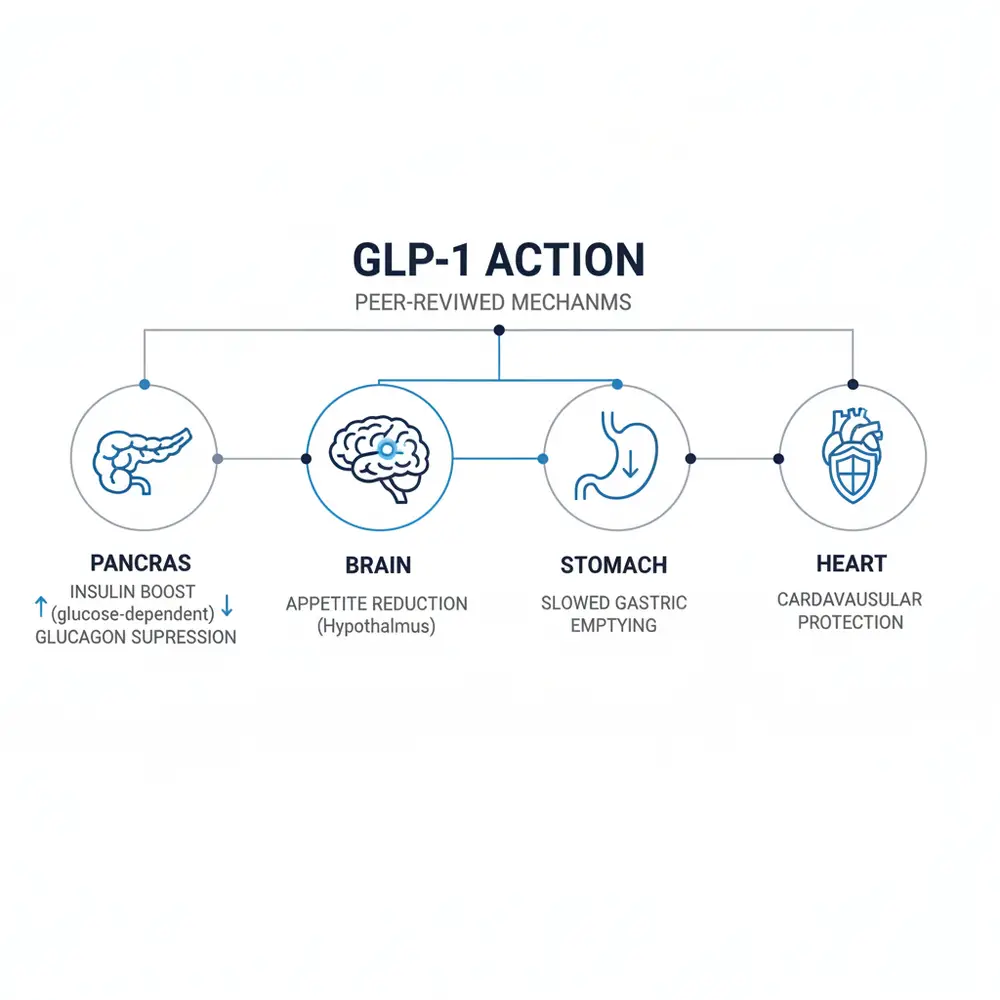
GLP-1 exerts actions via G-protein-coupled receptors (GLP-1R) expressed widely. In preclinical rodent models, GLP-1 stimulates glucose-dependent insulin secretion from beta cells while suppressing glucagon from alpha cells. Brain GLP-1R activation reduces appetite through hypothalamic signaling. Gastric emptying slows via vagal afferents, as shown in human scintigraphy studies. Cardiovascular effects include endothelial protection in isolated vessel preparations. Renal studies in animals suggest GLP-1 modulates hemodynamics and reduces inflammation. Anti-fibrotic properties appear in kidney cell lines exposed to GLP-1 analogs. Neuroprotective mechanisms involve reduced oxidative stress in stroke models. Reddit GLP-1 posts frequently cite these pathways, though evidence varies by tissue. “GLP-1 signaling elevates cAMP, activating PKA and Epac pathways, mechanistic pathways actively examined using research-grade GLP-1 peptide in controlled preclinical models. Multi-omics analyses reveal gene expression changes in metabolic tissues.”
Therapeutic Applications
GLP-1 analogs have been studied for metabolic conditions. In type 2 diabetes models, GLP-1R agonists improve glycemic control. Obesity research explores GLP-1’s satiety effects. Cardiovascular studies assess GLP-1 in heart failure models. Renal applications appear in chronic kidney disease animal data. Neurodegenerative investigations include Alzheimer’s models where GLP-1 reduces amyloid burden. Inflammatory conditions like lung injury show preclinical GLP-1 benefits. Reddit GLP-1 conversations often mention off-label uses, but literature focuses on approved contexts. Multi-agonist peptides combining GLP-1 with GIP extend preclinical applications the GLP-2T dual GLP-1/GIP receptor agonist represents one such research compound studied for its role in glucose dynamics and incretin-pathway signaling in laboratory models.” Substance use disorder studies suggest reward pathway modulation. Skin and wound healing research is preliminary. These areas represent ongoing explorations, with human data limited to specific indications. GLP-1’s broad receptor expression supports diverse preclinical applications.
Clinical Evidence
Phase 3 trials like LEADER (liraglutide) reported cardiovascular outcomes in diabetes patients. SUSTAIN trials with semaglutide showed HbA1c reductions of 1.5-1.8% and weight loss up to 5 kg over 52 weeks. STEP trials in obesity demonstrated 15-20% weight reduction with semaglutide versus placebo. REWIND (dulaglutide) indicated renal benefits, slowing eGFR decline. FLOW trial data suggest albuminuria reductions. Real-world studies confirm trial findings but note variability. Head-to-head comparisons favor semaglutide over liraglutide for weight loss. Combination with exercise preserved lean mass post-treatment. Reddit GLP-1 users reference these trials, aligning with published results. Pediatric and elderly subgroup analyses show consistent trends. Long-term extensions up to 104 weeks report sustained effects. Evidence is strongest for metabolic outcomes, with moderate data for cardiovascular and renal effects. Limitations include trial durations and populations.
Challenges and Limitations
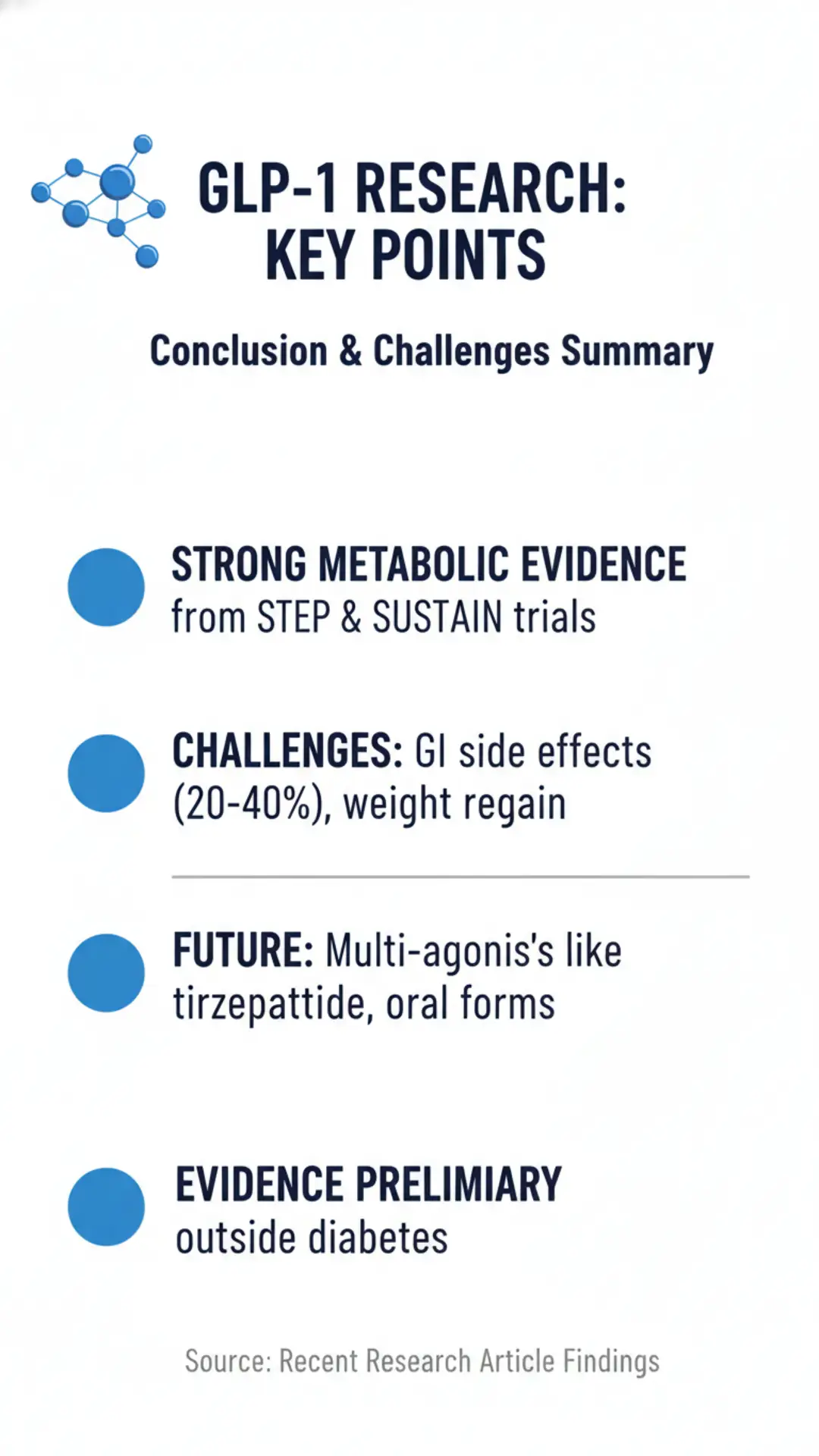
GI adverse events like nausea affect 20-40% of participants in trials, leading to discontinuations. Pancreatitis and gallbladder risks emerge in observational data. Weight regain occurs post-discontinuation, averaging 2/3 of loss. High costs and supply shortages limit access. Reddit GLP-1 reports highlight tolerability issues. Hypoglycemia risk is low but present with insulin. Muscle loss accompanies fat reduction, per DEXA scans. Long-term safety beyond 5 years remains understudied. Heterogeneity in real-world adherence contrasts trial settings. Compounded GLP-1 products raise dosing error concerns. Neuropsychiatric signals require monitoring. Evidence gaps persist for non-diabetic populations. These factors underscore preliminary nature of broader applications.
Future Directions
Ongoing trials evaluate multi-receptor agonists, and next-generation compounds extend this work further, the GLP-3R triple-agonist research peptide simultaneously targets GLP-1R, GIPR, and GCGR receptors, a triagonist profile under active investigation in preclinical energy-balance and hepatic lipid metabolism models. Peptide engineering continues to improve structural stability across this compound class. Peptide engineering improves stability. Regulatory expansions depend on phase 4 data. These directions build on current evidence.
Conclusion
Reddit GLP-1 searches reflect enthusiasm for glucagon-like peptide-1 research. Peer-reviewed studies detail GLP-1’s mechanisms, with clinical evidence from trials like STEP and SUSTAIN. While promising in metabolic areas, evidence is preliminary elsewhere. Challenges like side effects persist. Future multi-agonists and oral forms offer potential. This review emphasizes limited, conditional findings on GLP-1.
References
Nauck MA, et al. Mechanisms of Action and Therapeutic Application of Glucagon-like Peptide-1. Cell Metab. 2018. https://pubmed.ncbi.nlm.nih.gov/29617641/
Li Y, et al. Glucagon-Like Peptide-1 Receptor Agonists in Chronic Kidney Disease: Mechanisms and Clinical Perspectives. Kidney Med. 2026. https://www.sciencedirect.com/science/article/pii/S2590059526000439
Ahrén B. GLP-1 receptor agonists in the treatment of type 2 diabetes. Endocrinol Metab Clin North Am. 2020. https://pubmed.ncbi.nlm.nih.gov/33068776/
Drucker DJ. Glucagon-like peptide 1 (GLP-1). Vitam Horm. 2019. https://pubmed.ncbi.nlm.nih.gov/31767182/
Wang Y, et al. The anti-inflammatory feature of glucagon-like peptide-1 and its based diabetes drugs. Acta Pharm Sin B. 2023. https://www.sciencedirect.com/science/article/pii/S2211383522002696
Jiang Y, et al. Effectiveness and safety of glucagon-like peptide 1 receptor agonists in patients with type 2 diabetes. Front Endocrinol (Lausanne). 2024. https://www.frontiersin.org/journals/endocrinology/articles/10.3389/fendo.2024.1347684/full
Wilding JPH, et al. Once-Weekly Semaglutide in Adults with Overweight or Obesity. N Engl J Med. 2021. https://www.nejm.org/doi/full/10.1056/NEJMoa2032183
Sohmiya M, et al. Mechanisms of GLP-1 Receptor Agonist-Induced Weight Loss. J Clin Endocrinol Metab. 2024. https://pubmed.ncbi.nlm.nih.gov/39892489/
Habener JF, et al. The Discovery and Development of Liraglutide and Semaglutide. Front Endocrinol (Lausanne). 2019. https://www.frontiersin.org/journals/endocrinology/articles/10.3389/fendo.2019.00155/full
Knudsen LB, et al. The discovery and development of GLP-1 based drugs. PNAS. 2024. https://www.pnas.org/doi/10.1073/pnas.2415550121
References
References
Nauck MA, et al. Mechanisms of Action and Therapeutic Application of Glucagon-like Peptide-1. Cell Metab. 2018. https://pubmed.ncbi.nlm.nih.gov/29617641/
Li Y, et al. Glucagon-Like Peptide-1 Receptor Agonists in Chronic Kidney Disease: Mechanisms and Clinical Perspectives. Kidney Med. 2026. https://www.sciencedirect.com/science/article/pii/S2590059526000439
Ahrén B. GLP-1 receptor agonists in the treatment of type 2 diabetes. Endocrinol Metab Clin North Am. 2020. https://pubmed.ncbi.nlm.nih.gov/33068776/
Drucker DJ. Glucagon-like peptide 1 (GLP-1). Vitam Horm. 2019. https://pubmed.ncbi.nlm.nih.gov/31767182/
Wang Y, et al. The anti-inflammatory feature of glucagon-like peptide-1 and its based diabetes drugs. Acta Pharm Sin B. 2023. https://www.sciencedirect.com/science/article/pii/S2211383522002696
Jiang Y, et al. Effectiveness and safety of glucagon-like peptide 1 receptor agonists in patients with type 2 diabetes. Front Endocrinol (Lausanne). 2024. https://www.frontiersin.org/journals/endocrinology/articles/10.3389/fendo.2024.1347684/full
Wilding JPH, et al. Once-Weekly Semaglutide in Adults with Overweight or Obesity. N Engl J Med. 2021. https://www.nejm.org/doi/full/10.1056/NEJMoa2032183
Sohmiya M, et al. Mechanisms of GLP-1 Receptor Agonist-Induced Weight Loss. J Clin Endocrinol Metab. 2024. https://pubmed.ncbi.nlm.nih.gov/39892489/
Habener JF, et al. The Discovery and Development of Liraglutide and Semaglutide. Front Endocrinol (Lausanne). 2019. https://www.frontiersin.org/journals/endocrinology/articles/10.3389/fendo.2019.00155/full
Knudsen LB, et al. The discovery and development of GLP-1 based drugs. PNAS. 2024. https://www.pnas.org/doi/10.1073/pnas.2415550121