
ANP Peptide: Insights from Peer-Reviewed Research on Structure, Function, and Potential Roles
- By Isaac
Introduction
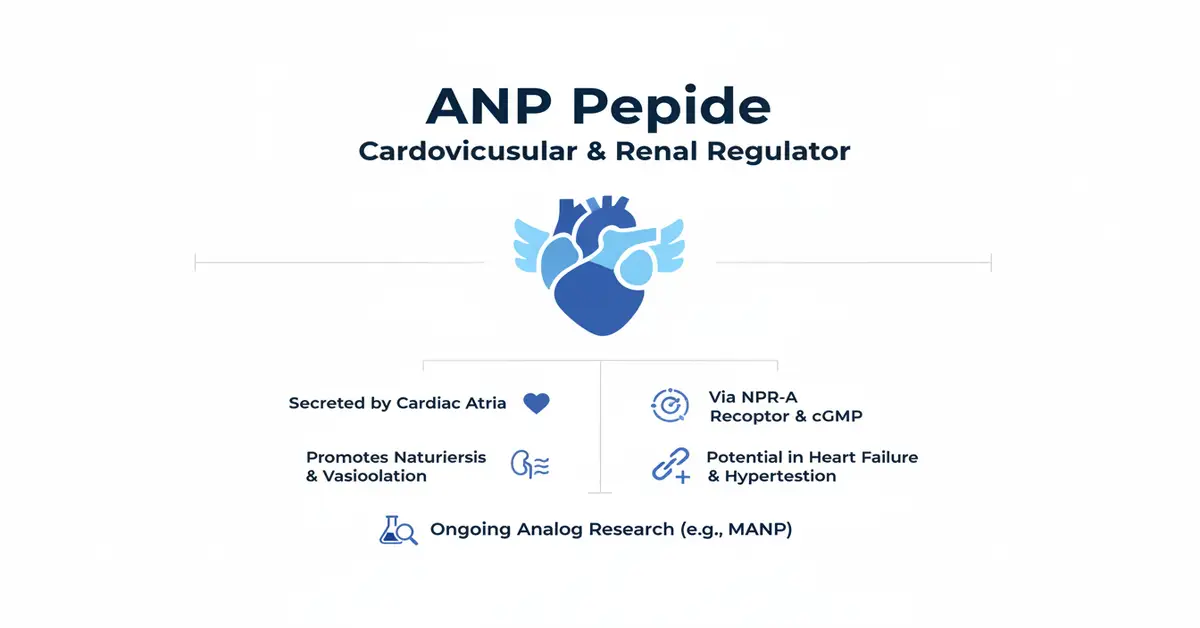
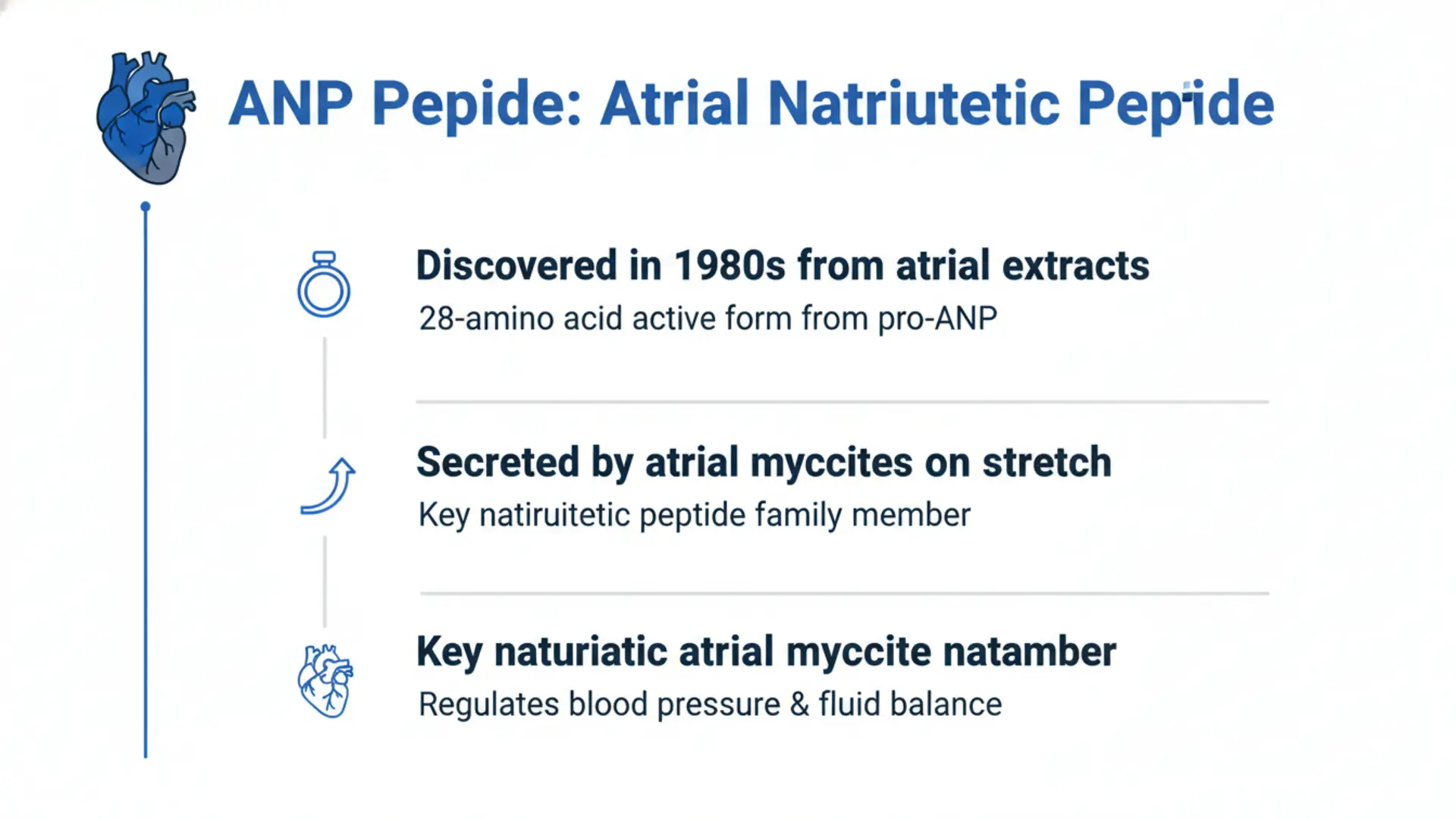
The ANP peptide, also known as atrial natriuretic peptide, has been a subject of extensive scientific investigation since its discovery. Produced primarily by the cardiac atria, the ANP peptide plays a role in various physiological processes, particularly those related to fluid balance and cardiovascular regulation. Research on the ANP peptide has highlighted its interactions with multiple organ systems, including the kidneys, vasculature, and brain. Peer-reviewed studies have explored the structure and secretion of the ANP peptide, providing foundational knowledge for understanding its biological activities. This article reviews evidence from human and animal studies on the ANP peptide, focusing on mechanisms, applications under investigation, and gaps in the evidence. While preclinical findings on the ANP peptide suggest diverse effects, clinical translation remains an area of ongoing research. The ANP peptide continues to be examined in experimental contexts for its potential contributions to homeostasis.
Mechanisms of Action
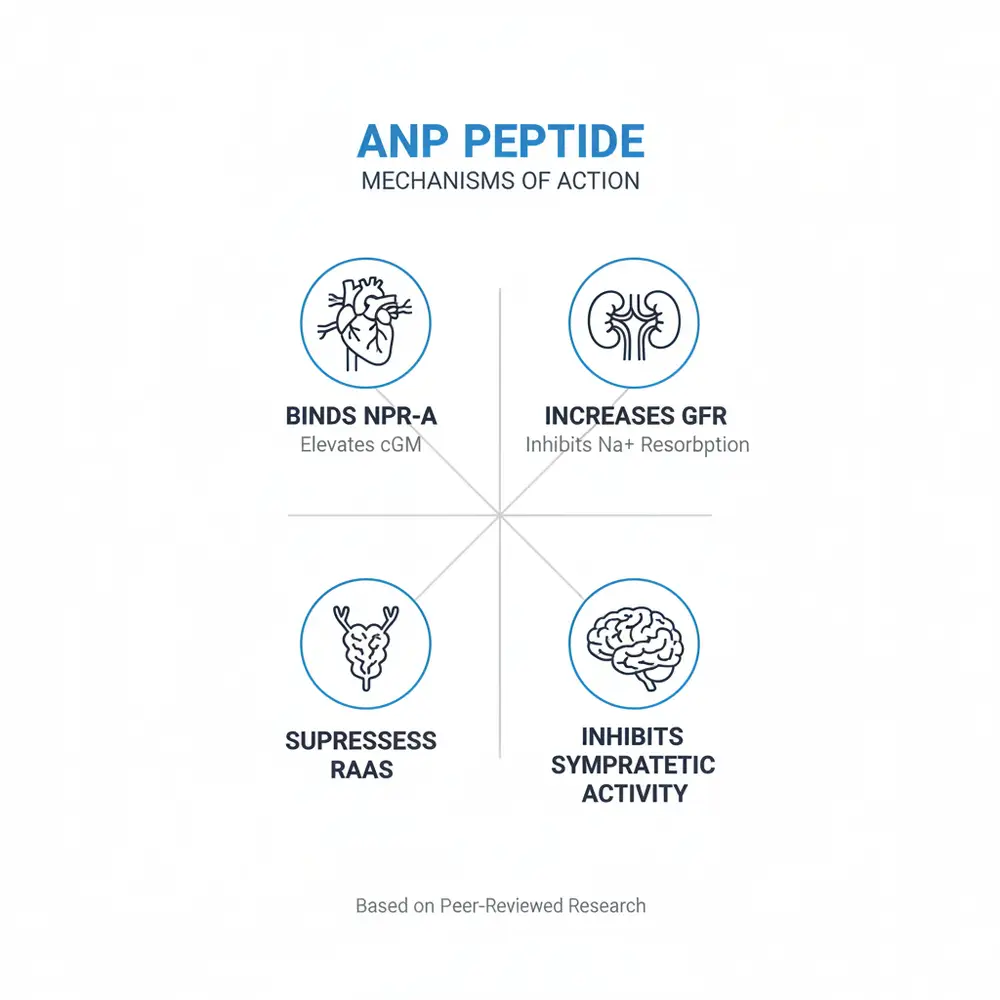
The ANP peptide exerts effects primarily through binding to the natriuretic peptide receptor A (NPR-A), a guanylyl cyclase-coupled receptor that elevates intracellular cyclic GMP (cGMP). This pathway leads to smooth muscle relaxation in blood vessels, promoting vasodilation as observed in isolated vessel studies. In the kidneys, the ANP peptide has been shown to increase glomerular filtration rate by dilating afferent arterioles and constricting efferent arterioles, based on renal hemodynamic assessments in animal models. ANP peptide also inhibits sodium reabsorption in the collecting ducts by affecting amiloride-sensitive channels. Preclinical findings indicate that the ANP peptide suppresses renin-angiotensin-aldosterone system activity by reducing aldosterone release from adrenal cells. Secretion mechanisms in atrial myocytes involve stretch-activated ion channels, as detailed in cardiovascular research. The ANP peptide influences sympathetic nerve activity, with human studies showing inhibitory effects on muscle sympathetic outflow. Additionally, cardiac myocyte studies reveal context-dependent actions, such as promoting intracellular acidification in normal cells. Overall, these mechanisms position the ANP peptide as a regulator of cardiovascular and renal homeostasis in experimental settings.
Therapeutic Applications
Research has examined the ANP peptide in contexts such as heart failure, hypertension, and acute kidney injury, though evidence remains preliminary. In Japan, carperitide, a synthetic human ANP peptide, has been studied for perioperative use in cardiac surgery to support renal function. Animal models of angiotensin II-induced hypertension have tested ANP peptide analogs for blood pressure modulation. Studies on critically ill patients have explored continuous low-dose ANP peptide infusions for renal protection during procedures like coronary artery bypass grafting. The ANP peptide has been investigated in experimental acute hypertensive heart failure, where it demonstrated differential hemodynamic effects compared to nitroglycerin. Pro-ANP fragments, such as ANP 31-67, have been assessed in preclinical models of hypertension and diabetes for end-organ protection. Genetic studies link variants in the ANP peptide to favorable cardiometabolic profiles, prompting interest in designer peptides. Human hypertension research has evaluated mutant ANP peptide forms for natriuretic and aldosterone-suppressing potential. These applications highlight areas where the ANP peptide is being studied, with analogs showing promise in preclinical models.
Clinical Evidence
Human studies on the ANP peptide provide insights into its pharmacokinetics and physiological responses. A first-in-human trial of MANP, a novel ANP peptide analog, in hypertensive subjects reported blood pressure-lowering effects, natriuresis, and aldosterone suppression (Chen et al., Hypertension, 2021). Meta-analyses of ANP peptide in critically ill patients reported improvements in creatinine levels, though with high heterogeneity (MD = -0.19, p < 0.00001). Observational data from cardiac surgery cohorts examined low-dose human ANP peptide infusions and found associations with preserved renal function. Propensity score-matched studies in patients with acute kidney injury assessed the effects of low-dose ANP peptide retrospectively. Infusion studies demonstrated that the ANP peptide modulates arterial blood pressure through reflex adjustments. In anephric models and healthy volunteers, the ANP peptide influenced microvascular permeability and cardiac output. Research on pediatric heart failure biomarkers found that the ANP peptide is comparable to BNP but has limited specificity. Phase I data on MANP supported its tolerability and hemodynamic actions in hypertension. These findings indicate that while the ANP peptide elicits measurable responses in humans, larger randomized trials are needed to clarify outcomes.
Challenges and Limitations
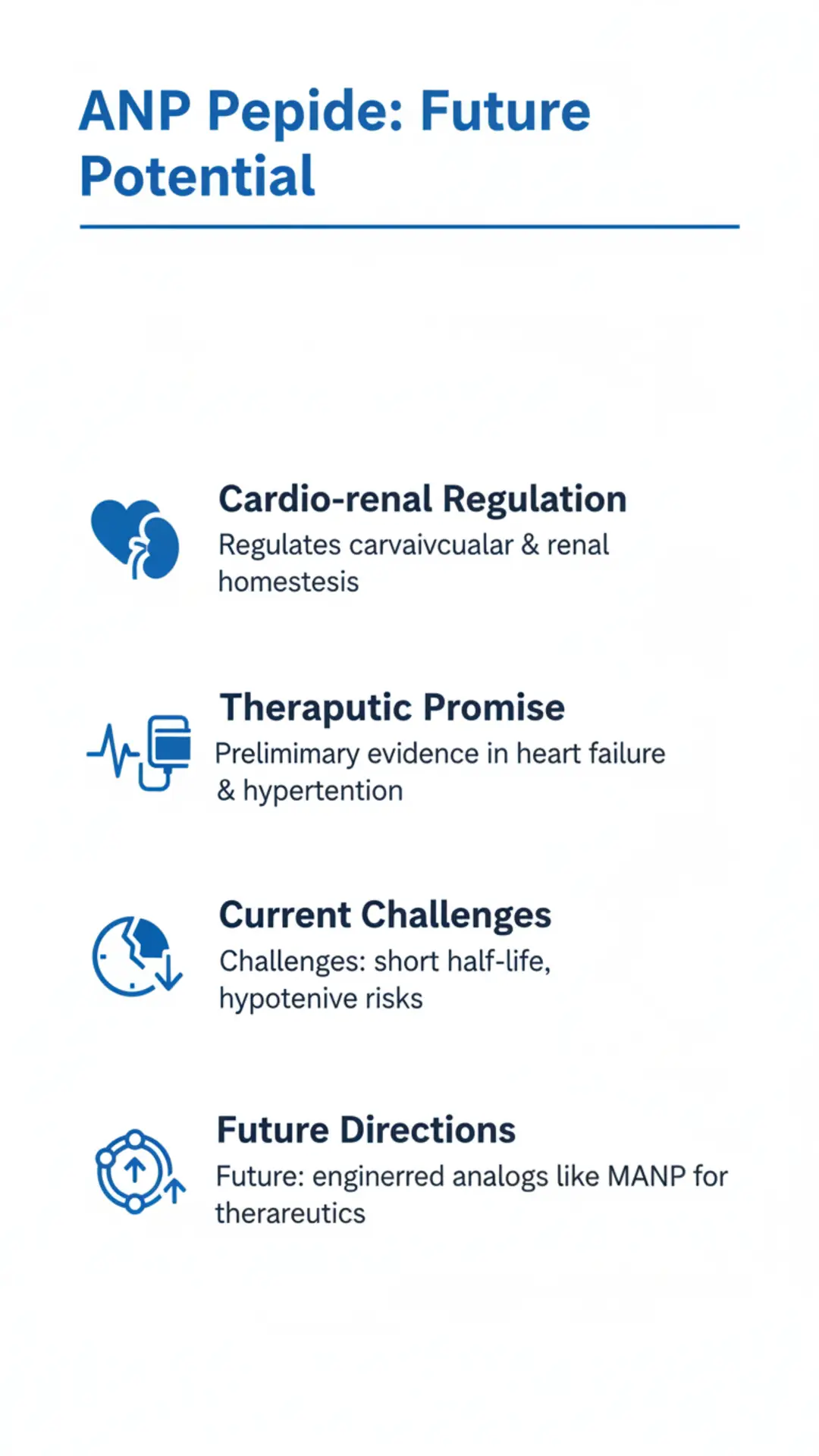
Despite promising preclinical data, several challenges limit broader research on the ANP peptide. The short half-life of native ANP necessitates continuous infusion, which complicates administration. Hypotensive effects have been reported in infusion studies, particularly in volume-depleted states. High inter-study heterogeneity in meta-analyses of critically ill patients underscores variability in ANP peptide responses. Biomarker utility is limited, as the ANP peptide shows only minor advantages over BNP in pediatric heart failure diagnosis. Microvascular studies in humans showed inconsistent changes in cardiac output after ANP peptide infusion. Genetic and pharmacological complexities, such as receptor desensitization, pose hurdles. Limited large-scale, long-term human trials limit evidence on the sustained effects of the ANP peptide. Off-target actions, such as variable effects on the pulmonary vasculature, add to translational difficulties. These limitations highlight the need for optimized delivery systems and refined patient selection in ANP peptide studies.
Future Directions
Ongoing research aims to overcome the limitations of the ANP peptide by engineering analogs such as MANP, which exhibit prolonged activity and enhanced potency. Clinical trials of designer natriuretic peptides are exploring cardiometabolic applications. Investigations into ANP peptide fragments, such as proANP 31-67, target hypertension and renal disease models. Genomic studies of NPPA variants may inform personalized approaches. Advanced imaging and proteomics could elucidate the dynamics of ANP peptide secretion. Combination therapies pairing ANP peptide with ARNI drugs warrant examination. Preclinical work on the ANP peptide in fibrosis and inflammation models suggests broader applications. Mendelian randomization analyses seek to establish causal links in the context of atrial fibrillation. Future human studies may prioritize cohorts of patients with resistant hypertension. These directions position the ANP peptide as a candidate for innovative therapeutics pending rigorous validation.
Conclusion
Peer-reviewed literature on the ANP peptide underscores its physiological significance in cardiovascular and renal regulation. From secretion mechanisms to receptor-mediated actions, studies have delineated key pathways. While therapeutic applications for conditions like heart failure and hypertension have been explored, clinical evidence remains preliminary, with noted limitations such as short duration and hypotensive risks. Future research on ANP peptide analogs has the potential to advance this field. The ANP peptide exemplifies how peptide research can inform our understanding of homeostasis, though confirmatory trials are essential.
References
Sandefur CC. Atrial Natriuretic Peptide. StatPearls. 2023. Link
Rao S. Atrial Natriuretic Peptide: Structure, Function, and Physiological Effects. Int J Mol Sci. 2021. Link
Dietz JR. Mechanisms of atrial natriuretic peptide secretion from the atrium. Cardiovasc Res. 2005. Link
Kuhn M. Cardiac Actions of Atrial Natriuretic Peptide. Circ Res. 2015. Link
Chen HH. First-in-Human Study of MANP: A Novel ANP (Atrial Natriuretic Peptide) Analog in Human Hypertension. Hypertension. 2021. Link
Ichiki T. Atrial natriuretic peptide: Old but new therapeutic in cardiovascular diseases. Cardiovasc Res. 2017. Link
McKie PM. A Novel Atrial Natriuretic Peptide-Based Therapeutic in Experimental Angiotensin II-Mediated Acute Hypertension. Hypertension. 2010. Link
da Silva GJJ. Atrial Natriuretic Peptide 31–67: A Novel Therapeutic Option to Repair End-Organ Damage. Front Physiol. 2021. Link
Abramson BL. Effect of Atrial Natriuretic Peptide on Muscle Sympathetic Nerve Activity. Circulation. 1999. Link
Costa MA. Atrial Natriuretic Peptide Modifies Arterial Blood Pressure. Hypertension. 2000. Link
References
References
Sandefur CC. Atrial Natriuretic Peptide. StatPearls. 2023. Link
Rao S. Atrial Natriuretic Peptide: Structure, Function, and Physiological Effects. Int J Mol Sci. 2021. Link
Dietz JR. Mechanisms of atrial natriuretic peptide secretion from the atrium. Cardiovasc Res. 2005. Link
Kuhn M. Cardiac Actions of Atrial Natriuretic Peptide. Circ Res. 2015. Link
Chen HH. First-in-Human Study of MANP: A Novel ANP (Atrial Natriuretic Peptide) Analog in Human Hypertension. Hypertension. 2021. Link
Ichiki T. Atrial natriuretic peptide: Old but new therapeutic in cardiovascular diseases. Cardiovasc Res. 2017. Link
McKie PM. A Novel Atrial Natriuretic Peptide-Based Therapeutic in Experimental Angiotensin II-Mediated Acute Hypertension. Hypertension. 2010. Link
da Silva GJJ. Atrial Natriuretic Peptide 31–67: A Novel Therapeutic Option to Repair End-Organ Damage. Front Physiol. 2021. Link
Abramson BL. Effect of Atrial Natriuretic Peptide on Muscle Sympathetic Nerve Activity. Circulation. 1999. Link
Costa MA. Atrial Natriuretic Peptide Modifies Arterial Blood Pressure. Hypertension. 2000. Link