
BPC 157 Peptide: 10 Studies Reveal Preclinical Healing Insights and Challenges
- By Isaac
BPC 157 Peptide: 10 Studies Reveal Preclinical Healing Insights and Challenges
Introduction
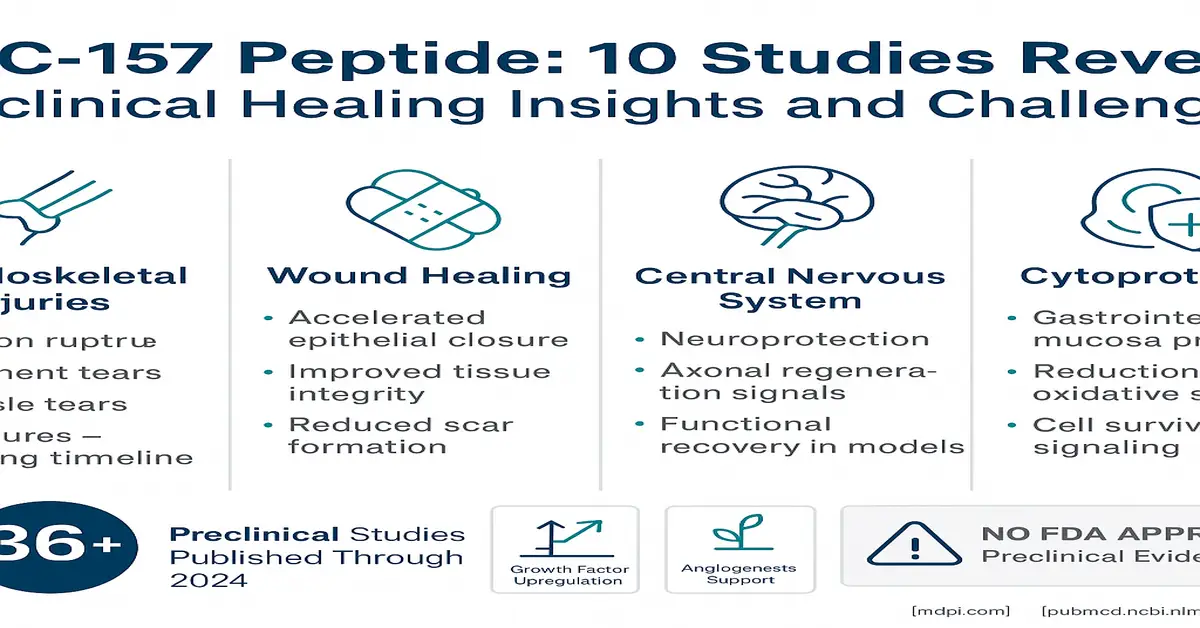
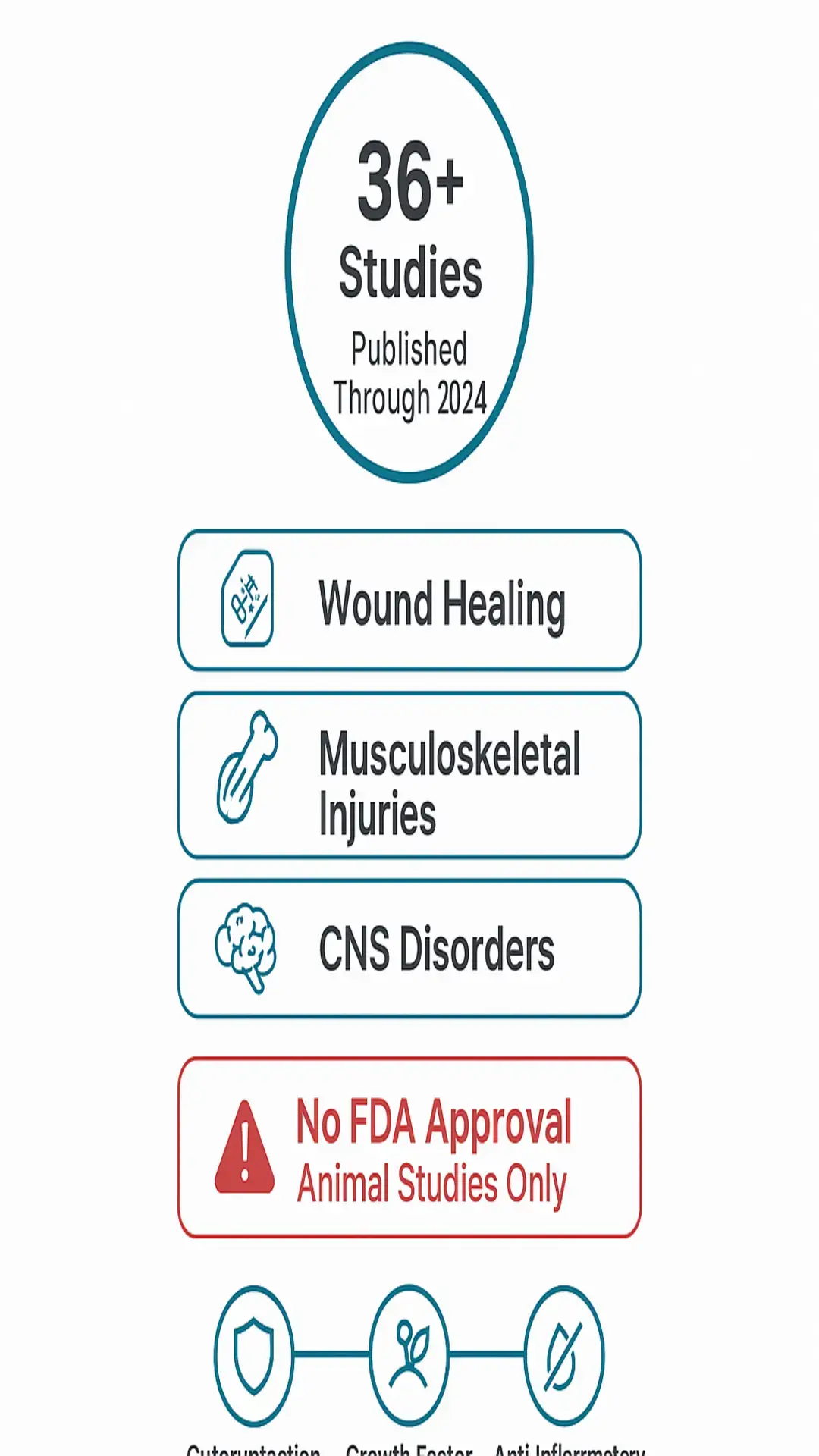
BPC-157, often referred to as the BPC 157 peptide, is a stable gastric pentadecapeptide derived from a protective protein found in human gastric juice. Research in preclinical models has explored its pleiotropic effects, which include support for healing processes and cytoprotection. These findings have sparked interest in potential applications related to wound healing, musculoskeletal injuries, and central nervous system disorders, though all evidence remains limited to animal studies.
These statements have not been evaluated by the Food and Drug Administration. This product is not intended to diagnose, treat, cure, or prevent any disease.
This review synthesizes key mechanisms, potential therapeutic applications, clinical evidence, challenges, and future directions for the BPC 157 peptide, drawing exclusively from peer-reviewed sources. By outlining the current body of research—spanning preclinical studies up to 2024—it aims to provide an educational overview for those interested in peptide science, while emphasizing the experimental nature of these findings and the absence of human approvals.
Mechanisms of Action
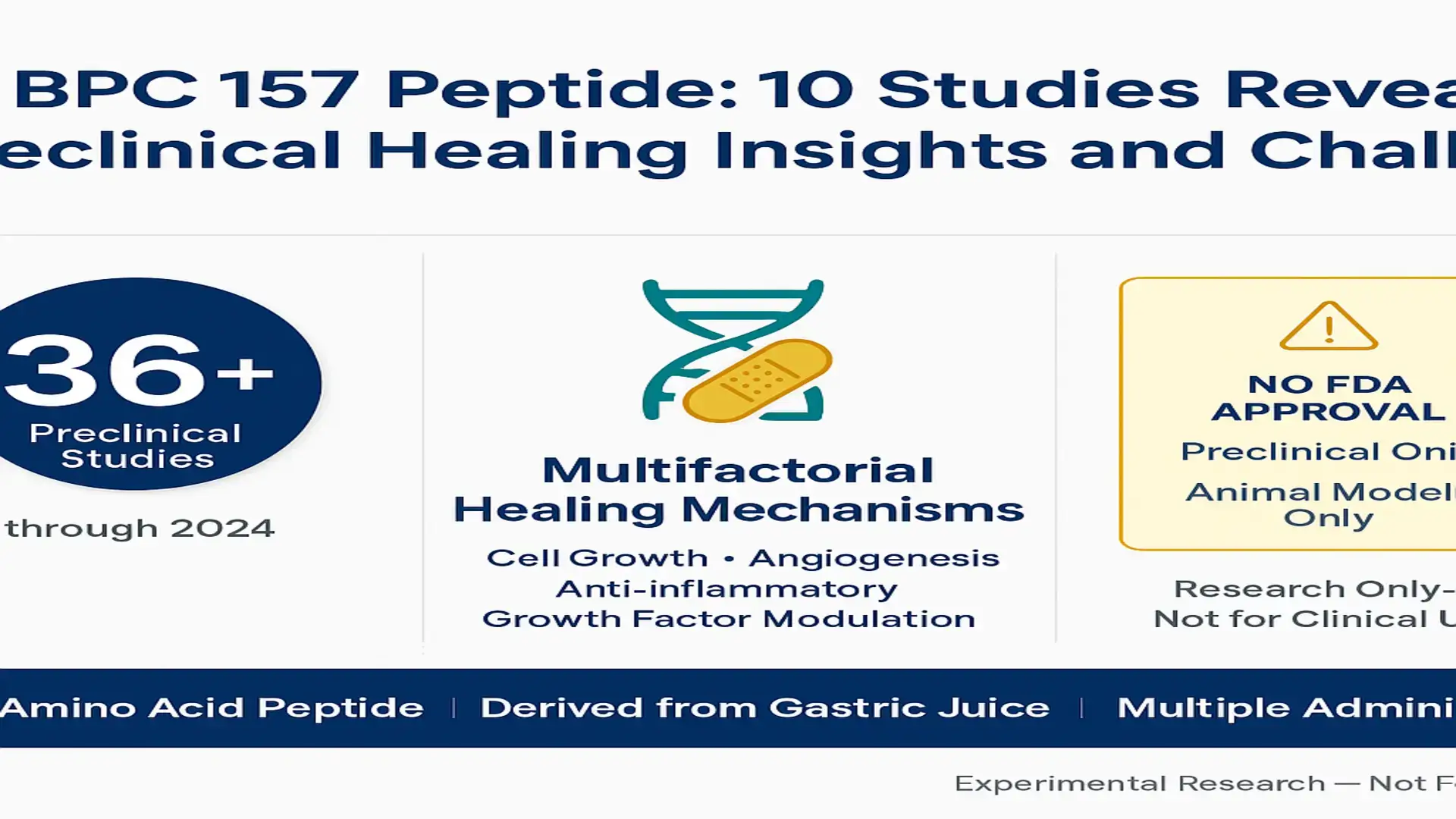
The mechanisms of the BPC 157 peptide are multifactorial, involving the upregulation of pathways related to cell growth, proliferation, survival, angiogenesis, and anti-inflammatory responses in preclinical models. Studies suggest it boosts key growth factors and enhances growth hormone receptor expression at both mRNA and protein levels in tendon fibroblasts.
For instance, in cell culture and animal tendon models, BPC-157 promotes tendon outgrowth, cell survival, and migration through early growth response protein 1 (Egr-1). Its pleiotropic cytoprotective effects also appear to involve modulation of the nitric oxide system, which may aid in resolving certain types of neuronal damage observed in experimental settings.
These actions highlight the BPC 157 peptide’s potential as a research compound with broad cellular influences, though human translation remains unproven.
These statements have not been evaluated by the Food and Drug Administration. This product is not intended to diagnose, treat, cure, or prevent any disease.
Therapeutic Applications
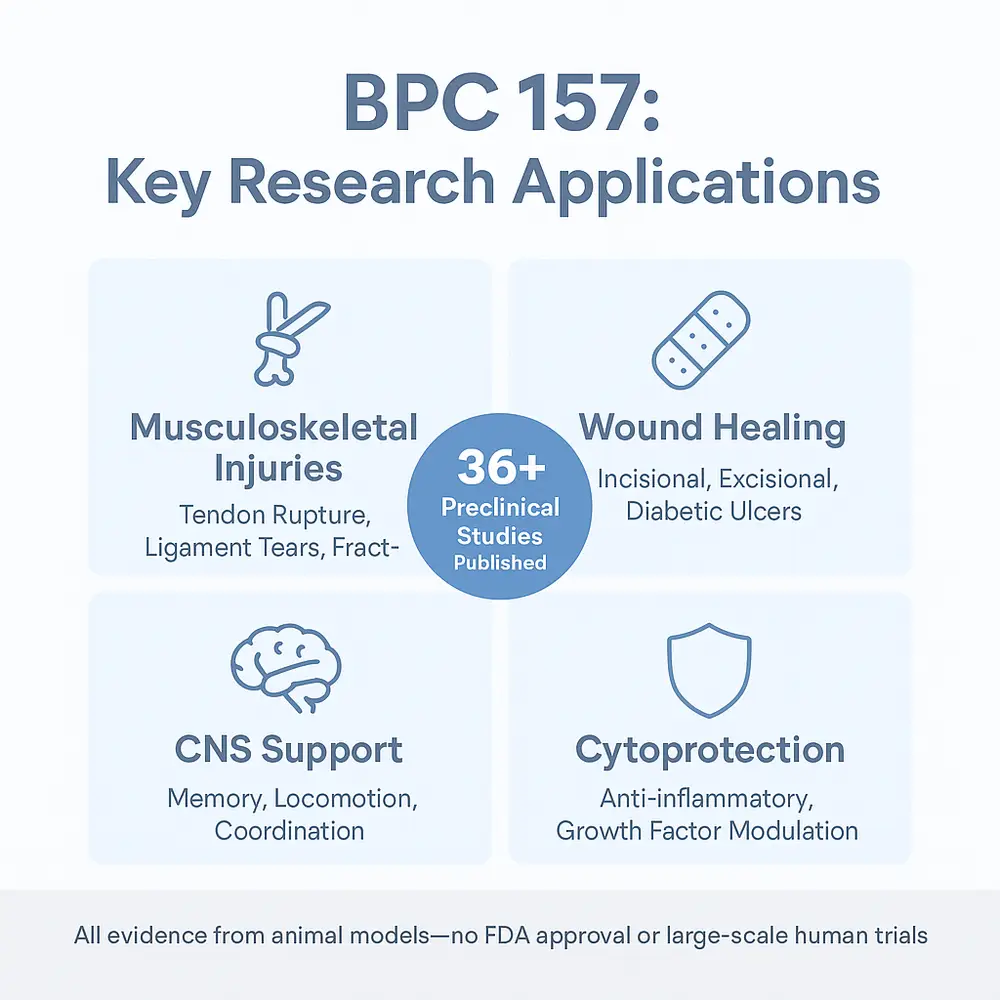
Preclinical research on the BPC 157 peptide has explored its role in supporting wound healing, counteracting bleeding disorders, and aiding recovery in tissues with limited vascularity or cellularity. In musculoskeletal injury models—such as tendon rupture, ligament tears, muscle tears, and fractures—it has been shown to affect healing timelines and tissue recovery.
Additionally, studies in central nervous system models indicate the potential to resolve neuronal damage and prevent deficits in memory, locomotion, and coordination. In the context of orthopaedic sports medicine, findings suggest benefits in reducing inflammation and promoting vascularity, positioning the BPC 157 peptide as a candidate for further investigation in injury recovery research.
All applications discussed here are derived from animal models and have not been established in humans.
These statements have not been evaluated by the Food and Drug Administration. This product is not intended to diagnose, treat, cure, or prevent any disease.
Clinical Evidence
Preclinical studies, primarily in rats, provide the bulk of evidence for the BPC 157 peptide. These demonstrate effects on tendon healing, structural recovery, and enhancement of growth hormone receptor expression in injured tissues. For example, rat models of Achilles tendon injuries showed improved functional outcomes and histological repair.
Human data is sparse. Early 2000s trials from Croatia reported safety and effectiveness in small cohorts for ulcerative colitis, with phase II evidence showing no toxicity. However, no large-scale randomized controlled trials (RCTs) have been conducted on the BPC 157 peptide for musculoskeletal, wound, or CNS applications. Retrieved sources confirm insufficient high-quality human clinical trials, underscoring the reliance on animal data.
These statements have not been evaluated by the Food and Drug Administration. This product is not intended to diagnose, treat, cure, or prevent any disease.
Challenges and Limitations
No adverse effects have been reported in preclinical studies of the BPC 157 peptide, but comprehensive human safety data is lacking. It lacks FDA approval and is classified as an unapproved substance, carrying risks such as potential immunogenicity and impurities from unregulated sources.
The World Anti-Doping Agency (WADA) prohibits BPC-157 under the S0 category of unapproved substances, posing risks for athletes. Research is predominantly from animal models, with limited clinical evidence and no inclusion in medical guidelines. Compounding pharmacies may offer it, but quality-control issues heighten safety concerns.
Future Directions
Advancing research on the BPC 157 peptide requires more basic science to elucidate mechanisms and larger clinical studies to validate preclinical observations in humans. Randomized controlled trials are essential for musculoskeletal injuries, wound healing, and CNS applications. Key areas include pharmacokinetics, long-term safety profiles, and standardized dosing protocols.
While retrieved sources note promise, specific future directions remain underdeveloped, emphasizing the need for rigorous, independent human trials before any therapeutic consideration.
Conclusion
Preclinical evidence positions the BPC 157 peptide as a compound with strong research interest for promoting healing through multifactorial mechanisms, including cytoprotection and growth factor modulation. It shows promise in orthopaedic, wound-healing, and CNS models, supported by more than 36 studies. Small human trials suggest safety, but risks remain unestablished without large-scale validation.
The BPC 157 peptide warrants cautious scientific scrutiny rather than clinical adoption until robust human data emerges. Researchers and enthusiasts should prioritize FDA-compliant, evidence-based approaches.
These statements have not been evaluated by the Food and Drug Administration. This product is not intended to diagnose, treat, cure, or prevent any disease.
References
- Emerging Use of BPC-157 in Orthopaedic Sports Medicine – PubMed
- Pentadecapeptide BPC 157 and the central nervous system – PubMed
- Stable Gastric Pentadecapeptide BPC 157 and Wound Healing – PubMed
- Multifunctionality and Possible Medical Application of the BPC 157 – MDPI
- Gastric pentadecapeptide body protection compound BPC 157 – PubMed
- Regeneration or Risk? A Narrative Review of BPC-157 – PMC
- The promoting effect of pentadecapeptide BPC 157 on tendon – PubMed
- Pentadecapeptide BPC 157 Enhances the Growth Hormone Receptor – PMC
- Healing or Hype? Systematic Review of BPC-157 in Orthopedic – PDF
- BPC-157: Experimental Peptide Creates Risk for Athletes – USADA
References
References
- Emerging Use of BPC-157 in Orthopaedic Sports Medicine – PubMed
- Pentadecapeptide BPC 157 and the central nervous system – PubMed
- Stable Gastric Pentadecapeptide BPC 157 and Wound Healing – PubMed
- Multifunctionality and Possible Medical Application of the BPC 157 – MDPI
- Gastric pentadecapeptide body protection compound BPC 157 – PubMed
- Regeneration or Risk? A Narrative Review of BPC-157 – PMC
- The promoting effect of pentadecapeptide BPC 157 on tendon – PubMed
- Pentadecapeptide BPC 157 Enhances the Growth Hormone Receptor – PMC
- Healing or Hype? Systematic Review of BPC-157 in Orthopedic – PDF
- BPC-157: Experimental Peptide Creates Risk for Athletes – USADA