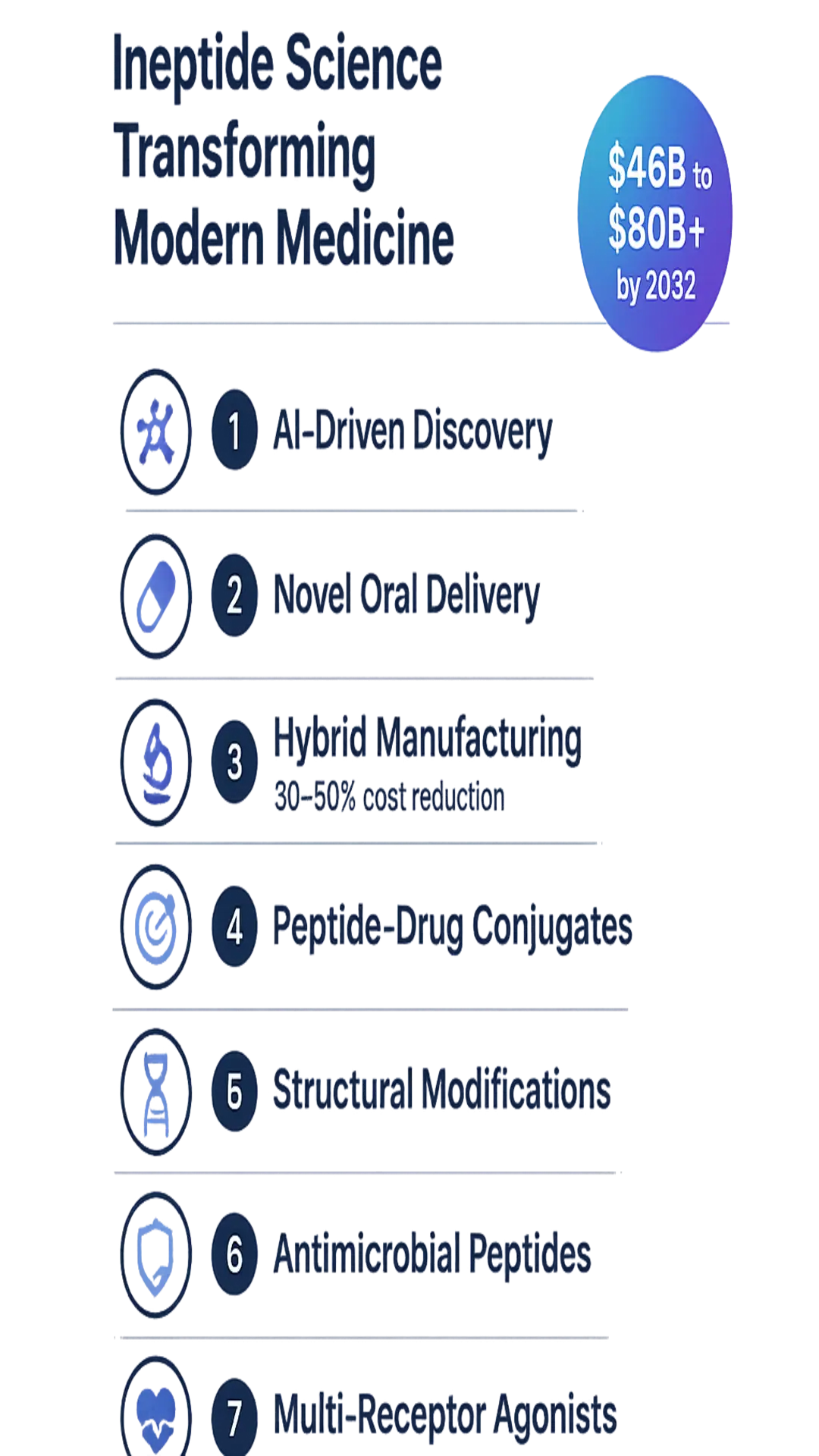
7 Revolutionary Advances in Peptide Science Transforming Modern Medicine
- By Isaac
7 Revolutionary Advances in Peptide Science Transforming Modern Medicine
Introduction
Peptide science encompasses the study, synthesis, characterization, and application of short chains of amino acids linked by peptide bonds, typically ranging from 2 to 50 amino acid residues. These molecular structures occupy a unique therapeutic space between traditional small-molecule drugs and large protein biologics, offering distinct advantages in biocompatibility, target specificity, and reduced off-target effects.
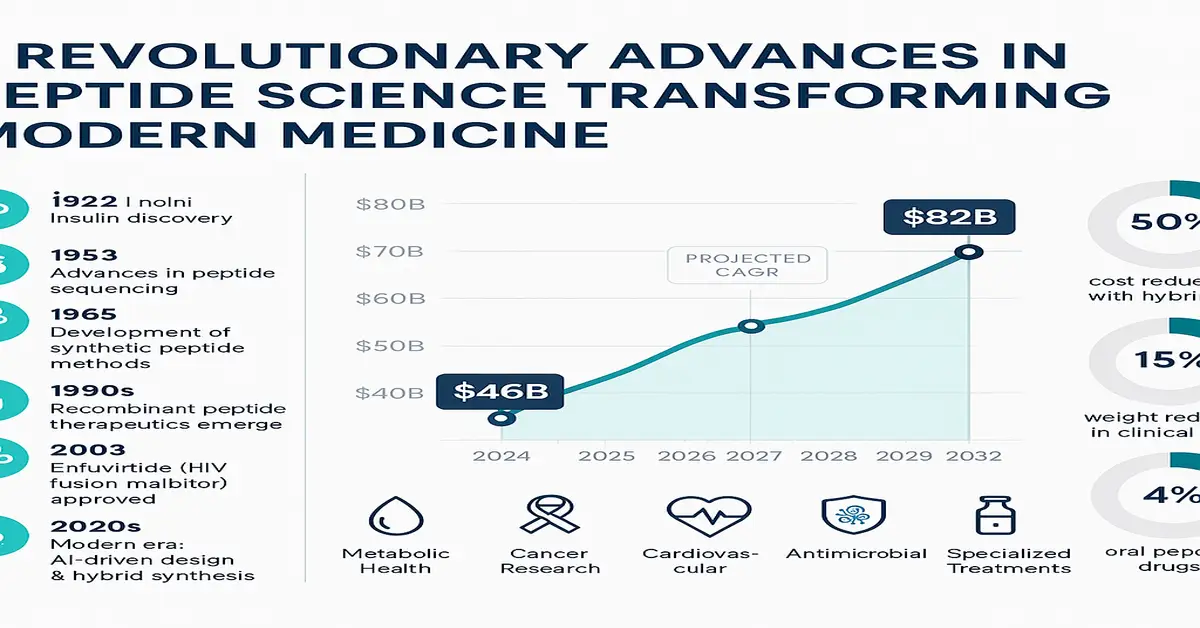
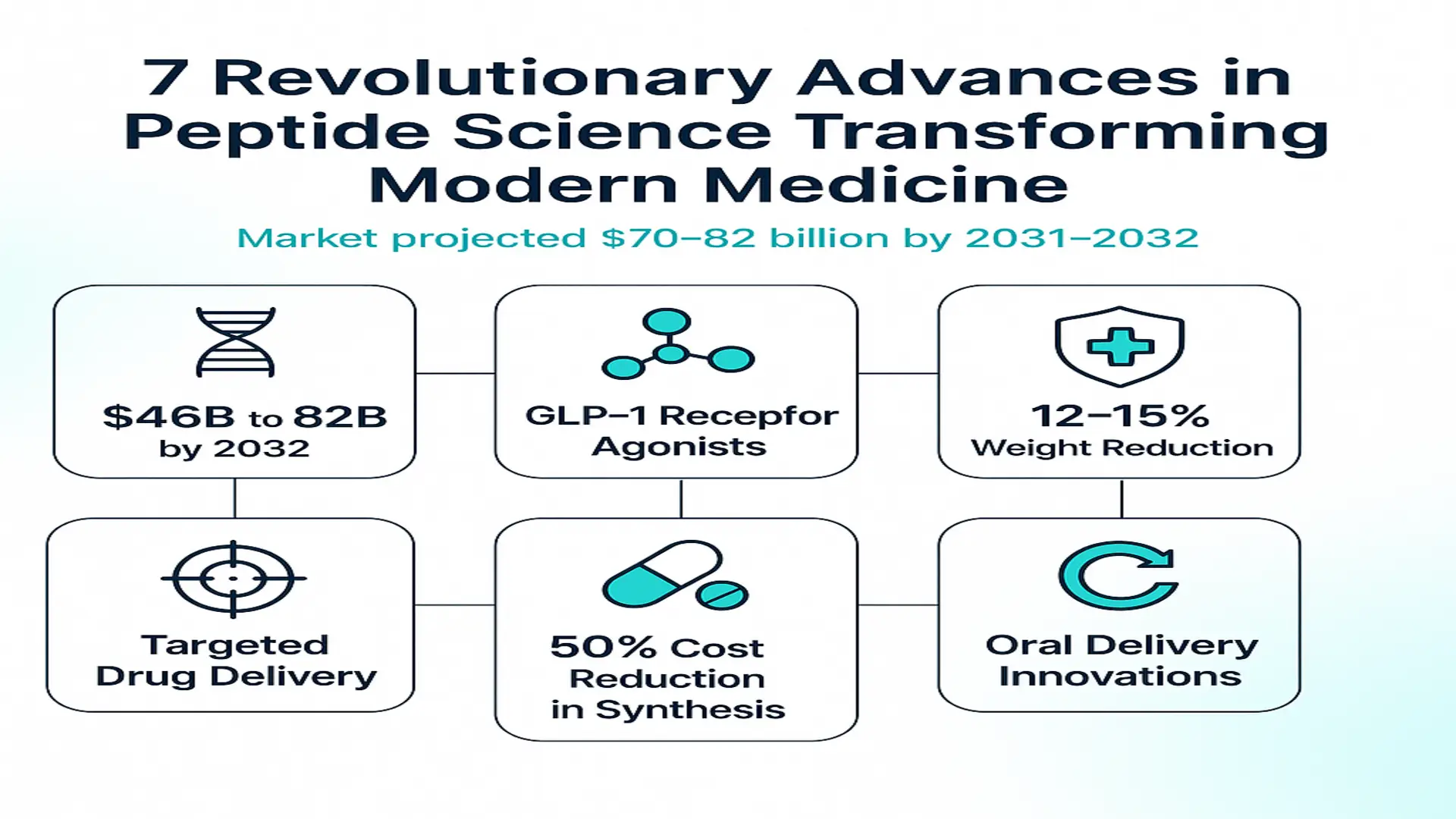
The field has experienced remarkable growth over the past decade. The global peptide therapeutics market was valued at approximately $46 billion in 2024 and is projected to reach $70-82 billion by 2031-2032, reflecting accelerating clinical adoption and continuous technological innovation. In 2024 alone, the FDA approved four peptide or oligonucleotide-based drugs, contributing to a total of 50 novel therapeutic approvals that year, according to Nature Reviews Drug Discovery.
This comprehensive review examines the fundamental principles of peptide science, from synthesis methodologies and mechanisms of action to therapeutic applications, clinical evidence, and emerging directions in drug development. By exploring both established applications and cutting-edge innovations, we aim to provide readers with a thorough understanding of how peptide science is reshaping modern medicine.
Disclaimer: The information presented in this article is for educational purposes only. These statements have not been evaluated by the Food and Drug Administration. Peptide-based products discussed are not intended to diagnose, treat, cure, or prevent any disease. Readers should consult qualified healthcare professionals before making decisions about peptide therapies.
Mechanisms of Action
Receptor Interactions
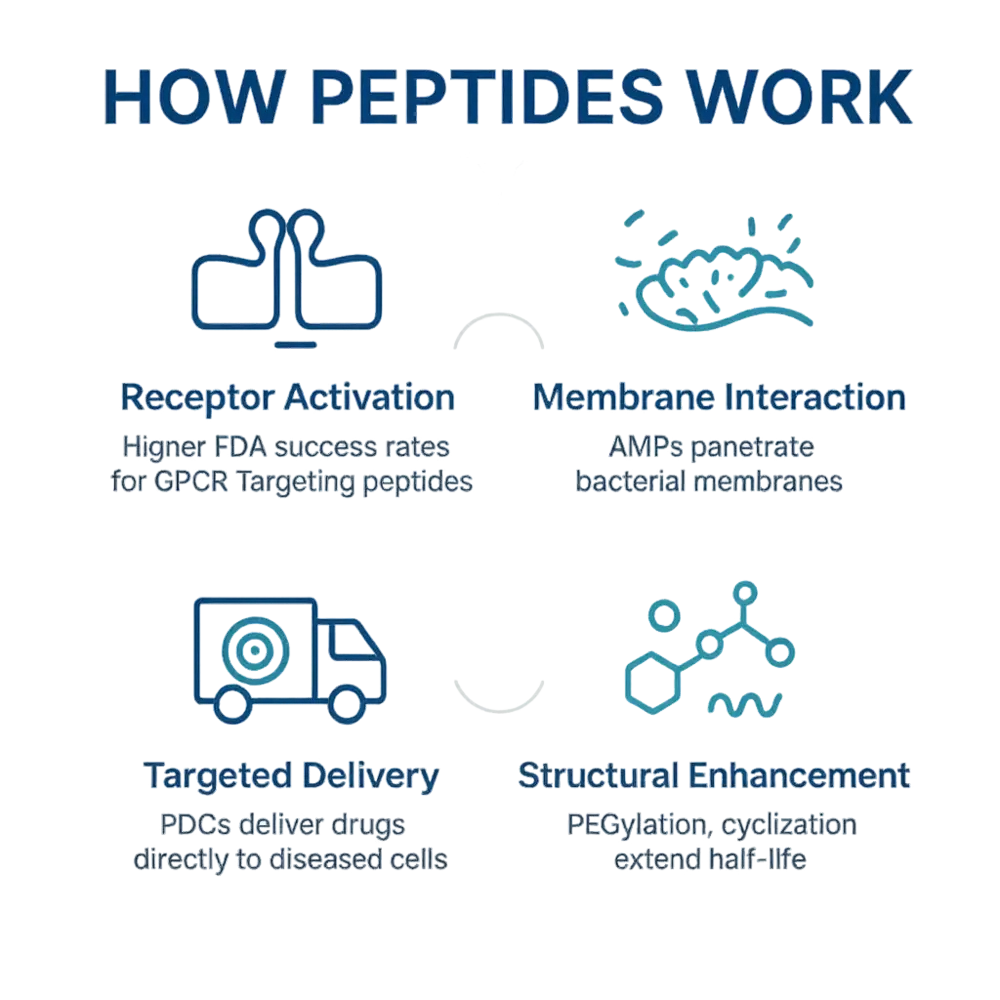
Peptide therapeutics primarily function through interactions with cell surface receptors, particularly G-protein coupled receptors (GPCRs). nature.com indicates that peptides targeting GPCRs demonstrate higher success rates in FDA submissions compared to other drug classes, reflecting their natural compatibility with these critical signaling molecules.
GLP-1 receptor agonists exemplify this mechanism, activating receptors that stimulate insulin secretion while inhibiting glucagon release. These peptides also delay gastric emptying and influence appetite through central nervous system pathways, providing integrated metabolic effects. The multifaceted activity profile contributes to their substantial clinical benefits in managing blood sugar levels and supporting healthy body weight.
Membrane Interactions and Cellular Entry
Antimicrobial peptides (AMPs) employ a distinct mechanism, interacting with bacterial membranes through electrostatic attraction. These peptides penetrate both outer and inner bacterial membranes, causing disruption that may offer advantages over conventional antibiotics when addressing multidrug-resistant bacteria. The physical mechanism of action typically reduces the likelihood of rapid resistance development compared to traditional antibiotics that target specific metabolic pathways.
Cell-penetrating peptides (CPPs) facilitate intracellular delivery of various therapeutic cargos including nucleic acids, proteins, and nanoparticles. These specialized sequences enable translocation across cellular membranes through mechanisms that may include direct penetration, endocytosis-mediated uptake, or transient pore formation. CPPs expand the range of intracellular targets accessible to peptide-based strategies.
Targeted Drug Delivery
Peptide-drug conjugates (PDCs) and tumor-targeting peptides represent sophisticated approaches that enhance therapeutic precision. These conjugates exploit overexpressed receptors on diseased cells to deliver cytotoxic or therapeutic agents directly to target tissues through receptor-mediated endocytosis. This targeting capability may improve retention in affected areas while potentially minimizing exposure to healthy tissues.
Research from cpcscientific.com highlights advanced structural modifications including stapled peptides, which utilize hydrocarbon staples to stabilize α-helical conformations. These modifications can enhance binding affinity for protein-protein interaction targets while potentially improving cell membrane permeability.
Structural Modifications for Enhanced Performance
Chemical modifications significantly extend peptide functionality and stability. Strategies include:
- PEGylation: Attachment of polyethylene glycol chains to increase circulation time and reduce immunogenicity
- Fatty acid conjugation: Such as palmitic acid attachment to liraglutide, extending half-life through albumin binding
- D-amino acid incorporation: Replacing natural L-amino acids with D-isomers to resist enzymatic degradation
- N-methylation: Adding methyl groups to peptide bonds to enhance metabolic stability
- Cyclization: Creating circular structures to improve resistance to enzymatic breakdown
These modifications address inherent limitations of natural peptides, supporting the structure and function of therapeutic candidates throughout their development journey.
Therapeutic Applications
Metabolic Health Support
Metabolic disorders represent a major application area in peptide science. GLP-1 receptor agonists including liraglutide and semaglutide have demonstrated substantial benefits in supporting healthy blood sugar management in individuals with type 2 diabetes. Additionally, these peptides support healthy body weight, with clinical trials showing 12-15% placebo-subtracted weight reduction in some populations.
Dual and triple hormone agonists, such as tirzepatide (targeting both GLP-1 and GIP receptors), represent next-generation approaches that may provide enhanced metabolic support through complementary receptor activation pathways. These multi-targeting strategies exemplify the evolving sophistication of peptide therapeutics.
Cancer Research Applications
Peptide science contributes to oncology research through multiple approaches:
- Peptide-based vaccines: Designed to stimulate immune responses against tumor-associated antigens
- Peptide-drug conjugates: Delivering cytotoxic agents specifically to cancer cells
- Tumor-homing peptides: Targeting overexpressed receptors characteristic of malignant tissues
- Protein-protein interaction inhibitors: Addressing signaling pathways critical for tumor growth
These applications leverage peptides’ targeting specificity and structural diversity to address challenges in cancer treatment research.
Cardiovascular Health Research
Peptide therapies under investigation for cardiovascular applications include agents that may support healthy blood pressure regulation and cardiac function. GLP-1 analogues have shown promise in research examining cardiovascular outcomes, with studies exploring effects beyond glycemic management in metabolic health contexts.
Antimicrobial Research
The rise of multidrug-resistant bacteria has intensified interest in antimicrobial peptides as potential alternatives to conventional antibiotics. AMPs demonstrate diverse mechanisms that may complement existing antimicrobial strategies, though further research is needed to establish their clinical utility and long-term safety profiles.
Specialized Clinical Applications
Additional therapeutic areas where peptides have gained FDA approval include:
- Short bowel syndrome: GLP-2 analogues such as teduglutide, produced using recombinant DNA technology
- HIV therapy: Fusion inhibitor peptides like enfuvirtide that may interfere with viral entry mechanisms
- Chronic pain management: Neurotoxic peptides including ziconotide, approved for intrathecal administration in severe refractory pain
- Functional foods: Bioactive peptides providing nutritional support with antihypertensive, antioxidant, or immunomodulatory properties
Clinical Evidence
Weight Management Studies
The STEP (Semaglutide Treatment Effect in People with Obesity) clinical program evaluated semaglutide 2.4 mg administered once weekly in diverse populations without type 2 diabetes. Results demonstrated 12-15% placebo-subtracted weight reduction across multiple trials, establishing efficacy in supporting healthy body weight management.
The SCALE (Satiety and Clinical Adipose Liraglutide Evidence) Teens trial examined liraglutide 3 mg in adolescents aged 12-18 years with BMI ≥30 kg/m². Over 56 weeks, participants receiving liraglutide achieved 5% placebo-subtracted weight loss compared to placebo, according to published research.
Metabolic Health Outcomes
GLP-1 receptor agonists have been studied for their potential effects on cardiovascular and kidney health markers in populations with type 2 diabetes or obesity. Multiple comparative effectiveness studies evaluating 15 different GLP-1 receptor agonists found consistent benefits in supporting healthy blood glucose levels and body weight, though individual agents demonstrated varying performance profiles across specific outcome measures.
Phase 1 and Phase 2 clinical trials for oral small-molecule GLP-1 receptor agonists (such as orforglipron) showed reductions in HbA1c, fasting blood glucose, and body weight, with safety profiles generally consistent with injectable formulations. These oral candidates may offer enhanced convenience if approved for clinical use.
Ongoing Research Initiatives
Clinical trials continue to explore peptide applications in:
- Metabolic liver health
- Neurodegenerative conditions
- Personalized cancer vaccines using synthetic long peptides
- Dual and triple hormone agonist formulations
Research published in pmc.ncbi.nlm.nih.gov emphasizes that clinical immunogenicity testing using anti-drug antibody (ADA) assays remains essential for evaluating immune responses throughout development phases and post-market surveillance.
Important Note: Clinical trial results represent controlled research settings. Individual responses to peptide therapies vary, and outcomes observed in clinical trials may not reflect results in all populations. Healthcare decisions should be made in consultation with qualified medical professionals.
Challenges and Limitations
Stability and Bioavailability
Poor stability and rapid enzymatic degradation in biological fluids represent significant challenges for peptide therapeutics, particularly regarding oral administration routes. Studies indicate that oral peptide bioavailability often remains in single-digit percentages due to gastrointestinal degradation, limited epithelial transport, and first-pass hepatic metabolism.
According to sciencedirect.com, only 4% of FDA-approved peptide or protein drugs utilize oral administration despite its advantages for patient convenience and adherence. This statistic underscores persistent delivery barriers that continue to challenge peptide scientists.
Membrane Permeability Limitations
Limited membrane permeability restricts therapeutic peptide targets predominantly to extracellular receptors such as GPCRs. Fewer than 10% of approved peptides address intracellular pathways, representing a significant limitation compared to small molecules that readily cross cell membranes. While cell-penetrating peptides show promise in addressing this challenge, reliable intracellular delivery remains an active research area.
Immunogenicity Concerns
Immunogenicity represents one of the most significant safety considerations in peptide drug development. Peptides can potentially elicit treatment-emergent anti-drug antibodies that may reduce therapeutic effectiveness or contribute to adverse reactions. sciencedirect.com highlights that peptide-related impurities from synthetic production processes pose immunogenic risks, requiring rigorous characterization and risk mitigation strategies throughout development.
Standard nonclinical toxicology models often prove unreliable for predicting human immunogenicity of peptides, necessitating specialized in vitro assays and careful clinical monitoring approaches. Regulatory guidance from the FDA emphasizes comprehensive immunogenicity assessment as a critical component of peptide drug development programs.
Manufacturing and Quality Control
The synthesis of therapeutic peptides involves complex chemistry that can generate various impurities and structural variants. Ensuring consistent product quality requires sophisticated analytical methods and process controls. The ema.europa.eu provides detailed recommendations for characterization and specification setting to address these manufacturing challenges.
Future Directions
Artificial Intelligence in Peptide Discovery
Artificial intelligence and machine learning algorithms are transforming peptide drug discovery by predicting peptide-protein interactions, optimizing sequences for enhanced functionality, and dramatically accelerating lead candidate identification. These computational approaches can screen billions of potential sequences virtually, reducing time and costs associated with traditional experimental screening methods.
tandfonline.com emphasizes that AI-driven approaches represent one of the most promising technological advances in modern peptide science, potentially revolutionizing how therapeutic candidates are identified and optimized.
Novel Oral Delivery Technologies
Emerging oral delivery platforms aim to overcome bioavailability challenges through innovative formulation strategies:
- Eligen and ORLADEL tablets: Utilizing absorption enhancers and protective coatings
- Insulin bubble carriers: Protecting peptides from enzymatic degradation
- Intestinal patches: Providing localized delivery surfaces
- Swallowable needle-based systems (LUMI, SOMA): Enabling injection from within the gastrointestinal tract
These technologies, discussed in pmc.ncbi.nlm.nih.gov, represent diverse approaches to addressing one of peptide science’s most persistent challenges.
Advanced Nanocarrier Systems
Nanocarrier technologies incorporating liposomes, polymeric nanoparticles, polysaccharides, and hydrogels are being developed to improve peptide stability, absorption, and circulation time. These sophisticated delivery systems may protect peptides from degradation while facilitating controlled release and targeted distribution.
Accelerated Screening Technologies
Phage display technology enables rapid screening of billions of peptide sequences within a single day, dramatically accelerating therapeutic candidate identification. This powerful tool allows researchers to efficiently explore vast chemical space and identify peptides with desired binding properties or biological activities.
Hybrid Manufacturing Approaches
Hybrid synthesis technologies combining solid-phase and recombinant approaches represent the fastest-growing manufacturing segment, offering substantial cost advantages for long peptide sequences. These integrated methods leverage the precision of chemical synthesis with the efficiency of biological production systems.
Expanding Therapeutic Targets
Cell-targeting peptide (CTP) platforms and peptide-drug conjugate (PDC) strategies show particular promise for addressing limitations of traditional small molecules. Ongoing research explores applications in:
- Metabolic liver conditions
- Arthritis and inflammatory conditions
- Substance use disorders
- Neurodegenerative diseases
Peptide backbone modifications including D-amino acid incorporation, N-methylation, cyclization, and stapling continue to expand chemical possibilities and enhance pharmacological properties.
Interdisciplinary Integration
The future of peptide science lies in interdisciplinary collaboration across medicine, biotechnology, food science, and cosmetics industries. This integration positions peptides for increasingly diverse applications beyond traditional pharmaceutical contexts, potentially impacting nutrition, personal care, and preventive health strategies.
Conclusion
Peptide science has evolved into a sophisticated therapeutic platform occupying a strategic position between small molecules and large protein biologics. With a rapidly expanding market projected to exceed $80 billion by 2032, peptides represent one of the pharmaceutical industry’s most dynamic growth areas.
Significant technological advances in synthesis methods, structural modifications, delivery systems, and computational design tools are systematically addressing historical limitations in stability, bioavailability, and membrane permeability. Clinical evidence demonstrates meaningful benefits across diverse health areas including metabolic support, cardiovascular research, and infectious disease applications, with GLP-1 receptor agonists exemplifying the transformative potential of peptide therapeutics.
Future directions emphasize precision medicine approaches, oral delivery innovations, and expanded therapeutic targets. The integration of artificial intelligence, novel nanocarrier systems, and advanced structural modifications promises to unlock previously inaccessible therapeutic possibilities. As interdisciplinary research continues integrating chemical innovation with biological insights, next-generation peptide therapeutics may offer enhanced benefits with improved patient accessibility and convenience.
Final Disclaimer: This article provides educational information about peptide science and should not be construed as medical advice. The peptide-based products and research discussed are not intended to diagnose, treat, cure, or prevent any disease. Readers should consult qualified healthcare professionals before making decisions about peptide therapies or participating in clinical research.