
GLP-1 Receptor Agonists: What They Are and 10 Key Mechanisms and Applications
- By Isaac
GLP-1 Receptor Agonists: What They Are and 10 Key Mechanisms and Applications
GLP-1 receptor agonists (GLP-1 RAs) represent a class of medications designed to mimic the action of the incretin hormone known as glucagon-like peptide-1 (GLP-1). These agents have been studied extensively in the context of type 2 diabetes mellitus (T2DM) management and obesity. Research indicates that GLP-1 RAs may support glucose-dependent insulin secretion, suppress glucagon release, delay gastric emptying, and influence appetite regulation. Emerging data also suggest potential roles in weight management, cardiovascular risk factors, and other metabolic areas. This review provides an educational overview of their background, mechanisms, applications, supporting evidence, challenges, and future directions, drawing from peer-reviewed sources.
Note: This article is for informational purposes only and is not intended as medical advice. Consult a healthcare professional before considering any medication. These statements have not been evaluated by the Food and Drug Administration. This is not intended to diagnose, treat, cure, or prevent any disease.
Mechanisms of Action
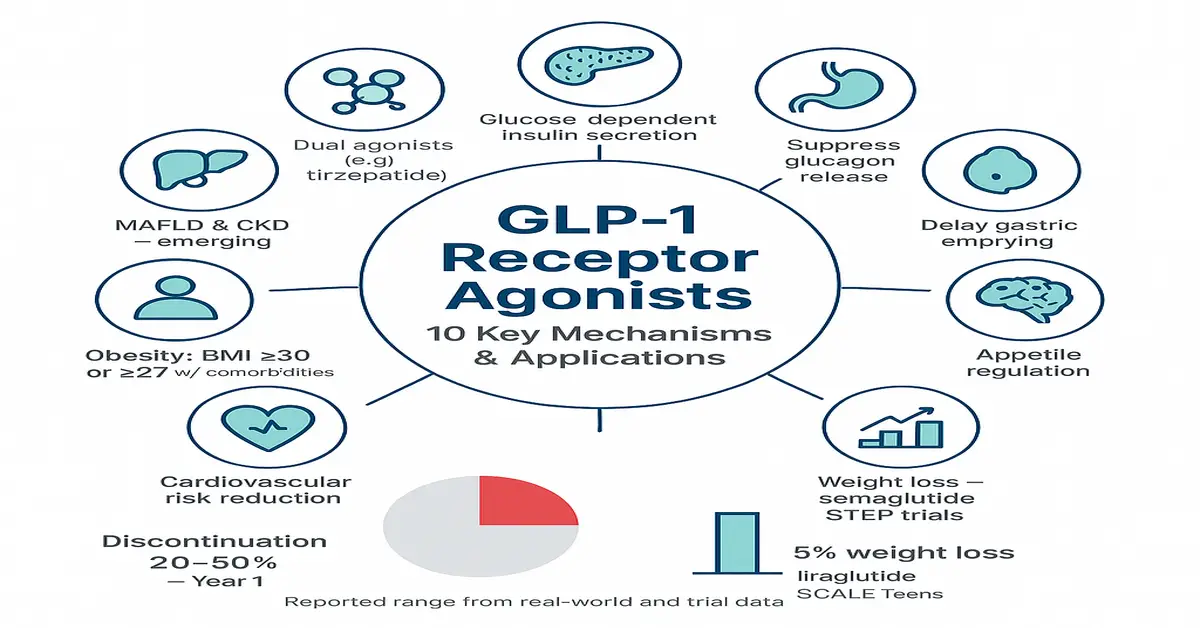
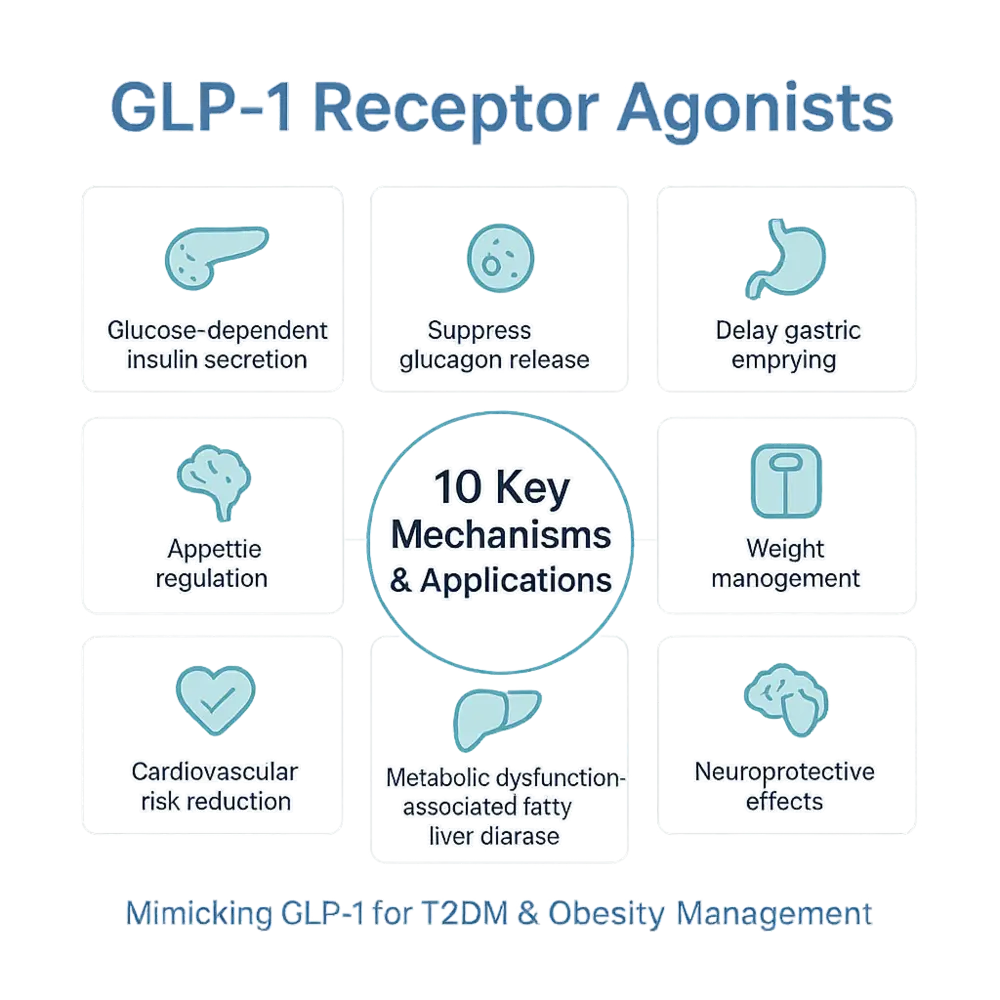
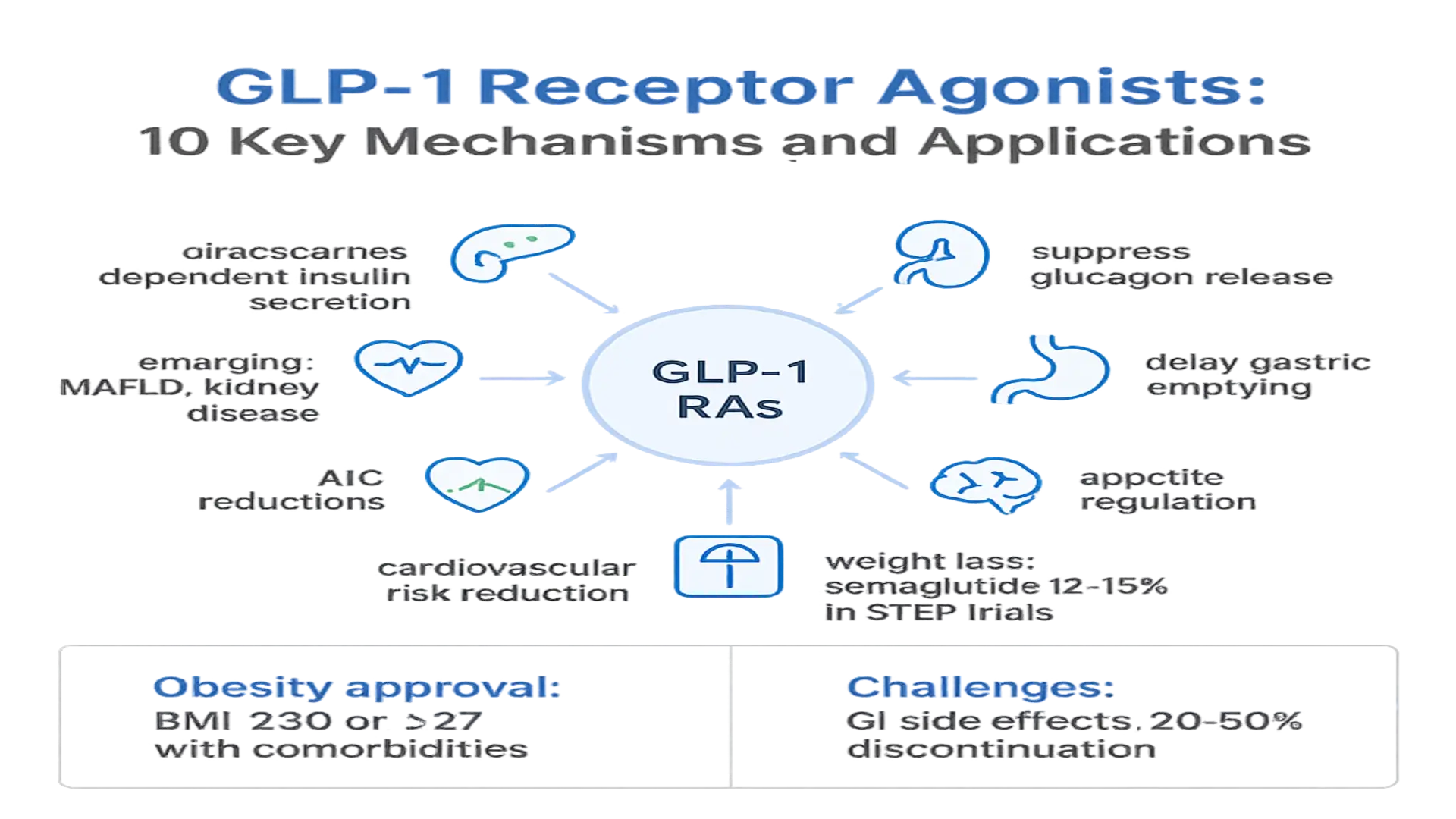
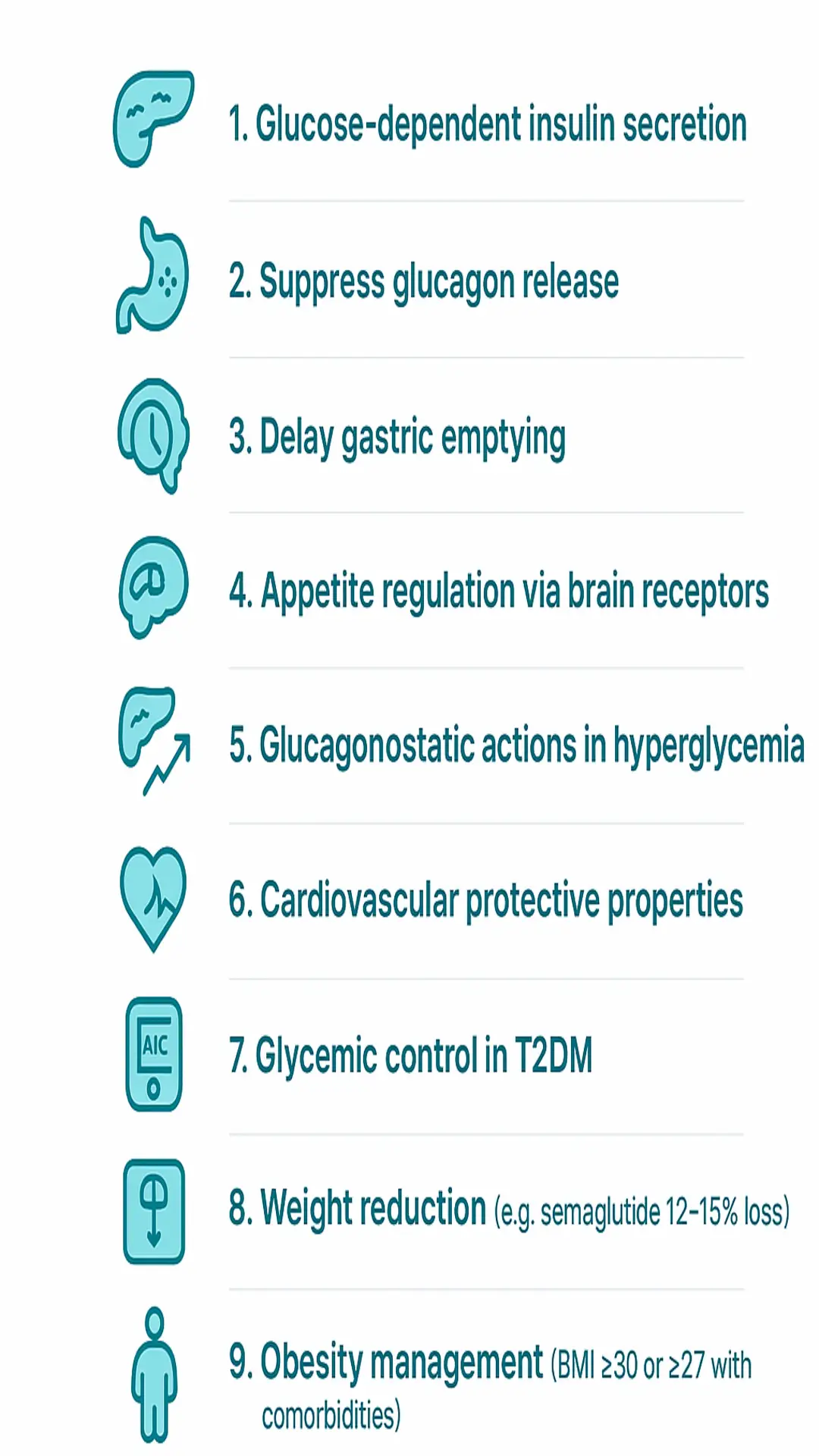
The primary mechanism of GLP-1 receptor agonists involves activation of GLP-1 receptors on pancreatic beta-cells, which supports glucose-dependent insulin secretion. They also help suppress glucagon secretion from alpha-cells, particularly in the presence of elevated glucose levels. By slowing gastric emptying, these agents may contribute to more stable postprandial glucose levels.
In the brain, GLP-1 RAs interact with hypothalamic receptors to potentially influence appetite and food intake. Additional effects include glucagonostatic actions during hyperglycemia and possible cardiovascular protective properties observed in studies. Dual agonists like tirzepatide enhance these effects by combining GLP-1 signaling with GIP-mediated improvements in insulin secretion and related outcomes.
Therapeutic Applications
GLP-1 receptor agonists are primarily utilized for glycemic control and weight reduction in individuals with T2DM. They have received approval for obesity management in adults with a BMI of 30 or greater, or 27 or greater with weight-related comorbidities. Studies have explored their role in cardiovascular risk reduction among T2DM patients with established conditions.
Emerging research examines applications in metabolic dysfunction-associated fatty liver disease (MAFLD) and chronic kidney disease. Preliminary data also point to potential neuroprotective and anti-inflammatory effects that could extend to neurodegenerative disorders and substance use contexts, though further investigation is needed.
Clinical Evidence
Clinical trials provide substantial data on GLP-1 RAs. For instance, semaglutide demonstrated 12-15% placebo-subtracted weight loss in the STEP trials focused on obesity. Liraglutide at 3 mg showed around 5% weight loss in adolescents with obesity, as seen in the SCALE Teens trial.
Head-to-head comparisons in T2DM studies indicate that various GLP-1 RAs support reductions in A1C levels. Meta-analyses have reported associations with decreases in weight, BMI, and waist circumference. Cardiovascular outcome trials in T2DM populations have shown reductions in major adverse cardiovascular events.
Challenges and Limitations
Despite their potential, GLP-1 receptor agonists are associated with gastrointestinal side effects such as nausea, vomiting, and diarrhea, which are among the most common issues. Real-world studies report discontinuation rates of 20-50% within the first year.
Additional barriers include high costs and limited access, contributing to healthcare inequities. Rare reports include serious events like pancreatitis and thyroid tumors. Upon discontinuation, weight regain is commonly observed, underscoring the importance of long-term adherence.
Future Directions
Research into dual and triple agonists, such as those combining GLP-1, GIP, and glucagon pathways, aims to enhance efficacy. Oral small-molecule GLP-1 RAs are under development to improve convenience and patient adherence.
Expanded indications may include chronic kidney disease, non-alcoholic steatohepatitis (NASH), Alzheimer’s disease, and substance use disorders. Long-term, independent trials are needed to evaluate sustainability, rare risks, and overall outcomes. Efforts to improve equity, lower costs, and integrate these agents with behavioral therapies are also priorities.
Conclusion
GLP-1 receptor agonists have demonstrated capabilities in supporting A1C reductions, weight loss, and cardiovascular risk management in T2DM and obesity contexts. Robust evidence from clinical trials and meta-analyses underscores these observations. However, gastrointestinal tolerability and access challenges persist as key hurdles. Continued research into multi-agonists and novel applications offers promising avenues for advancing cardiometabolic health.
References
- Glucagon-Like Peptide-1 (GLP-1) Receptor Agonists – PubMed
- Glucagon-Like Peptide-1 Receptor Agonists – StatPearls – NCBI Bookshelf
- Glucagon-like peptide 1 (GLP-1) – PubMed
- GLP-1 Agonists for Weight Loss: Pharmacology and Clinical … – PubMed
- Mechanisms of Action and Therapeutic Application … – PubMed
- Mechanisms of action and therapeutic applications of GLP … – Frontiers
- GLP-1 receptor agonists: an updated review of head-to-head clinical … – PubMed
- Efficacy of GLP-1 Receptor Agonists on Weight Loss, BMI, and Waist … – PubMed
- Emerging Role of GLP-1 Agonists in Obesity – PubMed
- Efficacy and Safety of GLP-1 Medicines for Type 2 Diabetes … – Diabetes Care
- GLP-1 receptor agonists: current evidence and future directions – PMC
- GLP-1 Receptor Agonists: A Promising Therapy for Modern Lifestyle … – MDPI
References
References
- Glucagon-Like Peptide-1 (GLP-1) Receptor Agonists – PubMed
- Glucagon-Like Peptide-1 Receptor Agonists – StatPearls – NCBI Bookshelf
- Glucagon-like peptide 1 (GLP-1) – PubMed
- GLP-1 Agonists for Weight Loss: Pharmacology and Clinical … – PubMed
- Mechanisms of Action and Therapeutic Application … – PubMed
- Mechanisms of action and therapeutic applications of GLP … – Frontiers
- GLP-1 receptor agonists: an updated review of head-to-head clinical … – PubMed
- Efficacy of GLP-1 Receptor Agonists on Weight Loss, BMI, and Waist … – PubMed
- Emerging Role of GLP-1 Agonists in Obesity – PubMed
- Efficacy and Safety of GLP-1 Medicines for Type 2 Diabetes … – Diabetes Care
- GLP-1 receptor agonists: current evidence and future directions – PMC
- GLP-1 Receptor Agonists: A Promising Therapy for Modern Lifestyle … – MDPI