
Peptite: An Overview of Peptide Therapeutics Research
- By Isaac
Peptite: An Overview of Peptide Therapeutics Research
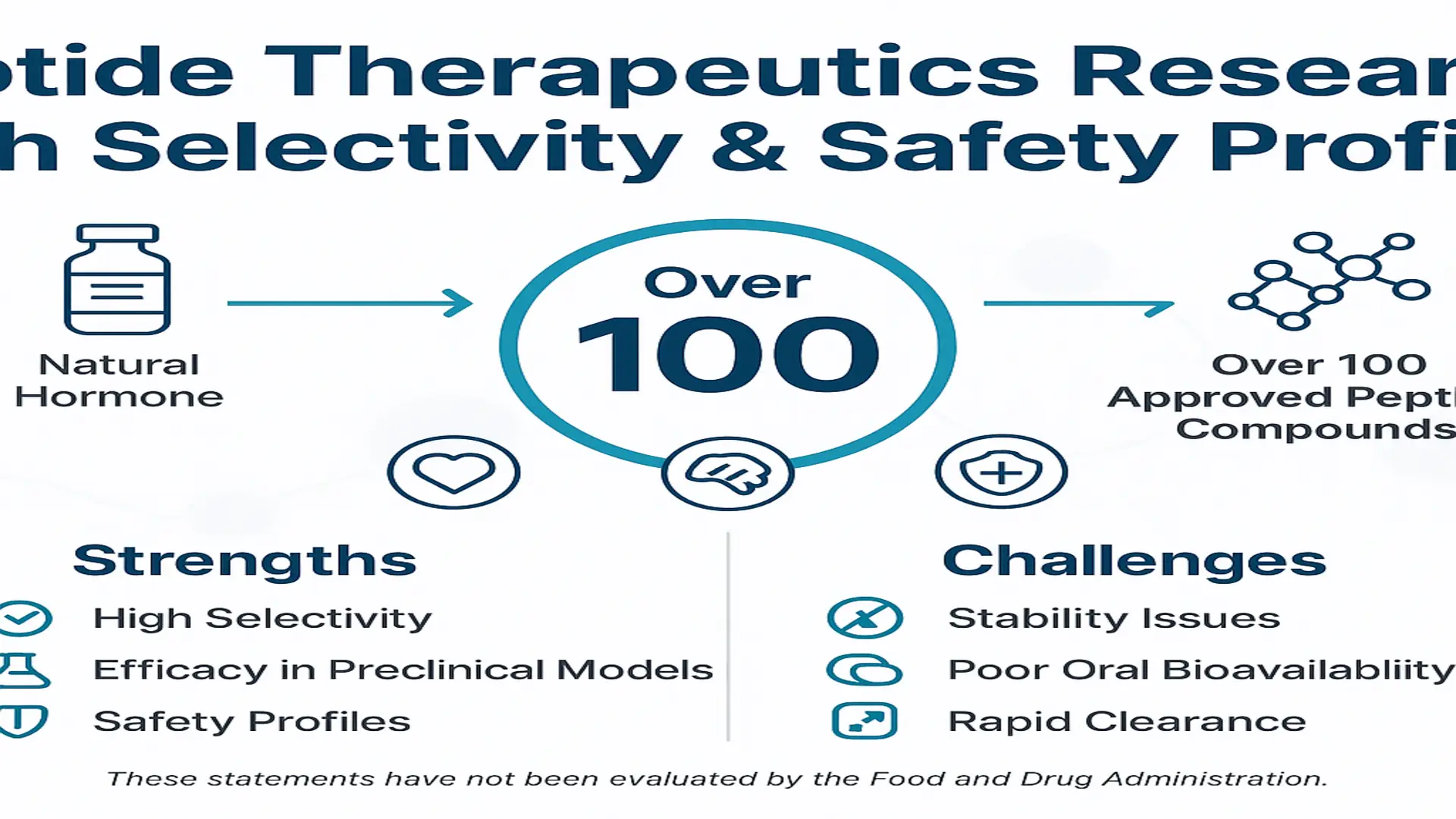
Peptides have emerged as a fascinating area of scientific exploration in the field of therapeutics. While specific details on “peptite” were not identified in available sources, research on peptide therapeutics highlights their unique clinical pharmacology, blending characteristics of both small molecule drugs and biologics. These compounds are noted for their high selectivity, efficacy in preclinical models, safety profiles, and tolerability in studies. This review article summarizes key insights from peer-reviewed literature on peptide drug discovery, potential mechanisms, research applications, clinical evidence, challenges, and future directions. It aims to educate readers on the evolving landscape of peptide-based research without making any medical claims.
These statements have not been evaluated by the Food and Drug Administration. This product or information is not intended to diagnose, treat, cure, or prevent any disease.
Mechanisms of Action in Peptide Research
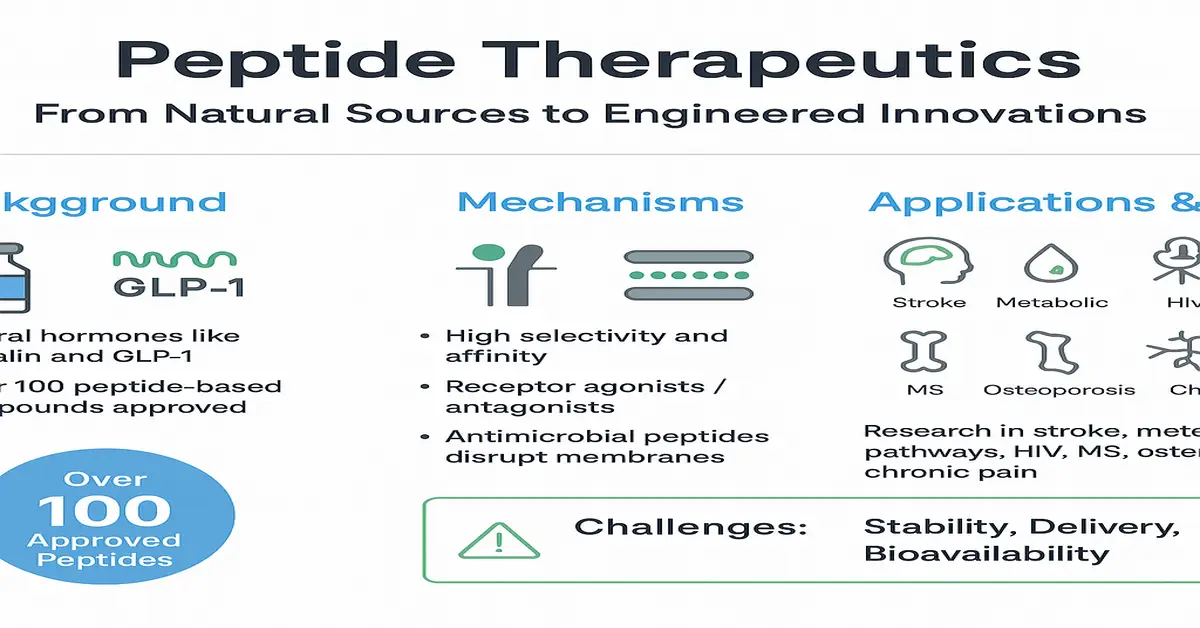
Peptides are studied for their high selectivity and affinity, often interacting as receptor agonists or antagonists. Examples include interactions with G-protein-coupled receptors in the galanin family. Research on compounds like eptifibatide has explored inhibition of platelet aggregation through GPIIb/IIIa receptor blockade in cardiovascular models.
Bioactive peptides have been investigated for their roles in targeting metabolic pathways, with protein hydrolysates showing potential in preclinical settings. Antimicrobial peptides are examined for their ability to disrupt microbial membranes, noted for low toxicity and high specificity in laboratory studies.
These mechanisms highlight the precision of peptides in research contexts, leveraging their structural properties for targeted interactions.
These statements have not been evaluated by the Food and Drug Administration. This product or information is not intended to diagnose, treat, cure, or prevent any disease.
Research Applications of Peptite-Like Compounds
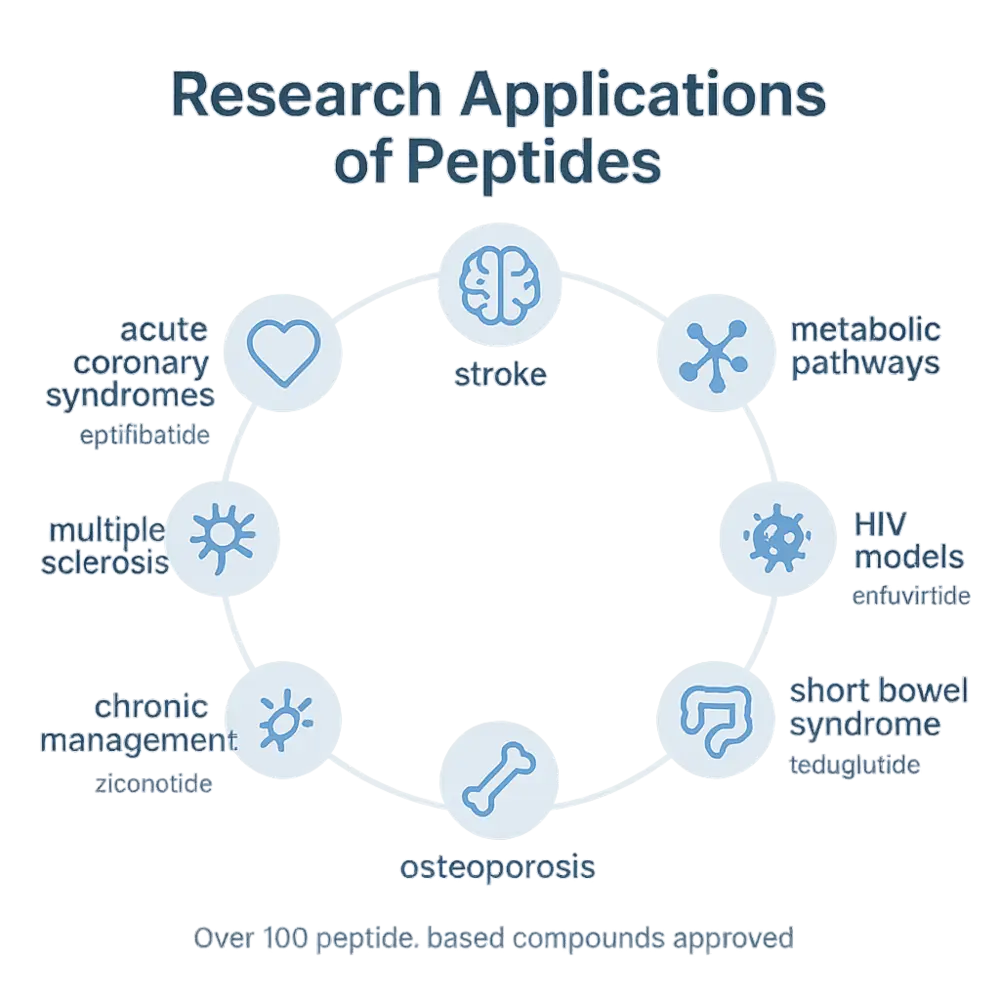
Peptide research spans diverse areas, including investigations into stroke, metabolic pathways, HIV models, multiple sclerosis, osteoporosis, and chronic pain management. Eptifibatide has been studied in contexts like acute coronary syndromes and percutaneous interventions.
Bioactive peptides are explored for their roles in metabolic research, with examples such as enfuvirtide in HIV studies and ziconotide in pain research. Antimicrobial peptides are under investigation for infection-related models, while GLP-2 analogs like teduglutide have been examined in short bowel syndrome research.
These applications reflect the broad scope of peptide studies, contributing to ongoing scientific exploration across multiple fields.
Clinical Evidence from Peptide Studies
Preclinical research on protein hydrolysates has advanced toward clinical trials, focusing on metabolic pathways. Eptifibatide’s clinical pharmacology is well-documented in cardiovascular research settings.
Studies on peptides in stroke models show promising data, opening new avenues for investigation. Comparative clinical trials of GLP-1 analogs, such as semaglutide versus dulaglutide or liraglutide, have been conducted in type 2 diabetes research frameworks.
This evidence base illustrates the progression from lab bench to human studies, providing a foundation for further peptide research.
These statements have not been evaluated by the Food and Drug Administration. This product or information is not intended to diagnose, treat, cure, or prevent any disease.
Challenges and Limitations in Peptite Research
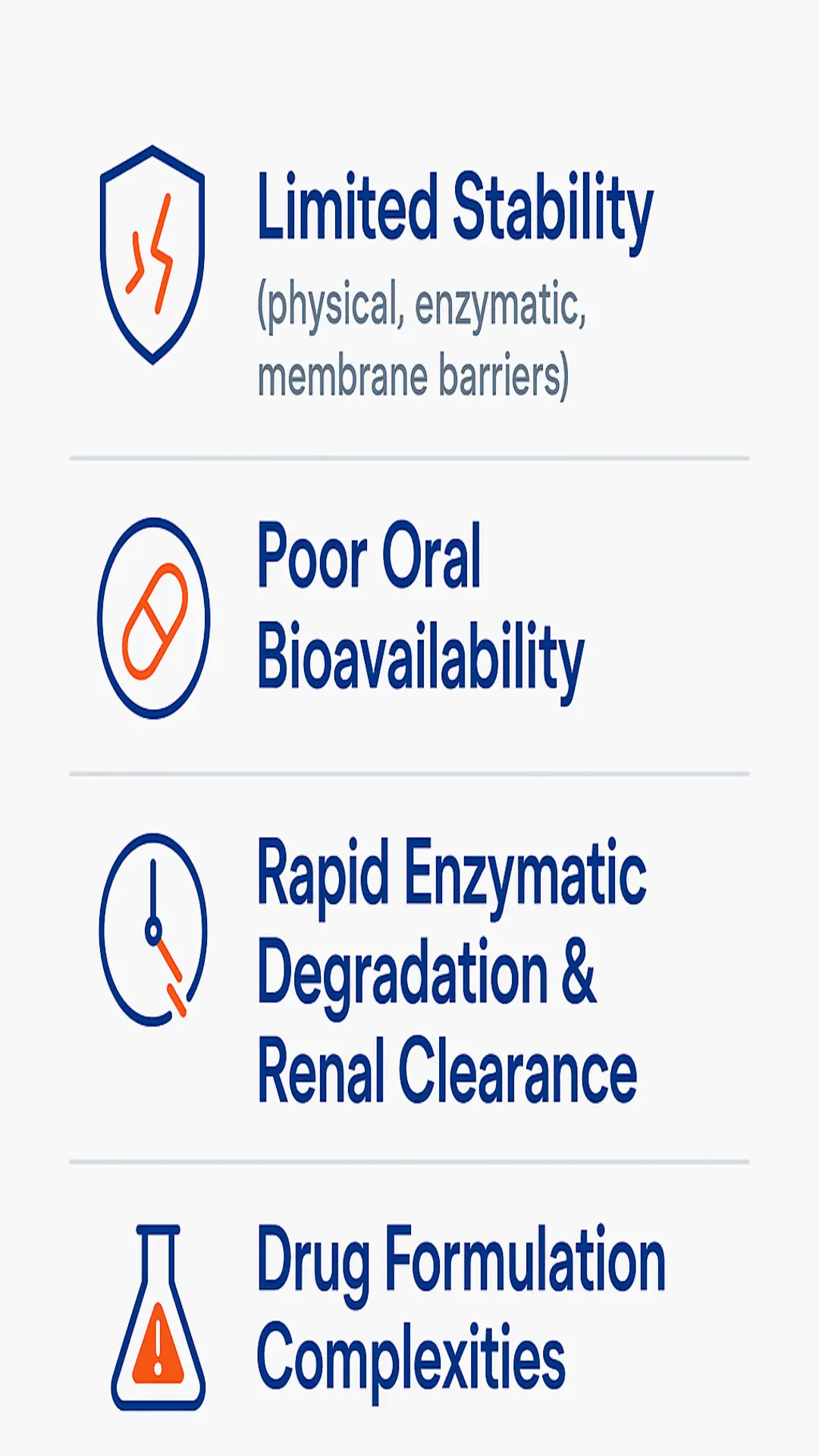
Despite promising research, peptides face hurdles such as limited stability against physical, enzymatic, and membrane barriers, which complicate oral or transdermal delivery. Issues like poor oral bioavailability, rapid enzymatic degradation, and quick renal clearance persist.
Additional challenges include drug formulation complexities, sustainability in synthesis, and potential resistance in antimicrobial peptide studies. Regulatory considerations arise from physical properties and immunogenicity profiles.
Addressing these limitations is crucial for advancing peptide research toward practical applications.
Future Directions in Peptide Therapeutics
Innovations in peptide synthesis, such as stapled peptides and chemo-enzymatic methods, are paving the way forward. Efforts to develop oral formulations and enhanced delivery systems aim to improve research adherence and utility.
Expanded research targets include brain health, renal pathways, and next-generation multi-hormone agonists. Technologies like phage display and mRNA display support discovery, alongside greener synthesis approaches and refined targeting strategies.
These directions signal a dynamic future for peptide research, potentially broadening its scientific impact.
Conclusion
Peptite, as a representation of peptide therapeutics research, showcases high selectivity and safety profiles across areas like metabolic, infectious, and cardiovascular studies. Accumulated clinical evidence supports their investigation, though delivery and stability challenges remain prominent barriers.
Future innovations in formulations and molecular designs hold promise for enhanced research utility. Overall, peptides continue to emerge as a growing class with substantial potential in scientific exploration.
These statements have not been evaluated by the Food and Drug Administration. This product or information is not intended to diagnose, treat, cure, or prevent any disease.
References
- Review of Clinical Pharmacology Information for Peptides …
- Advances in clinical studies of peptide drugs in stroke …
- Bioactive peptides: from preclinical to clinical studies
- Peptide-based drug discovery: Current status and recent …
- Eptifibatide, an Older Therapeutic Peptide with New …
- Peptide therapeutics: current status and future directions
- Peptide Drugs: Current Status and it’s Applications in the …
- Advancements, challenges and future perspectives on peptide …
- Therapeutic peptides: current applications and future directions
- Development and Regulatory Challenges for Peptide Therapeutics
- The latest trends in peptide drug discovery and future challenges
- Current challenges in peptide-based drug discovery – Frontiers
References
References
- Review of Clinical Pharmacology Information for Peptides …
- Advances in clinical studies of peptide drugs in stroke …
- Bioactive peptides: from preclinical to clinical studies
- Peptide-based drug discovery: Current status and recent …
- Eptifibatide, an Older Therapeutic Peptide with New …
- Peptide therapeutics: current status and future directions
- Peptide Drugs: Current Status and it’s Applications in the …
- Advancements, challenges and future perspectives on peptide …
- Therapeutic peptides: current applications and future directions
- Development and Regulatory Challenges for Peptide Therapeutics
- The latest trends in peptide drug discovery and future challenges
- Current challenges in peptide-based drug discovery – Frontiers