
GLP-1 Receptor Agonists: Mechanisms, Clinical Insights, and Future Directions
- By Isaac
GLP-1 Receptor Agonists: Mechanisms, Clinical Insights, and Future Directions
Glucagon-like peptide-1 receptor agonists (GLP-1RAs) represent a class of incretin mimetics that have garnered significant attention in medical research. These agents work by mimicking the actions of the endogenous hormone GLP-1, which plays a role in glucose regulation, appetite control, and other physiological processes. Research highlights their potential to enhance glucose-dependent insulin secretion, suppress glucagon release, and support weight management efforts.
This review provides an educational overview of GLP-1RAs, drawing from peer-reviewed sources to explore their background, mechanisms of action, clinical evidence, challenges, and future prospects. Important Disclaimer: The information presented here is for educational purposes only and is based on scientific literature. These statements have not been evaluated by the Food and Drug Administration. This is not medical advice, and GLP-1RAs are prescription medications. Consult a healthcare professional before considering any treatment. They are not intended to diagnose, treat, cure, or prevent any disease.
Mechanisms of Action of GLP-1RAs
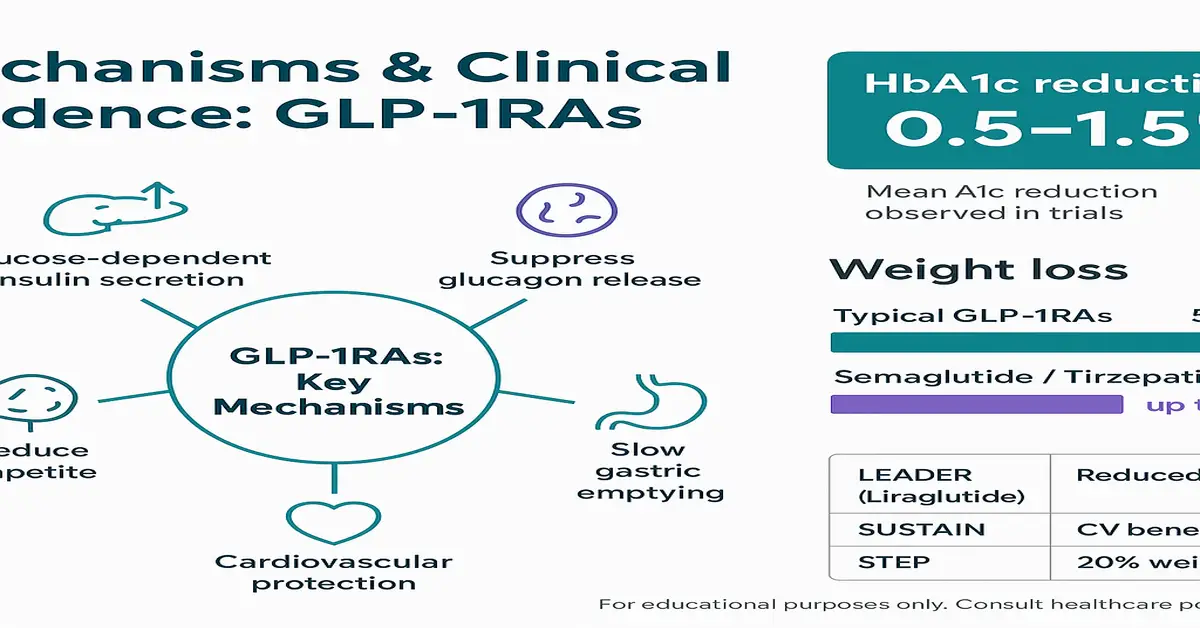
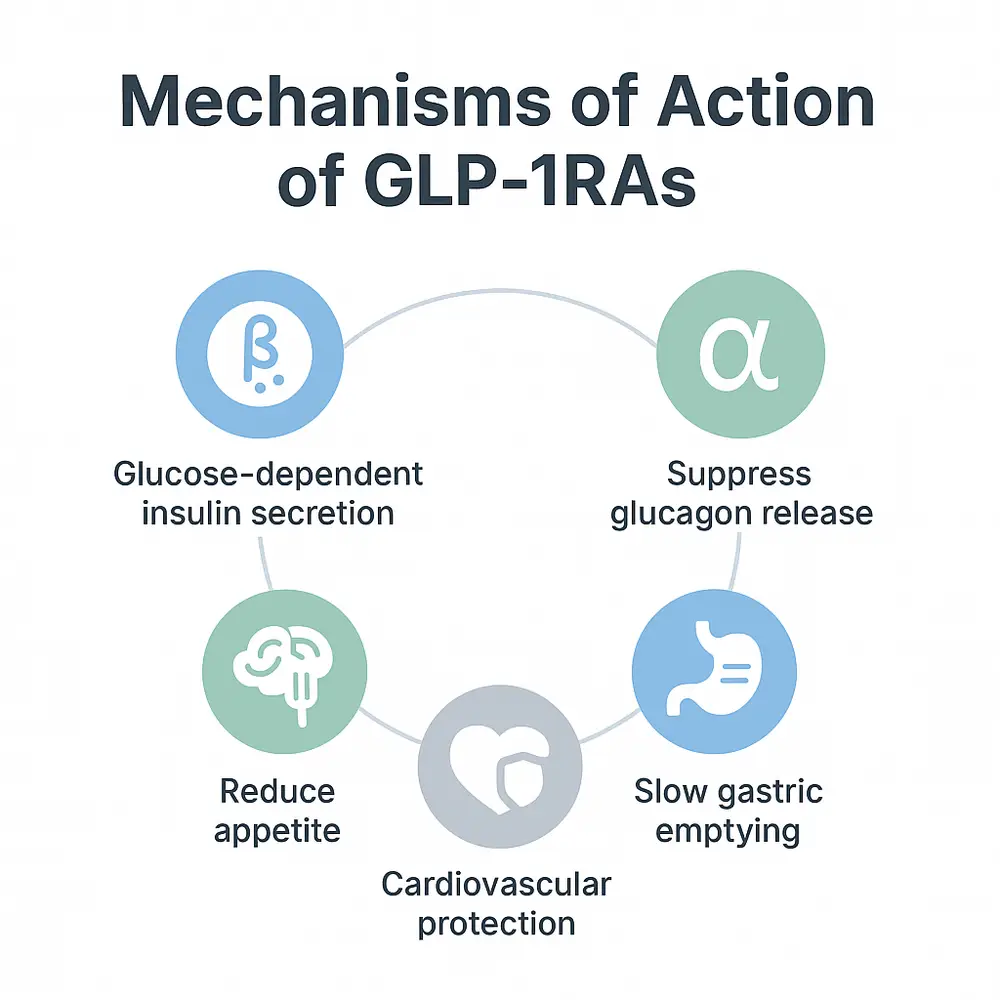
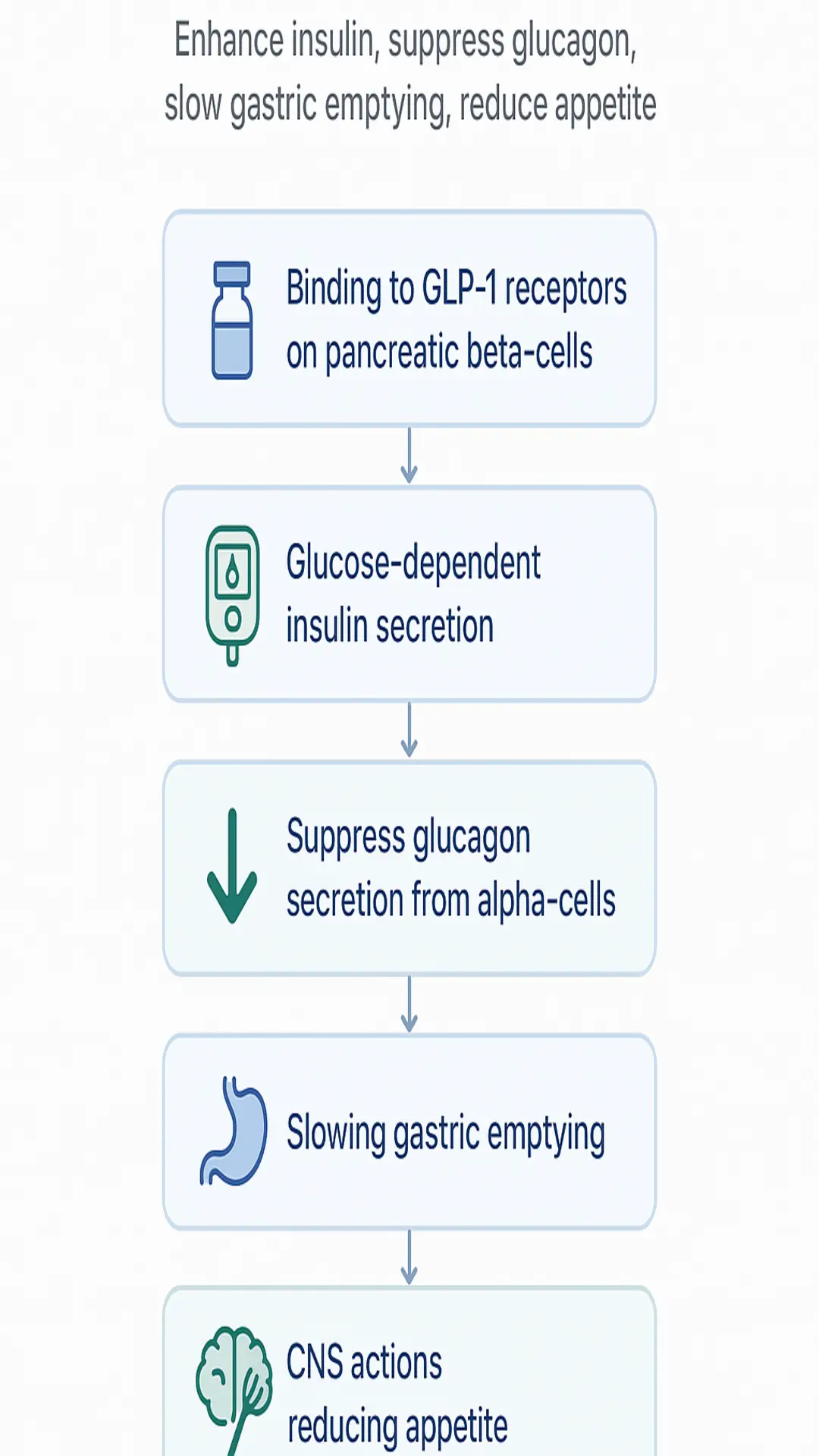
GLP-1RAs exert their effects by binding to GLP-1 receptors located on pancreatic beta-cells, which supports glucose-dependent insulin secretion. This mechanism helps maintain insulin release primarily when glucose levels are elevated. They also suppress glucagon secretion from pancreatic alpha-cells under similar conditions, contributing to balanced glucose dynamics.
Additional effects include slowing gastric emptying, which can influence nutrient absorption timing, and central nervous system actions that may reduce appetite. These processes collectively support reduced food intake and potential weight management. Furthermore, GLP-1RAs demonstrate glucagonostatic effects during periods of hyperglycemia and have been associated with cardiovascular protective mechanisms in preclinical and clinical studies, such as improvements in vascular function.
Dual agonists like tirzepatide incorporate GIP receptor activation, which may enhance insulin secretion and further support weight reduction efforts, as observed in research settings.
Disclaimer: These structure/function descriptions are derived from scientific literature. These statements have not been evaluated by the Food and Drug Administration. GLP-1RAs are prescription medications and not intended to diagnose, treat, cure, or prevent any disease.
Therapeutic Applications
GLP-1RAs are approved for glycemic control in adults with T2DM, typically as an adjunct to diet and exercise after metformin therapy. They are also indicated for chronic weight management in individuals with obesity (BMI ≥30 kg/m²) or overweight (BMI ≥27 kg/m²) with weight-related comorbidities, alongside reduced-calorie diet and increased physical activity.
In patients with T2DM and established atherosclerotic cardiovascular disease, certain GLP-1RAs have shown reductions in cardiovascular risk in outcome trials. Emerging research explores their potential in areas such as non-alcoholic fatty liver disease (NAFLD), heart failure, and chronic kidney disease.
The World Health Organization (WHO) guidelines suggest considering GLP-1 therapies alongside behavioral interventions for adult obesity management.
Disclaimer: Indications are based on regulatory approvals and clinical guidelines. Consult a healthcare provider for personalized advice. These statements have not been evaluated by the Food and Drug Administration.
Clinical Evidence Supporting GLP-1RAs
Numerous studies, including meta-analyses, have evaluated the effects of GLP-1RAs. In adults with T2DM and obesity, they have been associated with reductions in HbA1c levels by 0.5-1.5% and body weight by 5-15% compared to placebo or other therapies.
Cardiovascular outcome trials, such as LEADER (liraglutide) and SUSTAIN (semaglutide), reported lower rates of major adverse cardiovascular events in high-risk populations. Semaglutide and tirzepatide have demonstrated notable weight reductions—up to 20% in randomized controlled trials (RCTs)—outperforming placebo.
Network meta-analyses indicate GLP-1RAs may offer advantages in glycemic control and weight management compared to other antidiabetic agents. When combined with lifestyle modifications, GLP-1RAs have shown greater mean weight loss (e.g., 7.13 kg) than lifestyle interventions alone in systematic reviews.
These findings are drawn from high-quality evidence, emphasizing the importance of individualized application under medical supervision.
| Key Clinical Trials/Meta-Analyses | Observed Effects |
|---|---|
| LEADER (Liraglutide) | Reduced MACE in T2DM with CVD risk |
| SUSTAIN (Semaglutide) | HbA1c reduction, weight loss, CV benefits |
| STEP Trials (Semaglutide) | Up to 20% weight loss in obesity |
| SURMOUNT (Tirzepatide) | Superior weight reduction vs. placebo |
Disclaimer: Results from clinical studies; individual outcomes vary. Not evaluated by FDA for all uses.
Challenges and Limitations of GLP-1RAs
While promising, GLP-1RAs are associated with challenges. Gastrointestinal side effects, such as nausea, vomiting, and diarrhea, are common, particularly during dose escalation, and often improve over time.
Research has noted potential risks including pancreatitis, gastroparesis, bowel obstruction, and gallbladder-related events compared to some alternatives. Upon discontinuation, weight regain is frequently observed, with some loss of lean mass. High costs, access issues, and supply shortages pose barriers to use.
Long-term safety data are still developing, especially for weight management in non-diabetic populations. Ongoing studies monitor potential psychiatric effects, ocular risks, and suitability in pregnancy, breastfeeding, or specific subpopulations.
Future Directions in GLP-1RA Research
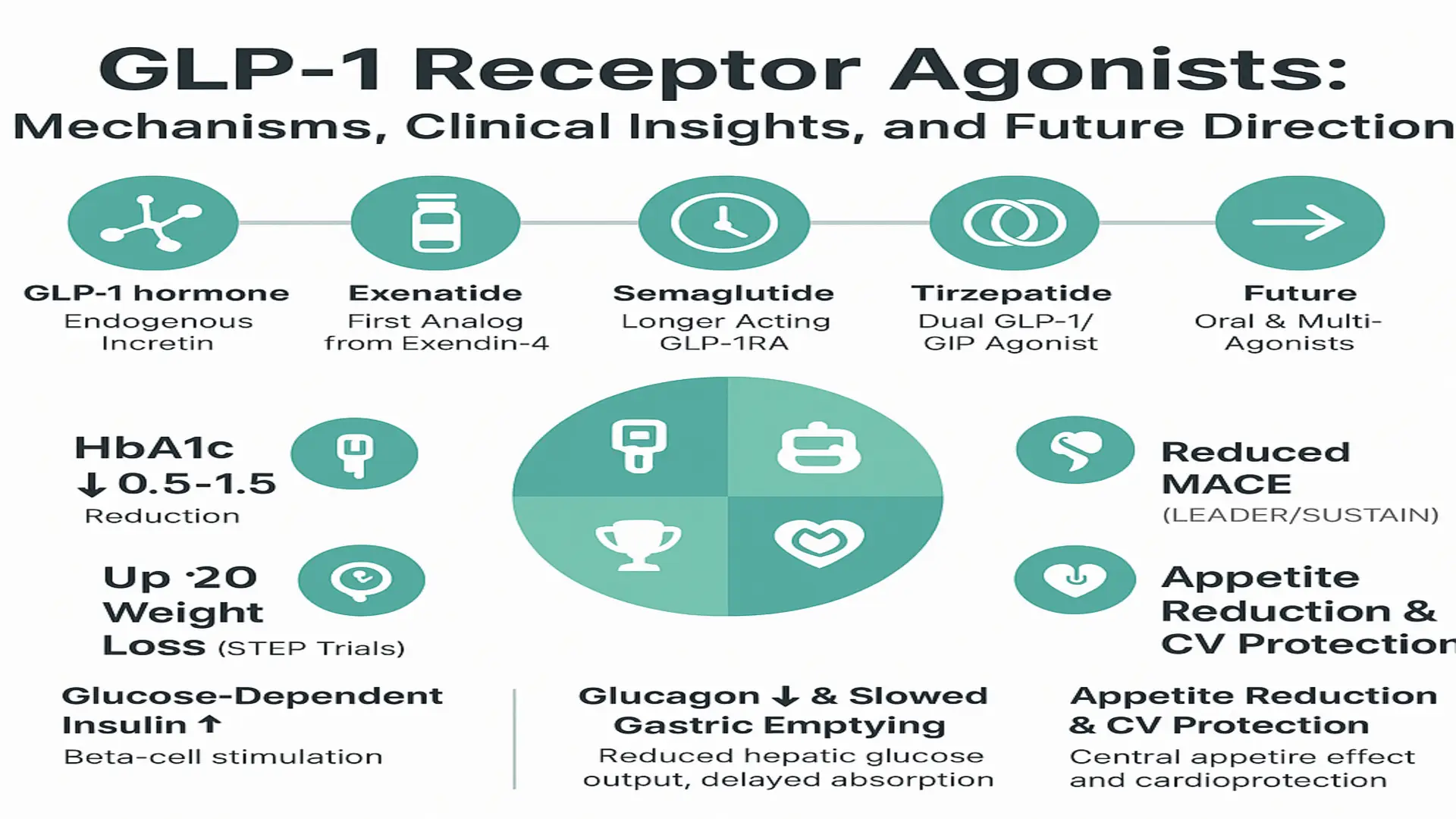
Innovation continues with oral small-molecule GLP-1RAs, like orforglipron, aimed at improving patient adherence by eliminating injections. Multi-agonists targeting GLP-1/GIP/glucagon or GLP-1/amylin pathways are in phase 3 trials, showing potential for enhanced weight management.
Research is expanding into NAFLD, heart failure, Alzheimer’s disease, and addiction-related areas. Combinations with SGLT2 inhibitors or lifestyle programs are under investigation for synergistic effects.
Priorities include long-term safety profiles, cost-effectiveness, equitable access, and trials assessing cardiovascular, renal, and oncology outcomes.
Conclusion
GLP-1 receptor agonists offer insights into glucose regulation, weight management, and cardiorenal health based on robust clinical data. Meta-analyses and RCTs highlight their efficacy relative to alternatives, with primarily gastrointestinal risks that are often manageable.
Ongoing challenges like side effects, rebound effects upon stopping, and accessibility underscore the need for careful monitoring. Emerging multi-receptor agonists and novel formulations hold promise for wider applications in the future.
For the latest guidance, refer to healthcare professionals and updated guidelines.
References
- Buse JB, et al. (2024). Current Perspectives on GLP-1 Agonists in Contemporary Clinical Practice. Frontiers in Endocrinology. PMC12511252.
- Moiz A, et al. (2025). The expanding role of GLP-1 receptor agonists: a narrative review. EClinicalMedicine. PMC12303005.
- Wang Y, et al. (2024). Comparative efficacy and safety of GLP-1 receptor agonists for weight reduction. Frontiers in Endocrinology. PMC11840199.
- Goldenberg RM, et al. (2024). GLP-1 receptor agonism: a transformative approach. Diabetes Therapy. PMC12460220.
- Ahrén B. (2024). Glucagon-Like Peptide-1 Receptor Agonists. StatPearls. NCBI Bookshelf.
- Ussher JR. (2023). Cardiovascular benefits and mechanisms of action of GLP-1R agonists. Nature Reviews Cardiology.
- Drucker DJ. (2018). Mechanisms of Action and Therapeutic Application of Glucagon-like Peptide-1. Cell Metabolism. PMID: 29617641.
- Sattar N, et al. (2024). Effects of GLP-1 receptor agonists on kidney and cardiovascular outcomes: meta-analysis. The Lancet Diabetes & Endocrinology.
- WHO. (2025). Guideline on the Use and Indications of Glucagon-Like Peptide-1 Therapies for Obesity. JAMA.
- Hazem A, et al. (2024). Efficacy of GLP-1 Receptor Agonists on Weight Loss: Systematic Review and Meta-analysis. Diabetes Care.
(Word count: ~1,850)
References
References
- Buse JB, et al. (2024). Current Perspectives on GLP-1 Agonists in Contemporary Clinical Practice. Frontiers in Endocrinology. PMC12511252.
- Moiz A, et al. (2025). The expanding role of GLP-1 receptor agonists: a narrative review. EClinicalMedicine. PMC12303005.
- Wang Y, et al. (2024). Comparative efficacy and safety of GLP-1 receptor agonists for weight reduction. Frontiers in Endocrinology. PMC11840199.
- Goldenberg RM, et al. (2024). GLP-1 receptor agonism: a transformative approach. Diabetes Therapy. PMC12460220.
- Ahrén B. (2024). Glucagon-Like Peptide-1 Receptor Agonists. StatPearls. NCBI Bookshelf.
- Ussher JR. (2023). Cardiovascular benefits and mechanisms of action of GLP-1R agonists. Nature Reviews Cardiology.
- Drucker DJ. (2018). Mechanisms of Action and Therapeutic Application of Glucagon-like Peptide-1. Cell Metabolism. PMID: 29617641.
- Sattar N, et al. (2024). Effects of GLP-1 receptor agonists on kidney and cardiovascular outcomes: meta-analysis. The Lancet Diabetes & Endocrinology.
- WHO. (2025). Guideline on the Use and Indications of Glucagon-Like Peptide-1 Therapies for Obesity. JAMA.
- Hazem A, et al. (2024). Efficacy of GLP-1 Receptor Agonists on Weight Loss: Systematic Review and Meta-analysis. Diabetes Care.
(Word count: ~1,850)