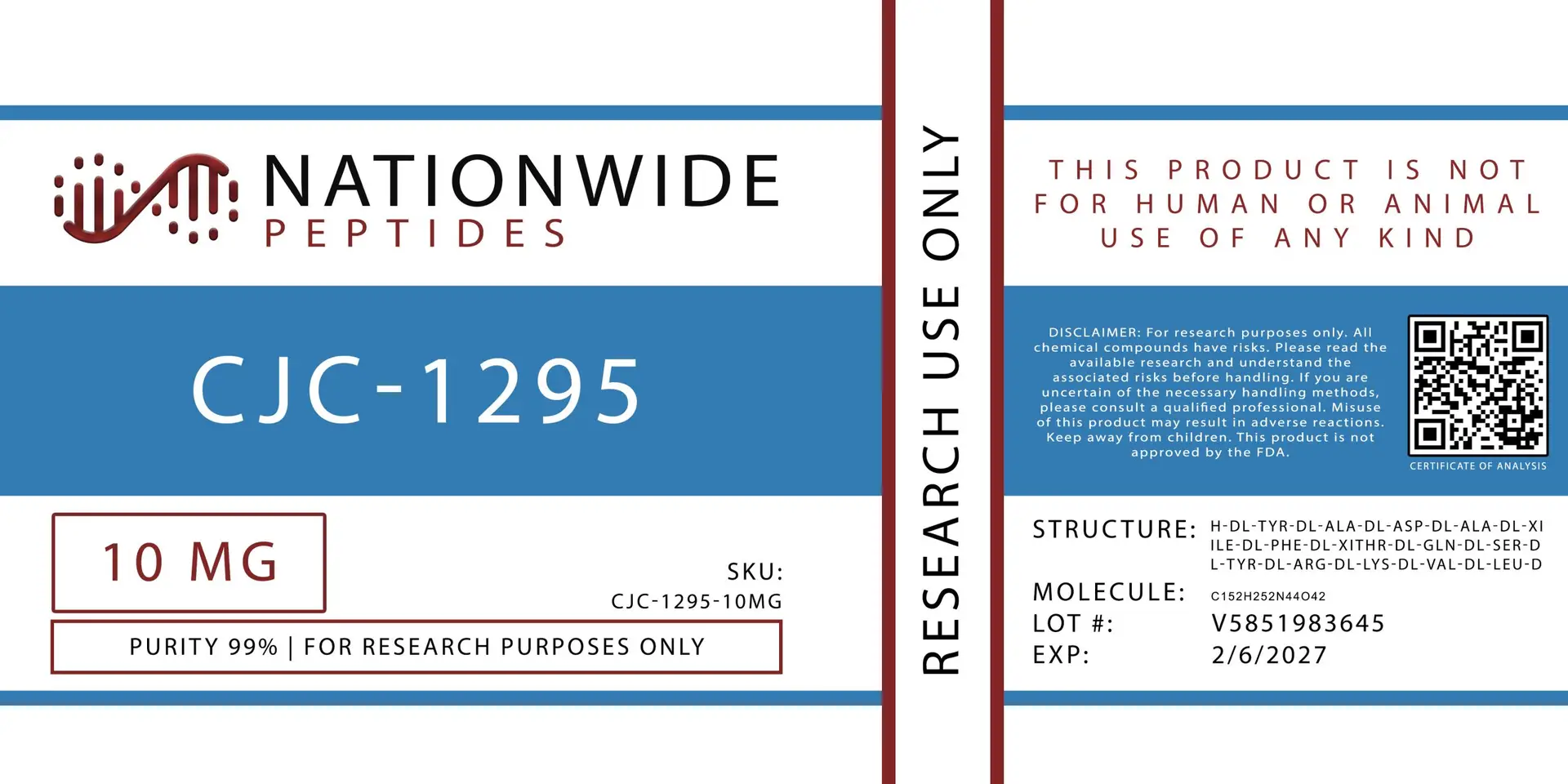

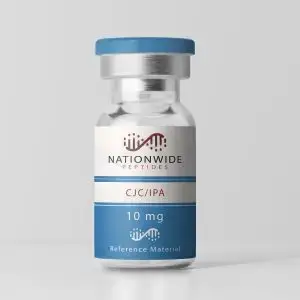

CJC-1295 without DAC is a synthetic GHRH analog extensively used in preclinical research to investigate time-limited receptor activation, cAMP-mediated GH secretion, and natural-like pulsatile release patterns. This research-grade peptide is produced under stringent GMP-compliant conditions and provided as a lyophilized powder to ensure superior purity, stability, and reliability in experimental applications. For Research Use Only. Not for human use.
Engineered solely for preclinical investigations, each batch of CJC-1295 without DAC undergoes a comprehensive quality assessment and includes complete documentation, including a Certificate of Analysis (COA), purity data, and structural verification. As described in peer-reviewed literature, CJC-1295 without DAC is a synthetic analog of growth hormone-releasing hormone (GHRH) studied for its role in pulsatile GH secretion dynamics in laboratory models (academic.oup.com).
Scientific Overview
CJC-1295 without DAC binds to GHRH receptors, stimulating pituitary somatotrophs, and exhibits a short half-life in research settings. Preclinical investigations examine CJC-1295 without DAC in the following in vitro and in vivo laboratory contexts:
- Transient GH release via adenylyl cyclase and cAMP elevation in pituitary models
- Synergistic amplification of GH pulses when combined with GHRP compounds in rodent models
- Maintenance of somatostatin-mediated negative feedback in acute laboratory protocols
- IGF-1 axis modulation studies in controlled preclinical settings
- Short-term endocrine signaling investigations in experimental models
Research-Referenced Functional Attributes (Based on existing preclinical and literature data — not intended as claims of therapeutic use)
- Activation of GHRH receptors leading to time-limited GH secretion in pituitary cell cultures (DOI: 10.1210/en.2005-0664 related GRF analogs)
- Synergistic GH release with GHRP compounds in rodent models (DOI: 10.1210/jc.2004-1719)
- Preservation of natural pulsatile patterns and feedback inhibition in acute administration studies
- Support for investigations into short-acting somatotropic signaling without sustained exposure
- Examination of IGF-1 responses in controlled preclinical protocols
- Examination of receptor desensitization dynamics in short-duration laboratory models
Why Researchers Choose Our CJC-1295 without DAC
For laboratories requiring dependable CJC-1295 without DAC research peptide, our manufacturing process prioritizes reproducibility and scientific precision. Every batch is confirmed for:
- Purity ≥99% by HPLC
- Structural identity via mass spectrometry
- Third-party Certificate of Analysis (COA) available per lot
For Research Use Only. Not for human use. This product is a research chemical intended solely for laboratory and preclinical research purposes. It is not intended for administration to humans or animals.