For Research Use Only. Not for human use.
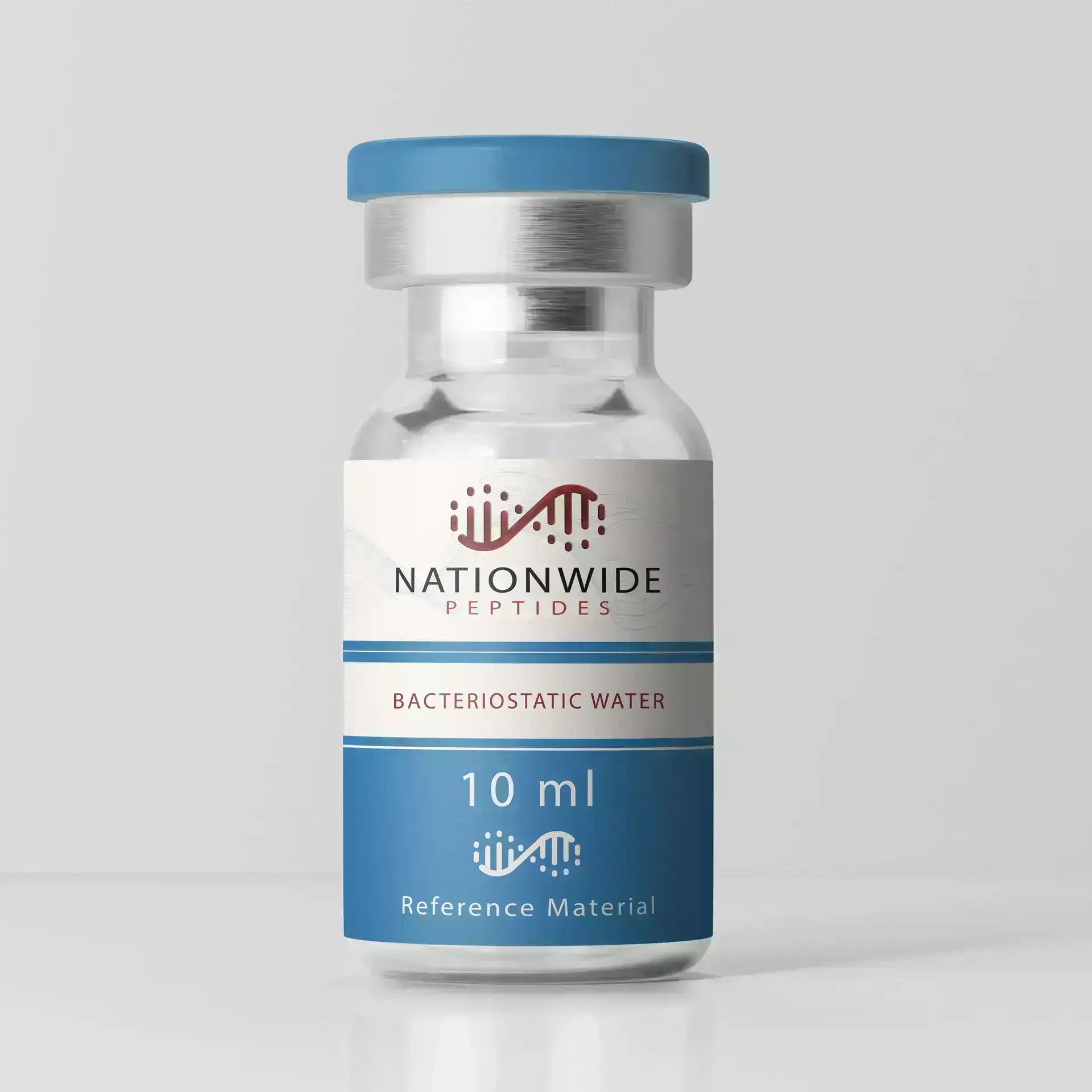
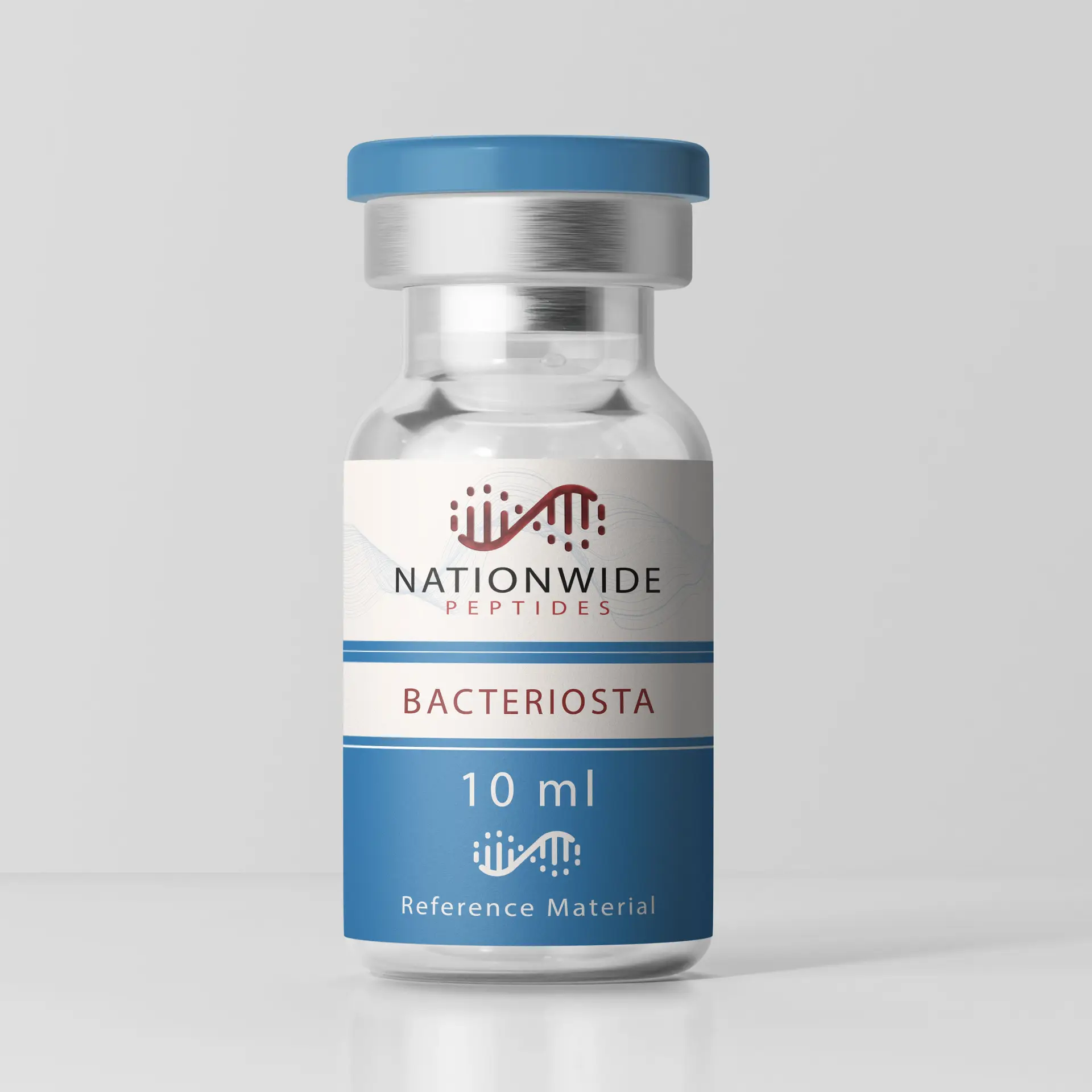
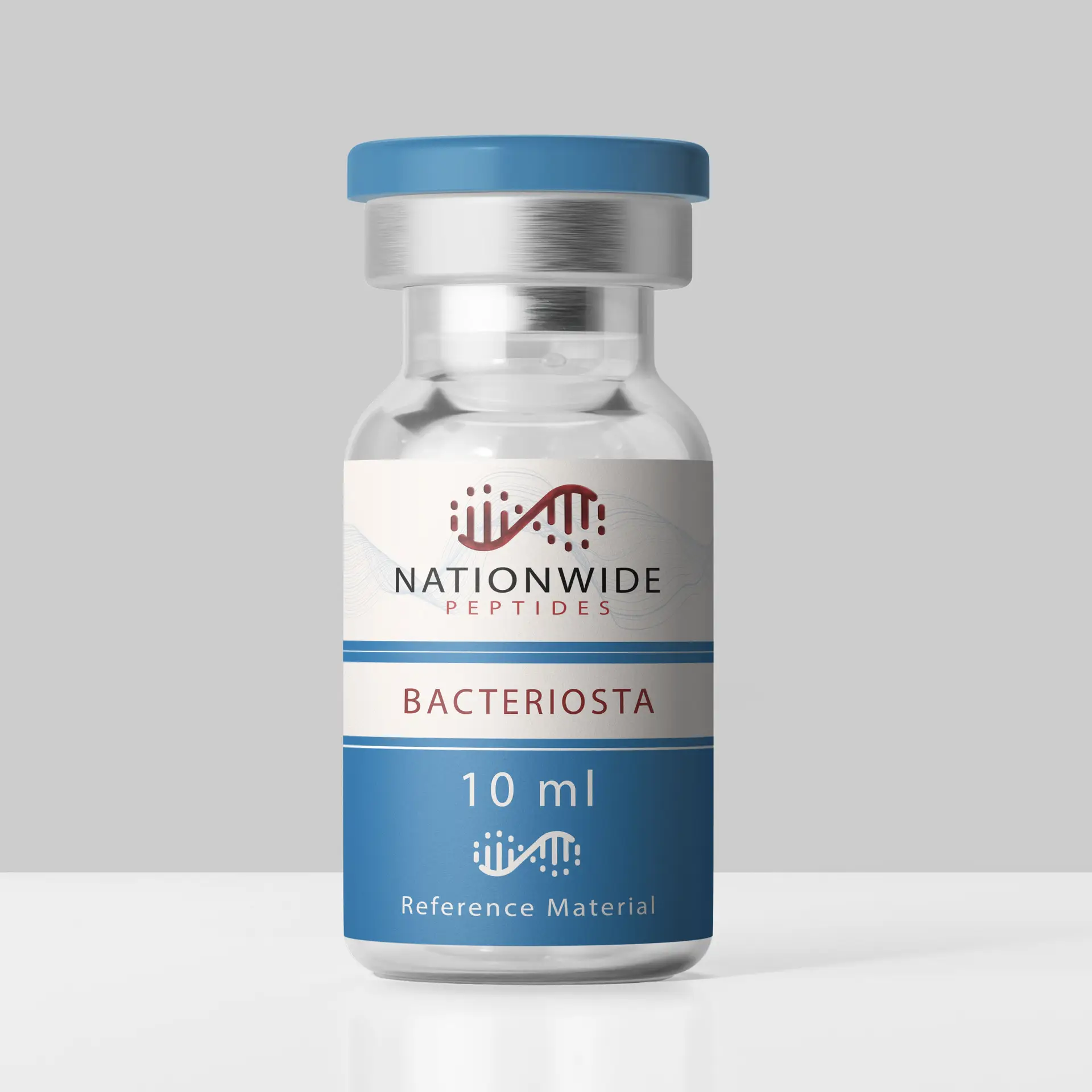
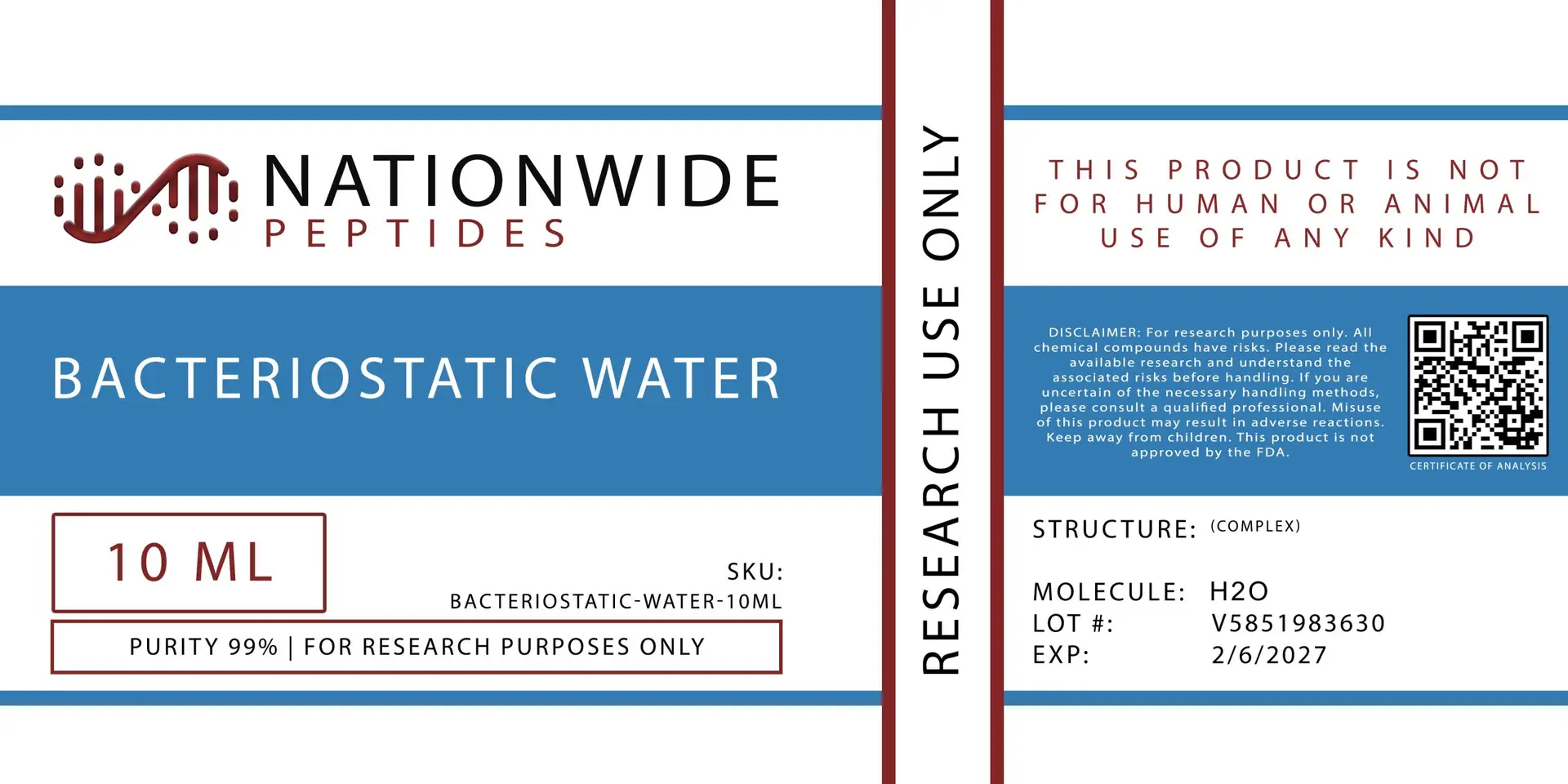
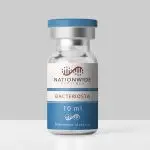
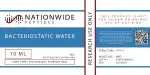
Bacteriostatic Water is a sterile solvent for reconstituting lyophilized research peptides. The addition of 0.9% (9 mg/mL) benzyl alcohol inhibits bacterial growth, allowing multiple withdrawals from the same vial for up to 28 days while maintaining sterility, as specified by USP standards (dailymed.nlm.nih.gov).
- Meets United States Pharmacopeia (USP) standards for Water for Injection
- Pyrogen-free, endotoxin-tested (< 0.25 EU/mL)
- Sealed under nitrogen in pharmaceutical-grade glass vials
- Available in 10 mL, 20 mL, and 30 mL multi-dose vials
Key Specifications
- Composition: Sterile Water for Injection + 0.9% (v/v) Benzyl Alcohol
- pH: 5.7 (4.5 – 7.0)
- Osmolarity: ~286 mOsm/L
- Benzyl Alcohol Content: 9 mg/mL (0.9%)
- Endotoxin Level: < 0.25 EU/mL
- Sterility: Terminally sterilized via 0.2 μm filtration
- Packaging: Type I borosilicate glass vial with chlorobutyl stopper and flip-off seal
Why Researchers Choose Nationwide Peptides Bac Water
- Highest purity — double-distilled, pyrogen-free, USP-grade
- Crystal-clear with zero particulates (inspected under polarized light)
- 28-day multi-use shelf life after first puncture (when stored 2–8 °C)
- Trusted by research laboratories and universities worldwide.